-
-
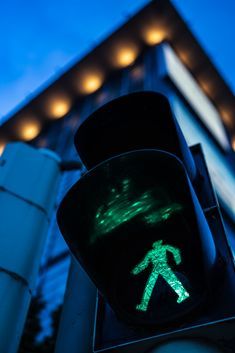
Smart traffic Lights
-
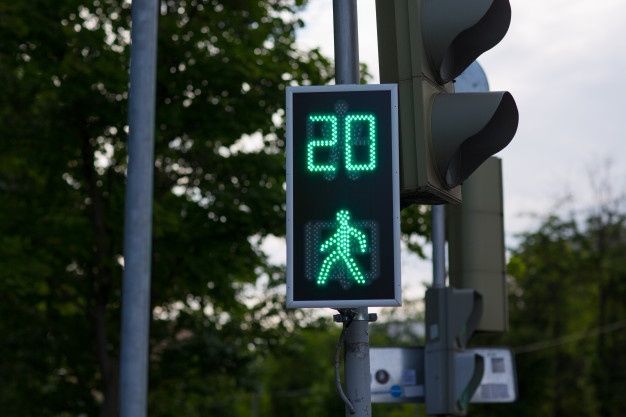
real-time data and AI
-

urban transportation network

Inspiration
My desire to contribute to the smart city vision, my personal frustration with traffic congestion, my worries about its effects on the environment, my excitement about the potential of AI and IoT technologies, and my conviction that current traffic management systems could be greatly enhanced all served as inspiration for the smart traffic light project. In essence, my goal was to leverage technology to make city navigation more intelligent, environmentally friendly, and effective.
What it does
AI and real-time data are used in this smart traffic signal project to maximize traffic flow. Depending on the situation, it dynamically modifies traffic light timings, giving priority to important routes, emergency vehicles, and pedestrian safety. As a result, the urban transportation network experiences less traffic, shorter wait times, and increased overall efficiency. Additionally, the technology offers useful data insights for improved traffic control and urban planning.
How we built it
We will build a smart traffic light system using a simulated urban environment and virtual sensors. We will develop and optimized algorithms, including rule-based systems and reinforcement learning, to dynamically adjust traffic light timings based on real-time traffic data. Rigorous testing and data analysis will help us refine the system for optimal performance in reducing congestion and improving traffic flow.
Challenges we ran into
We had to deal with the difficulties of real-world deployment and integration, manage computational resources, develop and optimize intricate algorithms, create a realistic traffic simulation, and guarantee data accuracy and dependability. Accurately simulating driver behavior, fine-tuning reinforcement learning models, performance optimization, managing sensor faults, and integrating with current infrastructure were among these challenges.
Accomplishments that we're proud of
We take great pride in constructing a workable adaptive traffic control system, creating efficient optimization algorithms (such as reinforcement learning), establishing a realistic simulation environment, improving system performance, putting in place perceptive data visualization, moving closer to real-world applicability, and encouraging excellent teamwork all along the way.
What we learned
We learned a lot about data analysis and visualization, software engineering best practices, simulation modeling, reinforcement learning, traffic engineering concepts, iterative development, and the practical difficulties of implementing smart city technology. Our understanding of the technical facets and wider ramifications of using technology to address urban issues has grown.
What's next for Smart City Traffic
A real-world pilot program, boosting simulation realism, creating more sophisticated algorithms, connecting with other smart city systems, increasing scalability, putting security and safety first, and interacting with the community are the next phases in our project. Deploying a fully operational system that maximizes urban traffic flow and helps create smarter, more sustainable cities is our ultimate goal.
Built With
- canva

Log in or sign up for Devpost to join the conversation.