-
-
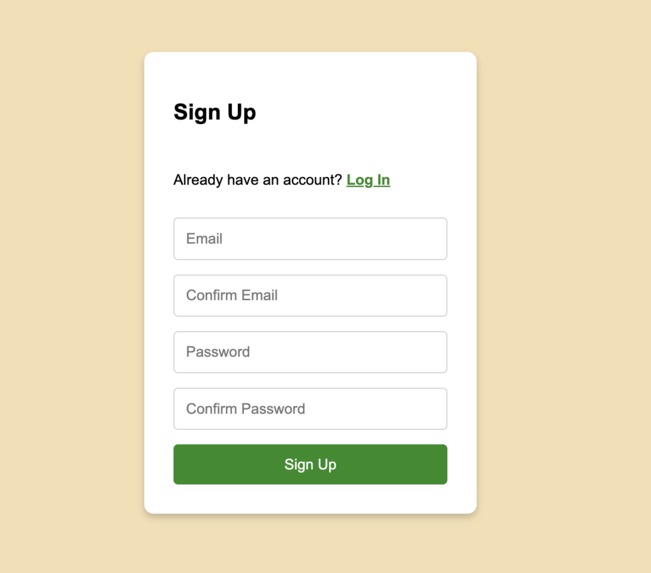
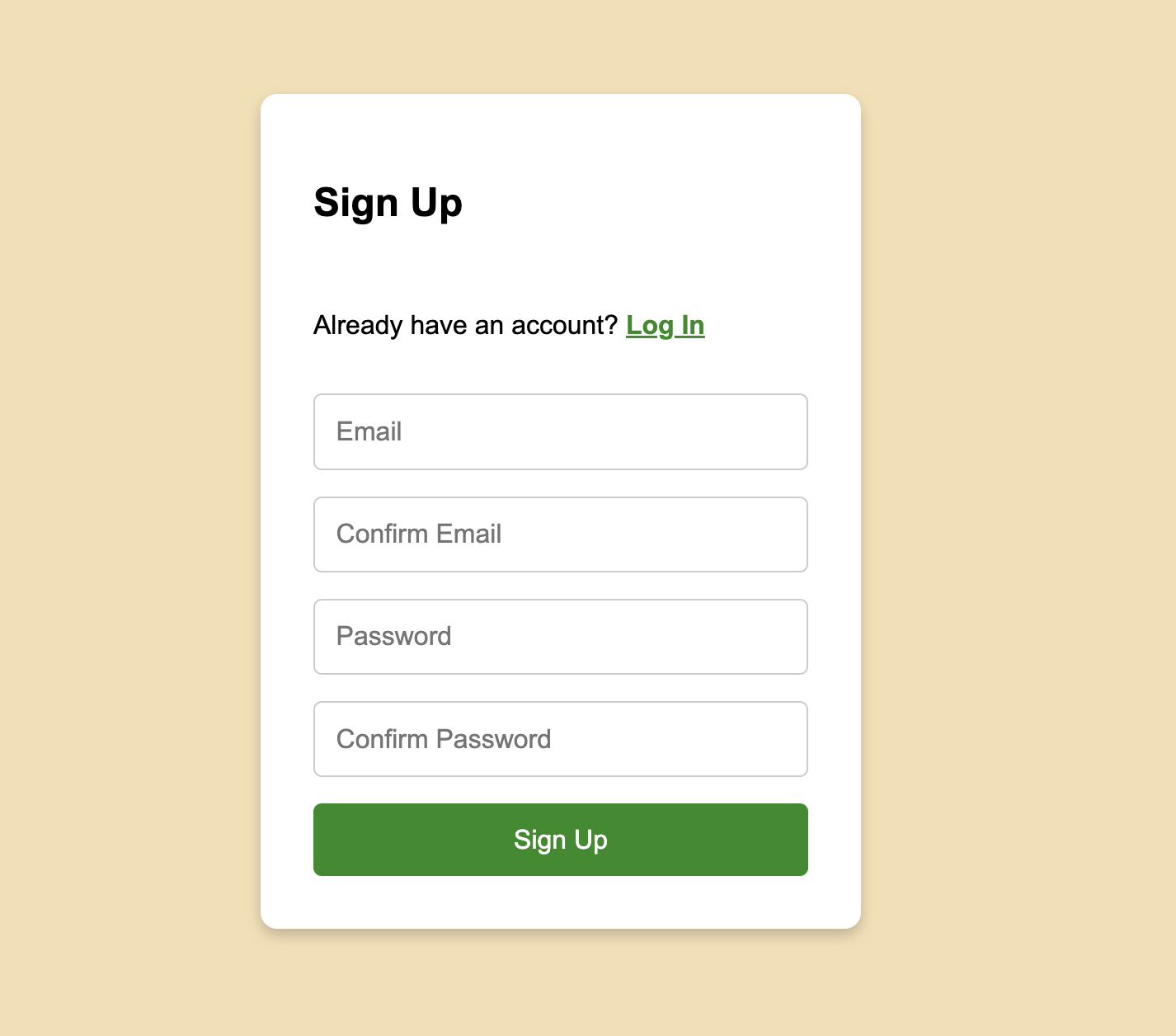
Login/Sign up page
-
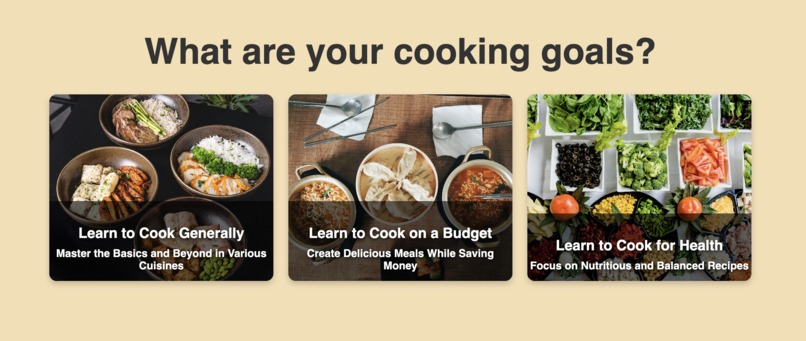
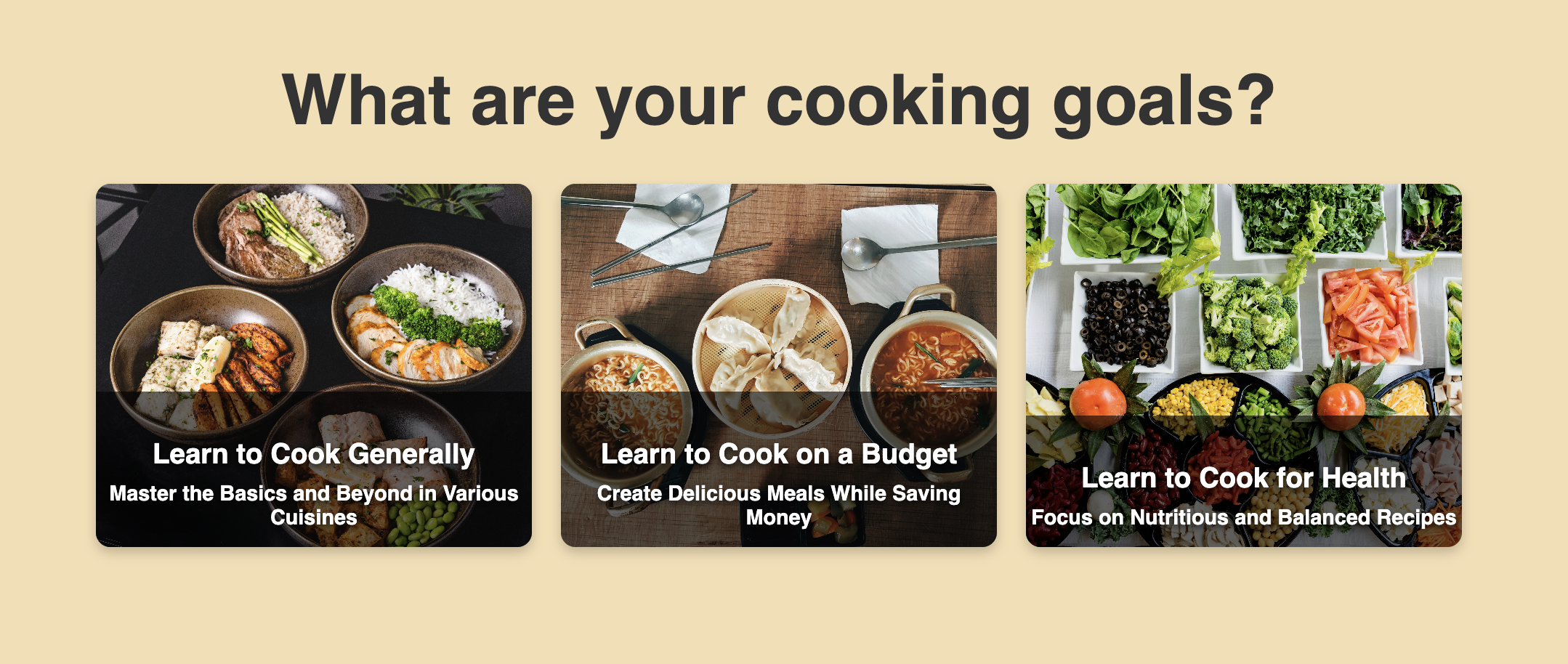
Cooking goals page for users to note their cooking preferences
-
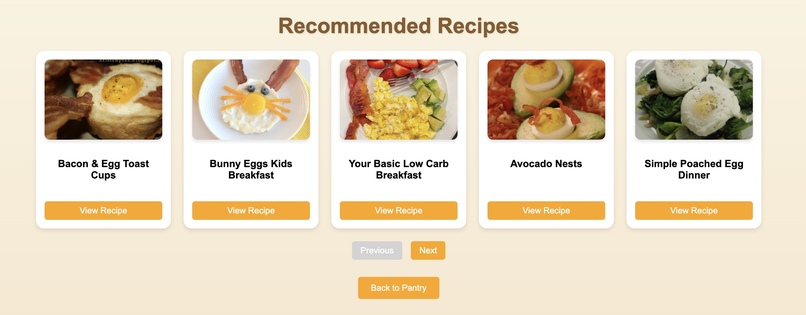
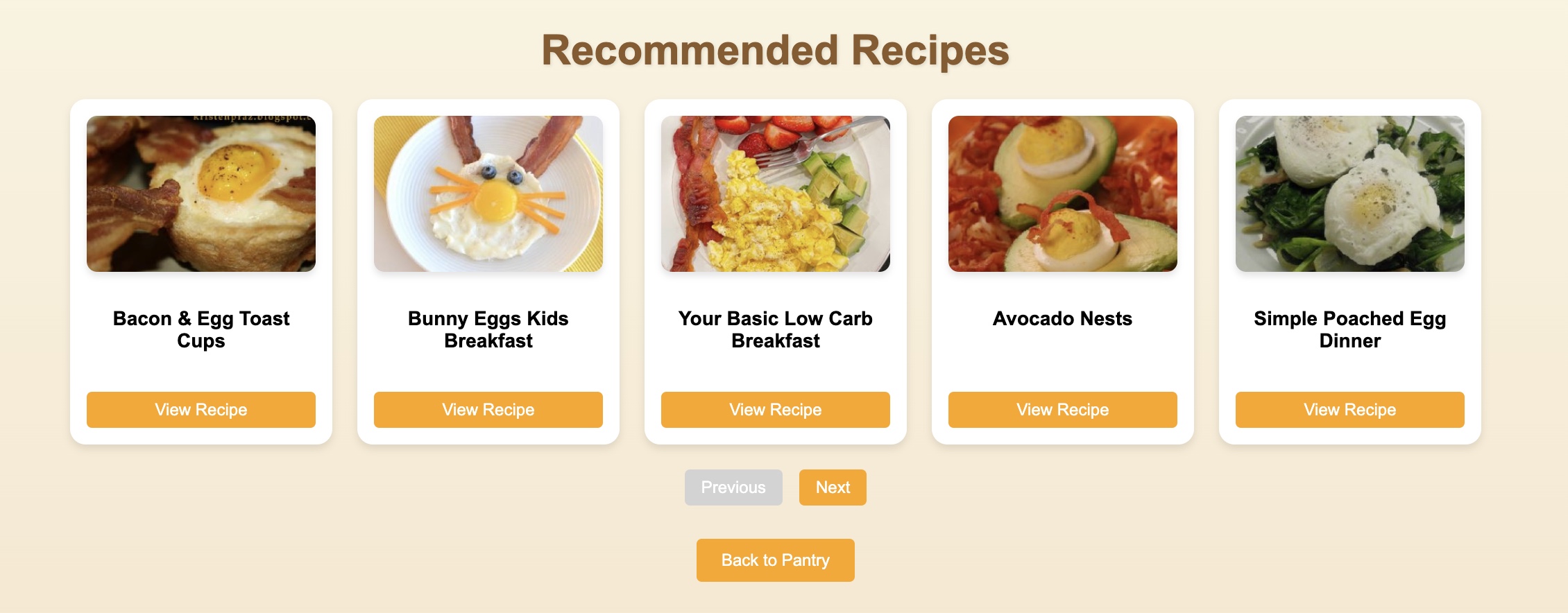
Recipe page output when inputting "egg" and "bacon" to pantry list
-
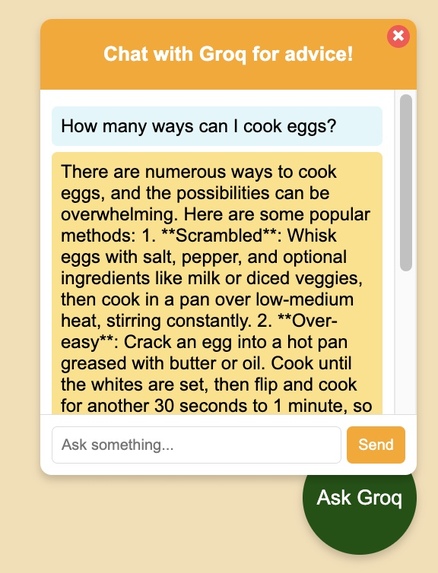
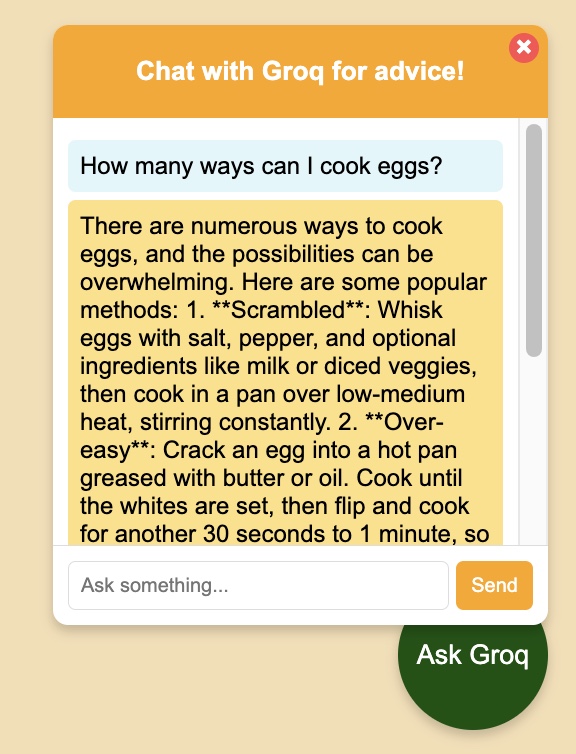
Groq API chatbot assistance featured on recipes page
Inspiration
Moving away from home for the first time for college exposed us to hardships of cooking with minimal experience, ingredients, or both. Searching through websites and social media posts for recipes often felt overwhelming and difficult, recipes were either too complex or required unavailable ingredients. We wanted to cater to the needs of other college students like us that look to make cooking more accessible and efficient.
What it does
Pantry Planner takes ingredients and personal preferences such as types of cuisines and cooking goals to generate recipe suggestions. Our straightforward user-friendly interface helps users discover quick and easy meals that attune to various lifestyles. A chatbot feature is also implemented to assist users further with cooking tips, recipe adjustments, and more.
How we built it
- Frontend: React + Vite in JavaScript, Bootstrap CSS, HTML
- Backend: Firebase and Node.js, Spoonacular API & Groq API
Challenges we ran into
Merging complications, time constraints with learning new tech stacks, cost barriers with various APIS, mounting issues in React.
Accomplishments that we're proud of
Successfully developing full stack application within 36 hours during our first hackathon, integration of Groq API with chatbot features, embracing failures with multiple setbacks in debugging and merging issues.
What we learned
This project was a full crash course in full stack development, learning and honing our skills using React and Vite with Javascript. We gained hands on experience and knowledge on building and merging connections between the frontend to backend, enhancing our abilities in attempting to create a user focused application.
What's next for Pantry Planner
Transitioning from Javascript to TypeScript for code scalability and UI/UX design refining, implementing more features such as achievements and friends list to gamify user experience and share recipes to encourage engagement with webpage.

Log in or sign up for Devpost to join the conversation.