-
-
Presentation thumbnail
-
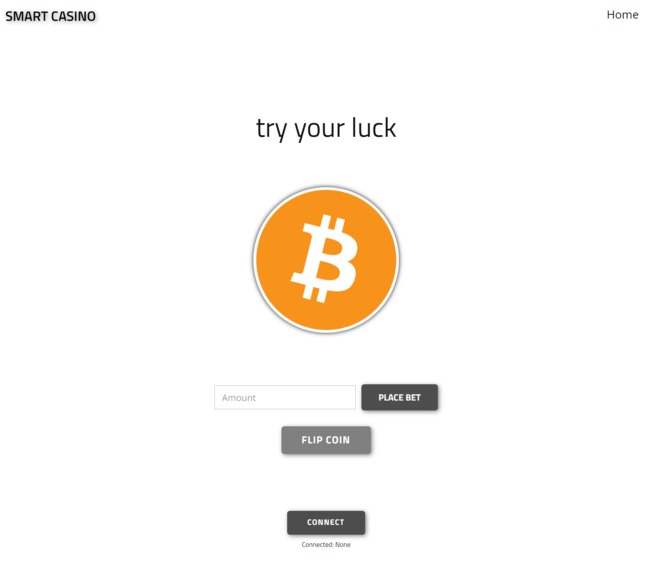
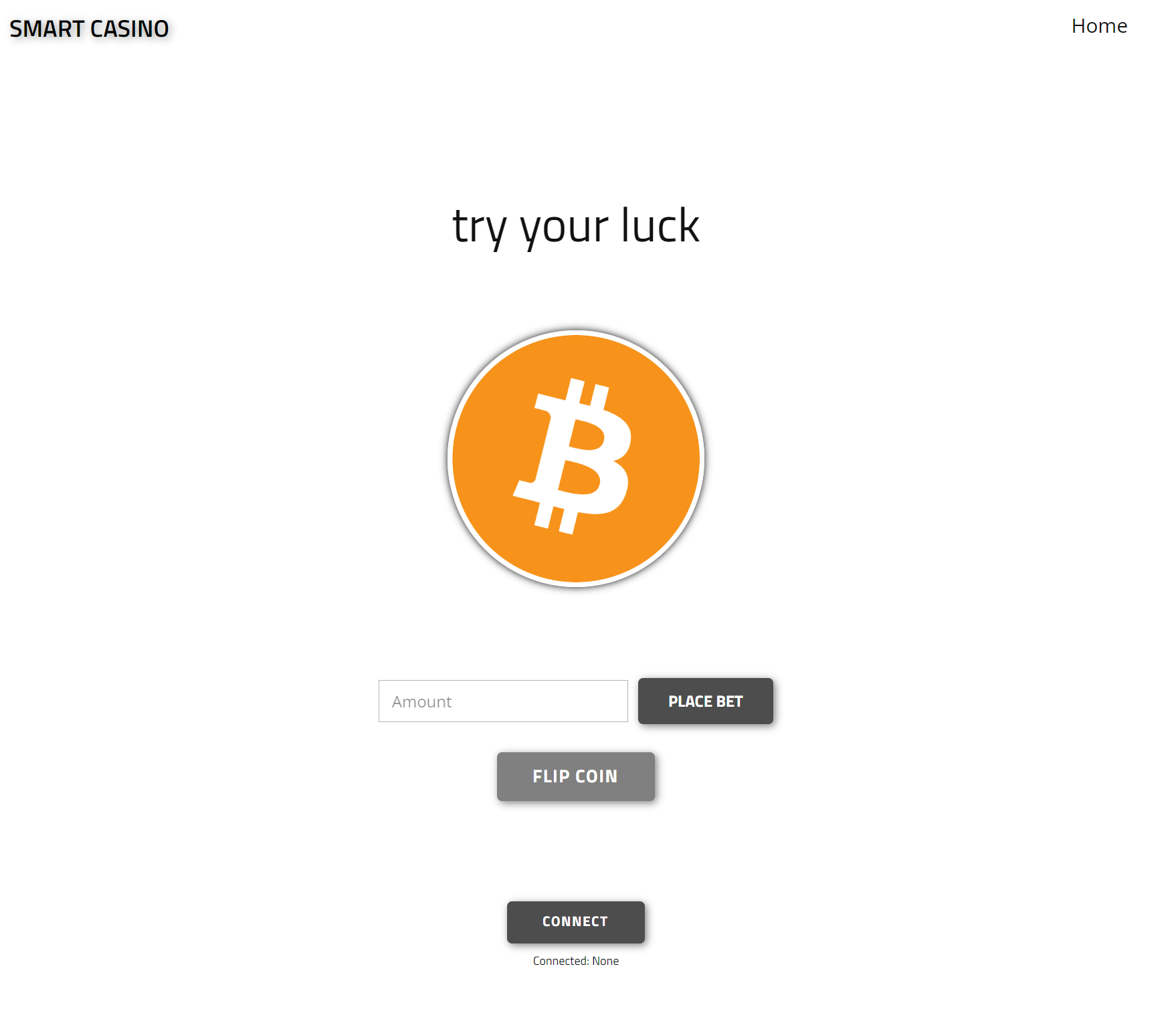
Example coin flip game
-
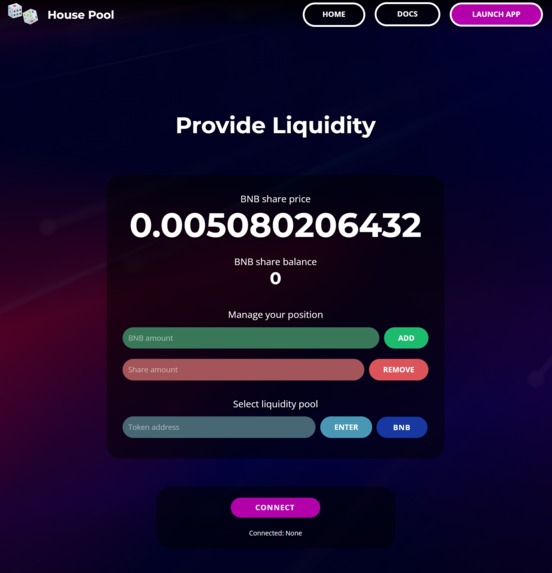
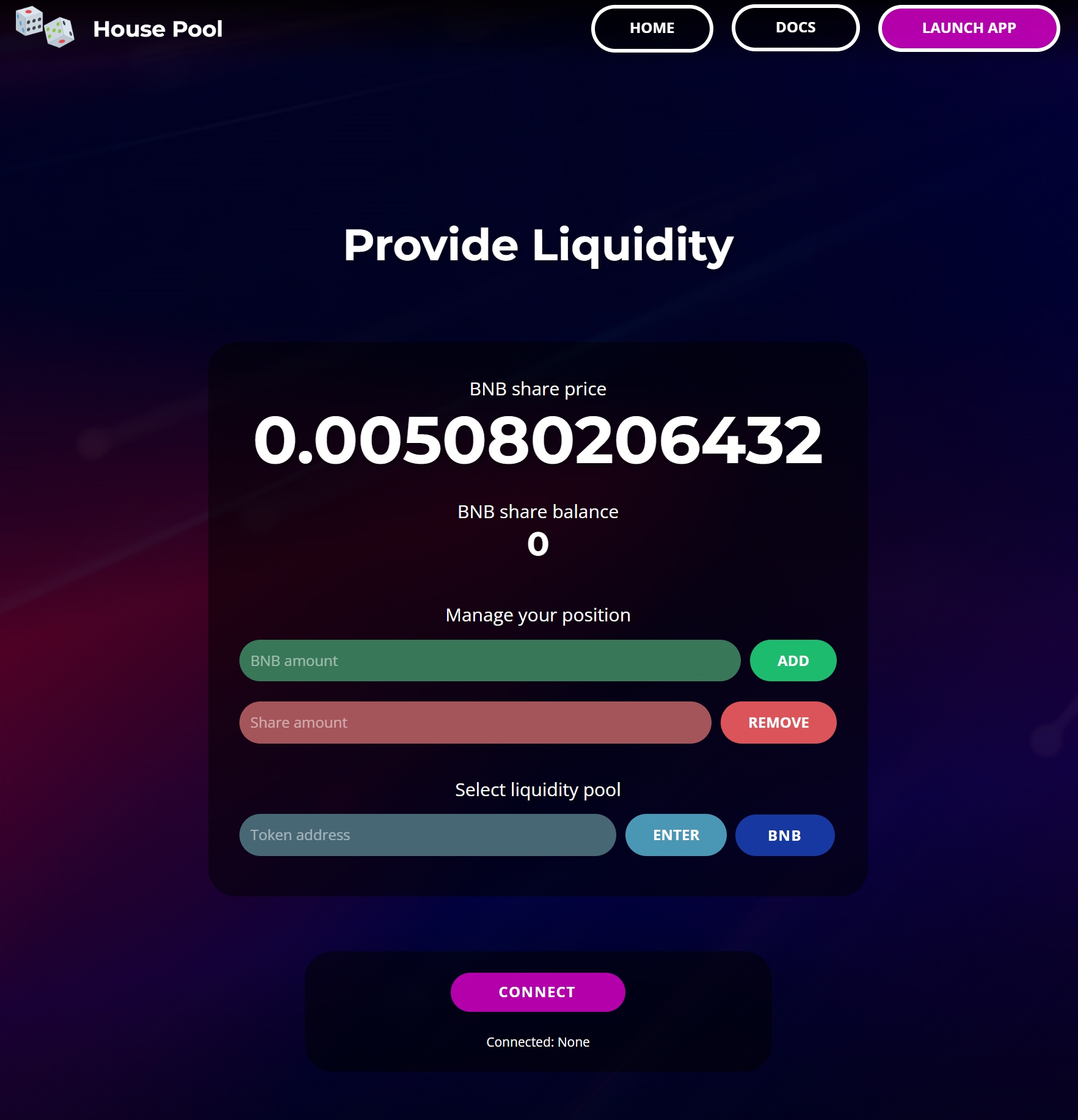
Liquidity providers page
About House Pool
Inspiration
A decentralized casino has also been an interesting idea to me. The public, and secure nature of blockchain seemed like the best place to host the world’s most transparent, and fair casino and betting games.
At the beginning of the hackathon, I stared just wanting to build a slot machine, and roulette smart contract using VRF, with some basic front end. But they would just be a proof of concept, I’d never be able to get enough tokens to fund these contracts so I could deploy them and pay out winning users. So, the idea of a decentralized ‘house’ for these games occurred to me. What if I allowed anyone to fund the contracts and start earning rewards from the roughly one percent house edge the games required.
And then it hit me, what if I built a liquidity pool that let ANYONE build their own games, just like I had wanted. To me this seemed like a real hurdle I’d be helping developers get over. No more begging for tokens to fund contracts, just focus on building a fun, interesting betting/gaming smart contract, and let House Pool do the rest!
What it does
House Pool is a decentralized liquidity pool. Liquidity providers add tokens to the pool, and these tokens are then used by developers to build smart contracts that wager on the outcome of a random number generated by Chainlinks VRF.
A winning bet withdraws tokens from the pool and pays the bet requestor. A losing bet deposits tokens, and those tokens are paid to the liquidity providers.
How we built it
House Pool was built using blood sweat and tears, lots of late nights and cups of coffee.
Most of the smart contract development was done using the Remix IDE, and testing on the BSC testnet.
Due to the time constraints of the hackathon, no time could be spared to do proper testing for vulnerabilities or logical errors in the House Pool contract. So almost all time during the hackathon was used to write the smart contract code, and front-end website for House Pool, and the example coin flip game.
Challenges
The biggest challenge during this hackathon was moving to the next milestones. It became too easy to just sit programming the House Pool contract, when I should have moved onto the front end, and submission documents way earlier.
As well, being a solo dev, and not having too much experience with web development, building out a front end for the project, and making it look presentable was very difficult.
Accomplishments
I’m so happy to have just completed the project within the hackathon deadline, and although I had to cut a lot from the project, having a working contract and frontend is so satisfying!
But the most gratifying accomplishment is I really feel I have built a project that can be used by other developers just like me, to build their own dApps.
Lessons
The biggest lesson from this experience is learning to consolidate a project to its core, distilling it to the most valuable functionality, and just focusing in on that.
I also learned the value of saying, ‘good is good enough’. Especially when given a time constraint like during this hackathon. Reminding myself that the project just had to work, it didn’t have to be perfect was invaluable to getting finished on time.
The Future of House Pool
The future for House Pool is getting the contract audited and optimising the gas fees. From there, deploying to mainnet so developers can start deploying, and earning from their contracts that integrate with House Pool.
My ideal vision for House Pool, is to see it as a widely used protocol for gaming and betting smart contracts.
It would make me so happy to have a complete ecosystem of developers using, and building with House Pool to develop amazing, and unique smart contracts!


Log in or sign up for Devpost to join the conversation.