-
-
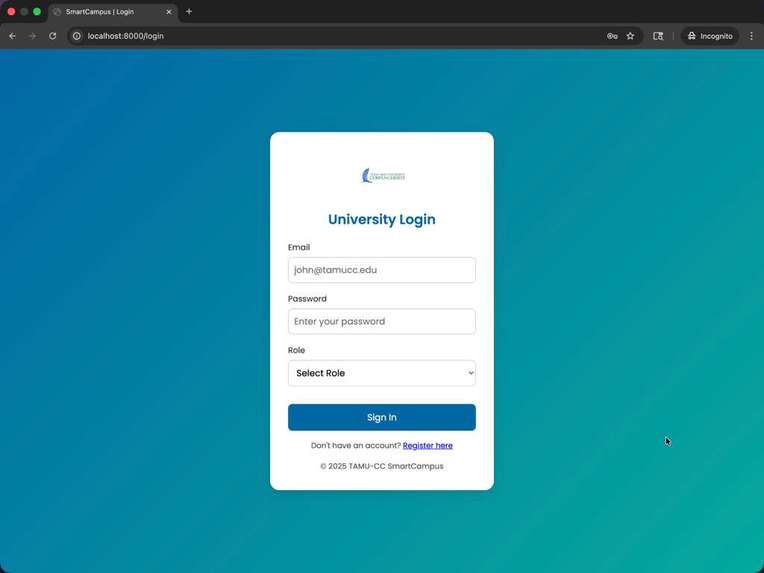
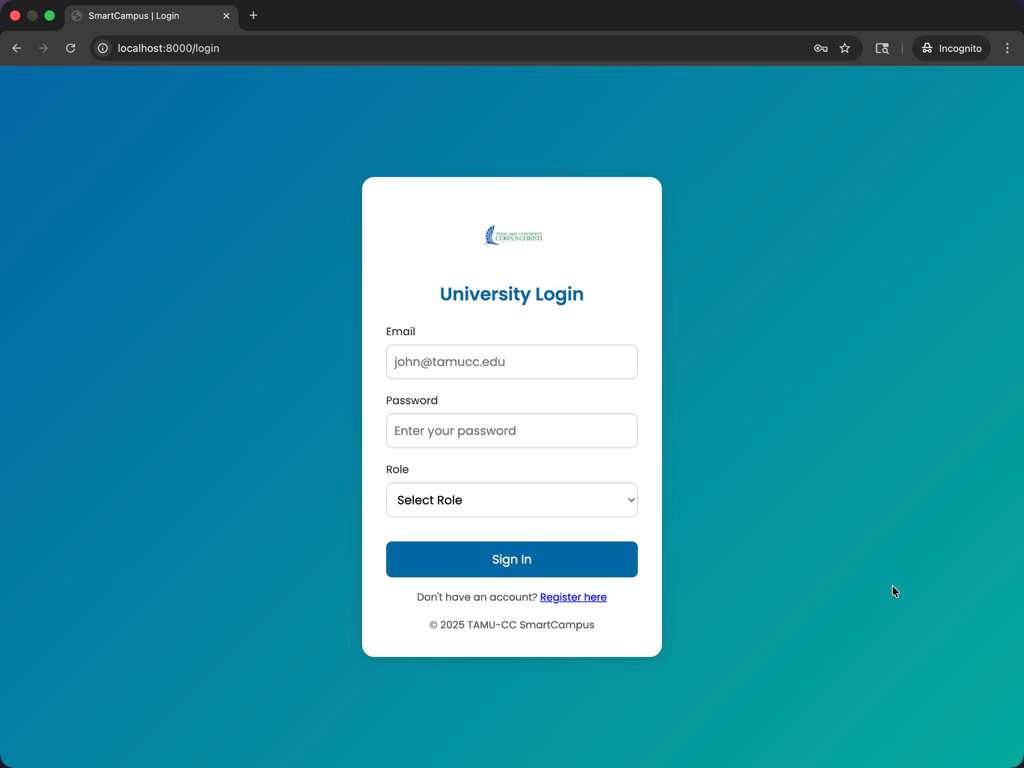
Login Page
-
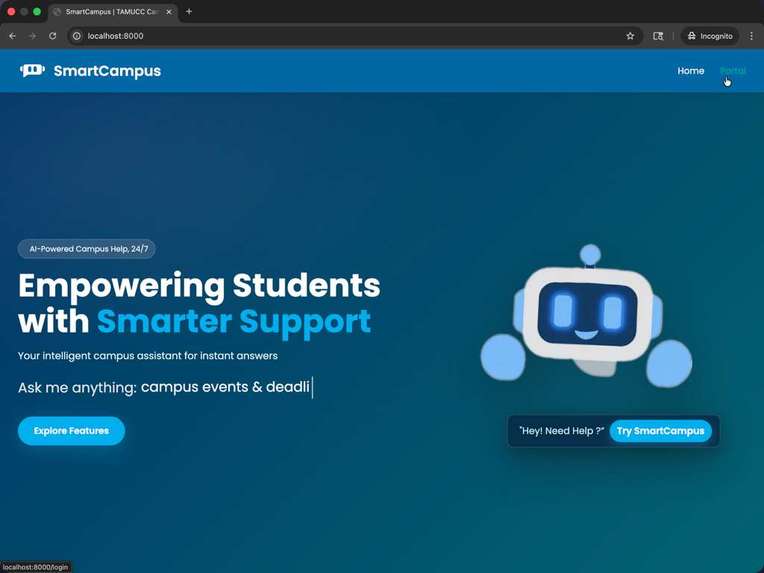
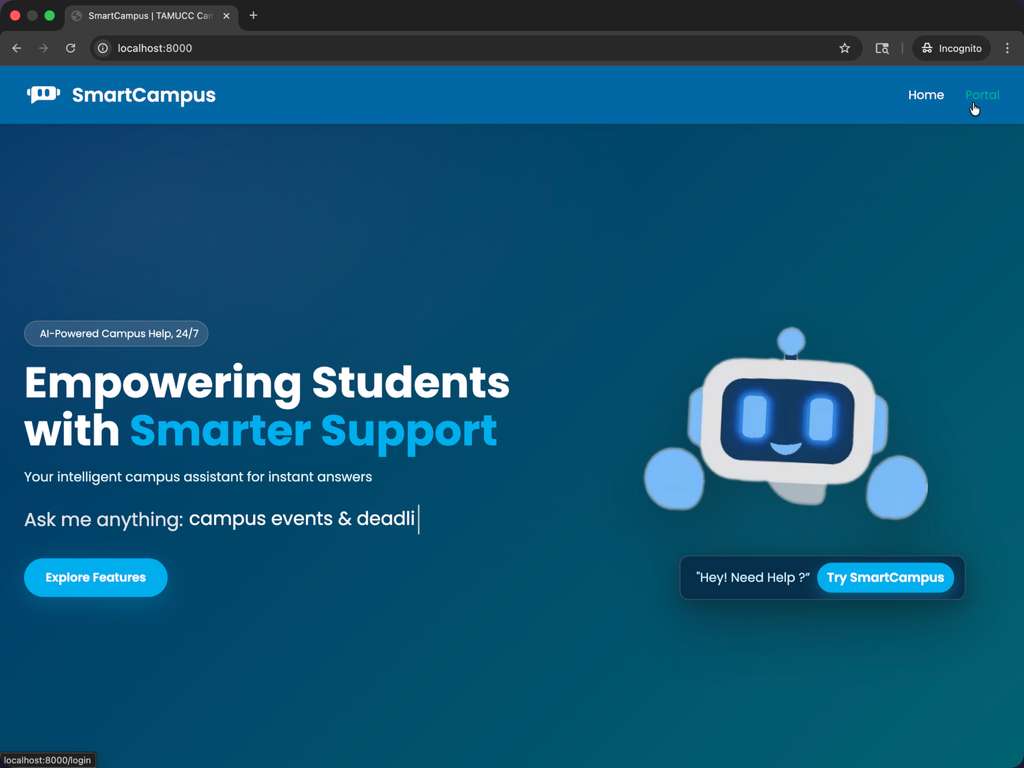
Landing Page
-
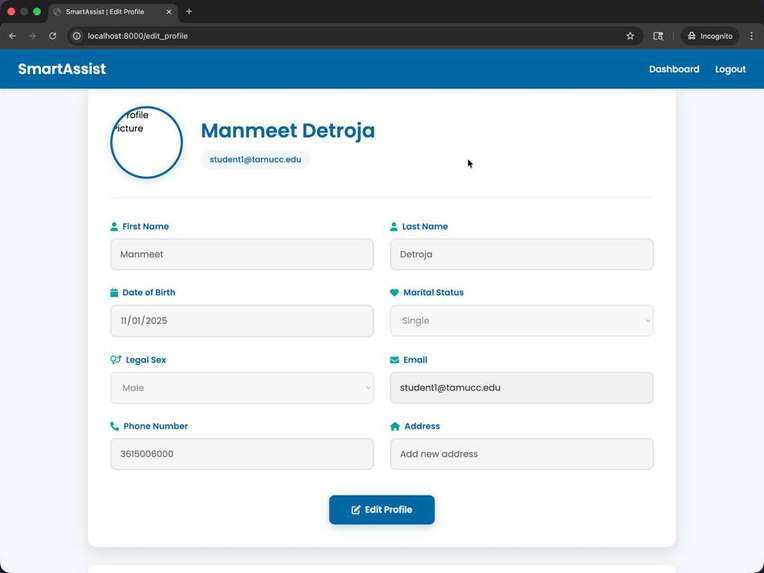
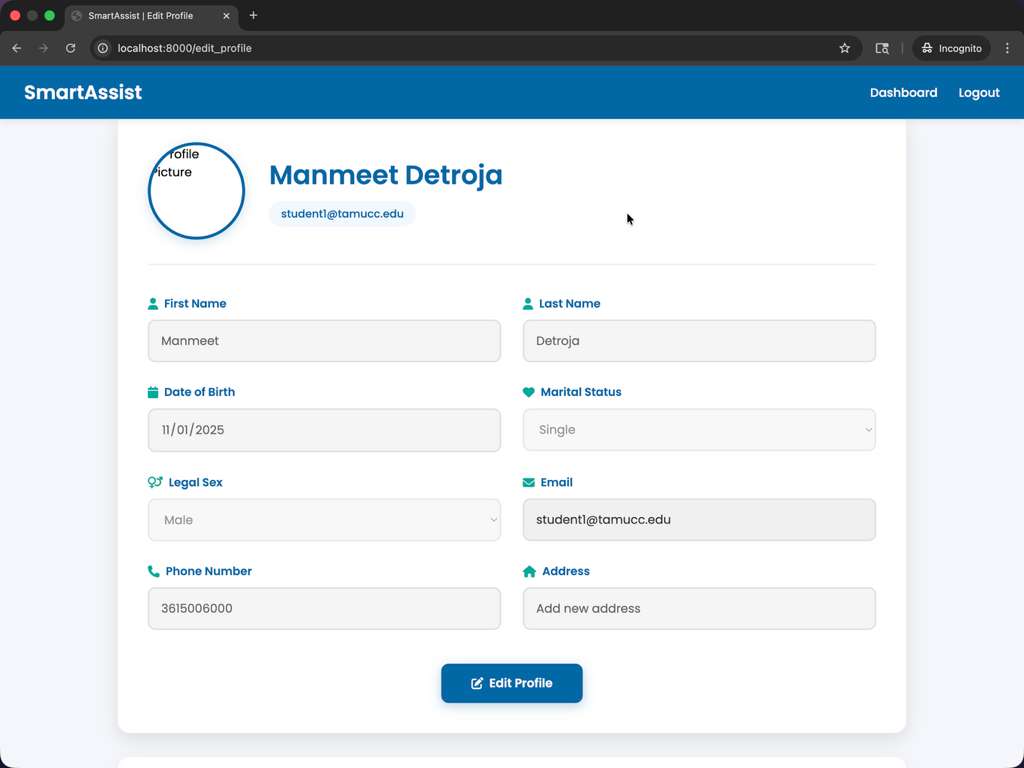
Profile Page
-
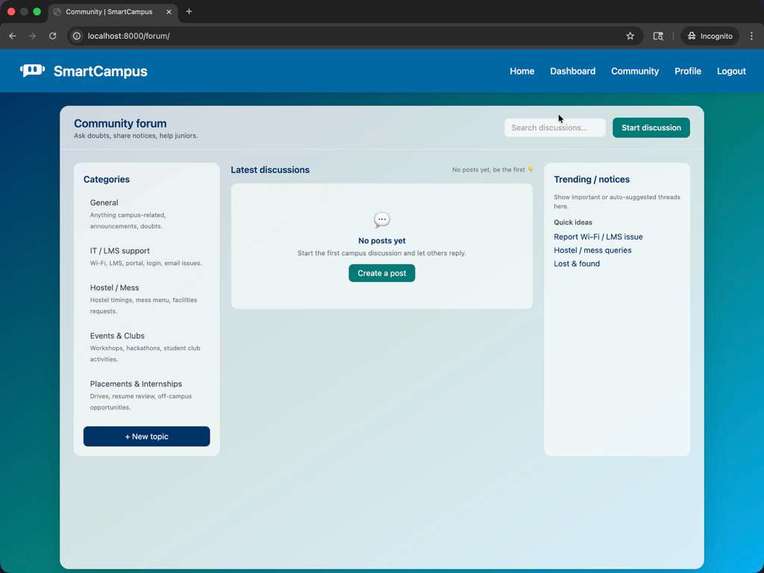
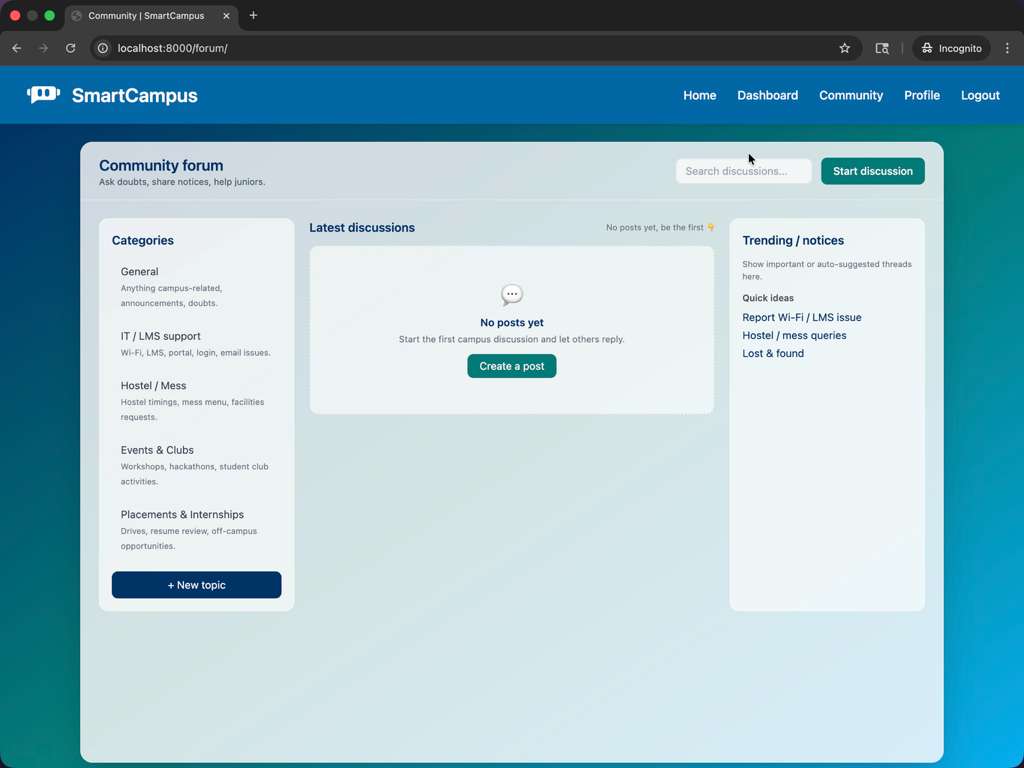
Community Forum
-
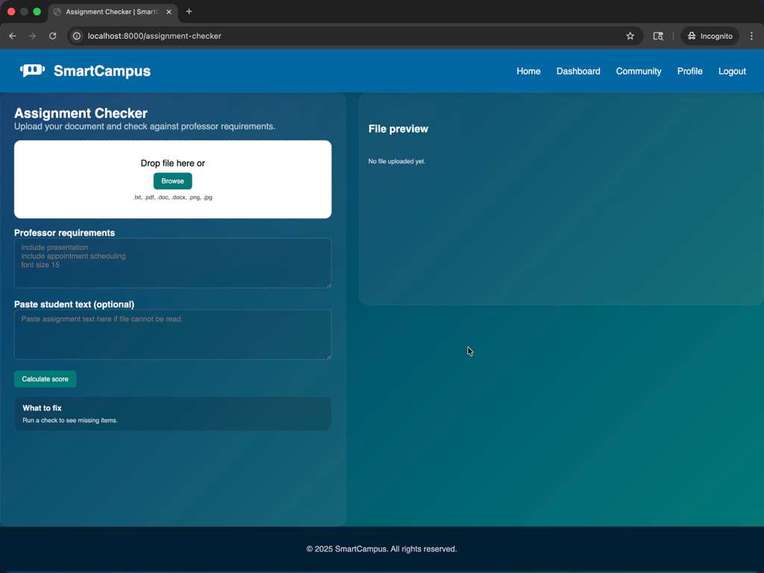
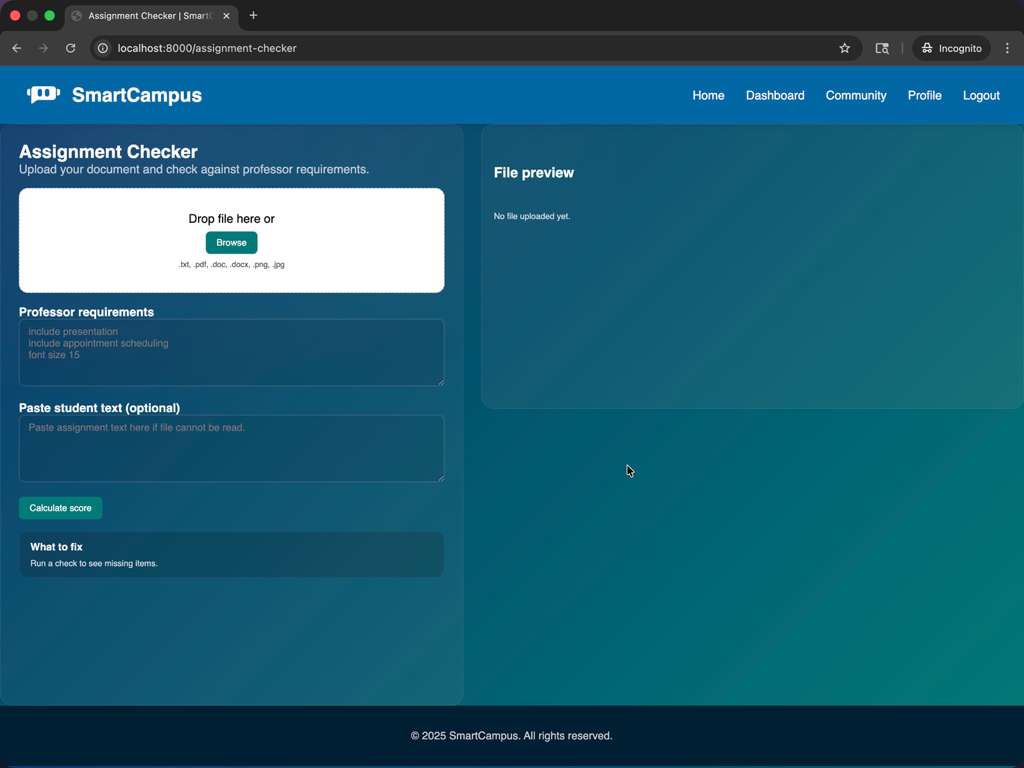
Assignment Checker
-
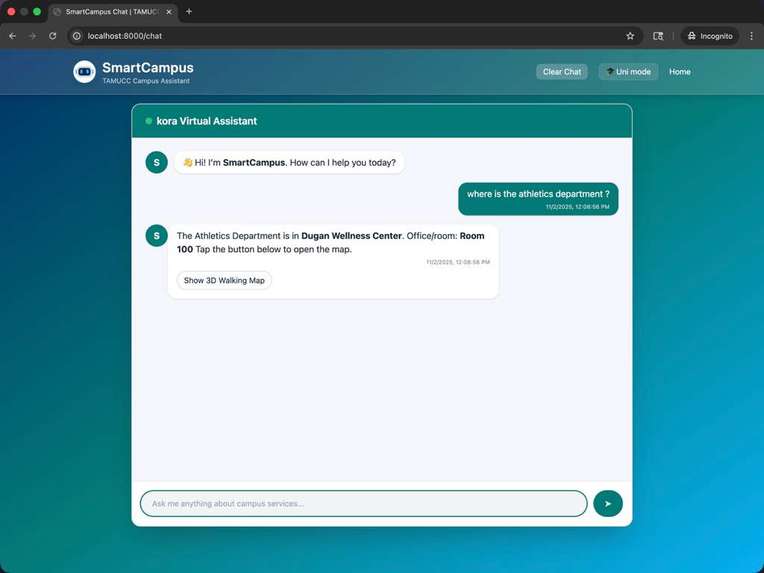
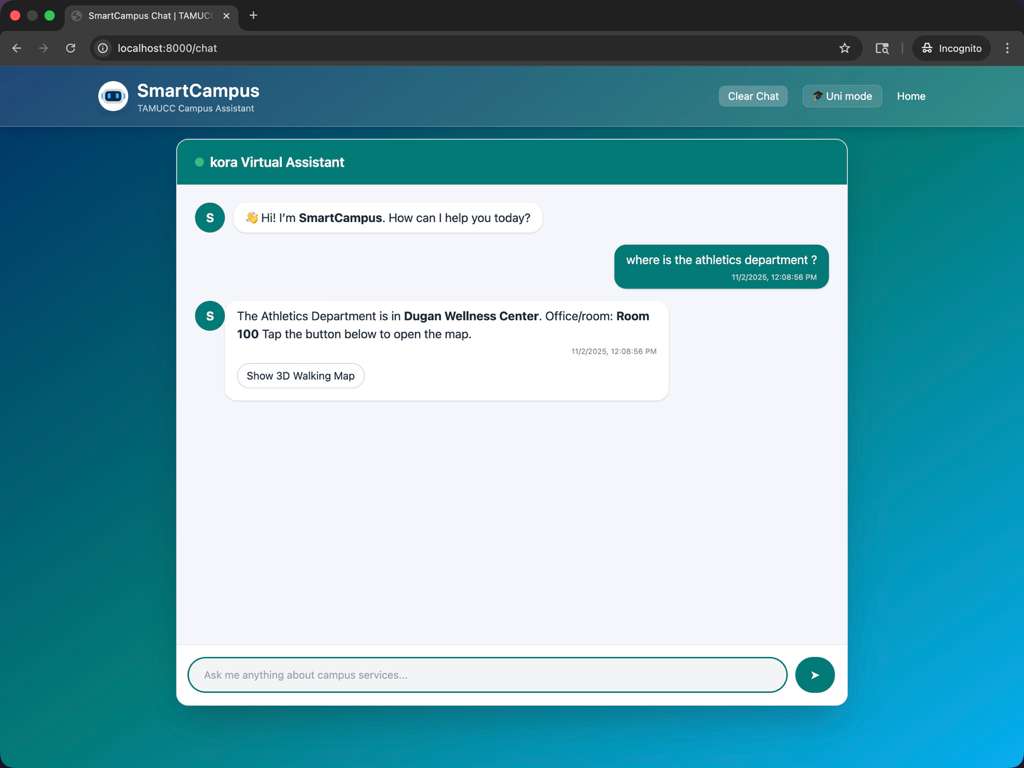
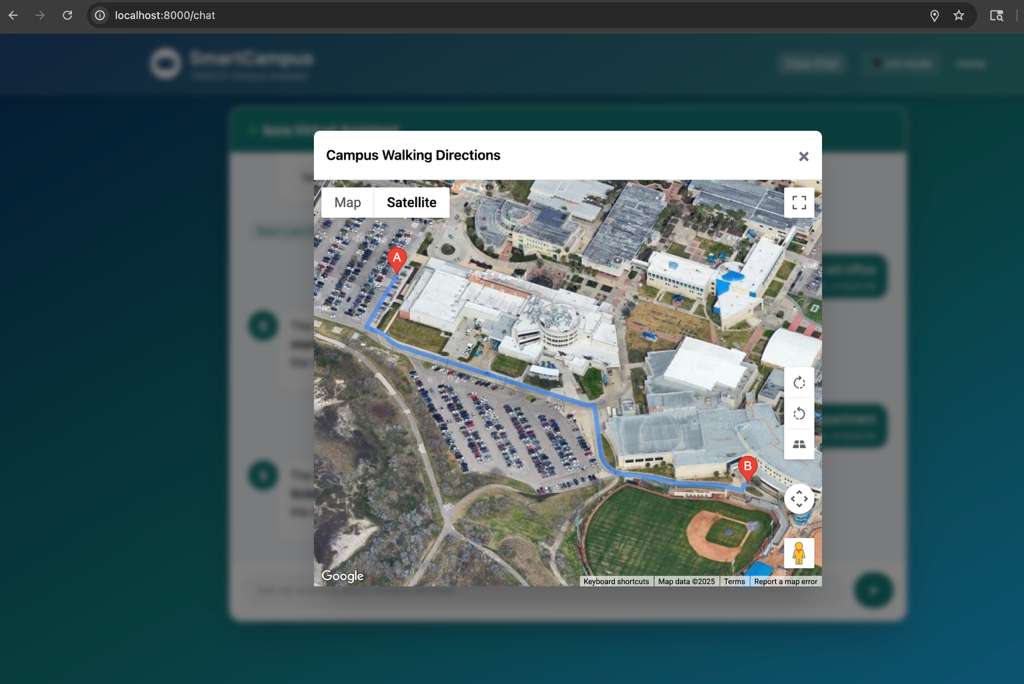
chatbot used for getting directions
-
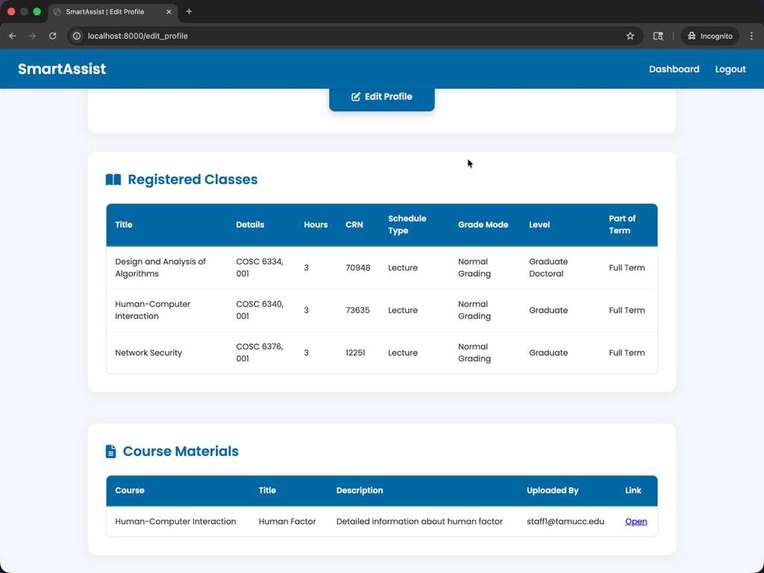
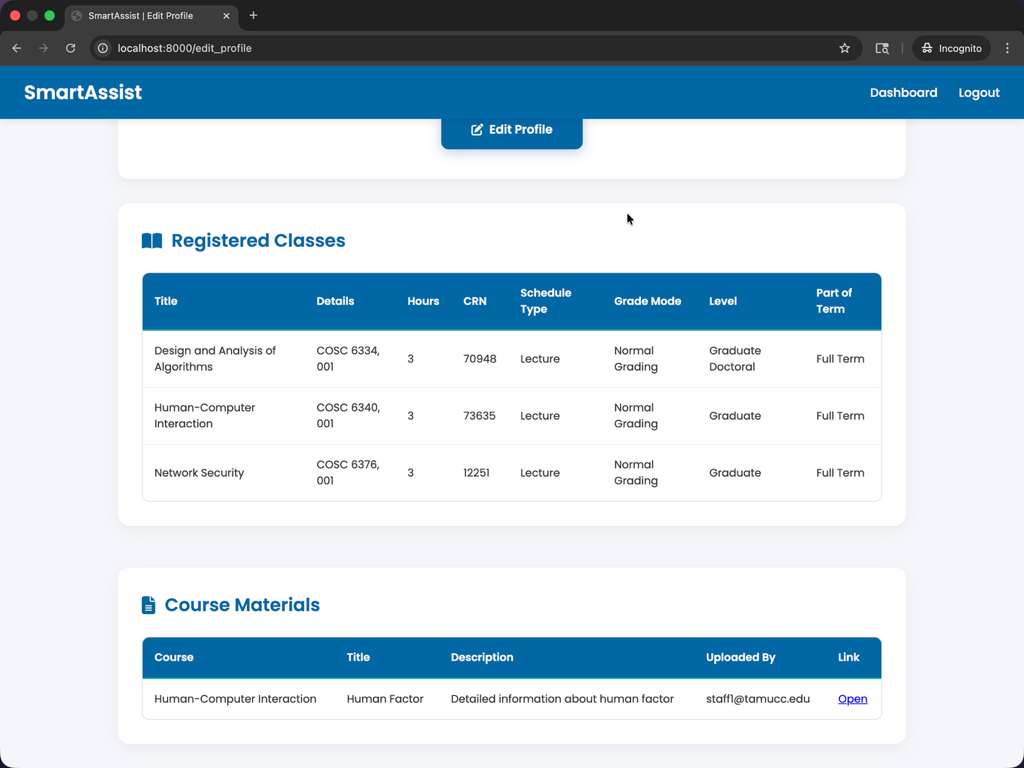
Student Registered in classes
-
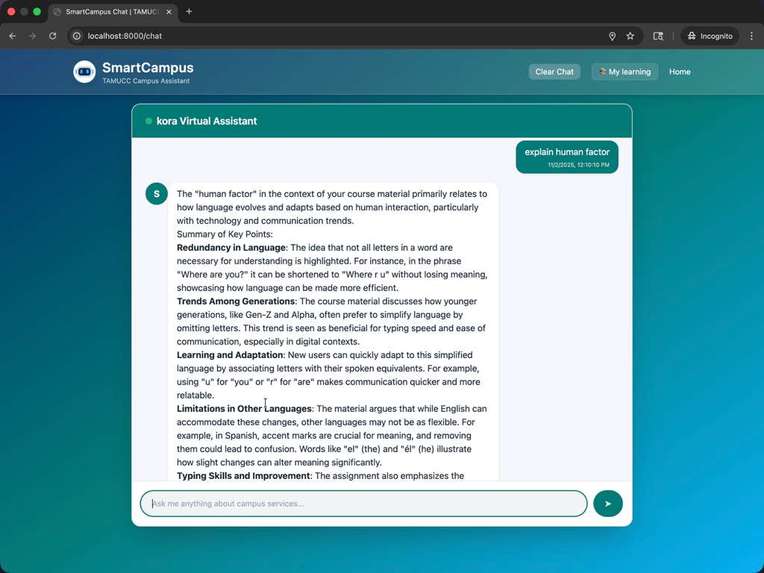
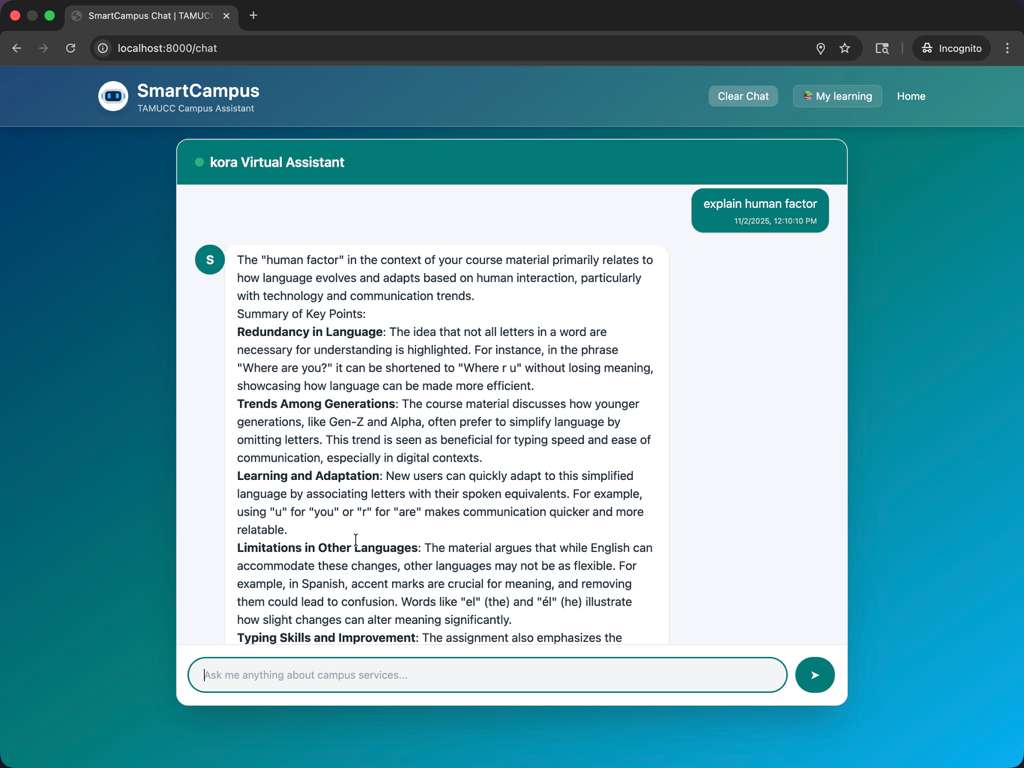
Chatbot used for learning
-
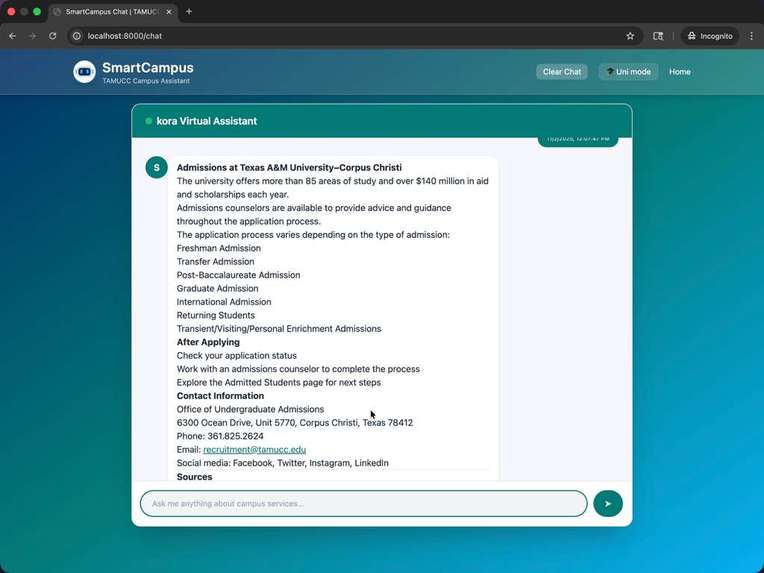
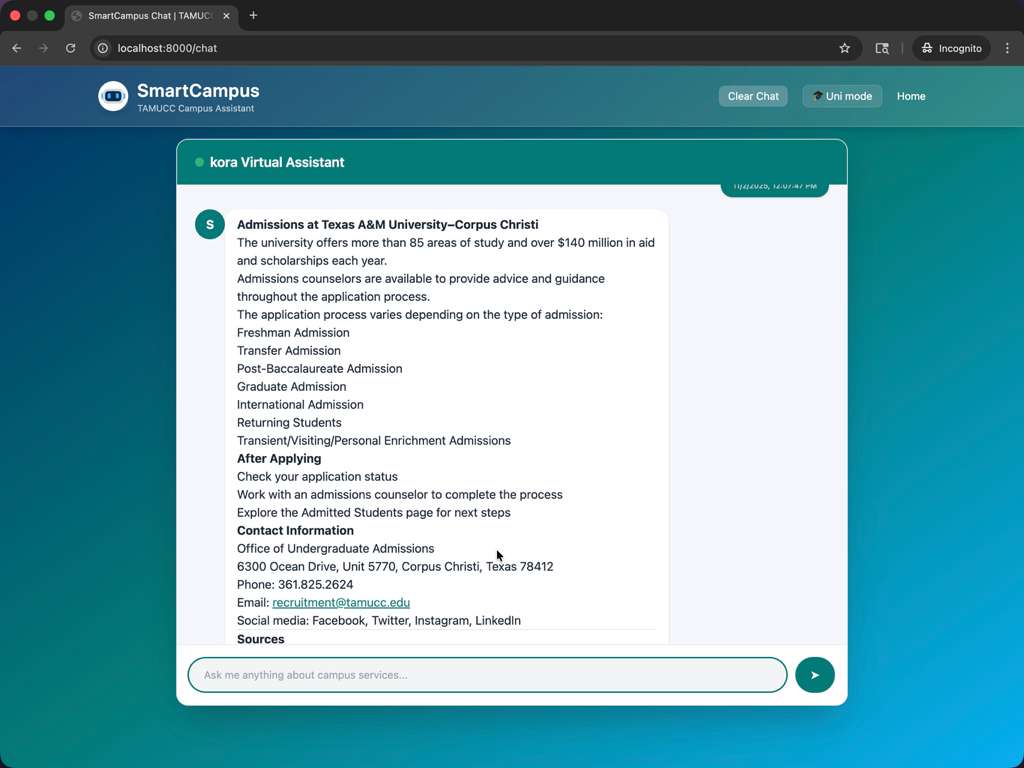
chatbot used for getting university related details
-
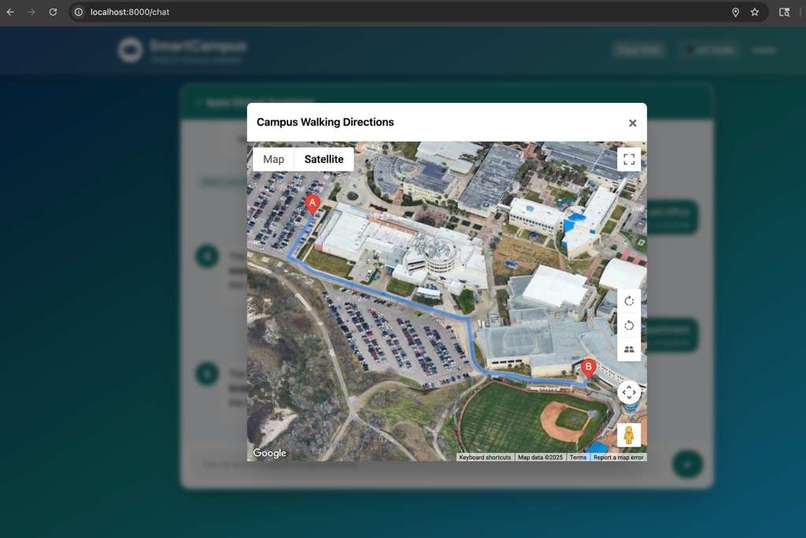
system showing direction to specific location using chatbot knowledge
-
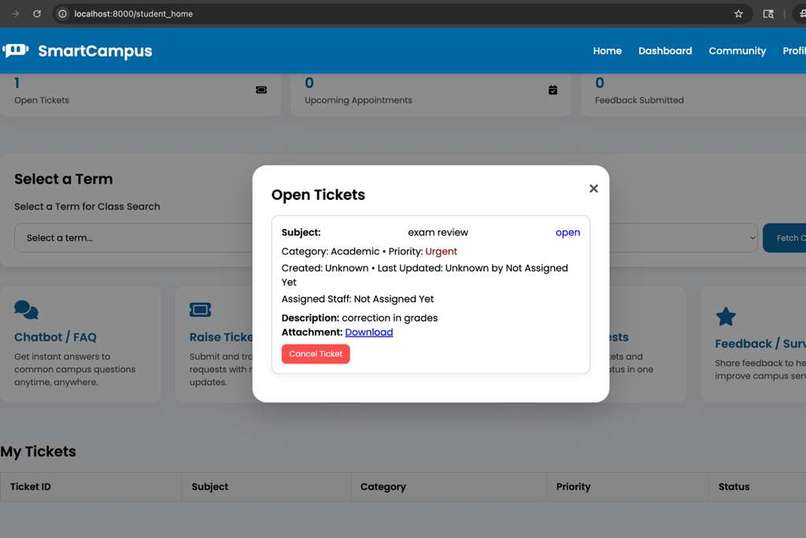
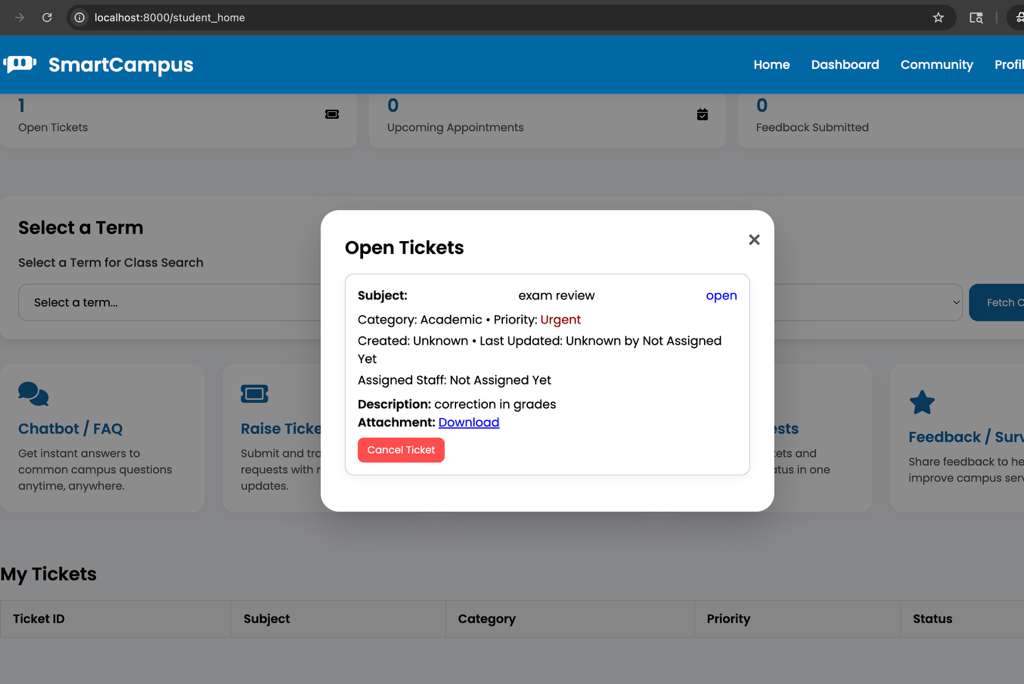
Student raising ticket
-
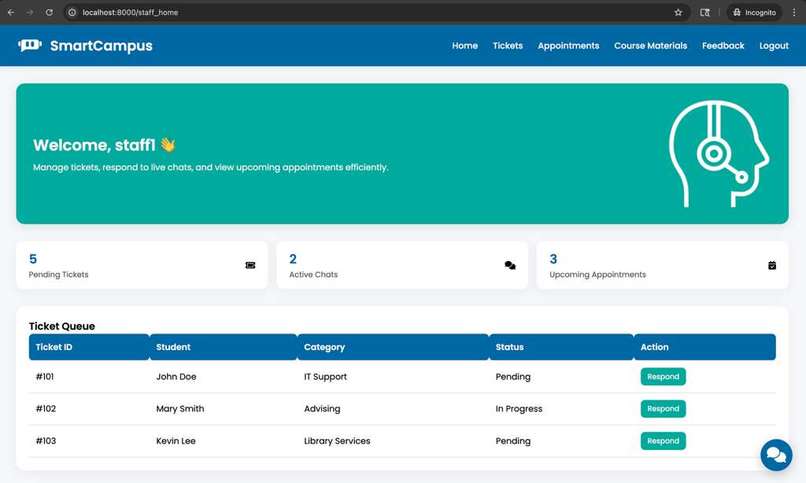
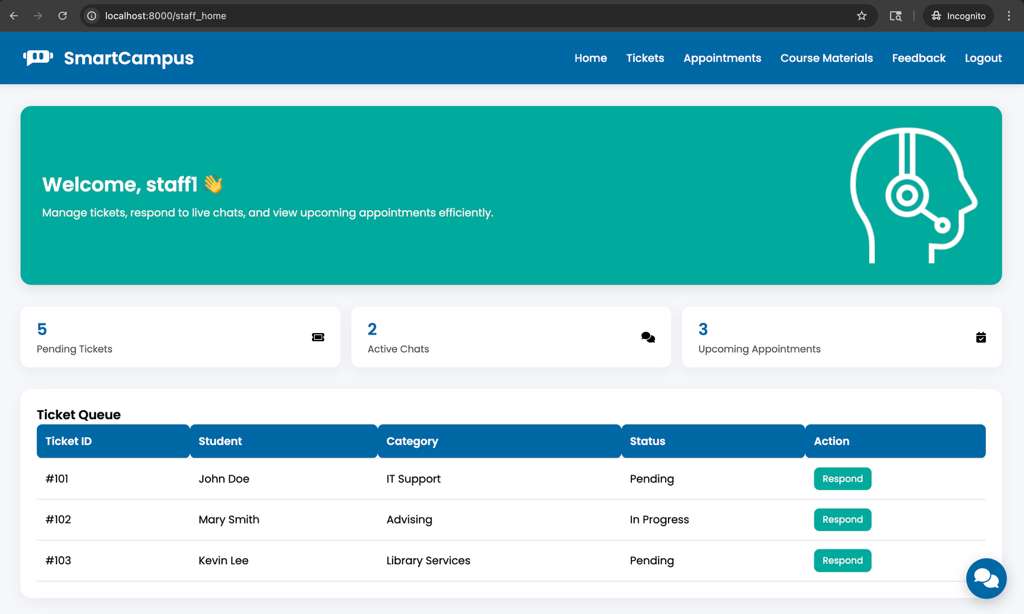
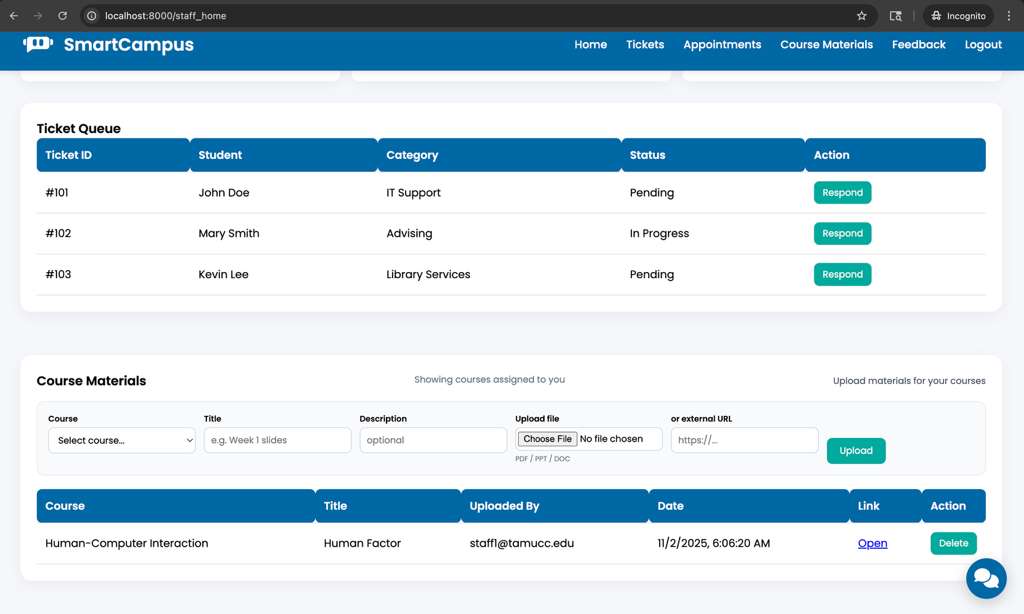
list of ticket from staff side
-
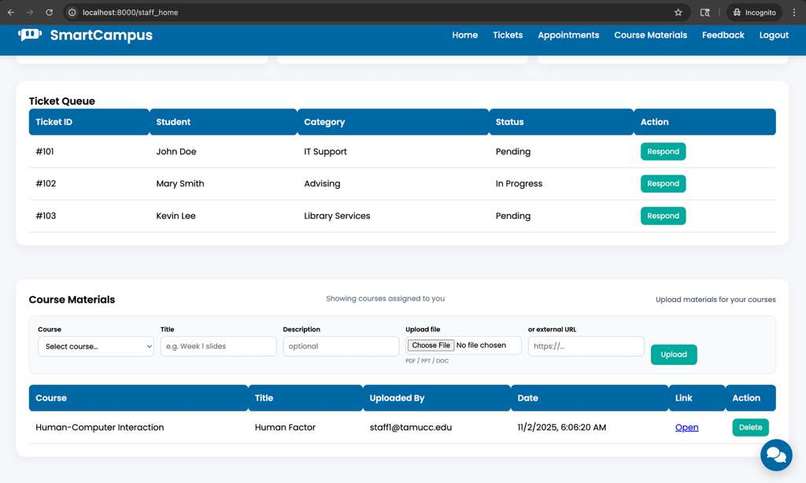
staff can upload course materials
-
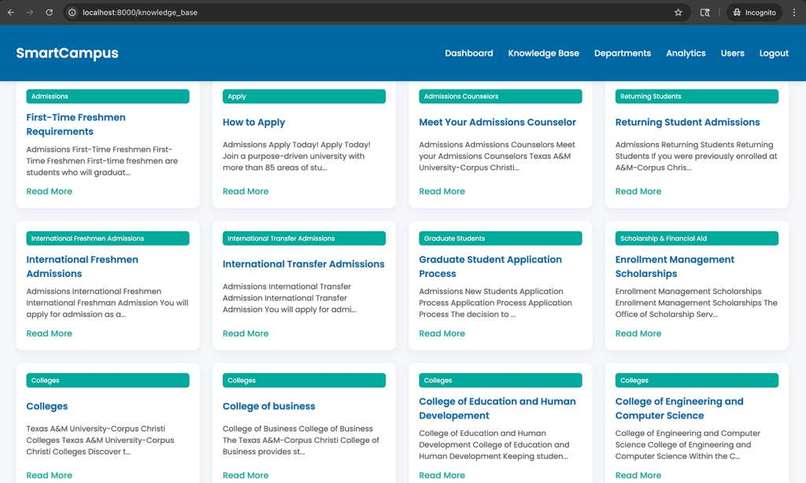
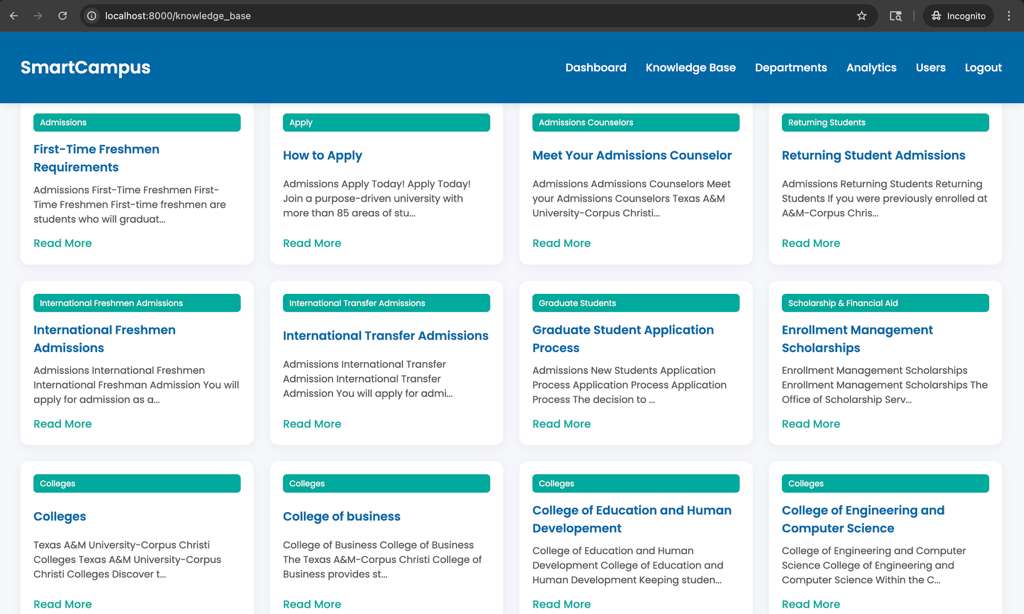
Current Knowledge base of chatbot
-
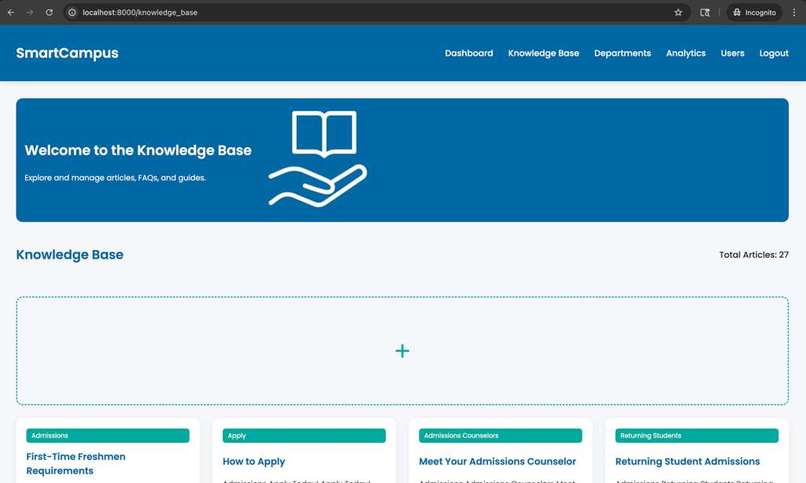
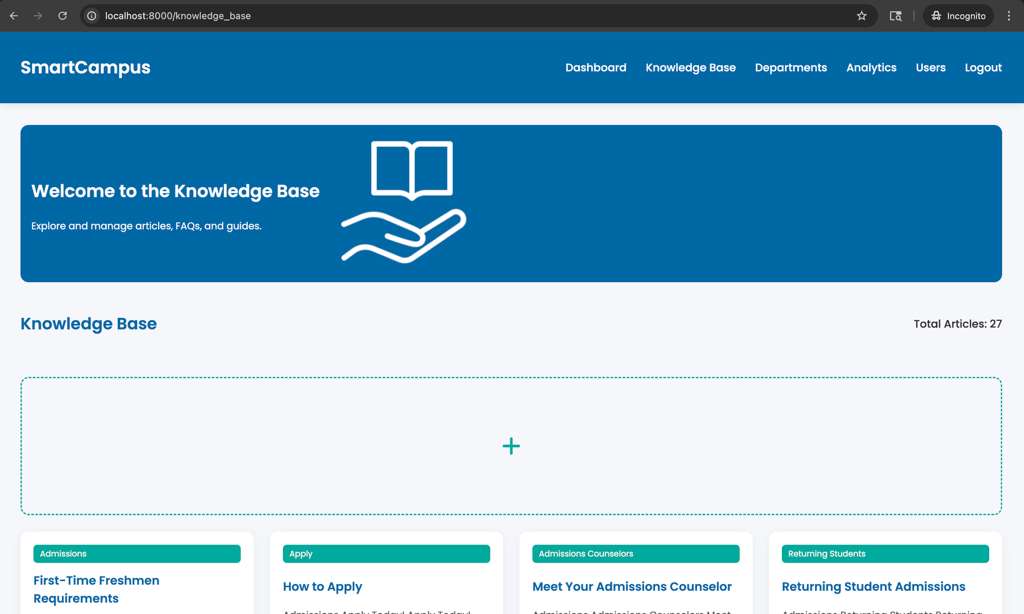
Admin can expand knowledge base of chatbot
-
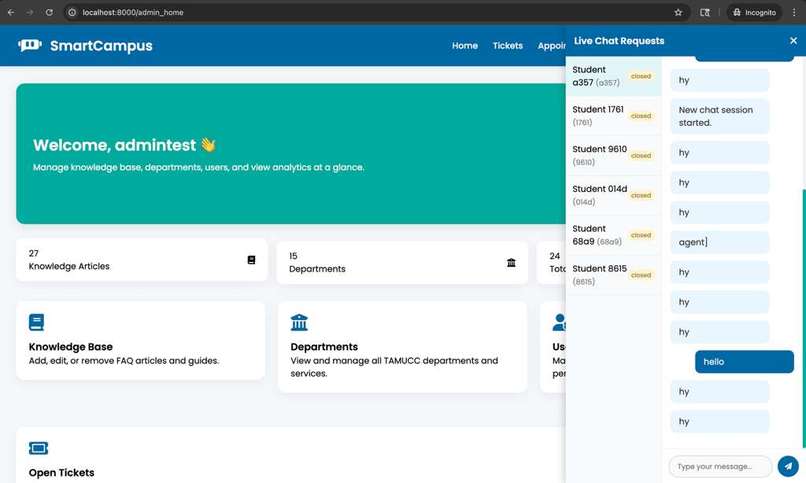
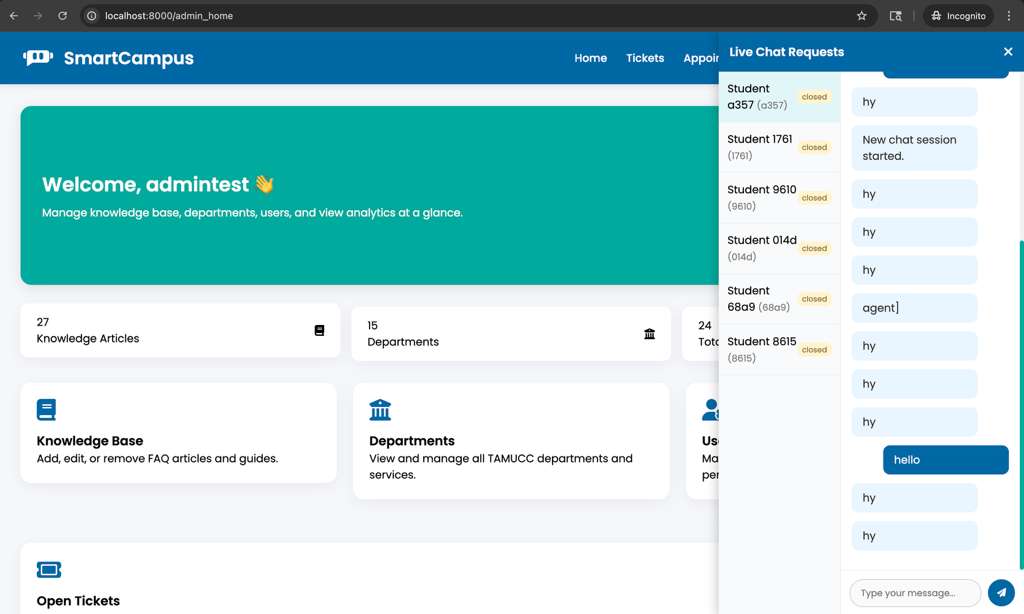
Live chat for student with admin
Inspiration
Universities often rely on multiple disconnected systems for student queries, appointments, and services. We wanted to create a smart, unified assistant that makes campus life easier — helping students get information, better learning with chatbot, and navigate the university efficiently, all in one place.
What it does
SmartCampus is an AI-driven campus assistant that simplifies daily university operations. It: Answers student and staff queries using an AI-powered chatbot. Allows students to book and manage appointments with faculty. Provides campus navigation and building information. Lets administrators manage service requests and view analytics. Offers a responsive, user-friendly interface accessible on any device. In essence, SmartCampus brings together everything students need — instantly and intelligently.
How we built it
We built SmartCampus using: FastAPI (Python) for backend APIs and logic. MongoDB for dynamic, document-based data storage. HTML, CSS, and Tailwind for the responsive web interface. LLM + Retrieval-Augmented Generation (RAG) to handle natural language queries from structured campus data. Docker for easy local deployment and environment consistency. All components communicate seamlessly, ensuring fast response times and modular scalability.
Challenges we ran into
Building a chatbot that provides accurate, context-aware answers across multiple domains (faculty, courses, buildings). Cleaning and structuring campus data for efficient retrieval. Integrating various services (chat, appointments, feedback) into one unified system. Designing an intuitive front-end experience that works across devices.
Accomplishments that we're proud of
Created a working prototype with natural-language query support. Successfully integrated appointment scheduling and service management modules. Developed a clean, responsive interface using Tailwind and modern UI principles. Designed a modular architecture that’s easy to extend and maintain.
What we learned
How to connect AI models and RAG pipelines to real-world datasets. Structuring and cleaning unorganized information for accurate retrieval. Strengthening team collaboration using GitHub, version control, and API testing. The importance of designing user-centric systems that serve both students and staff.
What's next for Smart Campus
Expand chatbot knowledge to cover events, departments, and clubs. Implement voice command and multilingual support. Add faculty-side dashboards for service tracking and reporting. Build a mobile version for Android and iOS. Test deployment on university servers or private clouds for real-world pilots.
Built With
- css
- docker
- fastapi
- figma
- google-maps
- html5
- javascript
- mongodb
- python
- rag

Log in or sign up for Devpost to join the conversation.