-
-
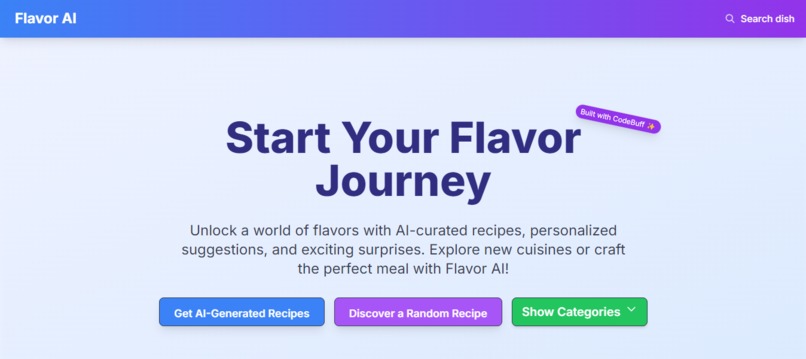
Flavor Ai Homepage
-
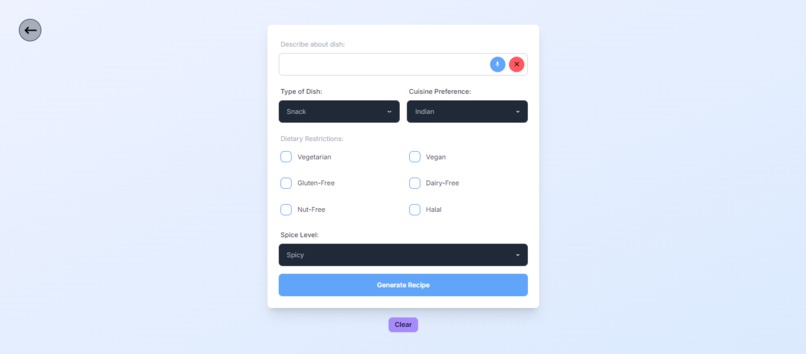
Ai generated Recipes
-
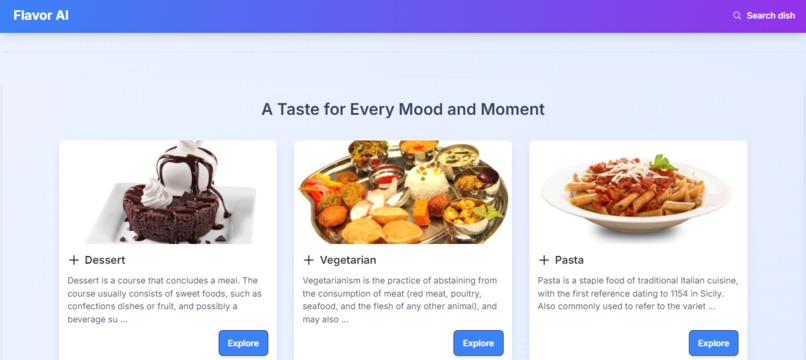
Categories of Dishes
-
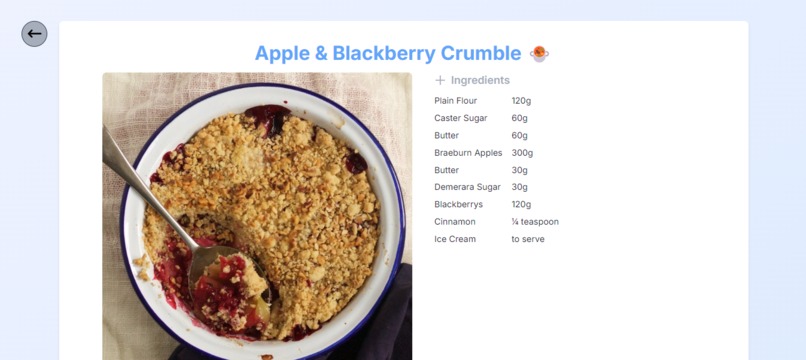
Random Selected Recipes


Flavor AI
Inspiration
The inspiration for Flavor AI came from the everyday challenge of deciding what to cook. Many people struggle with meal planning, finding recipes that match their dietary restrictions, or simply getting creative in the kitchen. I wanted to create a tool that makes cooking more accessible and enjoyable by leveraging AI to provide personalized recipe suggestions.
What it does
Flavor AI is an AI-powered culinary companion that helps users:
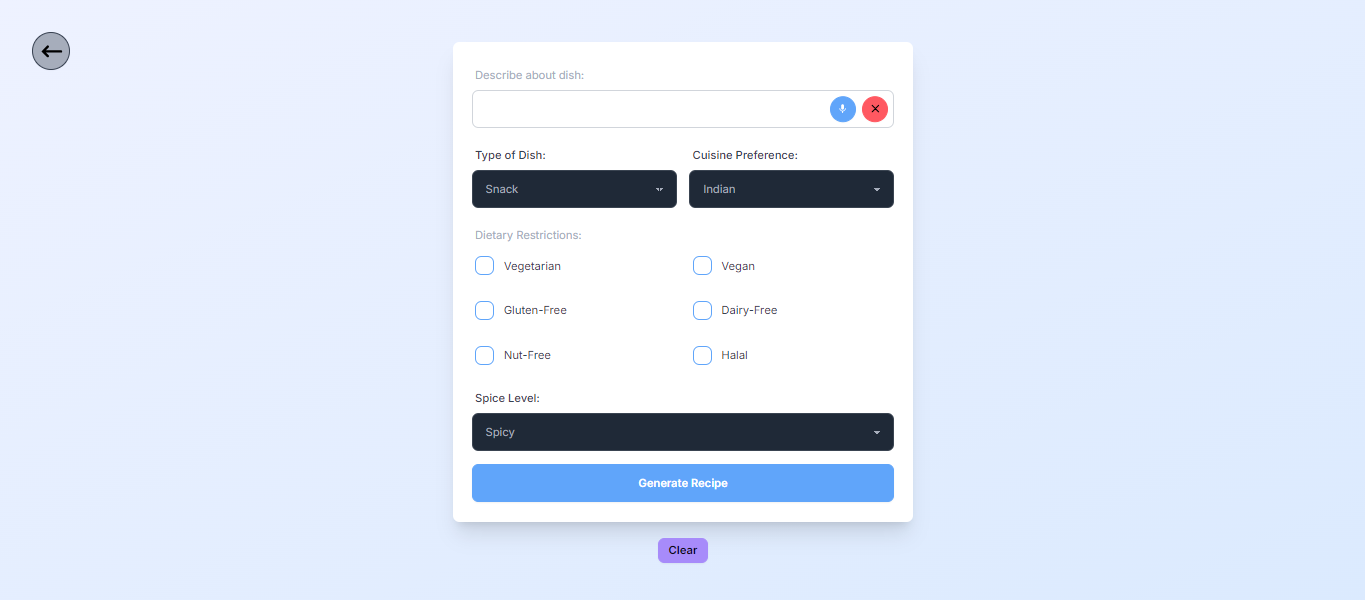
- Generate personalized recipes based on ingredients, dietary restrictions, and cuisine preferences
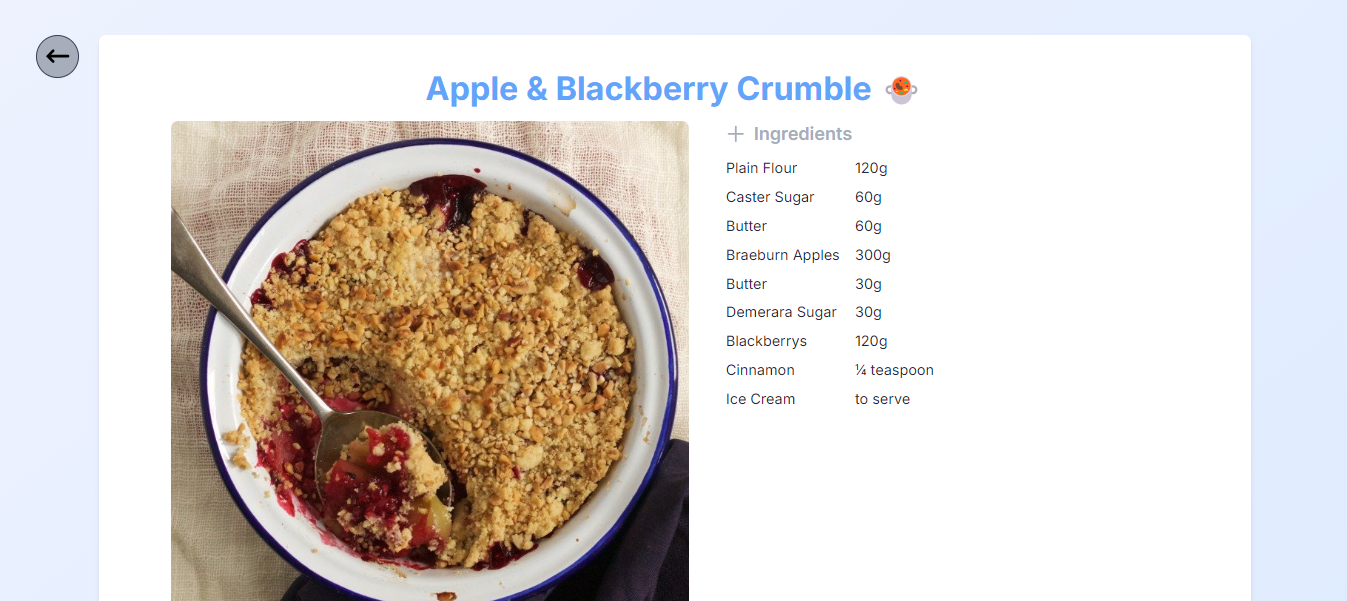
- Explore recipes across different categories (Dessert, Vegetarian, Pasta, etc.)
- Get AI-generated images of recipes for visual reference
- Use voice commands to describe desired recipes
- Listen to recipe instructions through text-to-speech
- Discover random recipes for inspiration
- Search through a vast collection of meals
How I built it
I built Flavor AI using a modern tech stack:
- Frontend: Next.js for the framework
- Styling: Tailwind CSS and DaisyUI
- AI: Groq API for recipe generation
- Recipe Database: TheMealDB API
- Voice Features: Web Speech API for voice input and text-to-speech
- Form Handling: React Hook Form
- State Management: Context API for theme management
- Design: Responsive design principles for mobile-first approach
- Development Assistance: CodeBuff for consistent and efficient code formatting throughout the development process
The architecture focuses on:
- Component reusability
- Accessible UI/UX
- Fast performance with Next.js optimizations
- Clean separation between UI and business logic
- Integration of APIs for enhanced functionality
Challenges I ran into
- Voice Interaction: Integrating reliable and accurate voice commands proved challenging, especially with the need for precise recipe description.
- AI-Generated Images: Generating accurate and appealing AI-based images of recipes that match user input was a complex task.
- APIs Integration: Merging data from multiple APIs (Groq for AI generation and TheMealDB for recipe data) while maintaining consistency and speed presented challenges.
- Responsive Design: Ensuring a smooth experience across various devices and screen sizes, especially for mobile users, was a key challenge.
Accomplishments that I'm proud of
- Personalization: Successfully built an AI-powered system that tailors recipe suggestions based on user preferences.
- AI Integration: Implementing an AI model to generate recipes with relevant images has been a standout feature.
- Seamless Experience: Achieving smooth interaction with voice input and text-to-speech, allowing for hands-free recipe exploration.
- Mobile-First Design: I managed to create a responsive platform that works perfectly across devices, with a particular focus on mobile users.
What I learned
- Tech Stack Mastery: Deepened my understanding of the Next.js framework and various APIs, particularly the Groq API for AI-driven tasks.
- User-Centered Design: Gained valuable insights into the needs and expectations of users looking for a more intuitive and engaging cooking tool.
- Voice Technology: Learned how to integrate and optimize speech recognition and text-to-speech for a better user experience.
- API Limitations: Encountered challenges in working with external APIs and learned how to effectively handle data consistency.
What's next for Flavor AI
- Expand Recipe Database: I plan to integrate more diverse sources for recipes, covering more cuisines and dietary needs.
- Enhanced Personalization: Add features like saving favorites, dietary tracking, and better meal-planning capabilities.
- Improve AI-generated Images: Work on refining AI-generated recipe images to enhance visual accuracy.
- Voice Command Expansion: Expand voice control features to include more advanced cooking instructions and multi-step recipe handling.
Built With
- codebuff
- context-api
- daisyui
- groq
- javascript-(es6+)
- next.js
- react-hook-form
- tailwind-css
- themealdb-api
- vercel
- web-speech-api


Log in or sign up for Devpost to join the conversation.