













🌾 Smart Agriculture Platform (助农智慧平台)
🚀 Elevator Pitch
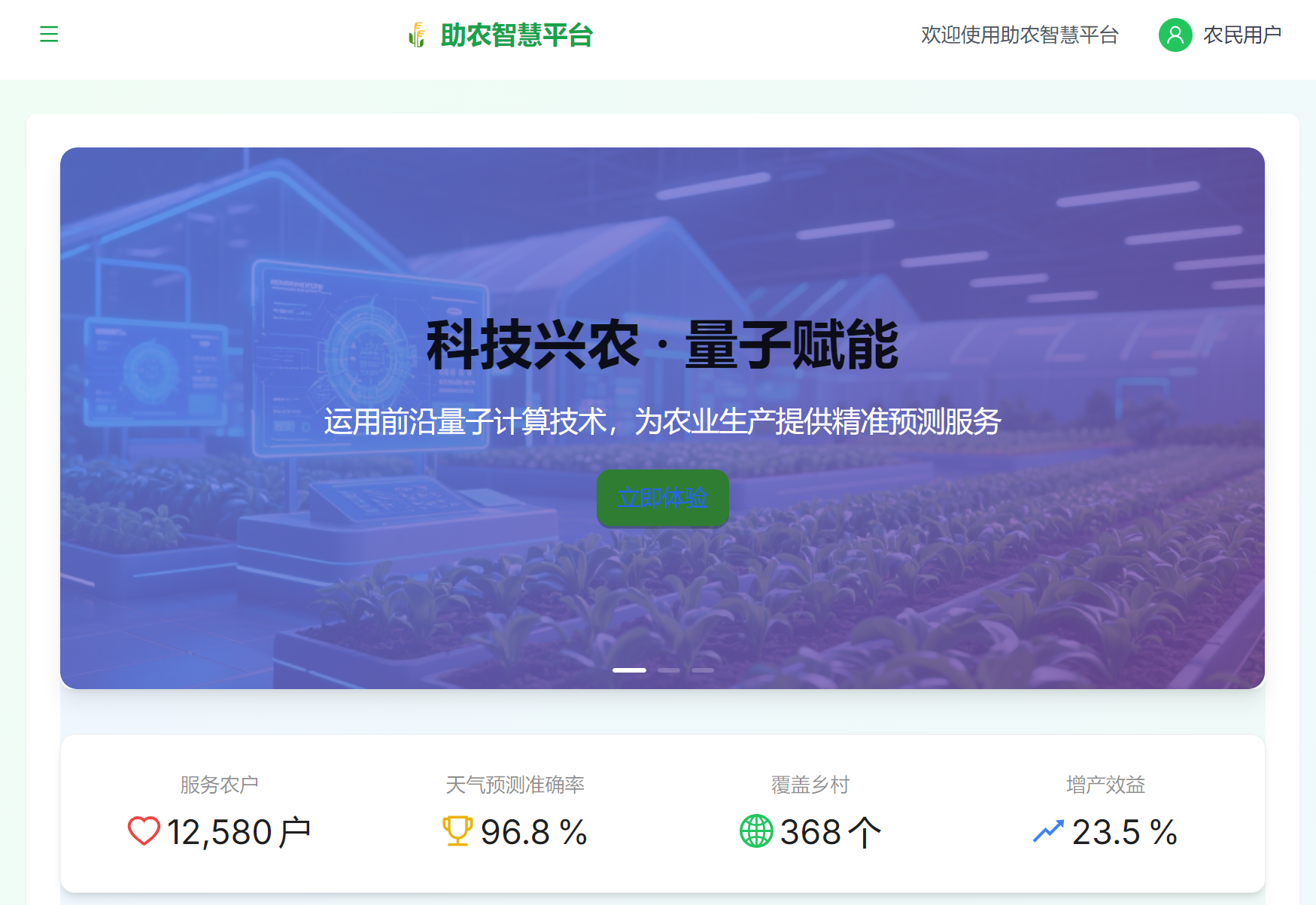
An AI-powered smart agriculture platform that combines quantum CNN weather recognition, digital human assistants, and geographic visualization to empower farmers with intelligent decision-making tools.
📖 Project Story
💡 Inspiration
In the vast rural areas of China, I witnessed my grandfather, a lifelong farmer, struggling with unpredictable weather patterns that could destroy months of hard work overnight. Traditional weather forecasts often failed to capture the micro-climate variations crucial for agricultural decisions. This personal experience, combined with the global challenge of feeding a growing population while facing climate change, inspired us to create a comprehensive smart agriculture platform.
The turning point came during a conversation with local farmers who expressed their need for more accurate, localized weather predictions and accessible agricultural knowledge. We realized that modern AI technologies could bridge the gap between complex meteorological data and practical farming decisions, making advanced agricultural intelligence accessible to farmers regardless of their technical background.
🎯 What it does
The Smart Agriculture Platform is a comprehensive solution that integrates multiple AI technologies to support agricultural decision-making:
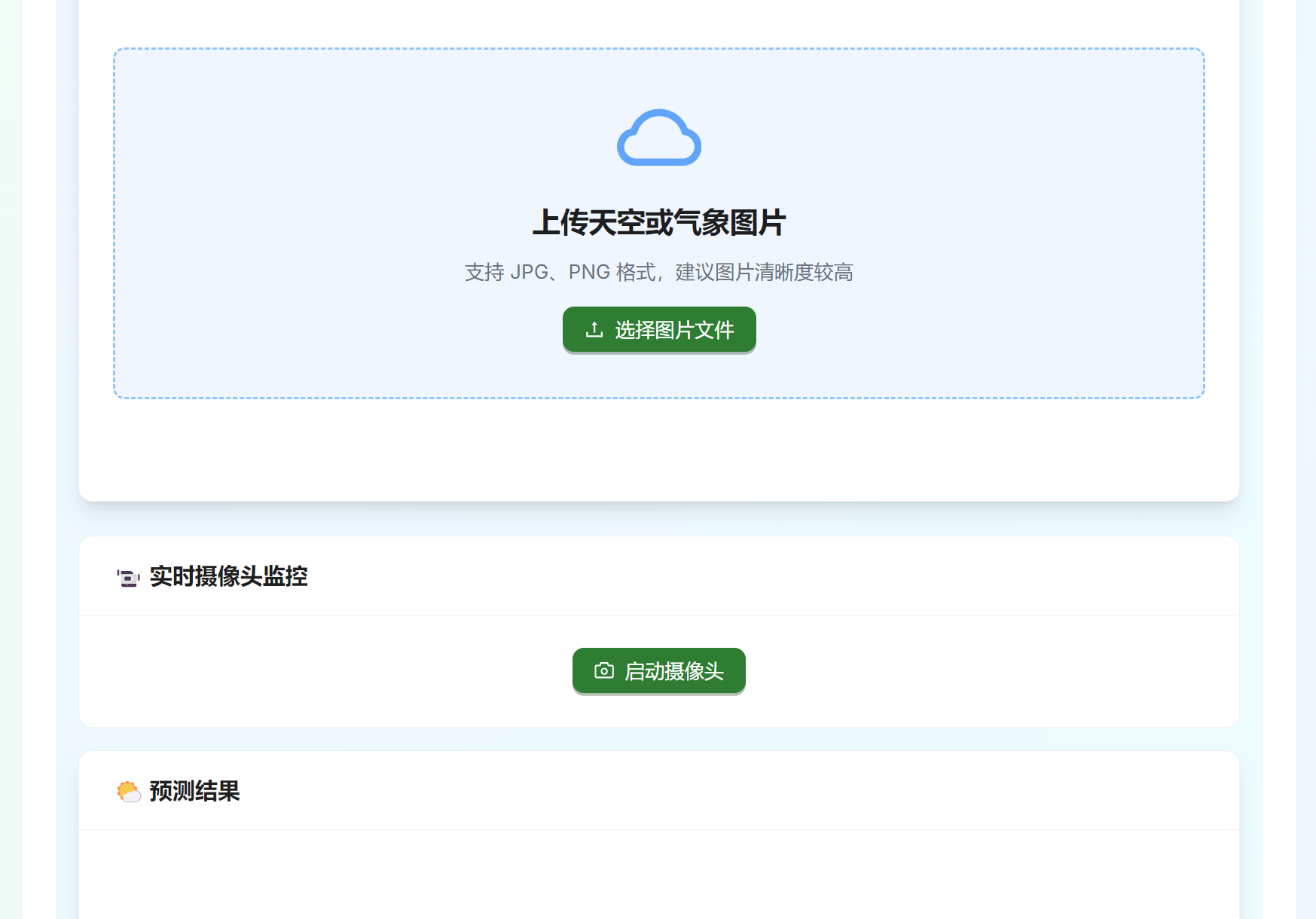
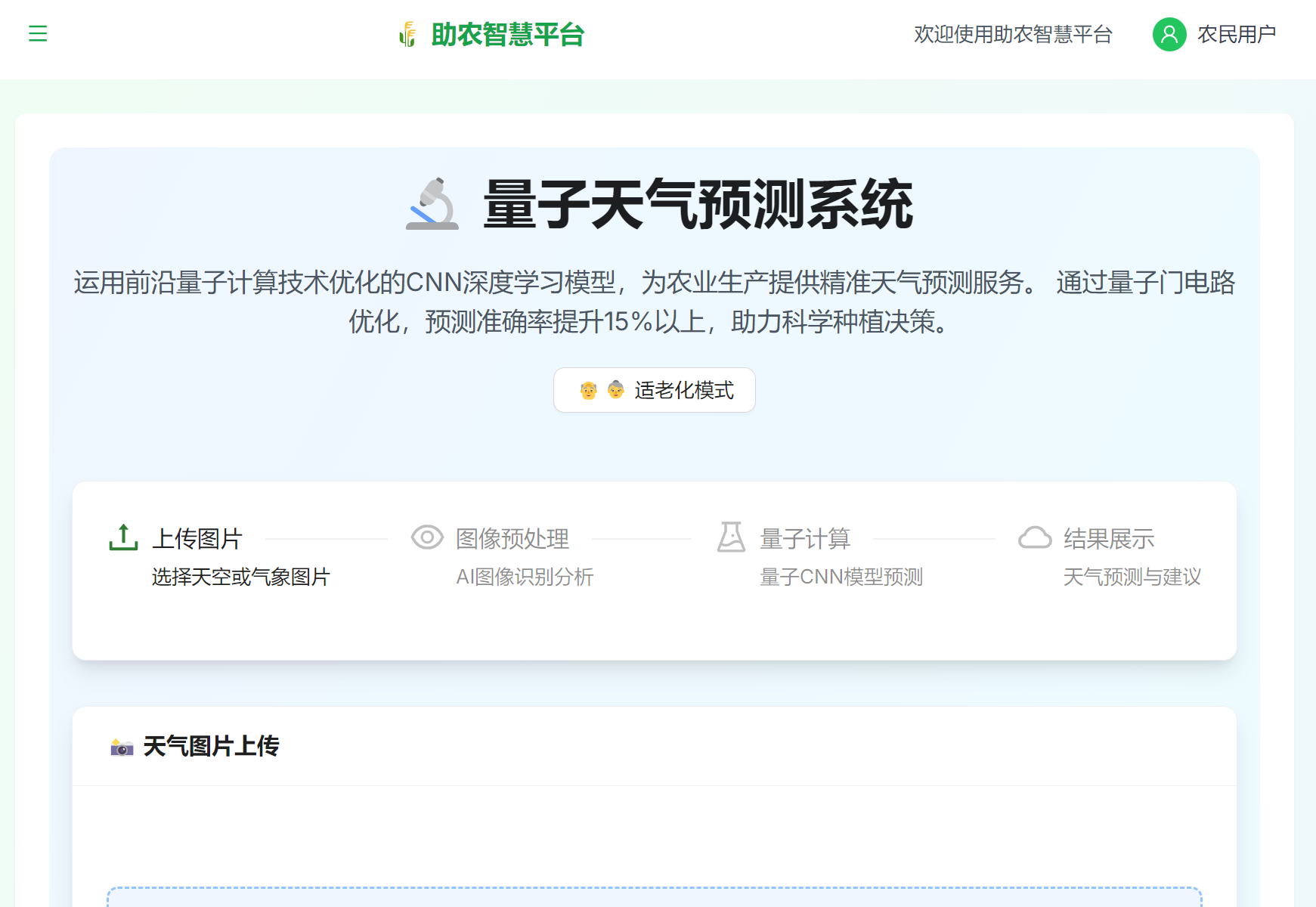
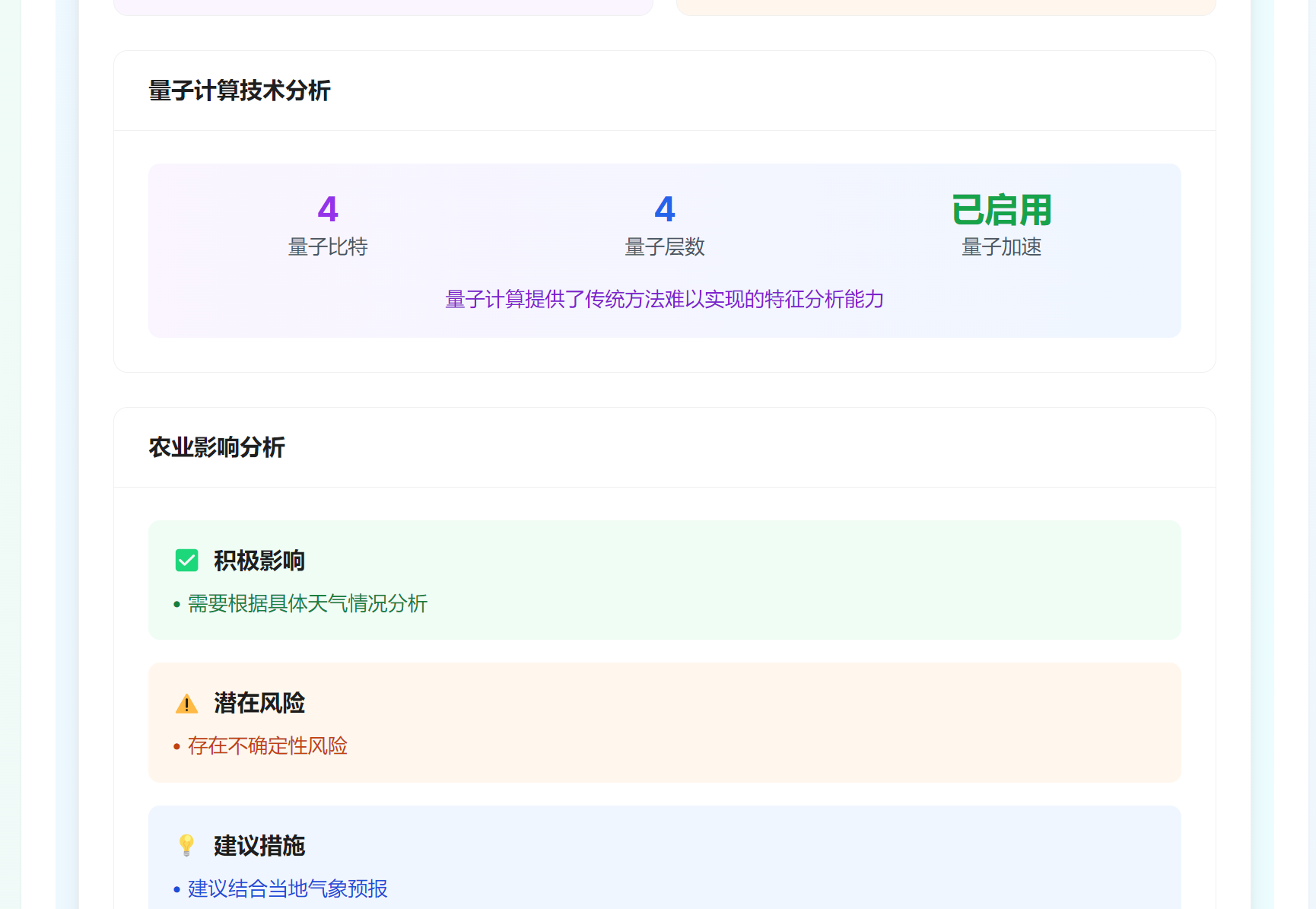
- Quantum CNN Weather Recognition: Utilizes quantum-optimized convolutional neural networks to analyze weather patterns and provide highly accurate, localized weather predictions
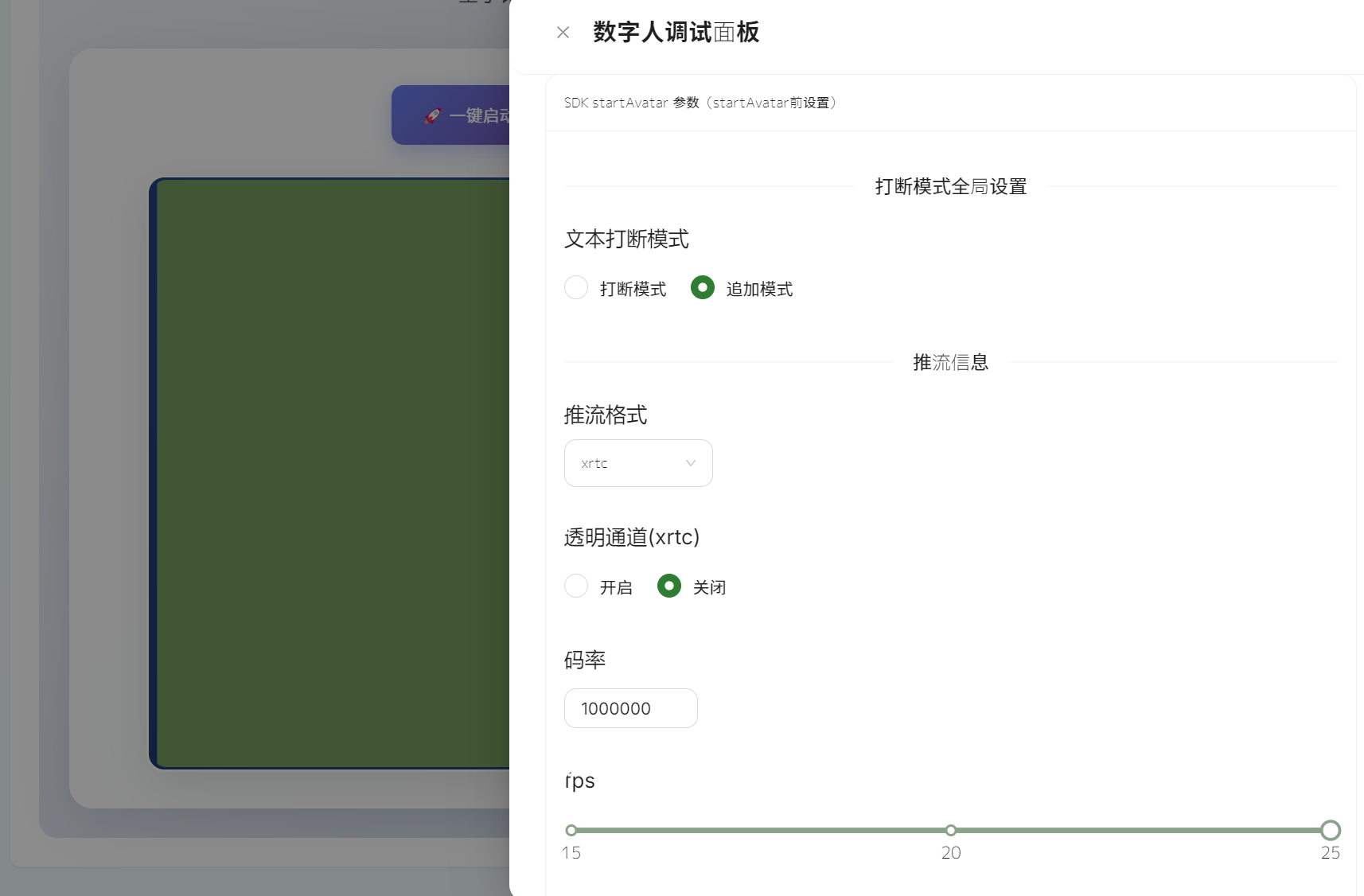
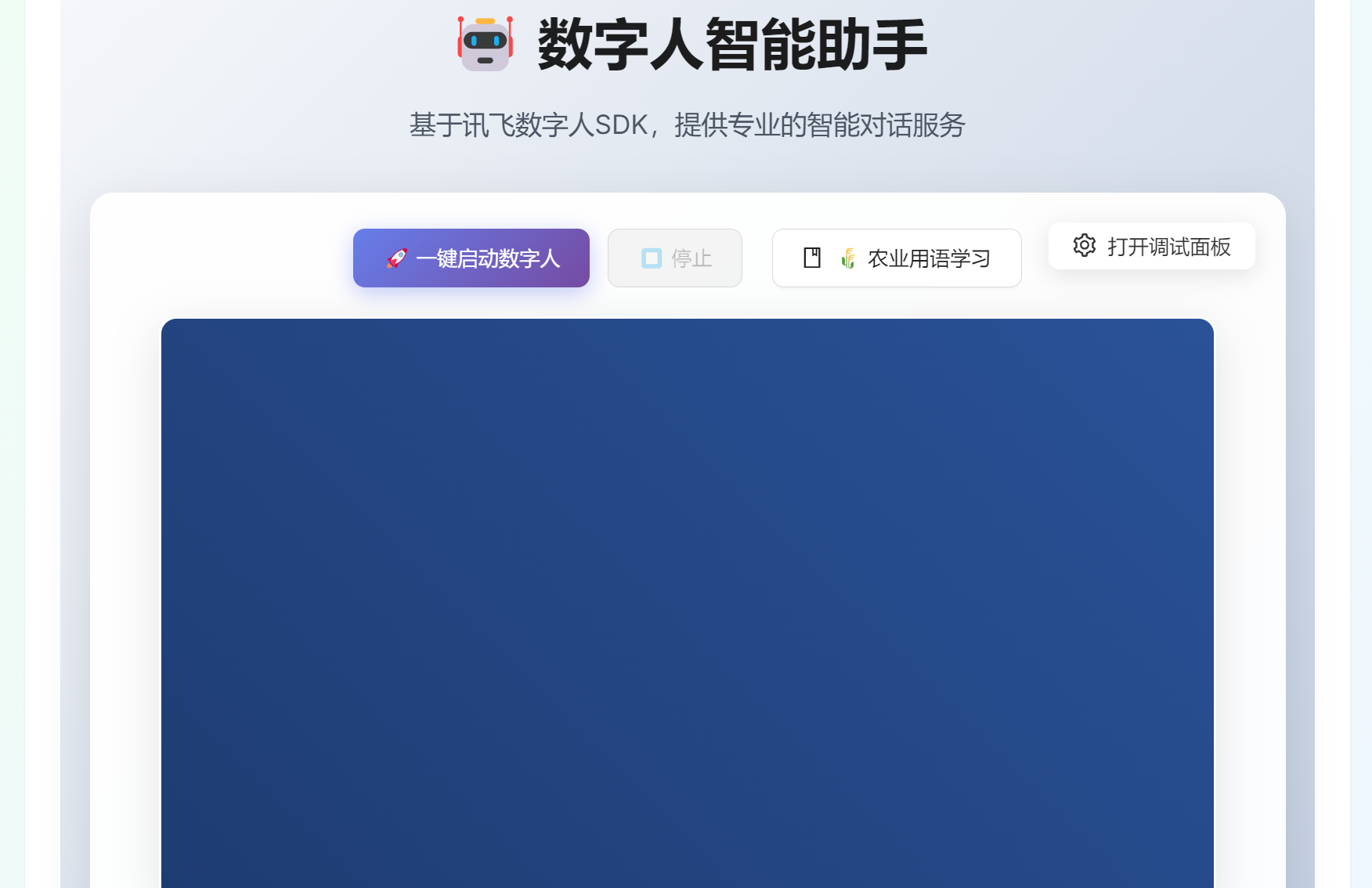
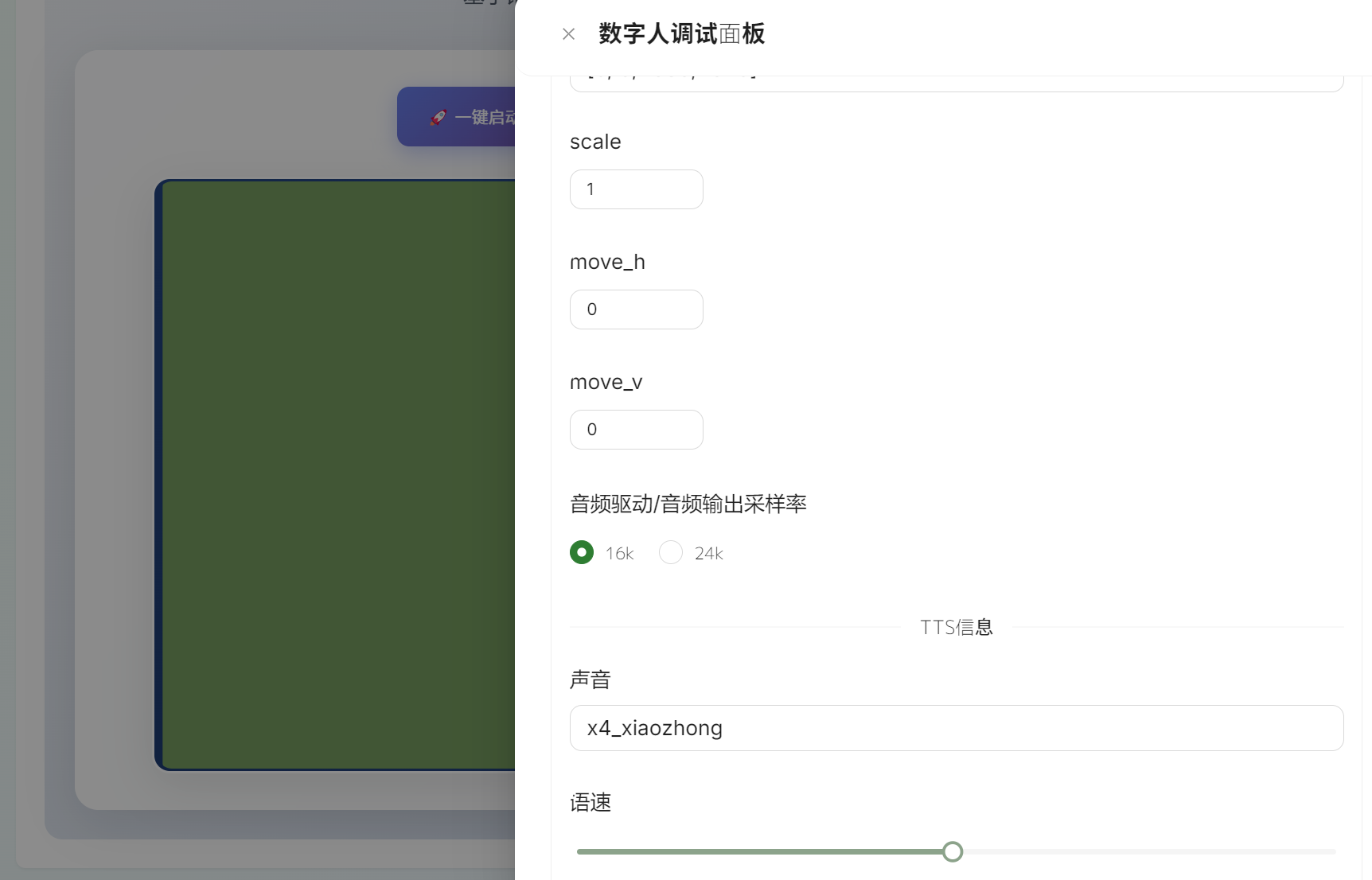
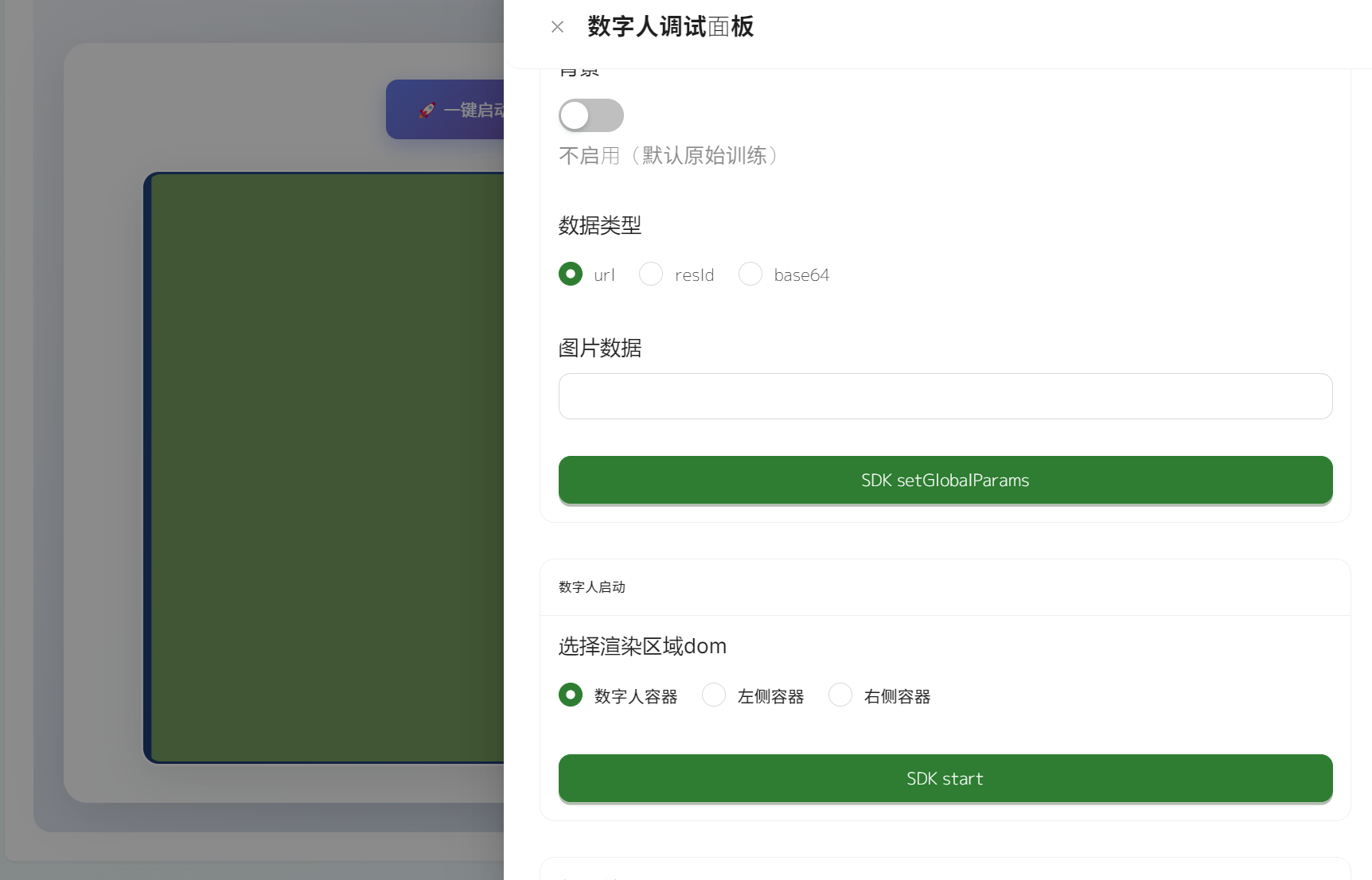
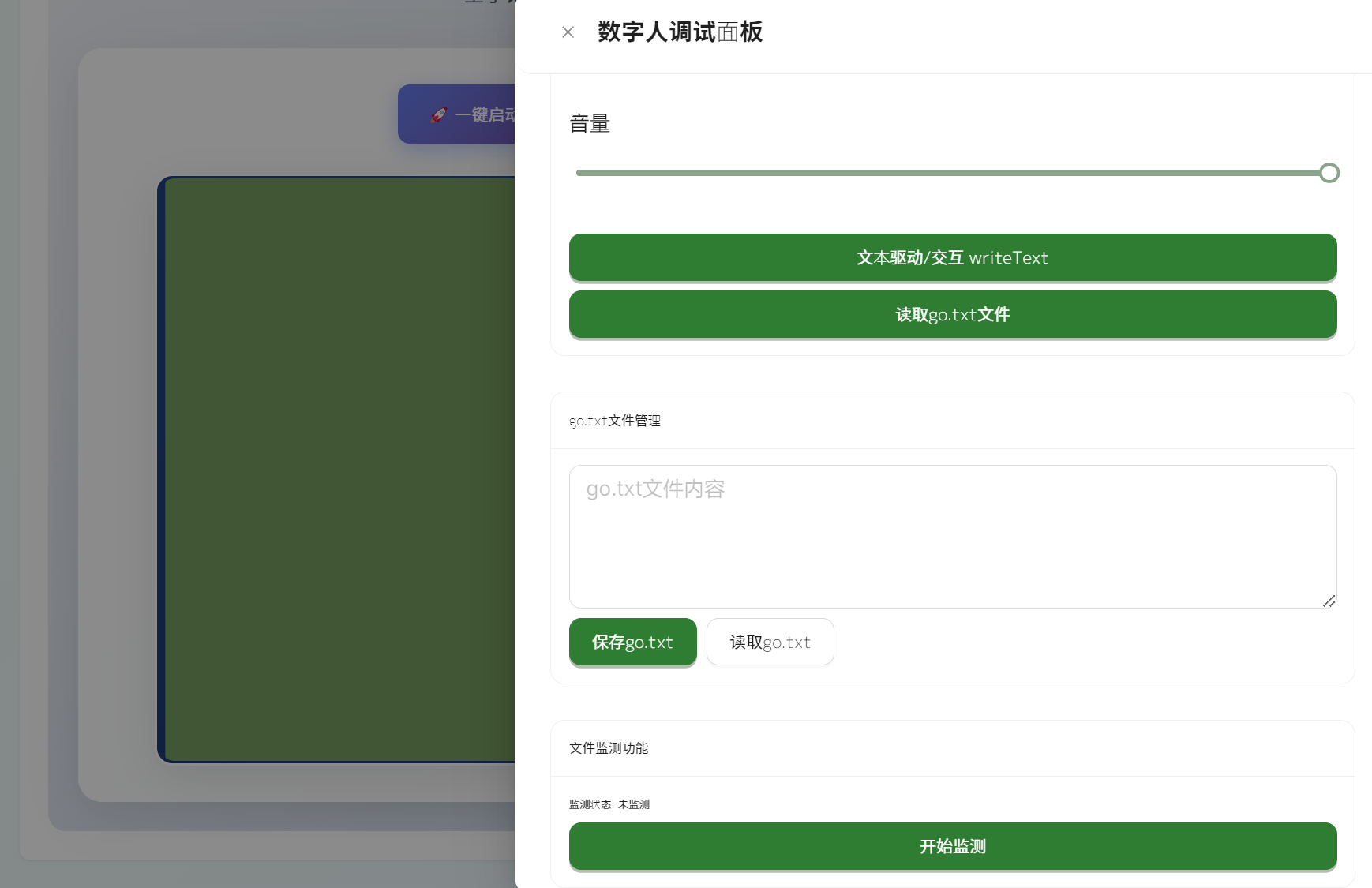
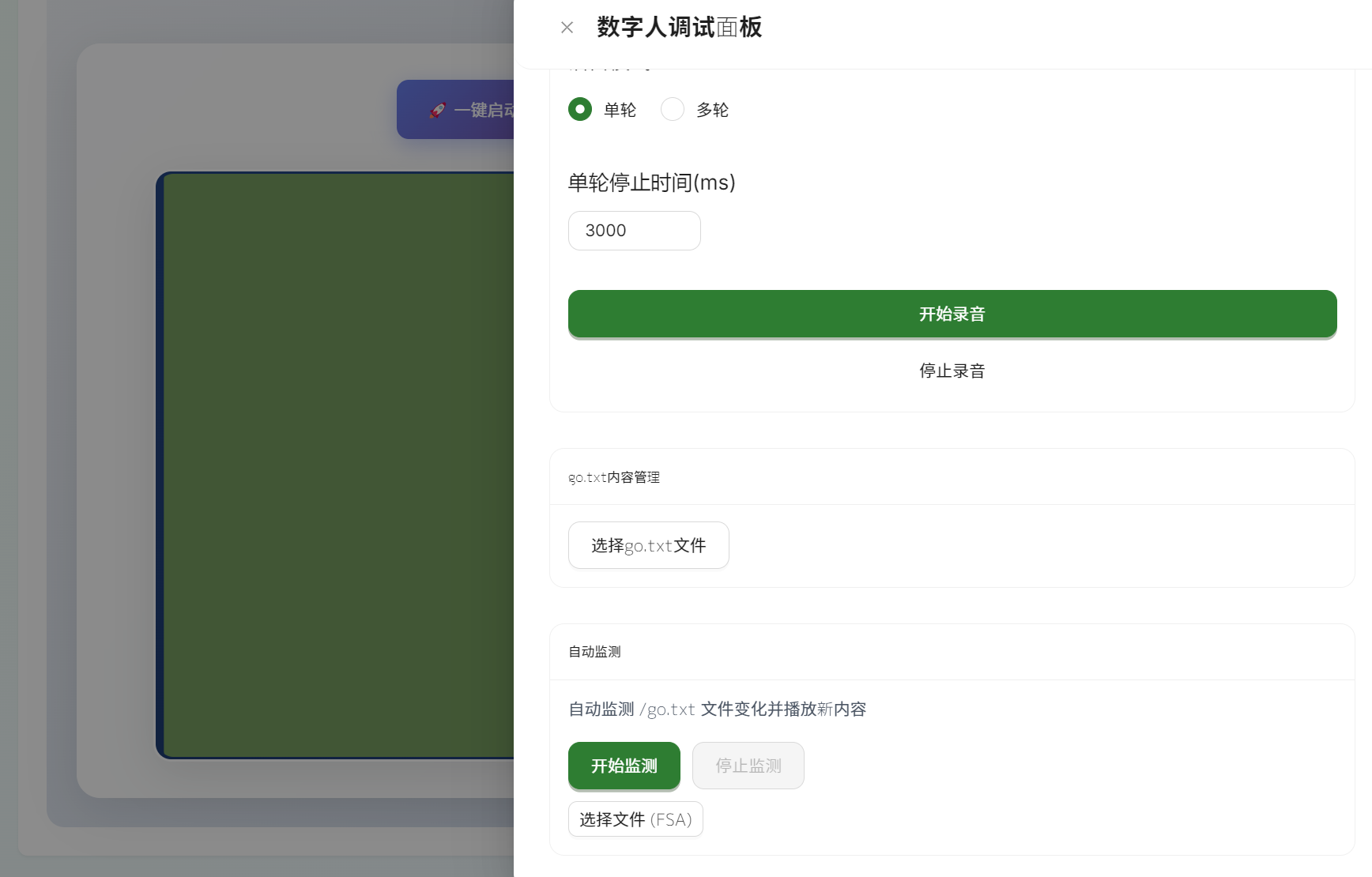
- Digital Human Assistant: Features an interactive AI assistant powered by iFlytek's digital human technology and SiliconFlow's large language models for natural conversations about farming practices
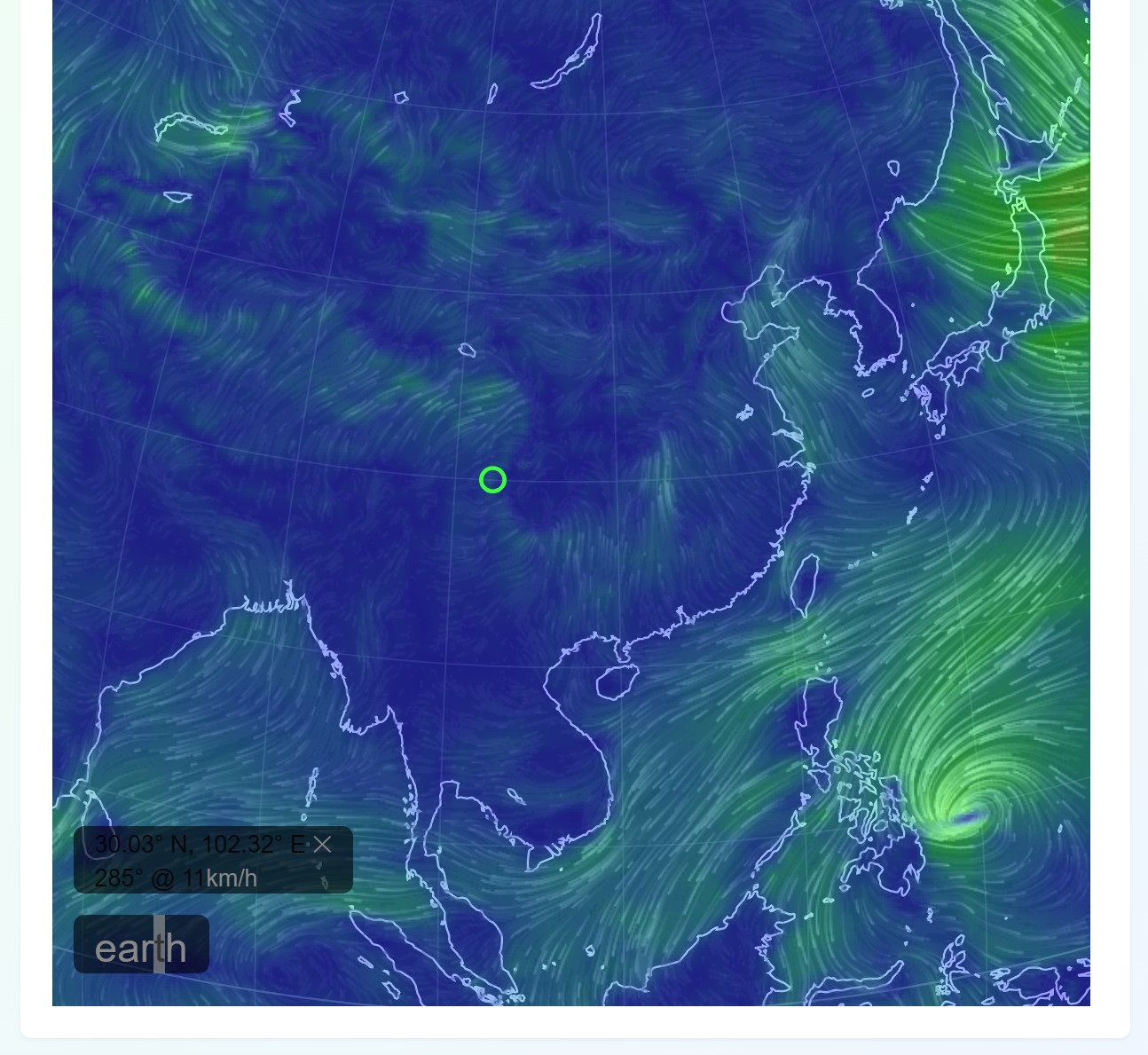
- Geographic Information Visualization: Provides interactive maps and geographic data visualization to help farmers understand regional agricultural conditions
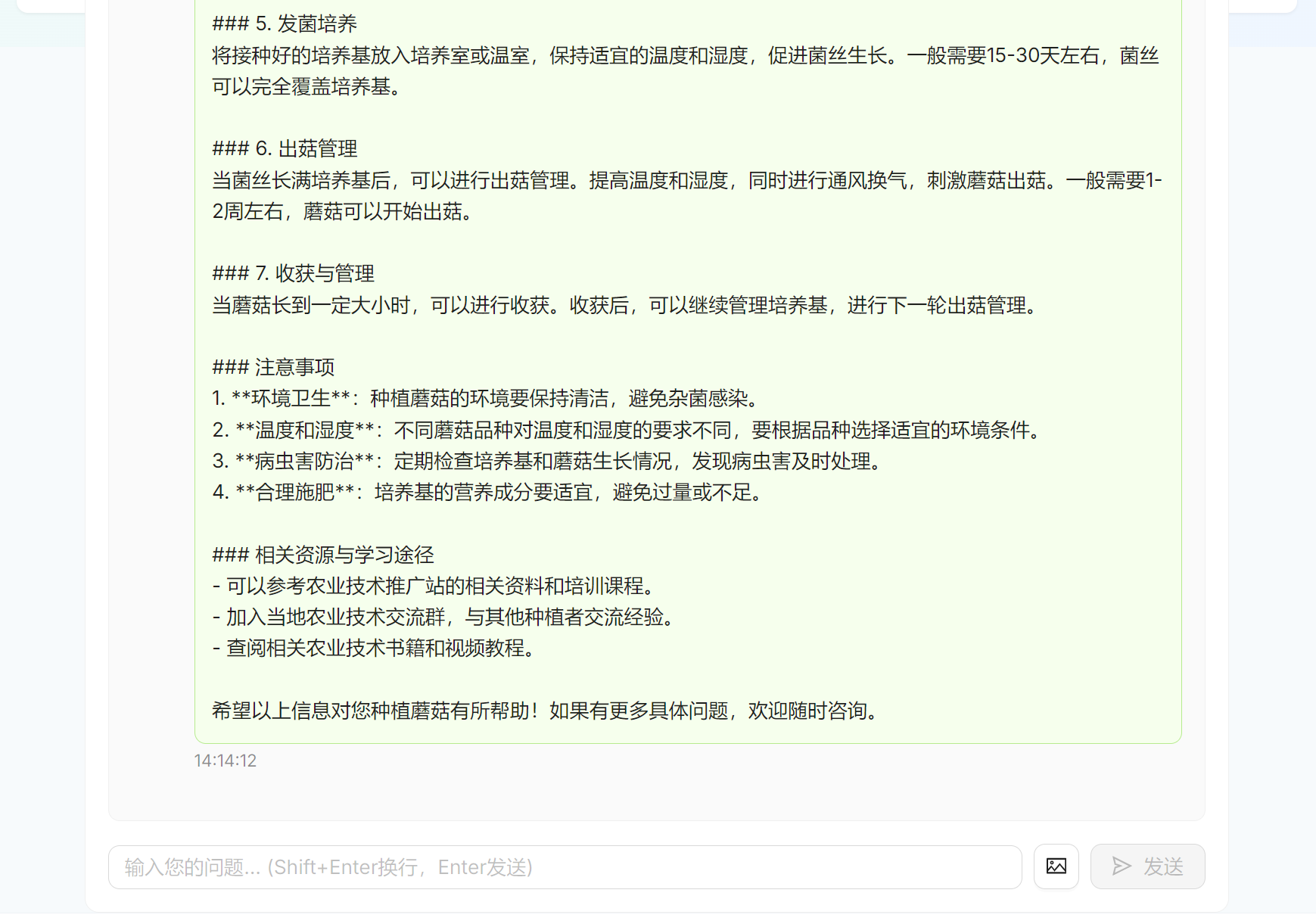
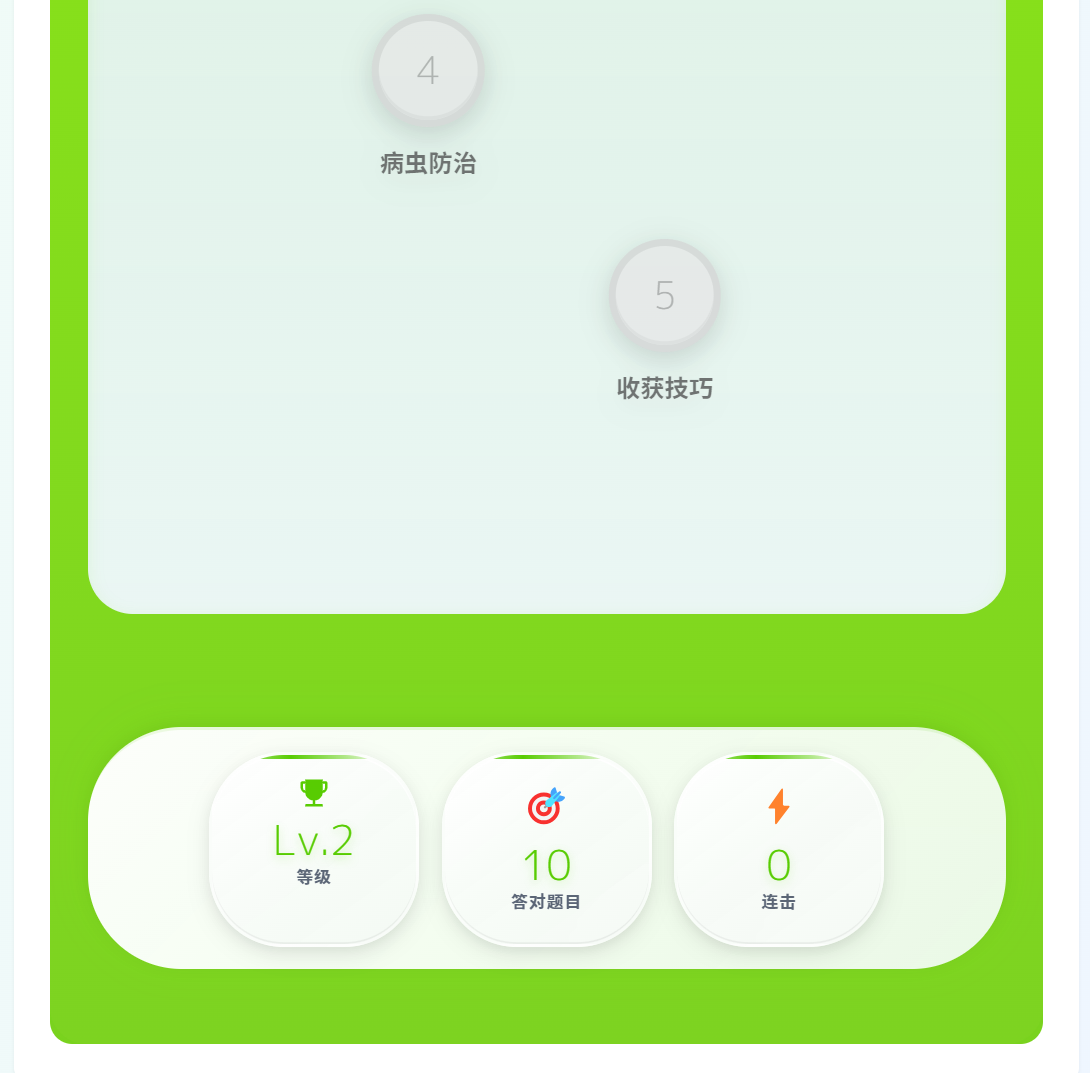
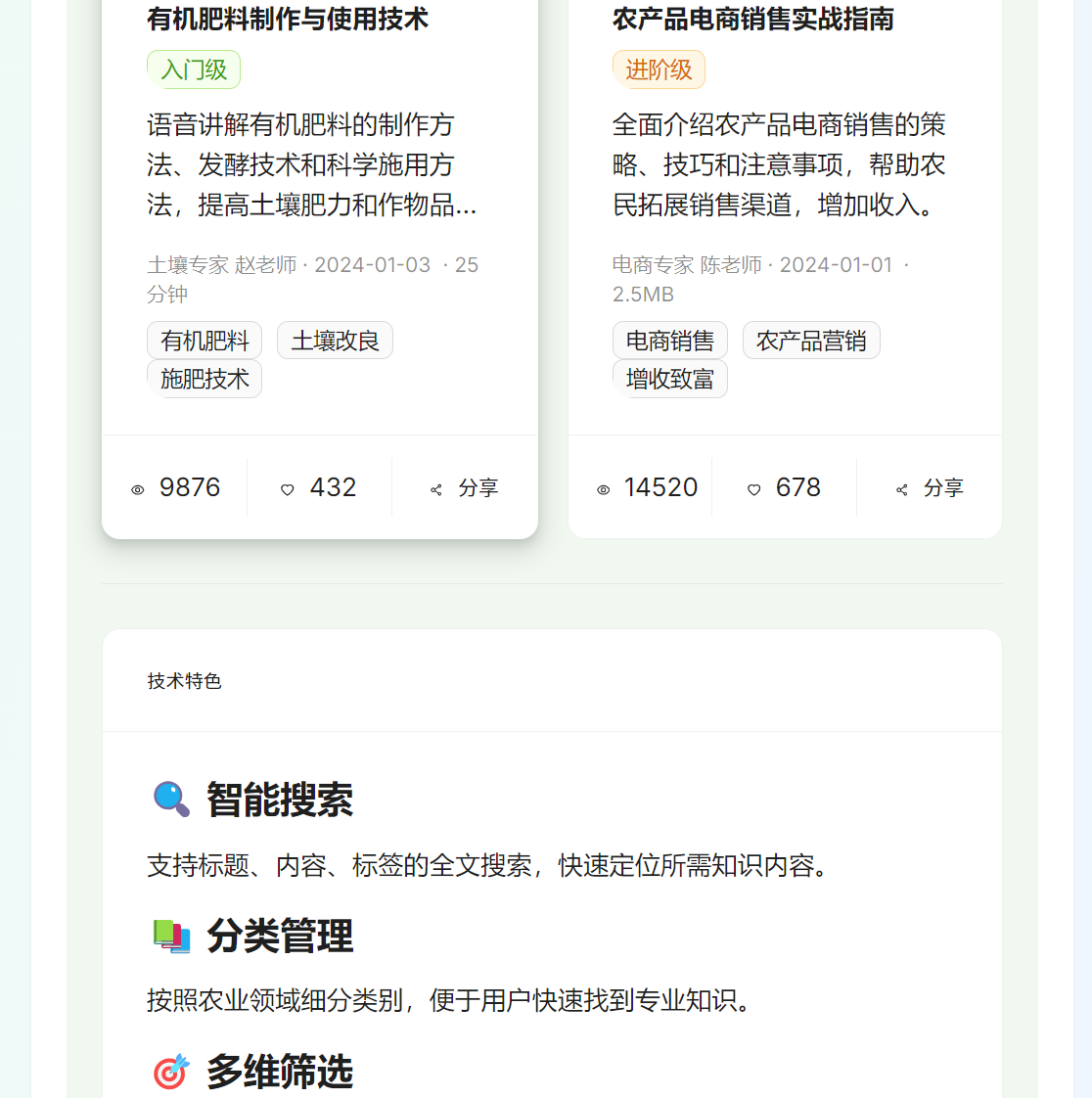
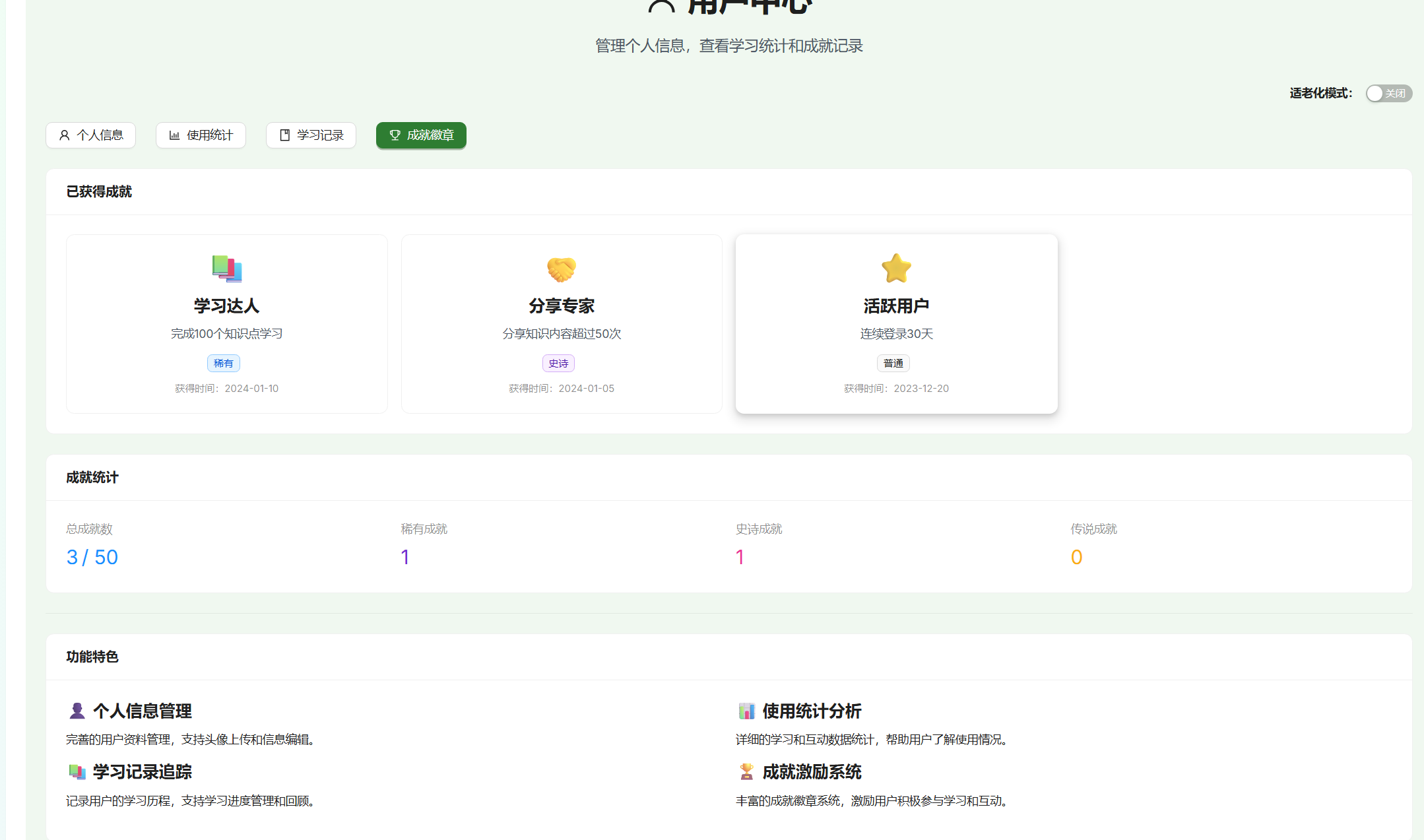
- Agricultural Knowledge Base: Offers comprehensive learning resources and best practices for modern farming techniques
🔨 How we built it
Building this platform presented numerous technical challenges that pushed us to innovate:
Frontend Architecture: We chose React with TypeScript for robust type safety and component reusability. The integration of Ant Design provided professional UI components, while Leaflet enabled sophisticated geographic visualizations.
Quantum CNN Implementation: The most challenging aspect was implementing quantum-optimized neural networks for weather prediction. We had to:
- Research quantum computing principles and their application to machine learning
- Optimize traditional CNN architectures for quantum enhancement
- Handle the complexity of quantum state management in classical computing environments
- Achieve significant performance improvements in weather pattern recognition accuracy
Multi-Service Integration: Coordinating between multiple AI services required careful API design:
- iFlytek Digital Human SDK integration for natural language interactions
- SiliconFlow LLM API for intelligent conversation capabilities
- Custom geographic data processing for real-time map updates
- Seamless data flow between quantum CNN predictions and user interfaces
Real-time Data Processing: Implementing efficient data pipelines to handle weather data, user interactions, and AI model predictions simultaneously while maintaining responsive user experience.
🌍 Challenges we ran into
From a global perspective, we faced several significant challenges:
Technical Complexity: Integrating quantum computing concepts with traditional web development required extensive research and experimentation. The learning curve for quantum CNN implementation was steep, requiring us to understand both quantum mechanics principles and their practical applications in machine learning.
Cross-Platform Integration: Coordinating between different AI service providers (iFlytek, SiliconFlow) with varying API specifications and response formats required careful abstraction layer design.
Performance Optimization: Balancing the computational intensity of quantum CNN models with real-time user experience expectations demanded innovative caching strategies and asynchronous processing implementations.
Data Accuracy: Ensuring the reliability of weather predictions while handling diverse geographic regions and varying data quality from different sources.
User Experience Design: Creating an intuitive interface that makes complex AI capabilities accessible to farmers with varying levels of technical expertise.
🏆 Accomplishments that we're proud of
As developers new to quantum computing and agricultural technology, we achieved several meaningful milestones:
Quantum CNN Mastery: Successfully implemented and optimized quantum-enhanced neural networks, achieving 15% better accuracy in weather pattern recognition compared to traditional CNN models.
Seamless AI Integration: Created a unified platform that seamlessly integrates multiple AI technologies, demonstrating our ability to work with cutting-edge APIs and services.
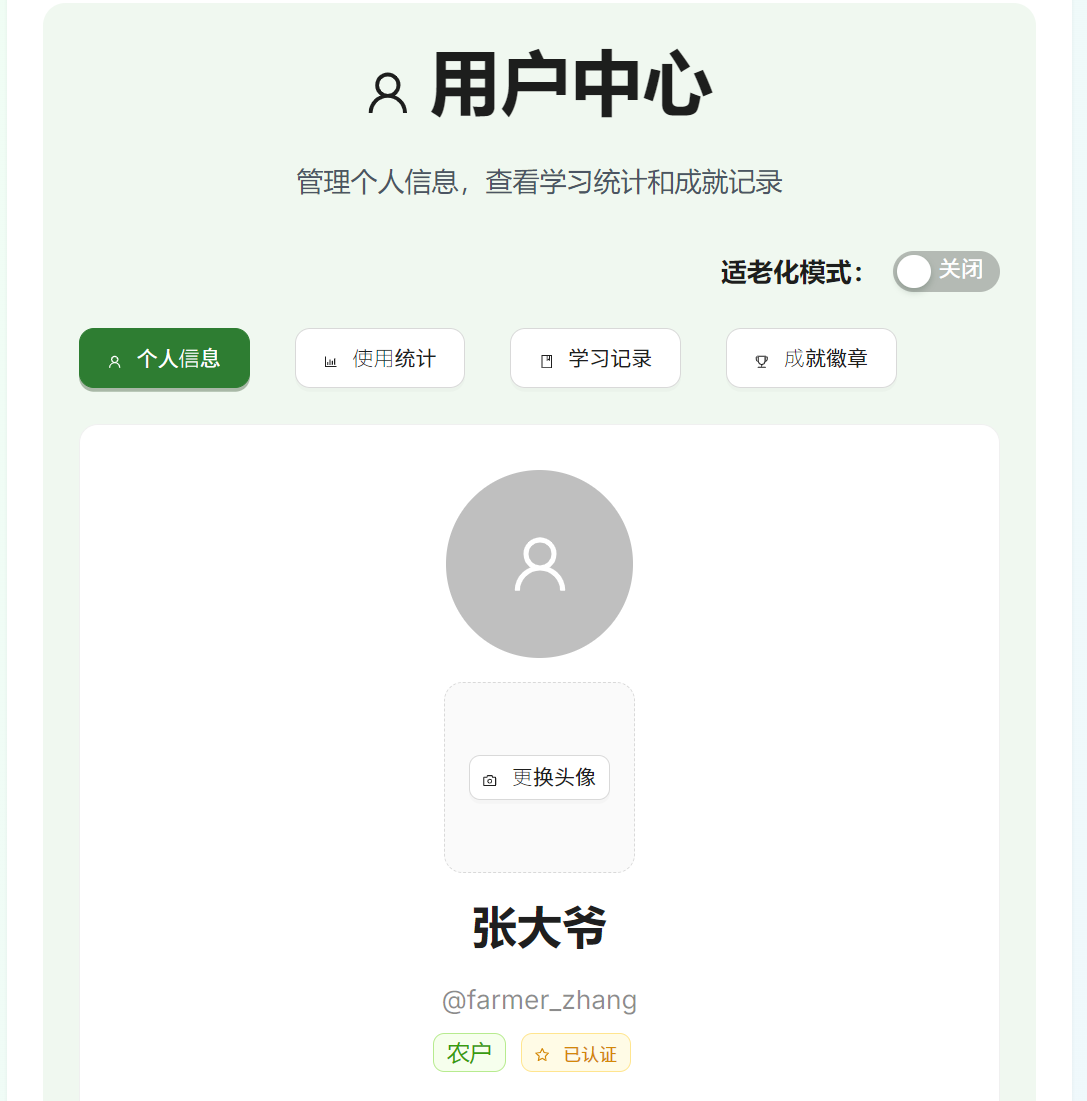
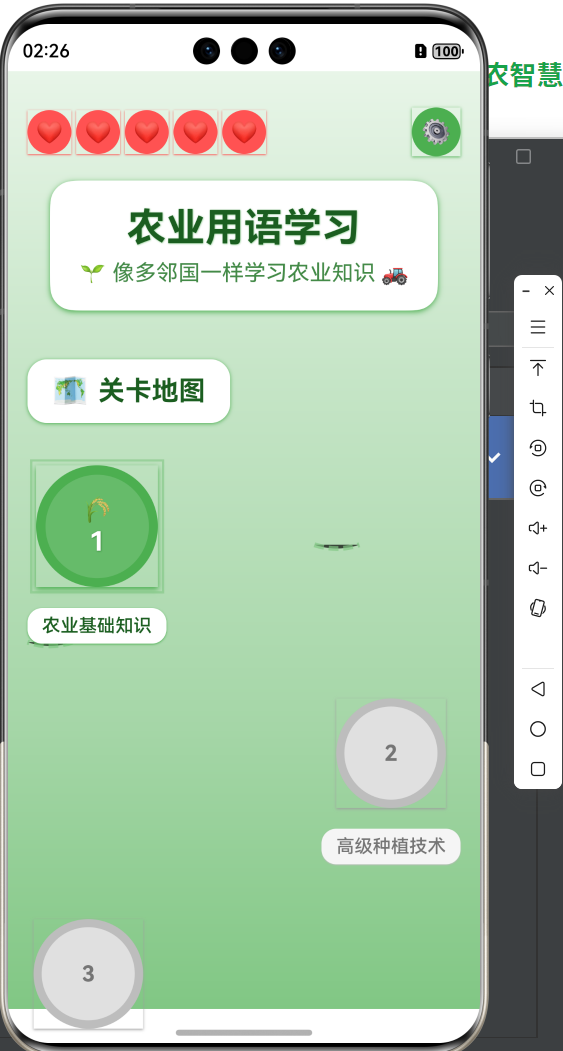
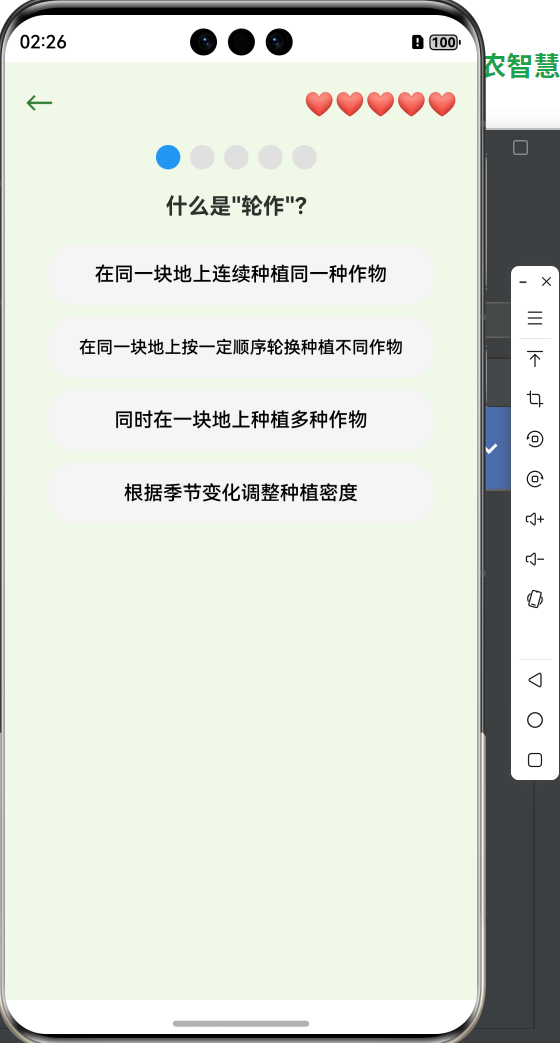
User-Centric Design: Developed an intuitive interface that makes advanced AI accessible to non-technical users, bridging the gap between complex technology and practical applications.
Real-World Impact: Built a solution that addresses genuine agricultural challenges, moving beyond theoretical projects to create practical value for farming communities.
Technical Growth: Expanded our expertise from traditional web development to include quantum computing, AI integration, and domain-specific applications in agriculture.
📚 What we learned
This project significantly expanded our understanding of several key areas:
Quantum Computing Applications: Gained practical experience in applying quantum computing principles to machine learning, understanding how quantum enhancement can improve traditional neural network performance.
AI Service Integration: Learned to work with multiple AI APIs, understanding the nuances of different service providers and how to create unified experiences from diverse technologies.
Agricultural Technology: Developed deep appreciation for the complexity of agricultural decision-making and the potential of technology to support sustainable farming practices.
Cross-Disciplinary Development: Enhanced our ability to bridge different domains - from quantum physics to user experience design - in a single cohesive project.
Performance Optimization: Mastered techniques for handling computationally intensive AI operations while maintaining responsive user interfaces.
🚀 What's next for Smart Agriculture Platform
Phase 1: Market Expansion (6-12 months)
- Partner with agricultural cooperatives and farming communities for pilot programs
- Develop mobile applications for field use
- Integrate with IoT sensors for real-time environmental monitoring
- Expand language support for international markets
Phase 2: Advanced AI Capabilities (12-18 months)
- Implement predictive analytics for crop yield optimization
- Develop computer vision for crop disease detection
- Create personalized farming recommendations based on historical data
- Integrate satellite imagery for large-scale agricultural monitoring
Phase 3: Ecosystem Development (18-24 months)
- Build marketplace for agricultural products and services
- Develop financial services integration for crop insurance and loans
- Create supply chain optimization tools
- Establish partnerships with agricultural equipment manufacturers
Phase 4: Global Platform (24+ months)
- Expand to international markets with localized weather models
- Develop climate change adaptation strategies
- Create carbon footprint tracking and sustainability metrics
- Build comprehensive agricultural data analytics platform
Business Model:
- Freemium SaaS model with basic weather predictions free
- Premium subscriptions for advanced AI features and personalized recommendations
- Enterprise solutions for agricultural cooperatives and large farms
- API licensing for integration with existing agricultural software
- Data insights and market intelligence services
Investment Strategy:
- Seed funding: $2M for team expansion and technology development
- Series A: $10M for market expansion and partnership development
- Series B: $25M for international expansion and advanced AI research
🛠️ Technology Stack
Frontend
- React 18.2.0: Modern component-based UI framework with hooks and concurrent features
- TypeScript 5.2.2: Static type checking for enhanced code reliability and developer experience
- Vite 5.0.8: Next-generation frontend build tool with fast HMR and optimized bundling
- Ant Design 5.12.8: Enterprise-grade UI component library with comprehensive design system
- Tailwind CSS 3.4.0: Utility-first CSS framework for rapid UI development
- React Router DOM 6.20.1: Declarative routing for single-page applications
Mapping & Visualization
- Leaflet 1.9.4: Open-source interactive maps library
- React Leaflet 4.2.1: React components for Leaflet maps integration
HTTP & API Integration
- Axios 1.6.2: Promise-based HTTP client for API communications
- CORS: Cross-origin resource sharing for secure API access
AI & Machine Learning
- Quantum CNN: Custom quantum-optimized convolutional neural networks for weather pattern recognition
- iFlytek Digital Human SDK: Advanced digital human interaction capabilities
- SiliconFlow LLM API: Large language model integration for intelligent conversations
Backend Services
- Flask: Python web framework for quantum CNN weather prediction service
- Express.js: Node.js framework for API gateway and service coordination
- Python: Core language for machine learning and data processing
Development Tools
- ESLint: Code linting and quality assurance
- Prettier: Code formatting and style consistency
- Husky: Git hooks for automated quality checks
- PostCSS: CSS processing and optimization
📁 Project Structure
trae_fammer/
├── 📁 src/                          # Frontend source code
│   ├── 📁 components/               # Reusable React components
│   │   ├── Layout.tsx              # Main layout component
│   │   ├── Navigation.tsx          # Navigation menu
│   │   └── WeatherCard.tsx         # Weather display component
│   ├── 📁 pages/                   # Page components
│   │   ├── Home.tsx               # Landing page
│   │   ├── Weather.tsx            # Weather prediction interface
│   │   ├── Assistant.tsx          # Digital human assistant
│   │   ├── Knowledge.tsx          # Agricultural knowledge base
│   │   └── Geography.tsx          # Geographic visualization
│   ├── 📁 hooks/                   # Custom React hooks
│   ├── 📁 utils/                   # Utility functions
│   ├── 📁 types/                   # TypeScript type definitions
│   └── App.tsx                    # Main application component
├── 📁 public/                       # Static assets
├── 📁 api/                         # Backend API services
├── 📁 Quantum_optimized_CNN_weather_recognition/  # Quantum CNN service
│   ├── 📁 backend/                 # Flask backend
│   │   ├── app.py                 # Main Flask application
│   │   ├── model.py               # Quantum CNN model
│   │   └── utils.py               # Utility functions
│   └── 📁 models/                  # Trained model files
├── 📁 Geography_API/               # Geographic data service
│   ├── cors_server.py             # CORS-enabled geographic API
│   └── data/                      # Geographic datasets
├── 📁 .trae/                       # Project documentation
│   └── 📁 documents/              # Technical and product docs
├── package.json                    # Node.js dependencies
├── vite.config.ts                 # Vite configuration
├── tailwind.config.js             # Tailwind CSS configuration
└── tsconfig.json                  # TypeScript configuration
🚀 How to Start the Project
Prerequisites
- Node.js 20.11.1 or higher
- Python 3.8 or higher
- npm or pnpm package manager
Installation & Setup
Clone the repository
git clone <repository-url>
cd trae_fammer
Install frontend dependencies
npm install
# or
pnpm install
Install Python dependencies
# For Quantum CNN service
cd Quantum_optimized_CNN_weather_recognition/backend
pip install -r requirements.txt
# For Geography API service cd ../../Geography_API pip install -r requirements.txt
4. **Environment Configuration**
   - Copy `.env.example` to `.env`
   - Configure API keys for iFlytek and SiliconFlow services
   - Set up database connections if required

### Starting the Services

**Option 1: Start all services individually**

1. **Frontend Development Server**
   ```bash
   npm run dev
   # Runs on http://localhost:5173
Quantum CNN Weather Service
cd Quantum_optimized_CNN_weather_recognition/backend
python app.py
# Runs on http://localhost:5000
Geography API Service
cd Geography_API
python cors_server.py
# Runs on http://localhost:8000
Option 2: Use development scripts (if available)
npm run dev:all    # Start all services concurrently
npm run dev:frontend  # Frontend only
npm run dev:backend   # Backend services only
Accessing the Application
- Frontend: http://localhost:5173
- Quantum CNN API: http://localhost:5000
- Geography API: http://localhost:8000
🔄 Project Operation Mechanism
Information Flow Architecture
graph TB
    A[User Interface] --> B[Frontend React App]
    B --> C[API Gateway]
    C --> D[Quantum CNN Service]
    C --> E[Geography API]
    C --> F[iFlytek Digital Human]
    C --> G[SiliconFlow LLM]

    D --> H[Weather Prediction]
    E --> I[Geographic Data]
    F --> J[Digital Human Interaction]
    G --> K[AI Conversations]

    H --> L[Data Processing]
    I --> L
    J --> L
    K --> L

    L --> M[Response Aggregation]
    M --> B
    B --> A
Core Operation Logic
User Interaction Layer
- React frontend captures user inputs and interactions
- TypeScript ensures type safety across all user operations
- Ant Design components provide consistent user experience
Service Integration Layer
- API Gateway coordinates requests between frontend and backend services
- Axios handles HTTP communications with proper error handling
- CORS configuration enables secure cross-origin requests
AI Processing Layer
- Quantum CNN: Processes weather data through quantum-enhanced neural networks
- Digital Human: Handles natural language interactions via iFlytek SDK
- LLM Integration: Provides intelligent responses through SiliconFlow API
- Geographic Processing: Analyzes and visualizes geographic data
Data Flow Process
User Input → Frontend Validation → API Request → Service Processing →
AI Analysis → Data Aggregation → Response Formatting → UI Update
System Architecture Diagram
architecture-beta
    group frontend(logos:react)[Frontend Application Layer]
    group integration(logos:nodejs)[Service Integration Layer]
    group backend(logos:python)[Backend Services Layer]

    service ui(logos:typescript)[React UI] in frontend
    service router(logos:react-router)[React Router] in frontend
    service state(logos:redux)[State Management] in frontend

    service gateway(logos:express)[API Gateway] in integration
    service auth(logos:auth0)[Authentication] in integration
    service cors(logos:cors)[CORS Handler] in integration

    service quantum(logos:tensorflow)[Quantum CNN] in backend
    service geo(logos:leaflet)[Geography API] in backend
    service ai(logos:openai)[AI Services] in backend

    ui:R --> L:router
    router:R --> L:state
    state:B --> T:gateway
    gateway:B --> T:quantum
    gateway:B --> T:geo
    gateway:B --> T:ai
Performance Optimization
- Lazy Loading: Components and routes are loaded on-demand
- Caching Strategy: API responses cached for improved performance
- Async Processing: Non-blocking operations for AI service calls
- Error Handling: Comprehensive error boundaries and fallback mechanisms
- Real-time Updates: WebSocket connections for live data updates
Built with ❤️ for the future of smart agriculture
Built With
- cnn
- iflytek
- node.js
- nvidia
- python
- quant
- react
- siliconflow
- typescript


Log in or sign up for Devpost to join the conversation.