-
-
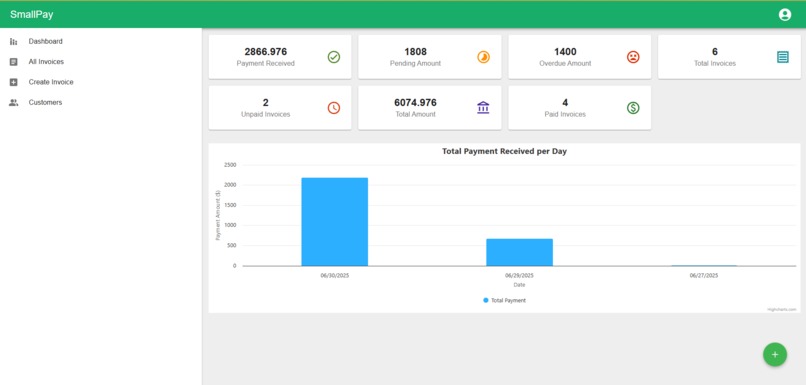
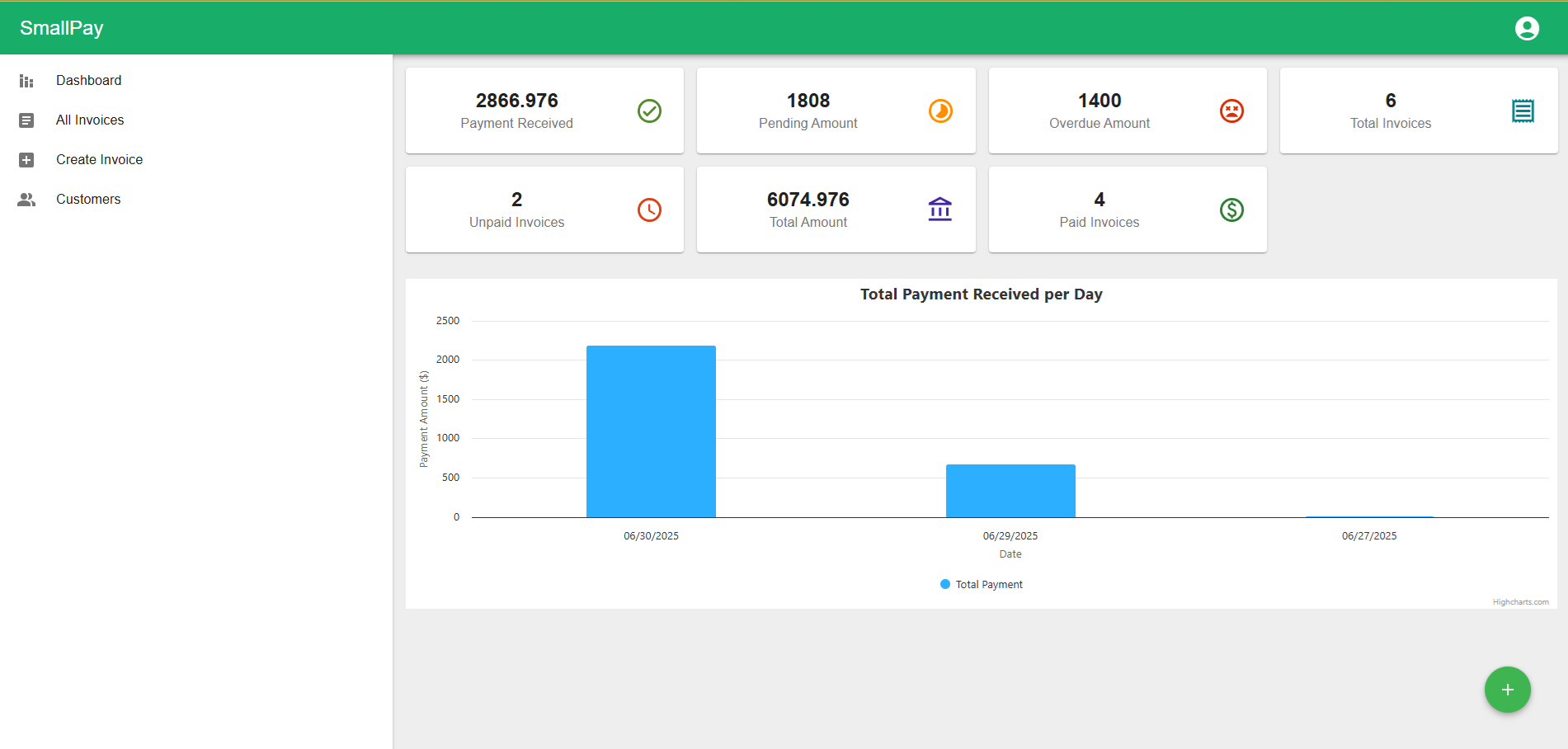
Dashboard
-
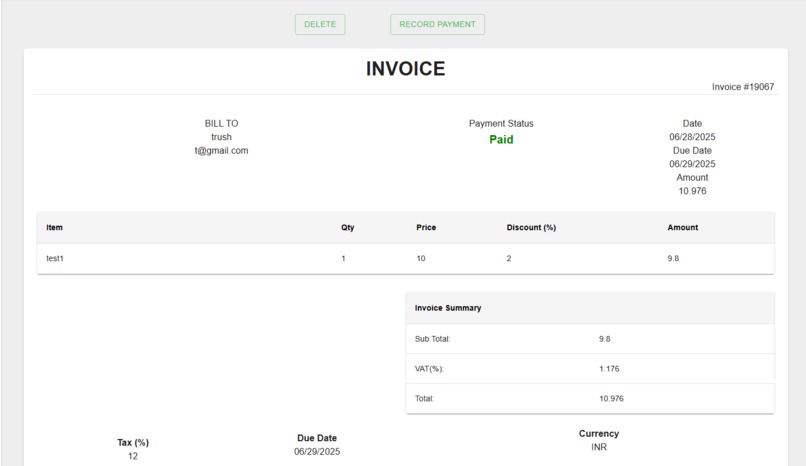
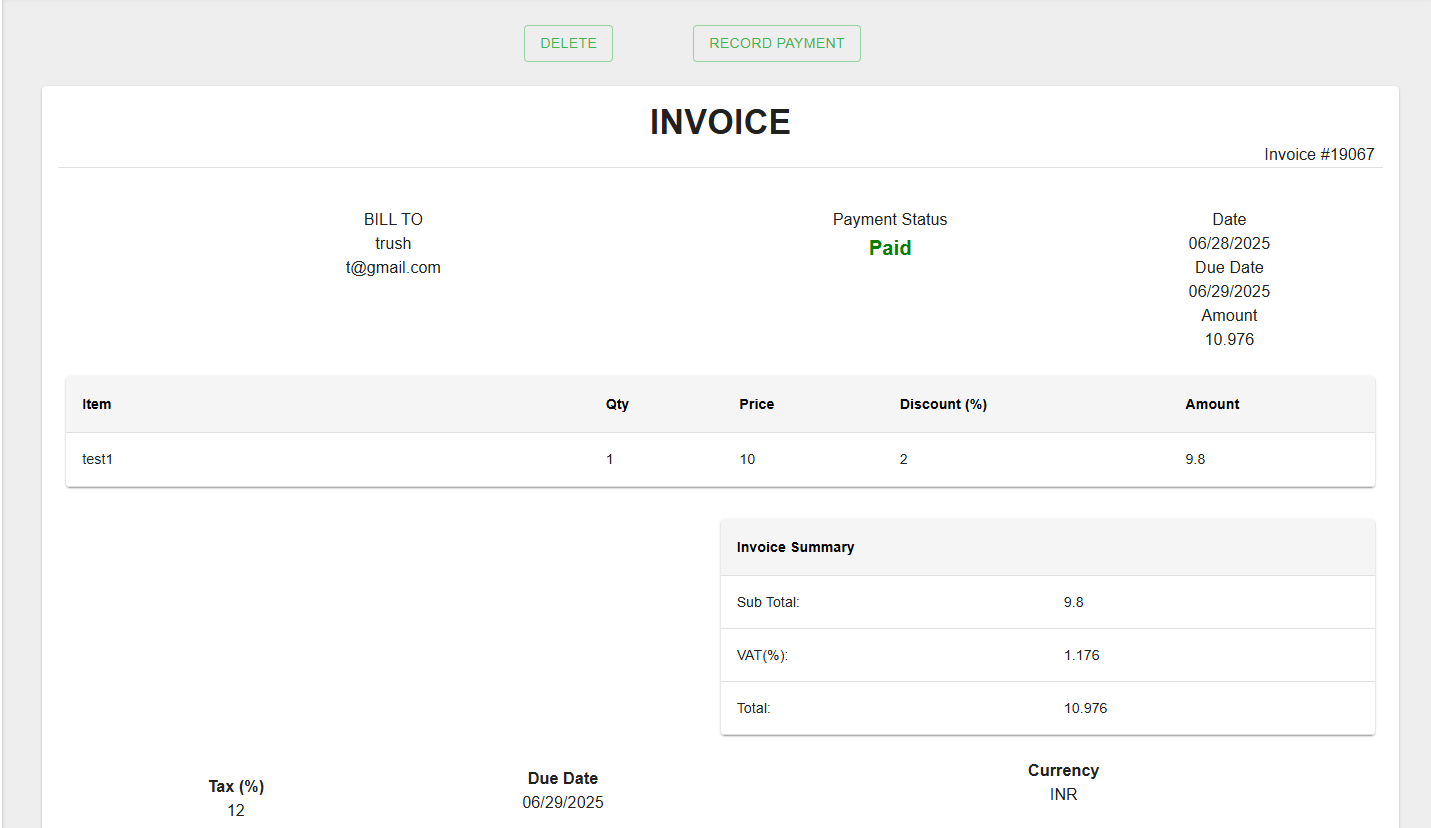
Invoice Page
-
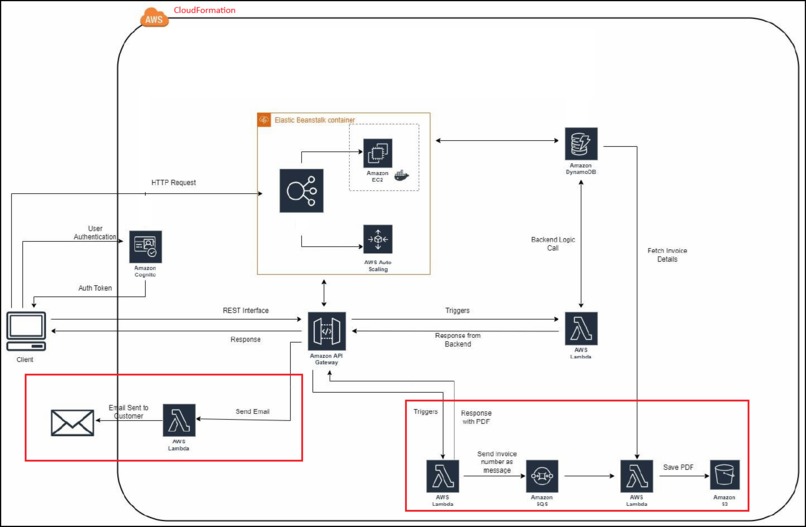
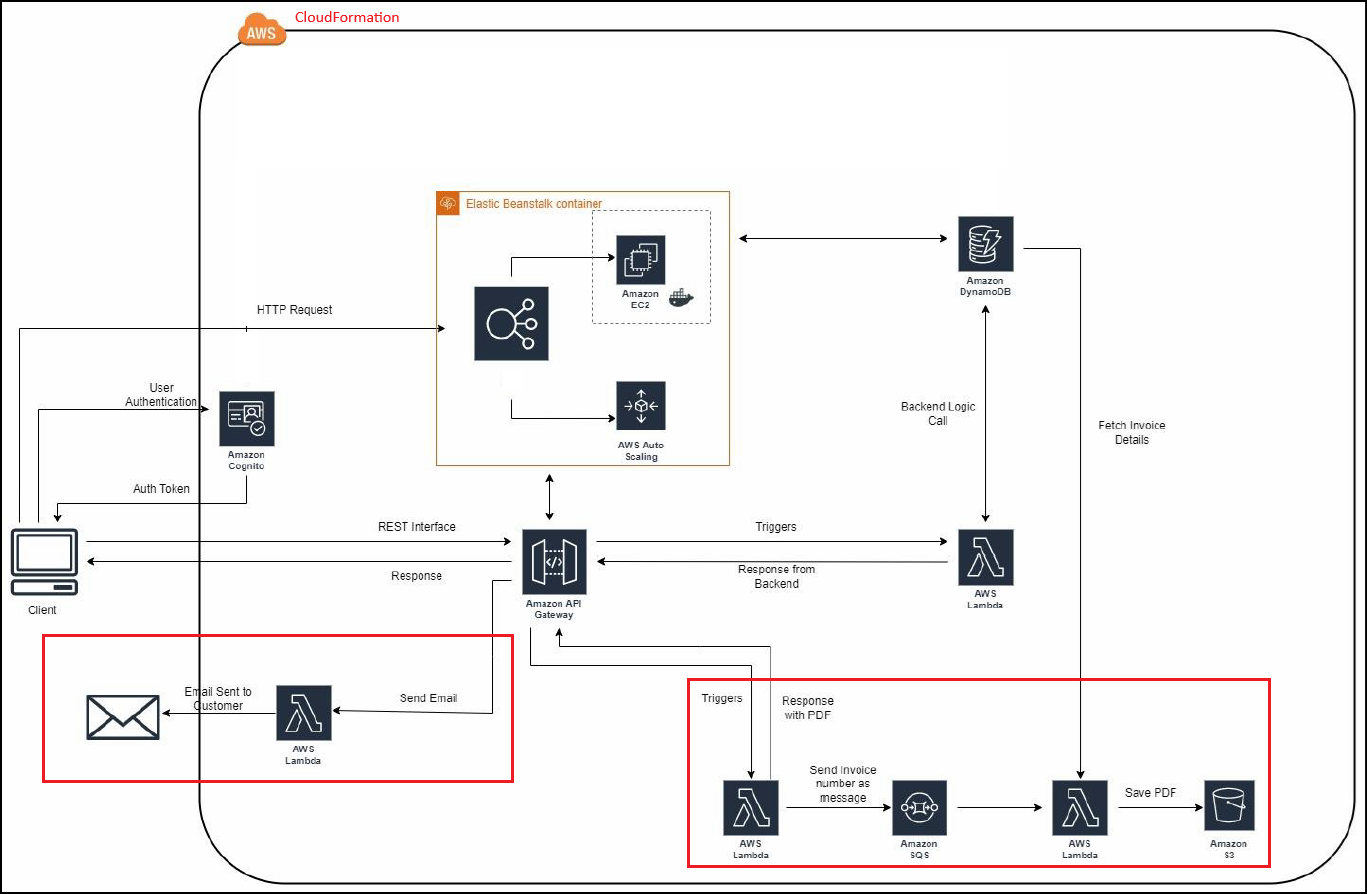
High-level Architecture Diagram
Inspiration
As developers and freelancers ourselves, we noticed a recurring issue: small business owners struggle with managing invoices, tracking payments, and understanding their income without complex tools. Many rely on spreadsheets or expensive accounting software. We wanted to create something simple, efficient, and tailored specifically for them; thus, SmallPay was born.
What it does
SmallPay is a lightweight web application that allows small business owners to:
- Generate invoices.
- Track paid/unpaid status.
- Authenticate users securely.
- Visualize key statistics like total payments, customer count, and invoice history in a clean dashboard.
How we built it
- Frontend: React.js + Material UI
- Cloud: AWS Serverless Architecture (Lambda, API Gateway).
- Cloud Storage: Dynamo DB
Challenges we ran into
- Designing a user-friendly dashboard that’s both informative and minimal.
- Managing state and syncing invoice status updates using AWS Lambda, as there was a learning curve.
- Balancing scope and features within a limited time.
Accomplishments that we're proud of
- Built and deployed a full-stack invoicing application from scratch within a limited timeframe.
- Designed and implemented a production-ready AWS architecture with auto-scaling, load balancing, and serverless integration.
- Developed an interactive dashboard that visualizes key business metrics like invoice stats, payments, and customer count.
- Implemented secure user authentication with Cognito.
- Used AWS CloudFormation to automate infrastructure setup, demonstrating Infrastructure-as-Code best practices.
- Learned new technologies under pressure and collaborated effectively as a remote team.
What We Learned
- Gained hands-on experience in building and deploying a full-stack web application using modern technologies like React, Node.js, and MongoDB.
- Learned how to architect cloud-based applications using AWS services, including EC2, S3, DynamoDB, Lambda, API Gateway, and CloudFormation.
- Understood the importance of scalability and fault tolerance by implementing load balancing and auto-scaling.
- Improved our knowledge of authentication mechanisms by implementing Cognito login systems.
- Explored asynchronous processing (SQS) with AWS Lambda to offload background tasks.
- Enhanced our frontend skills by building a dynamic dashboard to visualize key business metrics.
- Applied Infrastructure-as-Code principles using AWS CloudFormation for automated provisioning.
- Strengthened collaboration and project planning skills while working under time constraints.
What's next for SmallPay
- Capabilities to have Professional invoice PDFs with PDFKit.
- Capabilities of sending the Invoice PDF directly via email.
- Add support for multiple businesses or user roles (e.g., admin, accountant, viewer).
- Integrate with third-party payment gateways like Stripe or PayPal to allow customers to pay directly from the invoice.
- Create a Mobile Application using React Native.
- Implement recurring invoices and automated reminders for overdue payments.
- Enhance dashboard analytics with income trends, tax summaries, payment prediction algorithms, and expense tracking using Machine Learning Models
- Improve mobile responsiveness and build a progressive web app (PWA) for better accessibility.
- Cash flow forecasting for Business Owners to drive informed, valuable decisions to grow their business.
Built With
- amazon-web-services
- apigateway
- cloudformation
- cognito
- dynamodb
- lambda
- materialui
- node.js
- react
- s3


Log in or sign up for Devpost to join the conversation.