Inspiration The idea for SlumberScan was born out of a desire to make sleep disorder diagnosis more accessible and efficient. Sleep disorders like insomnia, sleep apnea, and narcolepsy affect millions globally, yet diagnosing them is often time-consuming and requires expensive sleep studies. With advancements in AI and machine learning, we saw an opportunity to leverage technology to analyze Polysomnography (PSG) data and assist doctors in identifying sleep-related health issues more effectively. Participating in our first-ever hackathon, we were eager to explore how AI can positively impact healthcare.
What We Learned Being our first hackathon, we encountered a steep learning curve. From collaborating as a team under time constraints to integrating complex machine learning models, every step of the project provided valuable insights. We learned how to: Process and clean EEG data from PSG files. Develop a deep neural network model for sleep pattern analysis. Build an interactive web application with authentication and data visualization. Use OpenAI's API to create a chatbot specializing in sleep-related queries. Work efficiently as a team under pressure and manage our time effectively.
How We Built It Technologies Used: Frontend: React, Framer Motion (for animations), JavaScript Backend: Python, PyTorch Database: MongoDB Authentication: JWT (JSON Web Tokens) AI Chatbot: OpenAI API
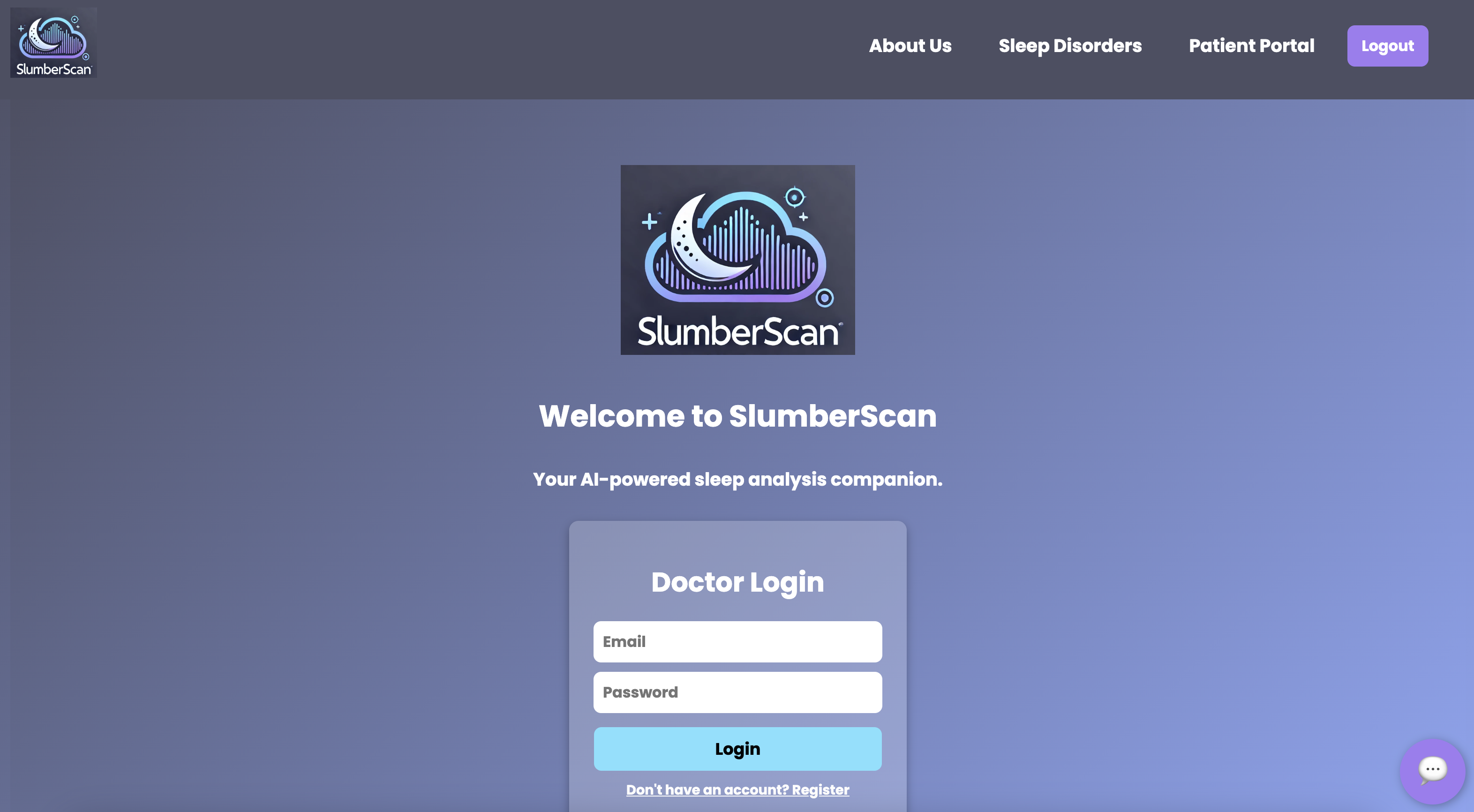
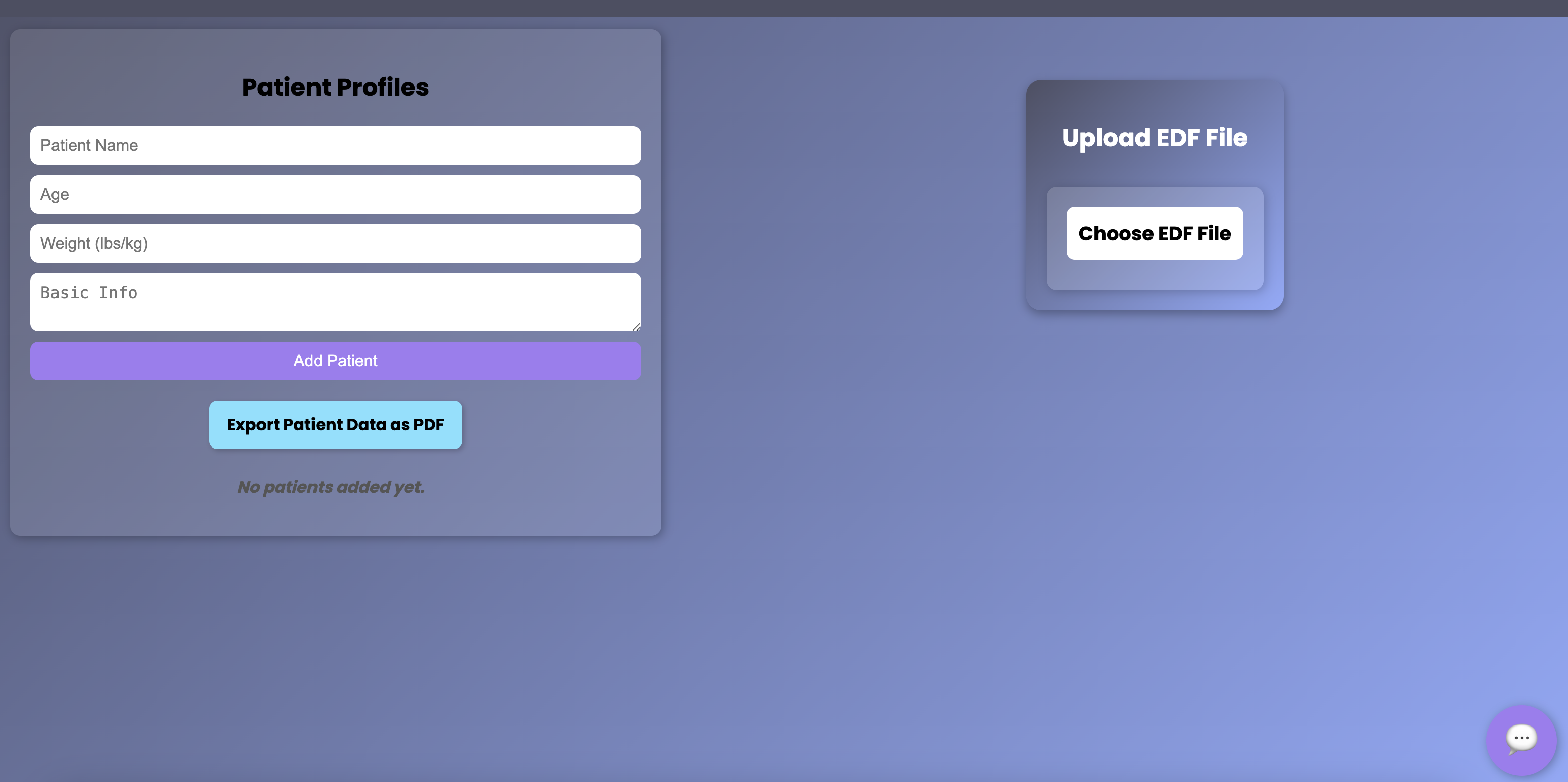
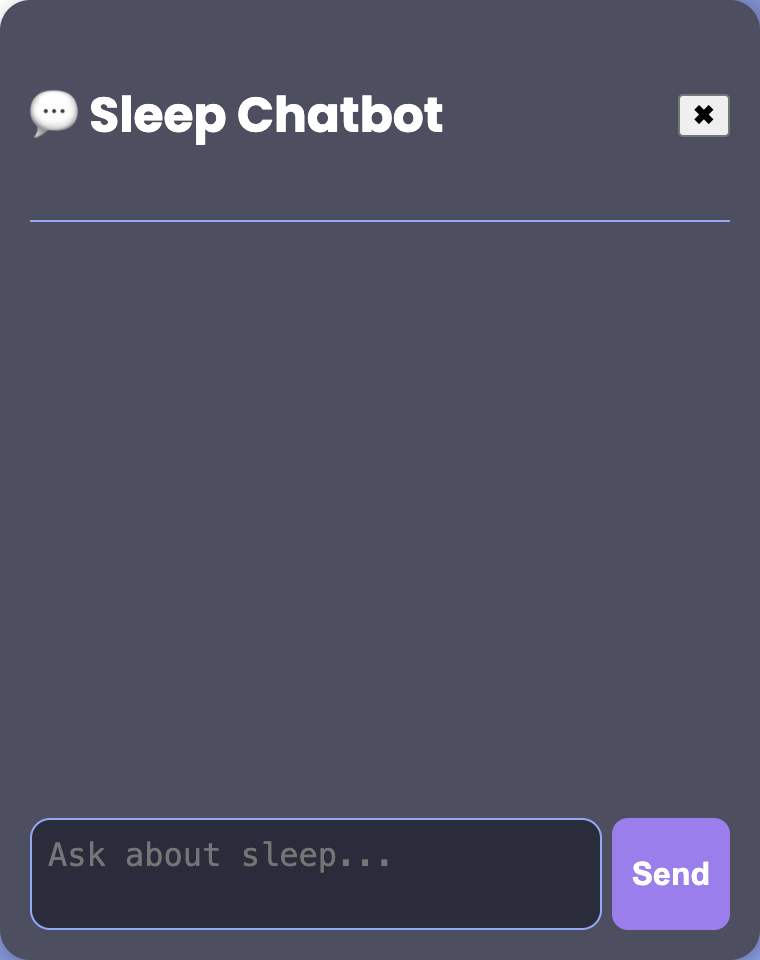
Development Process: Data Processing: We obtained PSG data, cleaned and extracted EEG signals, and preprocessed the data. Model Development: A deep neural network with feature extraction was trained to detect sleep disorders. Web Application: We developed an intuitive UI with secure login, patient profile management, EDF file upload, and EEG visualization. Chatbot Integration: We implemented a chatbot to assist doctors with sleep-related queries.
Challenges We Faced: First Hackathon Experience: As a team new to hackathons, we had to quickly adapt to working under strict time constraints and organizing our workflow efficiently. Handling EEG Data: Preprocessing and cleaning EEG signals required significant effort and learning new techniques for filtering noise. Optimizing the AI Model: Finding the right balance between accuracy and computational efficiency was challenging. Integration of Components: Merging the frontend, backend, AI model, and chatbot while maintaining smooth functionality was a complex task.
Impact on Healthcare & Future Potential: SlumberScan has the potential to revolutionize how sleep disorders are diagnosed. By providing an AI-driven approach to analyzing PSG data, we aim to: Increase Accessibility: Doctors can analyze sleep data quickly, reducing the need for expensive and time-consuming sleep studies. Enhance Diagnostic Accuracy: AI models can detect subtle patterns that might be missed in manual analysis. Enable Real-Time Monitoring: With future improvements, SlumberScan could integrate with wearable EEG devices for continuous sleep tracking. Expand Telemedicine Capabilities: Remote analysis and chatbot-assisted consultations could improve healthcare access in underserved areas.
Conclusion: SlumberScan represents a step toward AI-driven solutions in healthcare, specifically for sleep medicine. This hackathon allowed us to gain hands-on experience in data science, AI, and web development while working towards a meaningful impact. With further development and integration, SlumberScan could become a powerful tool for sleep specialists and healthcare providers worldwide.


Log in or sign up for Devpost to join the conversation.