-
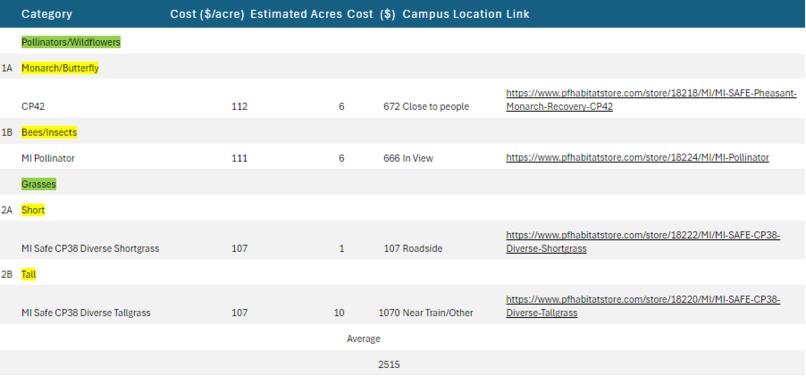
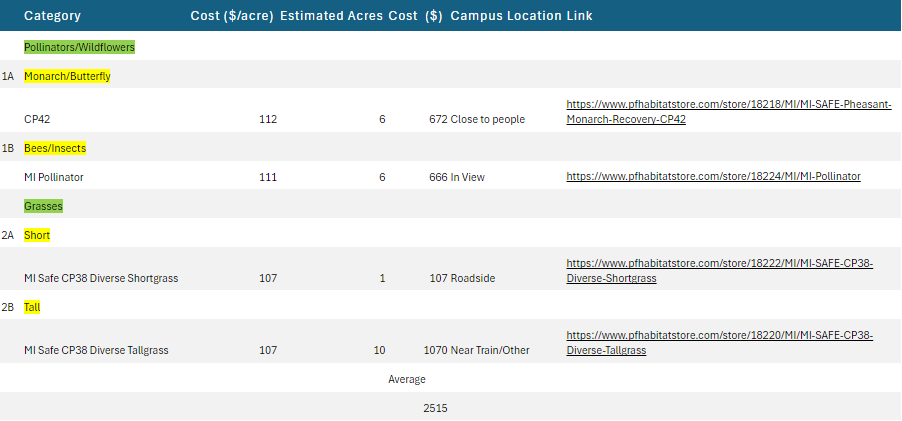
This table shows the seed mix types, their cost, where they should be planted, and where they can be purchased.
-
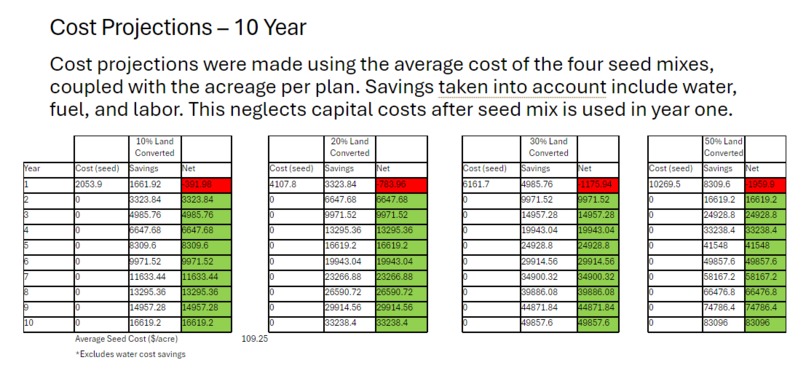
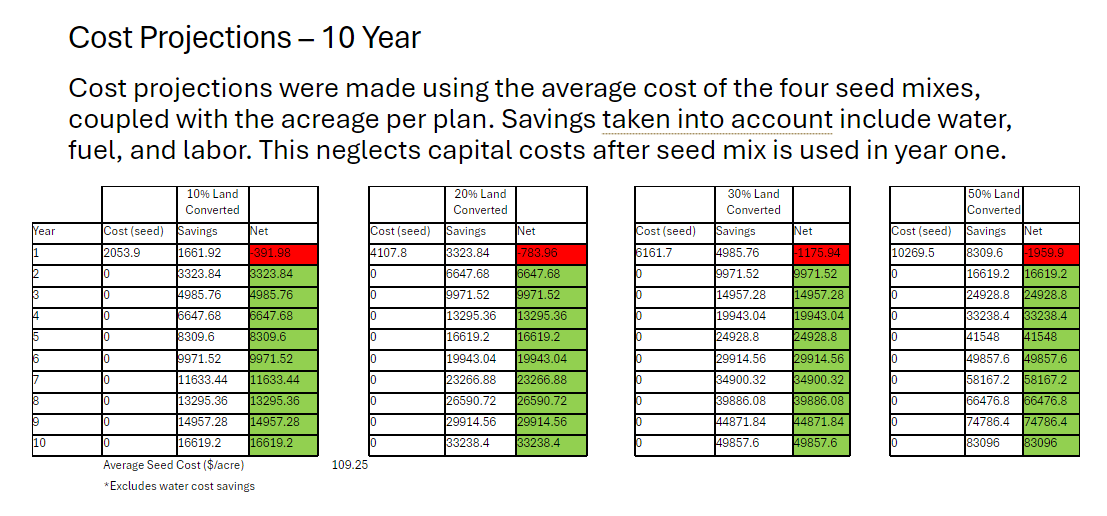
This is a table of the yearly savings per percent land conversion plan, over the course of ten years.
-
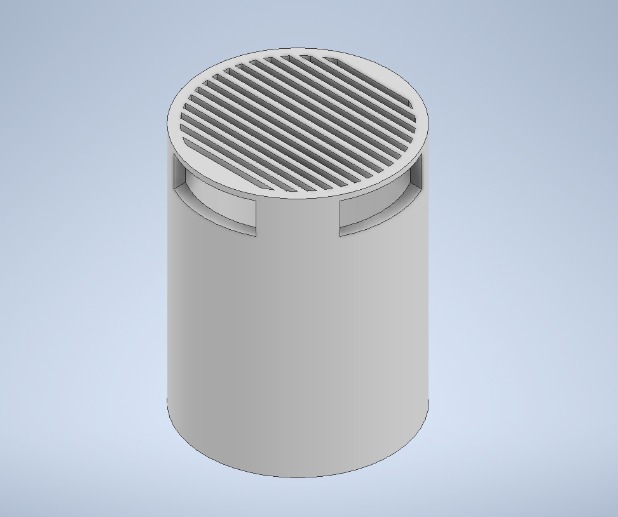
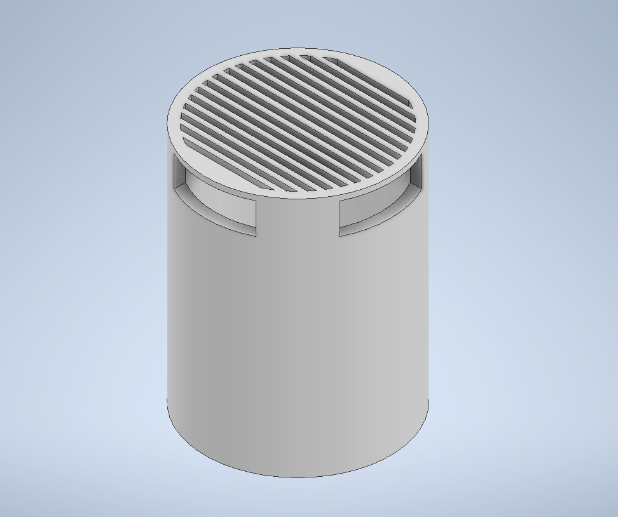
This is a 3D model representation of a modified outflow structure that can be added to drainage ditch pipes to retain more water.
-
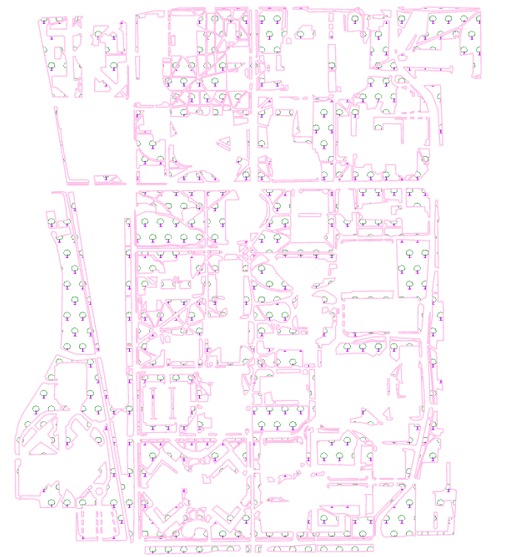
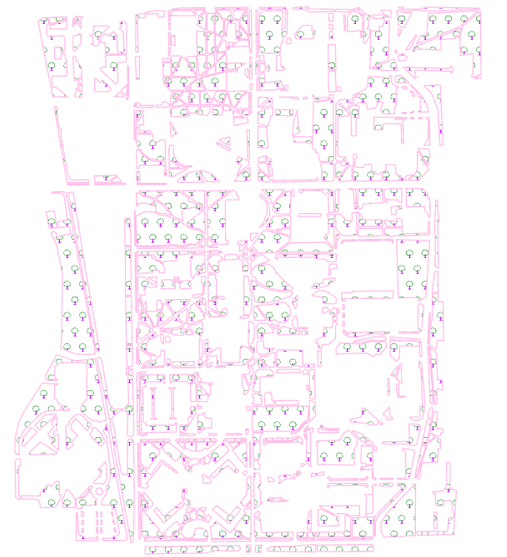
This is the ArcGIS model showing all of the mowed grass on main campus, with the base layer off.
-
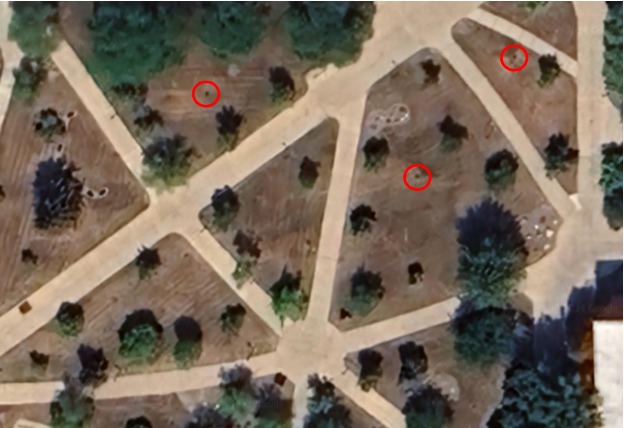
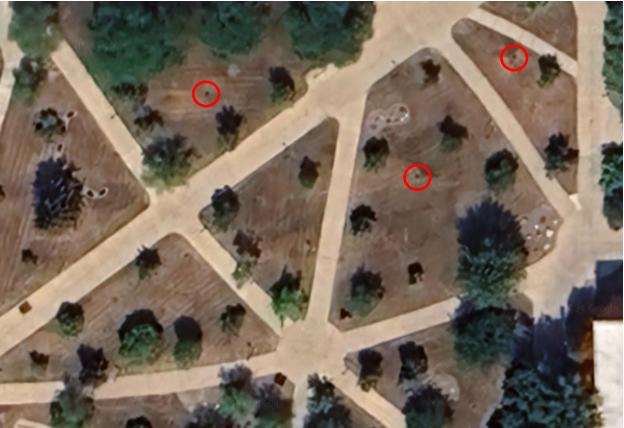
This photo shows one area (between Anspach and Pearce Hall) where pre-existing drainage ditches exist and can be made into ponds.
-
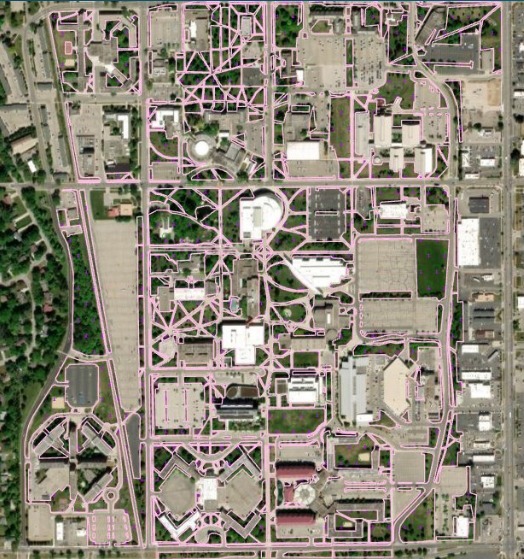
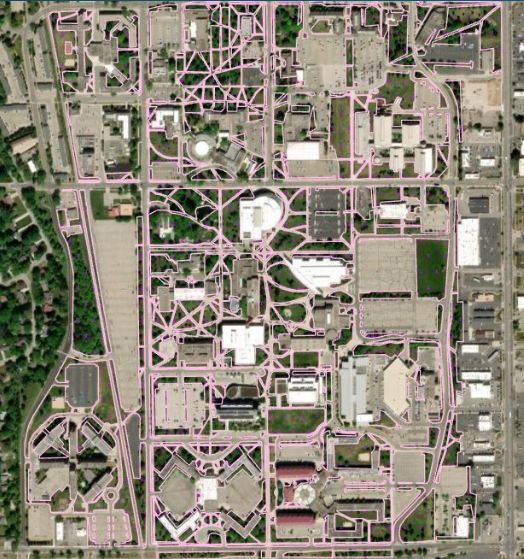
This is the ArcGIS model showing all of the mowed grass on main campus, with the base layer on.
-
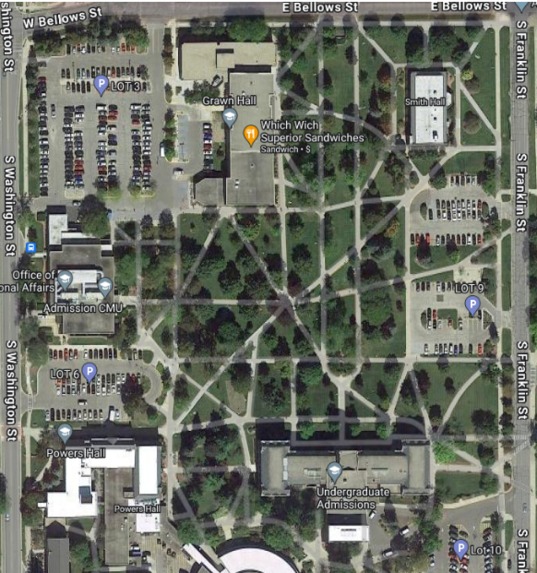
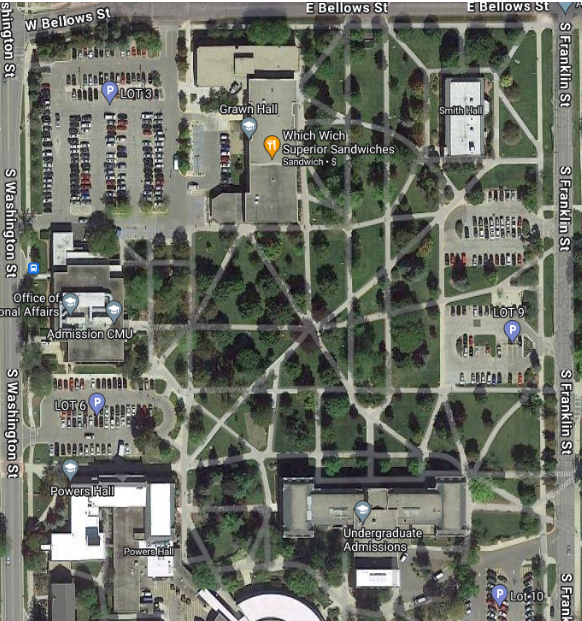
This is a map of the North side of campus, with a web of sidewalks and small grassy islands.
-
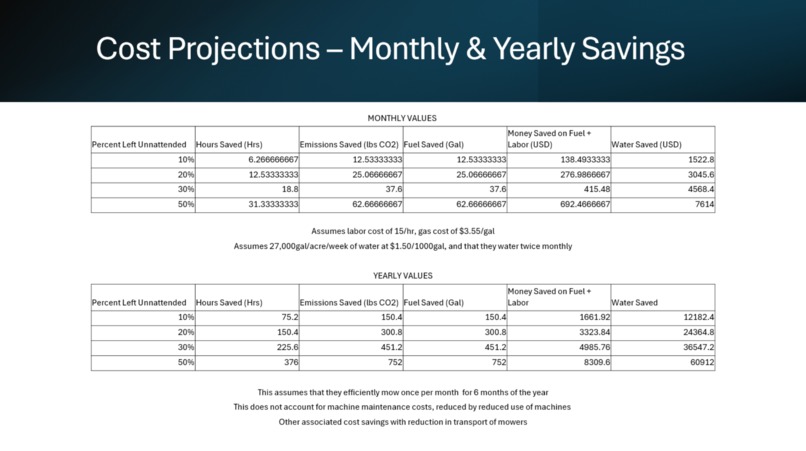
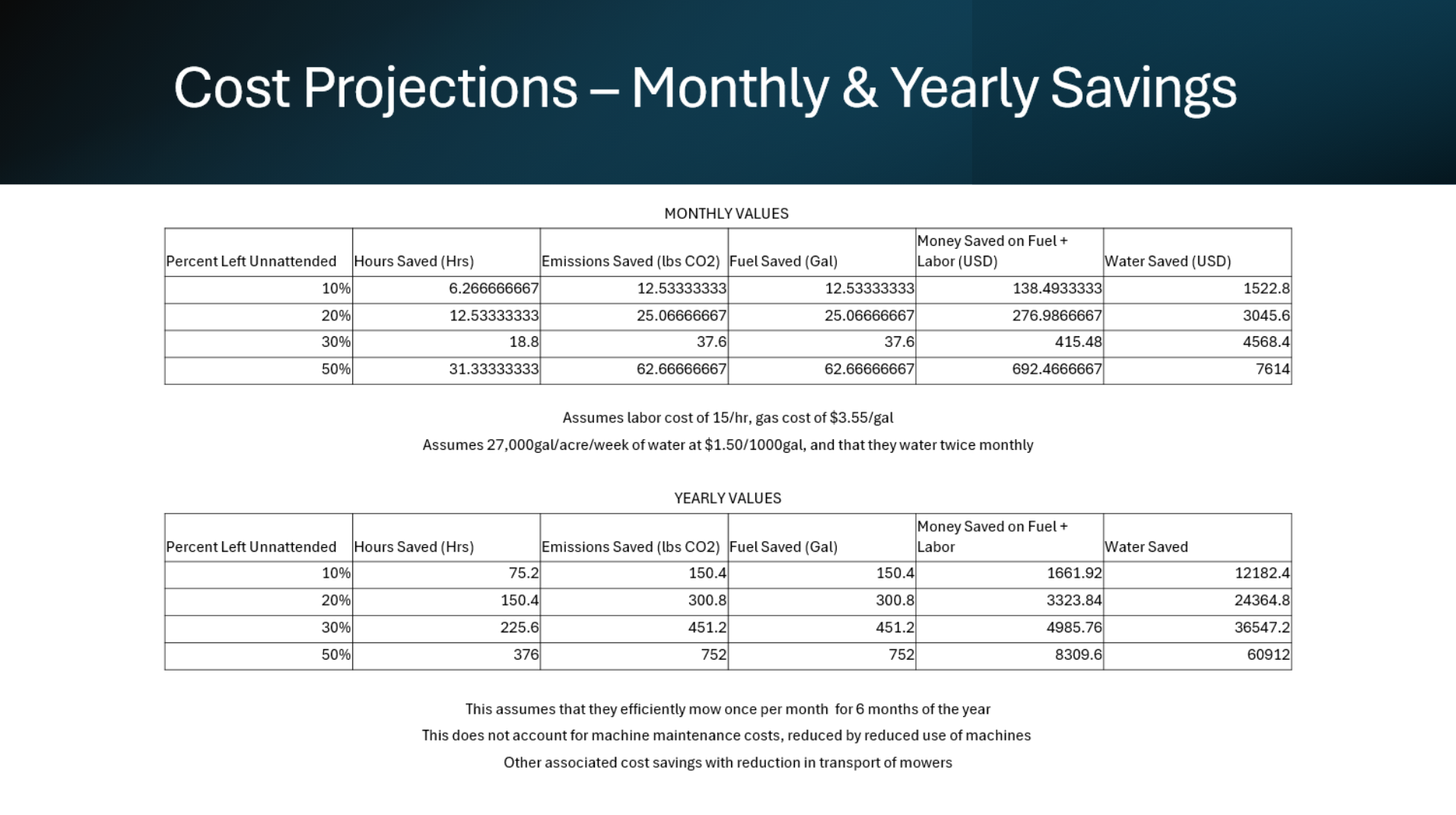
This is a table of the monthly and yearly savings, per percent land conversion plan.
-
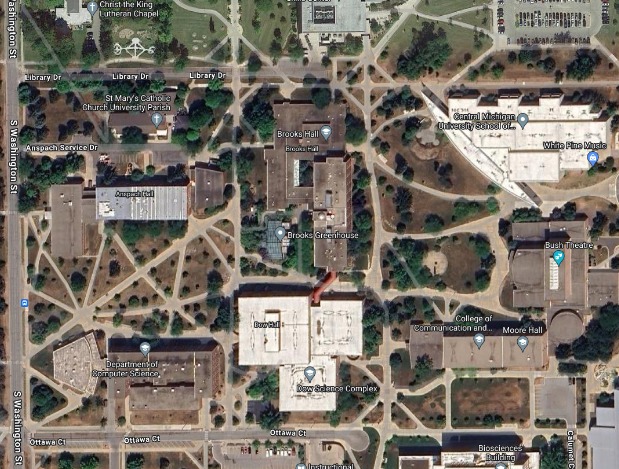
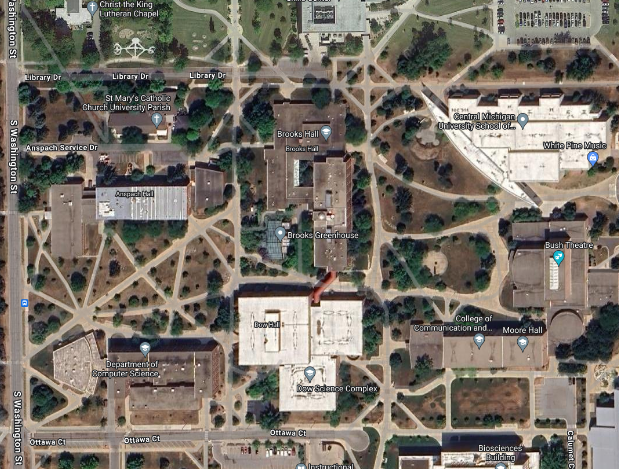
This is a map of the South side of campus, with a web of sidewalks and small grassy islands.
-
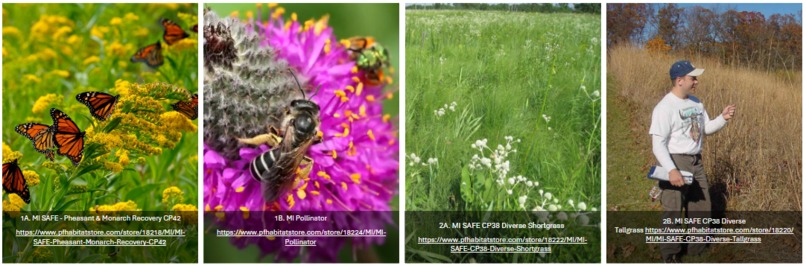
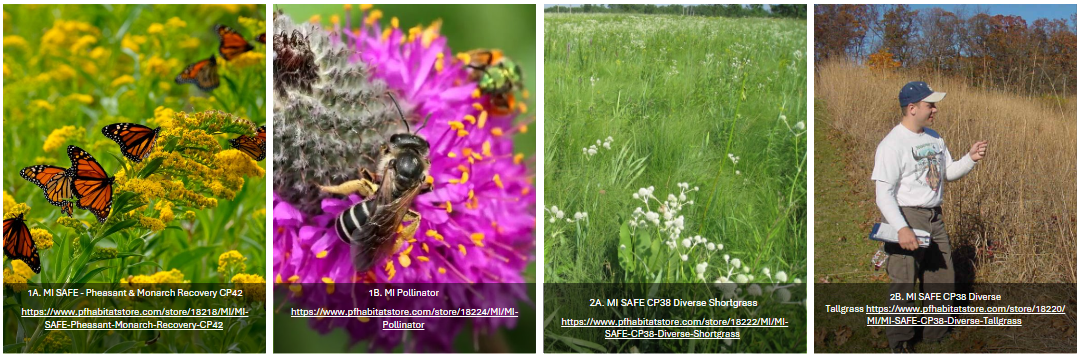
This is the graphic created to display the four different chosen seed mixes visually.
Inspiration
The inspiration for this solution came form observing aerial photographs of our campus, and realizing how many small grassy spaces are created by the web of sidewalks, many of these areas much to small to serve any purpose. These areas are continually mowed, and we feel it would be in CMU's best interests to cut both mowing costs and emissions by repurposing these spaces.
What It Does
Our project lays out the basis for CMU to create natural gardens and small ponds on campus in pre-existing spaces, with minimal capital cost.
Natural gardens can be created easily by removing the pre-existing grass in unused areas and planting native plant species, many of which can be picked to attract certain species of pollinators and birds. This could be done in a very cost-effective approach by purchasing native plant seeds as opposed to individual plants that would need to be de-potted and planted. This would, for low capital cost, create areas that look beautiful, attract wildlife, and greatly reduce the amount of mowing that CMU grounds must do.
Small detention ponds can be created by extending the existing drainpipes to accommodate more water in those drainage basins. Doing this has the same effect as the natural gardens – they can harbor aquatic plant and animal life and look beautiful. However, detention basins serve many other purposes. Detention basins hold and store rainwater and runoff, and reduce the load on Mount Pleasant’s main drain, the Upton Drain, by allowing the excess remaining water to slowly drain into the ground. Ponds also act as natural water filters, and many species of plants and animals can help to break down organic material and nutrients, improving water quality.
How We Approached the Problem
In order to set up this plan, we had to analyze how much area on CMU's campus is actually mowed, and we did this by painstakingly mapping all of the grassy areas on our campus. Once we determined how much area is mowed, we researched data regarding mow times/hours, mower emissions, and fuel consumption. Using this data, we set up a series of cost analysis tables in excel, and determined that - in addition to water cost savings - CMU could be savings thousands of dollars in mowing-related costs yearly.
Once we determined that a baseline plan could save the University money, we dove into ways to transform these areas without large capital costs. We came up with four types of Michigan-native seed blends that could be used to make natural gardens across campus, at low cost. Each seed mix has a different purpose, and we spent much time determining where these mixes would be most appropriate for certain areas of campus, based on their appearance, and the wildlife they attract. We also procured a very simple drainage basin pipe add-on that would allow water to pool in the pre-existing drainage ditches and create small, water-level regulated ponds. These ponds could harbor hundreds of species of aquatic plant and animal life, mitigate load on the Upton drain system, and be a space for on-campus research opportunities.
Challenges we ran into
The main challenge we faced was coming up with the idea. the problem statements were very broad, and allowed for a lot of creativity, which led to discussions of dozens of different ideas before settling on an idea that we believed had realistic efficacy and a heavy sustainability focus.
Accomplishments That We're Proud Of
We are very proud of pulling together and getting a solid idea down. The brainstorming process was very challenging but we are proud of how thorough our analysis of this problem is and hope the judges take notice!
What We Learned
We learned that CMU spends a lot on mowing, needlessly tending to areas that see no student use. The mowers burn fuel, produce emissions, and cost thousands of man-hours to tend to grass that serves little purpose and provides little for native species.
What's Next for Slowing on Mowing
Hopefully we have a Hackathon 2024 win in the near future, as well as a plan that would allow for better allocation of University funding and a more natural and attractive campus.





Log in or sign up for Devpost to join the conversation.