-
-
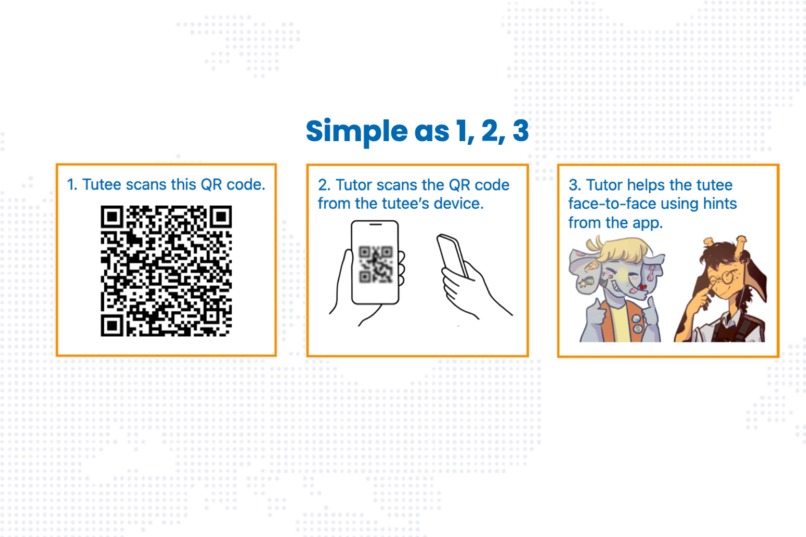
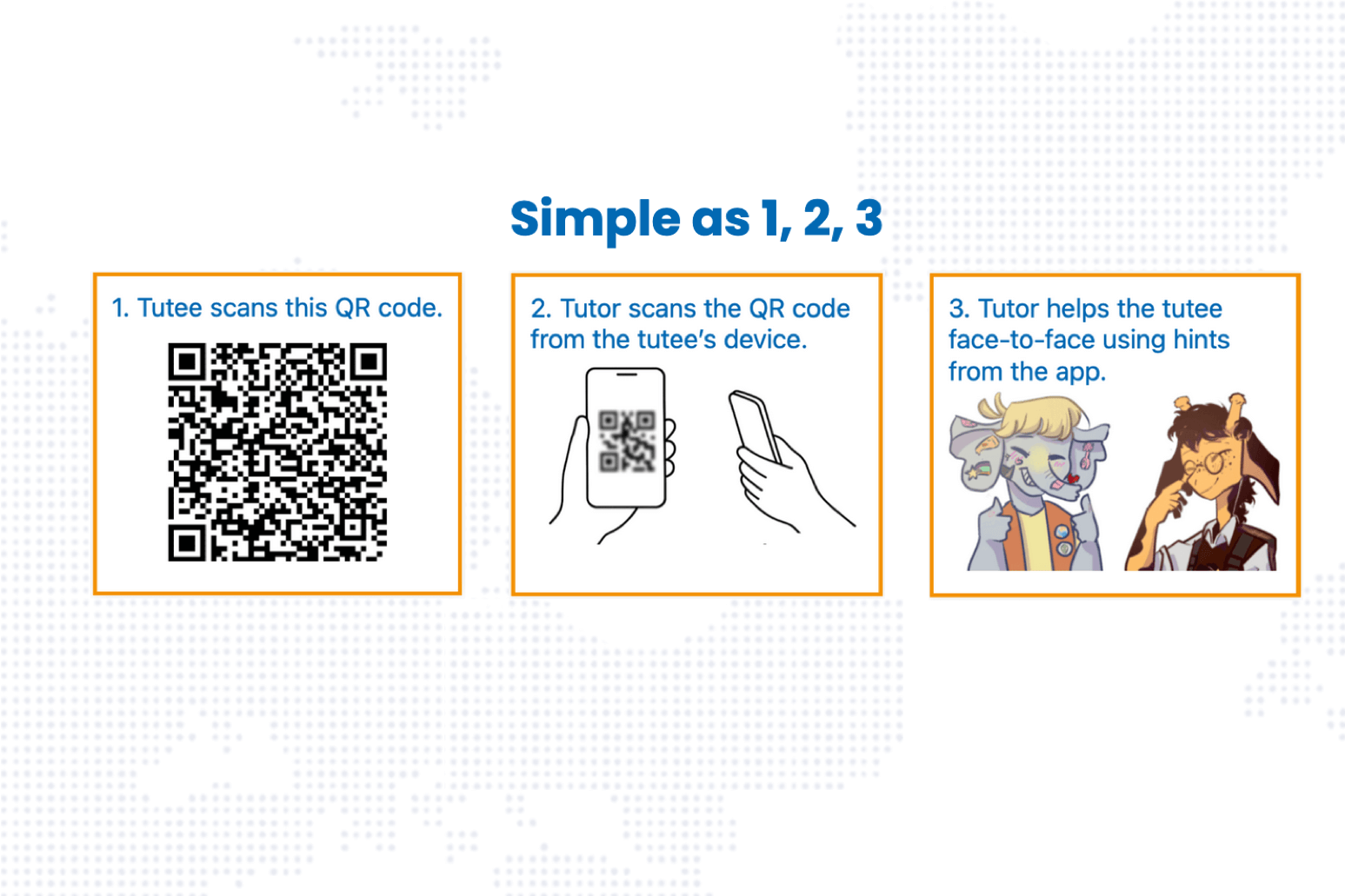
Slonig is simple.
-
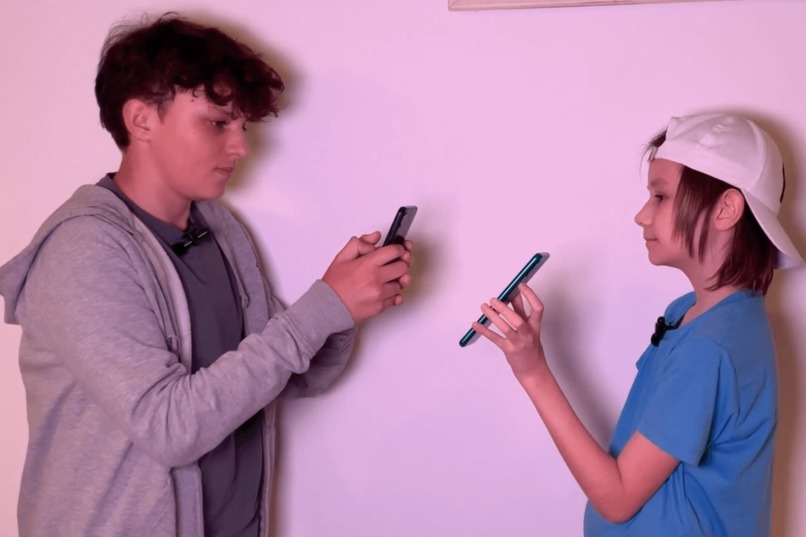
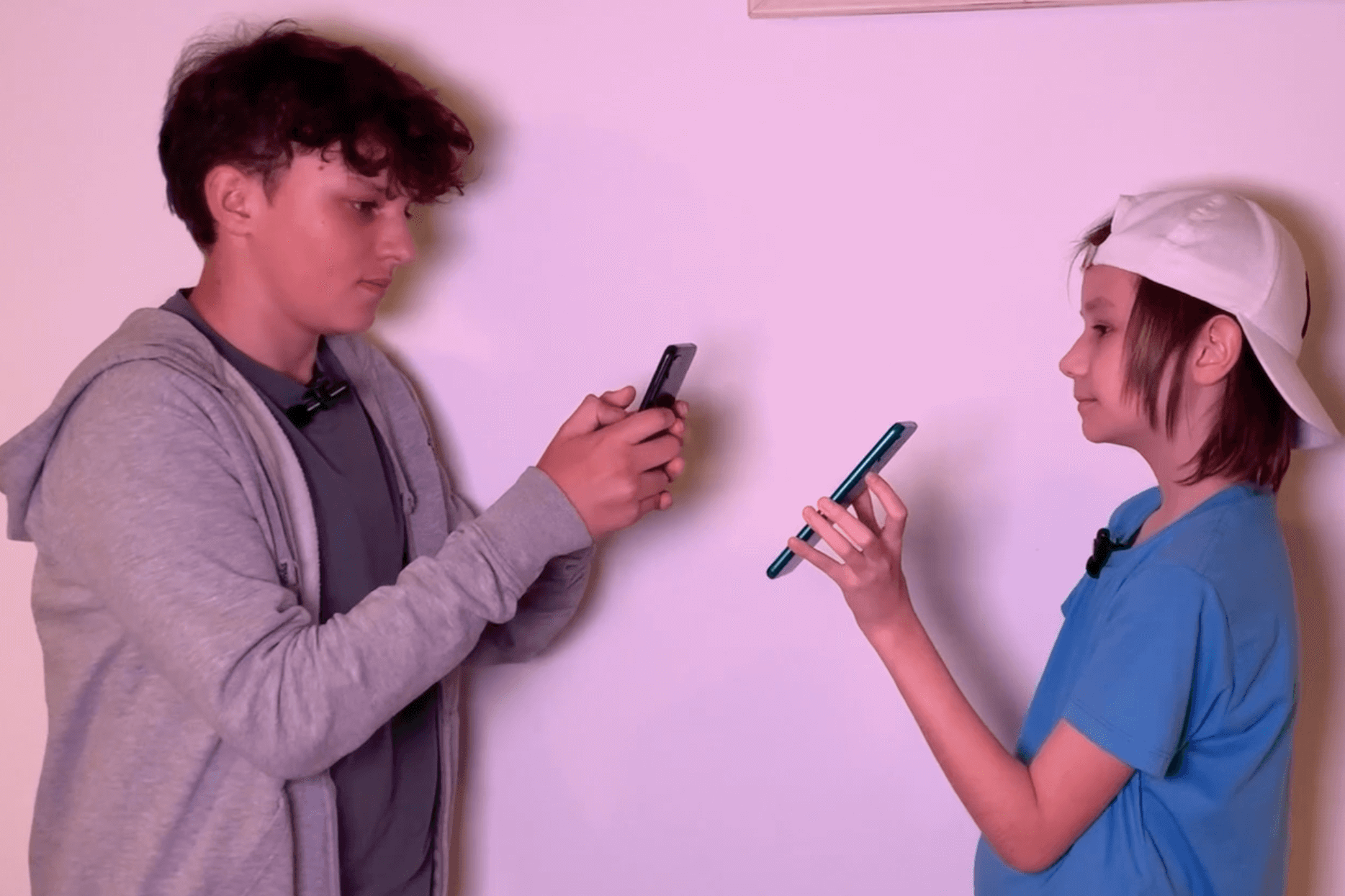
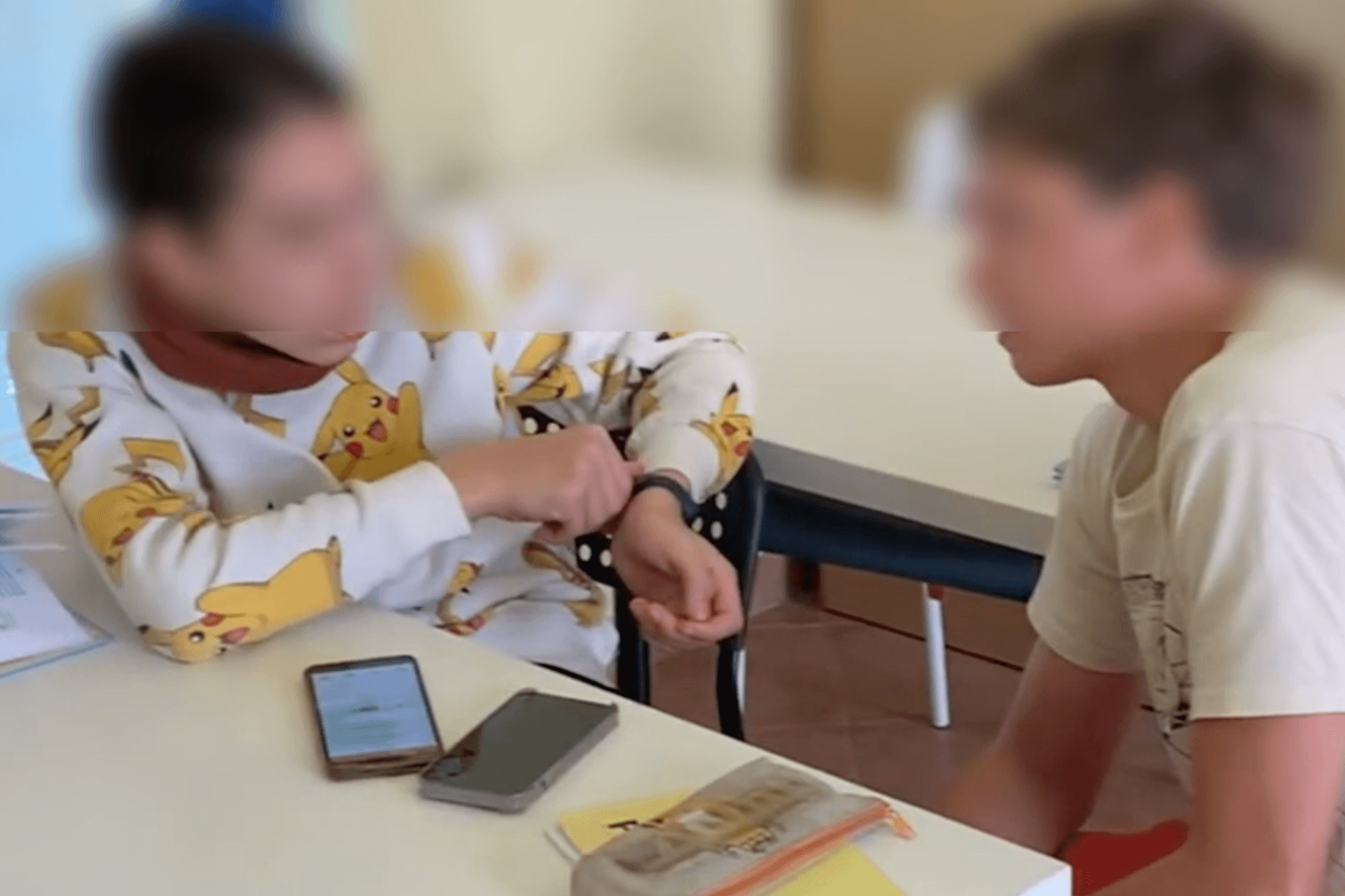
Any student can receive tutoring from a classmate.
-
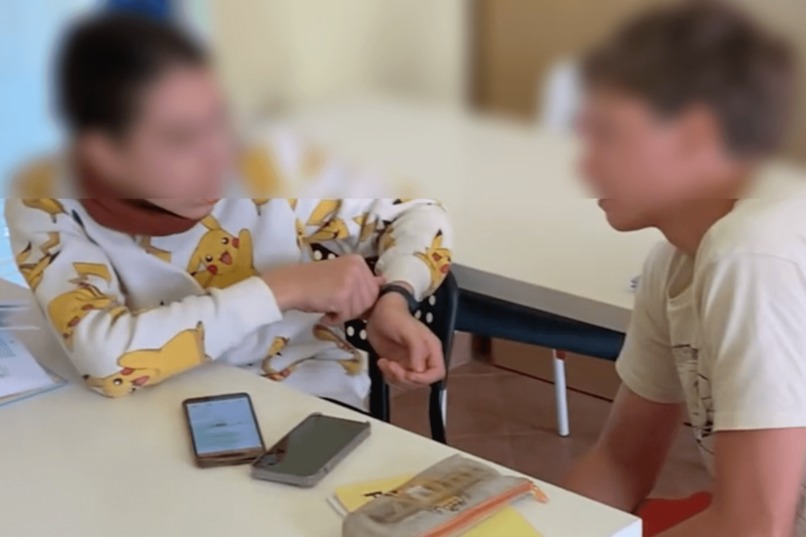
Slonig guides a tutor how to teach.
-
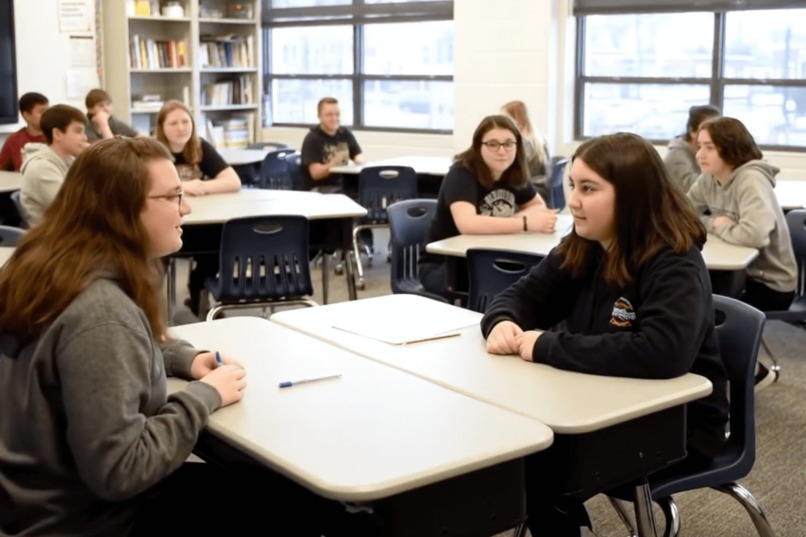
It scales to any classroom size
-
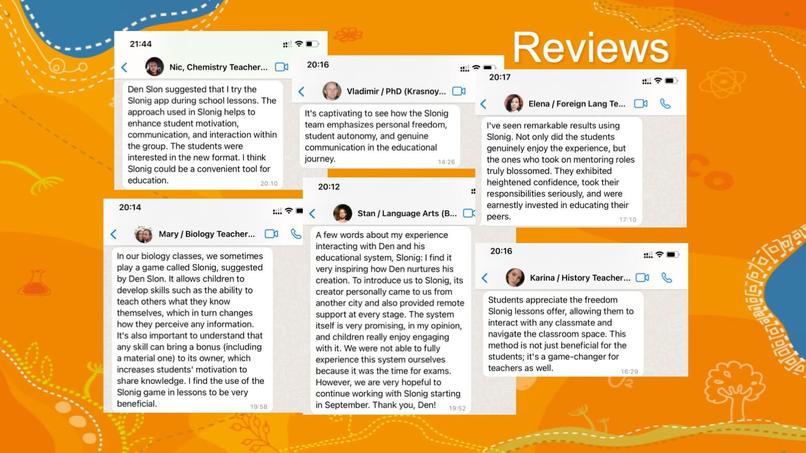
Teachers are happy!
Inspiration
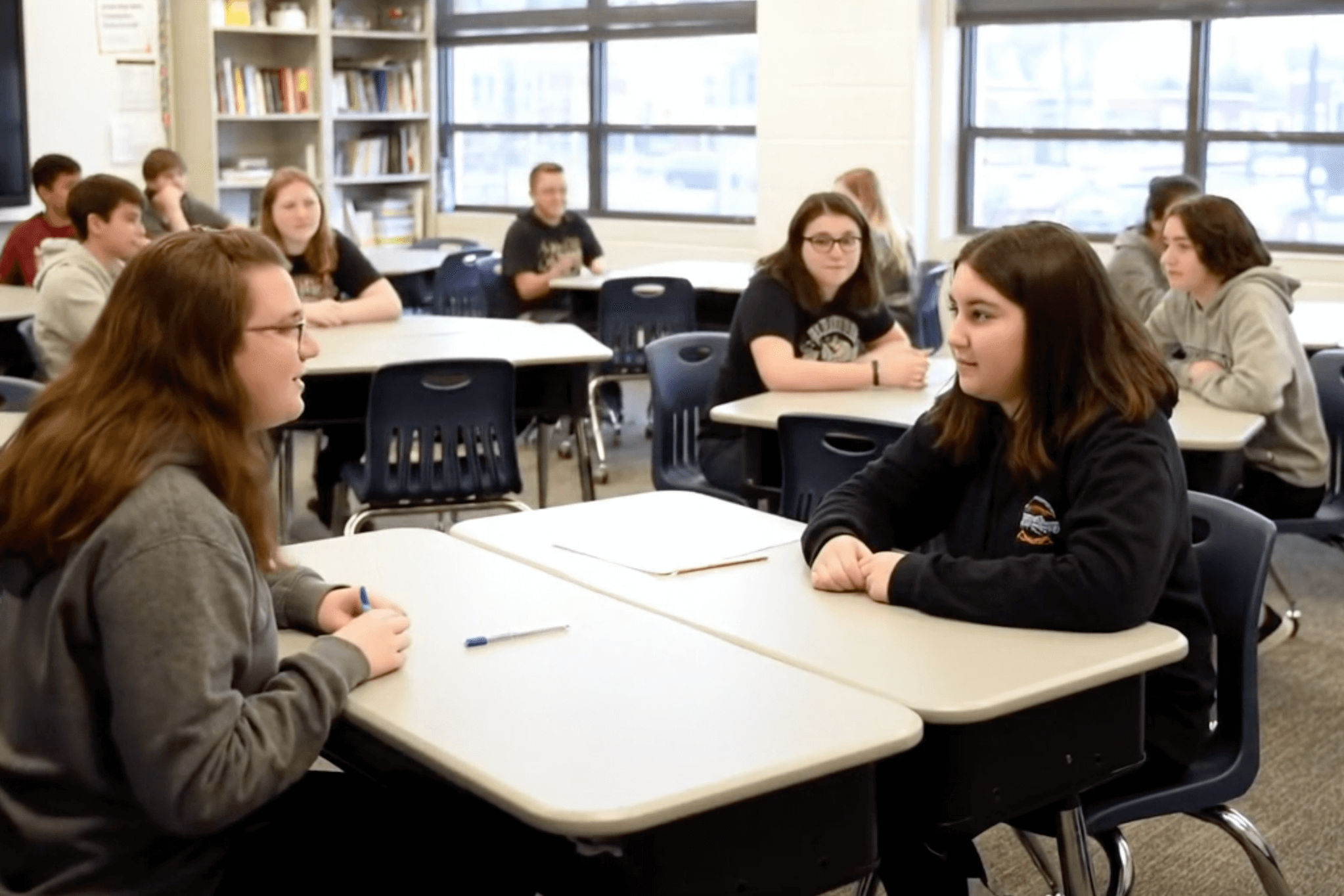
The idea for Slonig was born in our private school. We saw how students struggled to get their teacher’s attention — after all, a teacher has only two ears and one mouth, yet must answer 30 students’ questions in a 40-minute lesson. That’s simply impossible.
We began researching and discovered that decades of studies show peer learning—students teaching and learning from one another—is one of the most effective and equitable ways to improve learning outcomes (Alegre-Ansuategui et al., 2017). It can also be scaled easily in large classrooms.
However, when we tried to implement peer learning ourselves, we ran into a major issue: students are not naturally good at teaching (and, honestly, even teachers struggle with it sometimes). So we decided to build an app that guides “young tutors” step by step through how to teach their peers effectively.
By 2025, we had rewritten this app several times and piloted it in real classrooms. Yet one problem remained — onboarding new users took about 25 minutes, which made it impractical in school settings where every minute counts.
During the hackathon, we focused entirely on UX and UI, redesigning the experience so that onboarding became incredibly fast and intuitive.
What it does
During the hackathon, we completely reimagined how a tutor and tutee interact. The new tap-through script guides both students seamlessly from exercise to feedback, then to a student-generated example, error correction, and finally, earning a mastery badge. Every step is intentional—there’s no way to get lost or stuck.
We also transformed the onboarding process. What once required about 25 minutes of training now takes just five minutes, thanks to a peer-led quickstart and an anti-dead-end UI that gently steers users forward even if they make mistakes.
Recognizing that classrooms today are multilingual, we added UI support for the world’s most common languages, allowing students from different linguistic backgrounds to start learning together immediately.
To ensure both quality and fairness, tutors now award cryptographically signed badges, and any misuse can be challenged. A built-in classroom “Slon” token helps maintain balance between teaching and learning roles.
And from the start, we built privacy by design: all progress data stays on the device, with no personal or contact information ever collected.
How we built it
During the hackathon, we completely rewrote the UX. We mapped every micro-step of the tutoring algorithm, removed unnecessary branches, and turned each screen into a single, clear action. The goal was to eliminate confusion—every tap now moves the user confidently toward the next step.
We then tested the new design on first-time users, carefully observing how they interacted, where they hesitated, and what caused friction. Each insight from these live sessions shaped the next iteration of the flow. By the end of the hackathon, the interface felt natural even for someone seeing it for the first time.
At the same time, we onboarded three Austrian English teachers who will pilot the system in Vienna schools. They’ll use Slonig to teach English through structured peer tutoring, giving us valuable classroom feedback from real educators.
Under the hood, Slonig runs as a lightweight web app, storing badges and session results locally, with optional sync for shared devices or analytics.
Challenges we ran into
One of our biggest challenges was ensuring a no-dead-end experience. We wanted the tutoring process to feel natural and flexible, yet completely deterministic—no screen or decision could leave a student stuck or uncertain. Balancing this structure with pedagogical nuance required several design iterations and testing cycles.
We also struggled to design fair incentives. The Slon token system had to encourage healthy tutoring rotations. Finding that balance—where motivation feels organic rather than forced—was both a behavioral and design challenge.
Another major challenge was achieving multilingual clarity. Translating not just the interface but the pedagogical meaning of every prompt into multiple languages required deep testing with bilingual users to make sure the instructions stayed precise and culturally neutral.
Accomplishments that we're proud of
- 25 → 5 minute onboarding with first-use success (zero stuck states).
- UX validated on real users during the hackathon, producing measurable improvements.
- Teacher adoption: onboarded 3 Austrian English teachers to start pilots in Vienna.
- Built-in mastery: the scripted loop (feedback → recall → example → correction → repetition) directly in UI.
What we learned
- Watching real users reveals friction we could never predict—small button placements or unclear transitions can block learning.
- Peer onboarding and micro-skills drastically lower cognitive load.
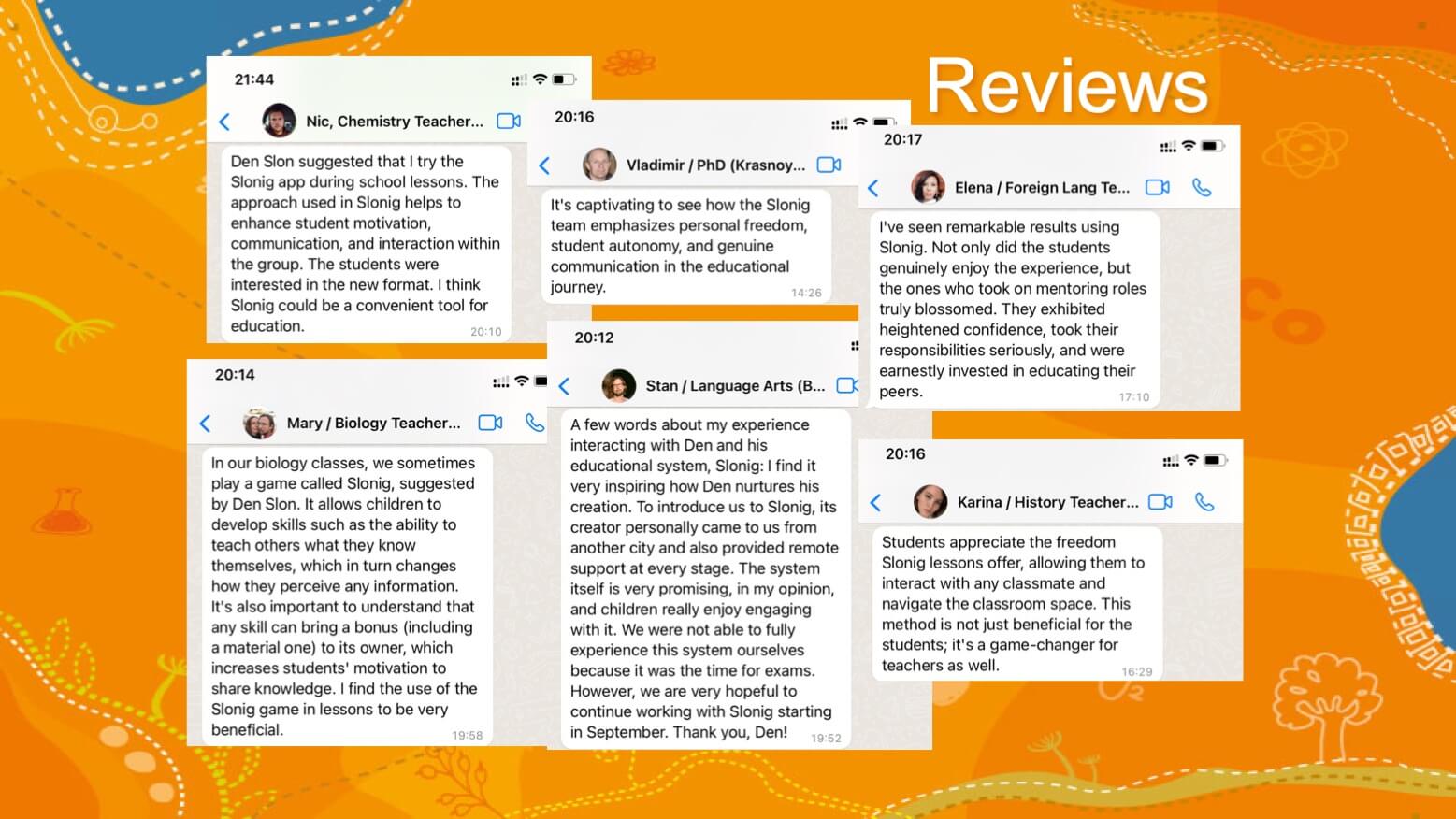
- Teachers appreciate tools that make student tutoring structured and traceable.
What's next for Slonig - free tutoring at schools
- Pilots in Vienna with the newly onboarded teachers to gather classroom data.
- RCTs at partner schools across countries to measure learning gains.
- Teacher dashboard for badge validation, skill tracking, and pacing metrics.
- Curriculum expansion and community translations to reach more schools worldwide.
Built With
- ipfs
- polkadot
- rust
- substrate
- typescript


Log in or sign up for Devpost to join the conversation.