Inspiration
Slimehold: Goo Frontier was inspired by my love for tower defense games and by the challenge of imagining a mobile-first Meta Horizon Worlds experience that could be readable, social, and replayable inside a short session. I currently work on one of the largest tower defense games on Roblox, Paradoxum Games' Tower Defense Simulator, so I wanted to bring that design experience into a fresh concept with its own identity instead of copying what already works.
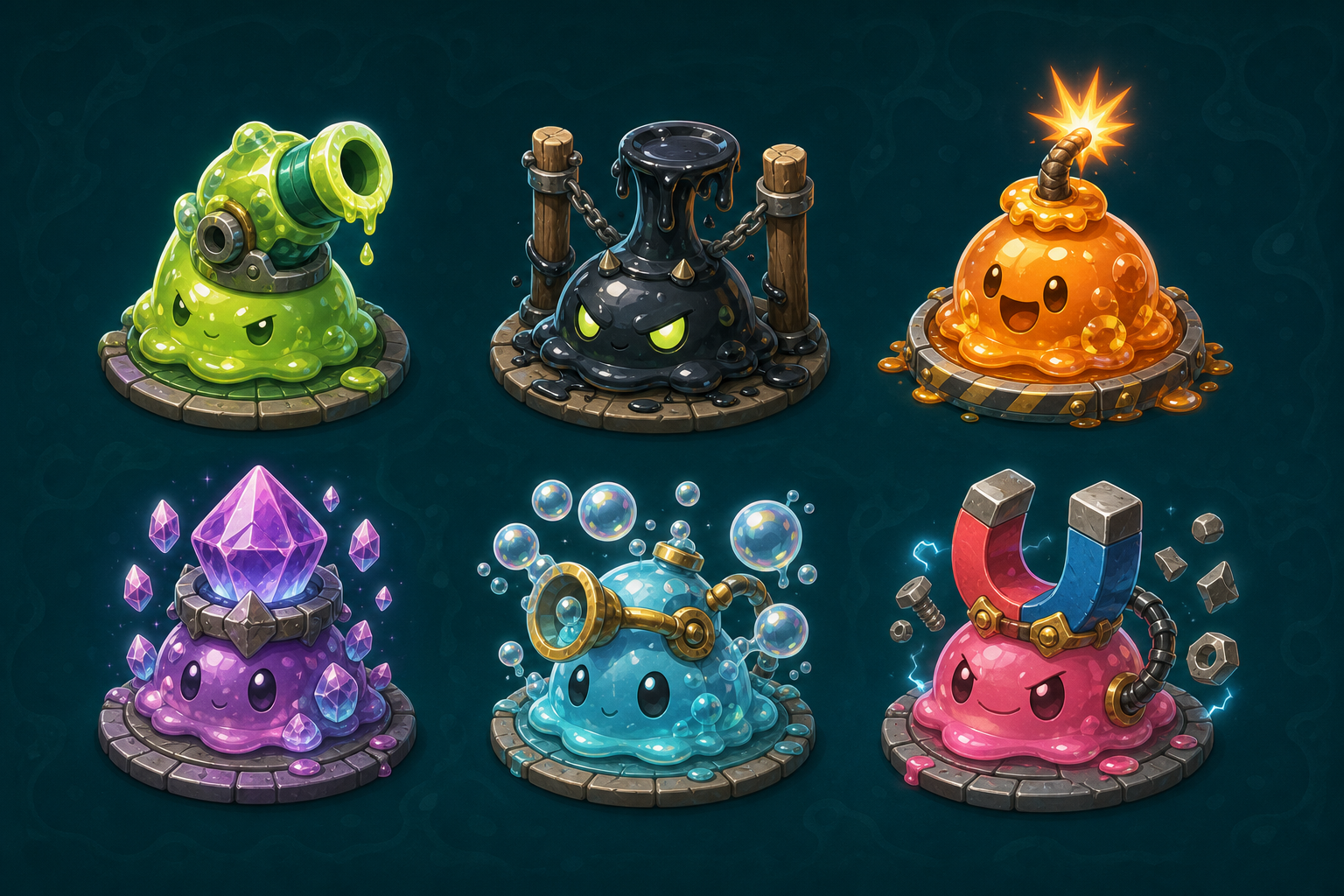
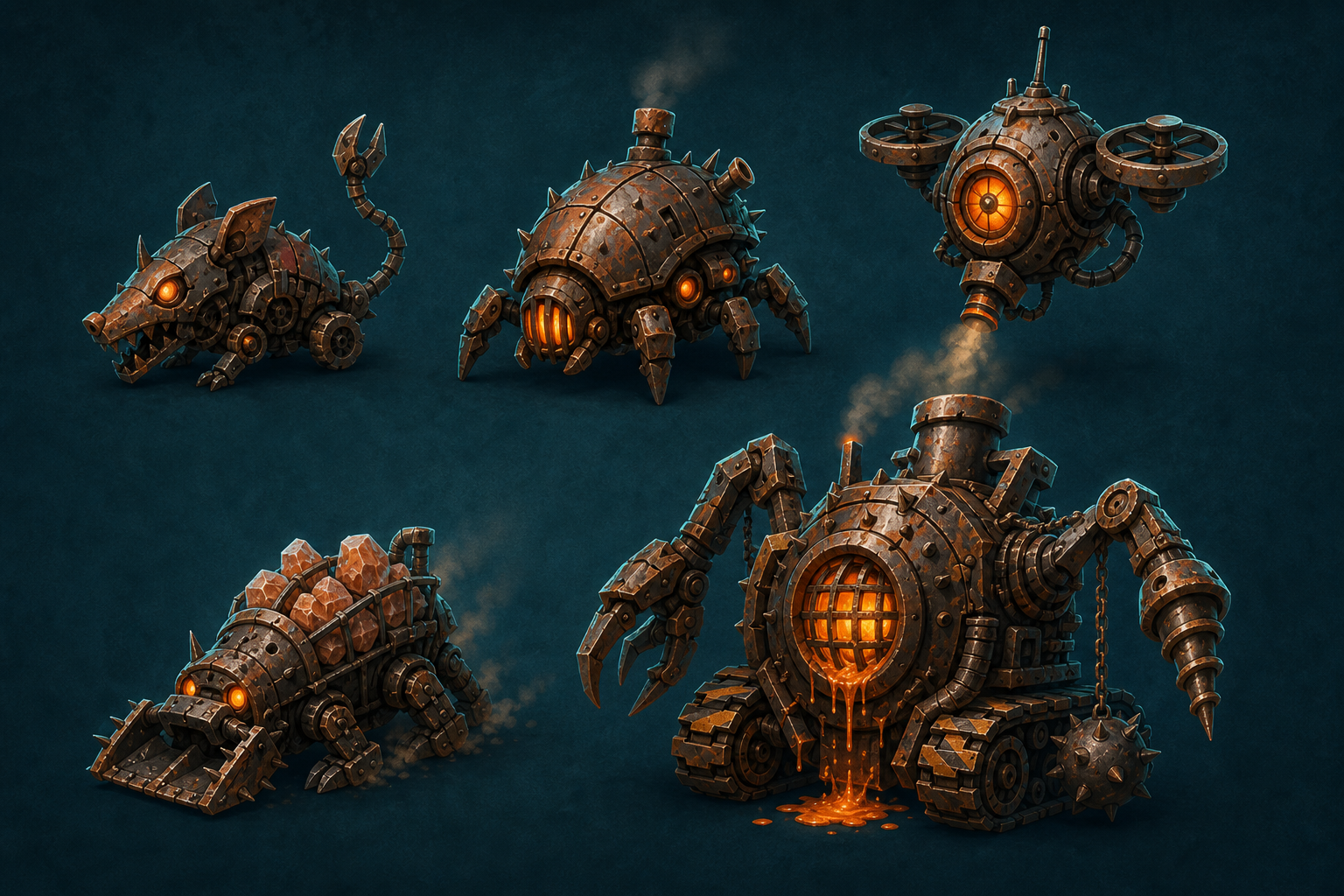
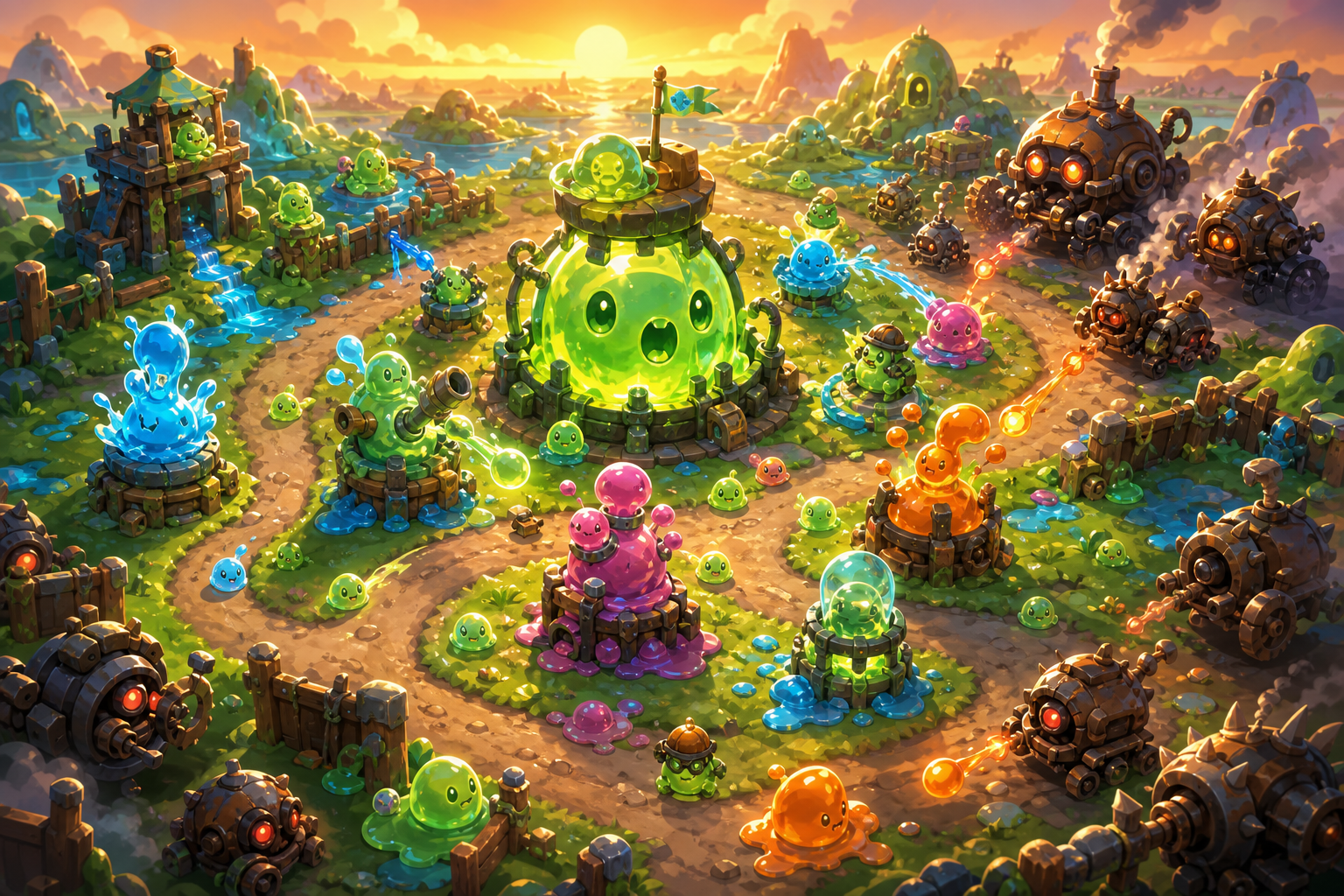
The core idea is simple: a slime colony is under attack by dehydrating machines, and players defend the Slimehold Core by placing, merging, and mutating slime defenders across compact battlefield lanes.
What it does
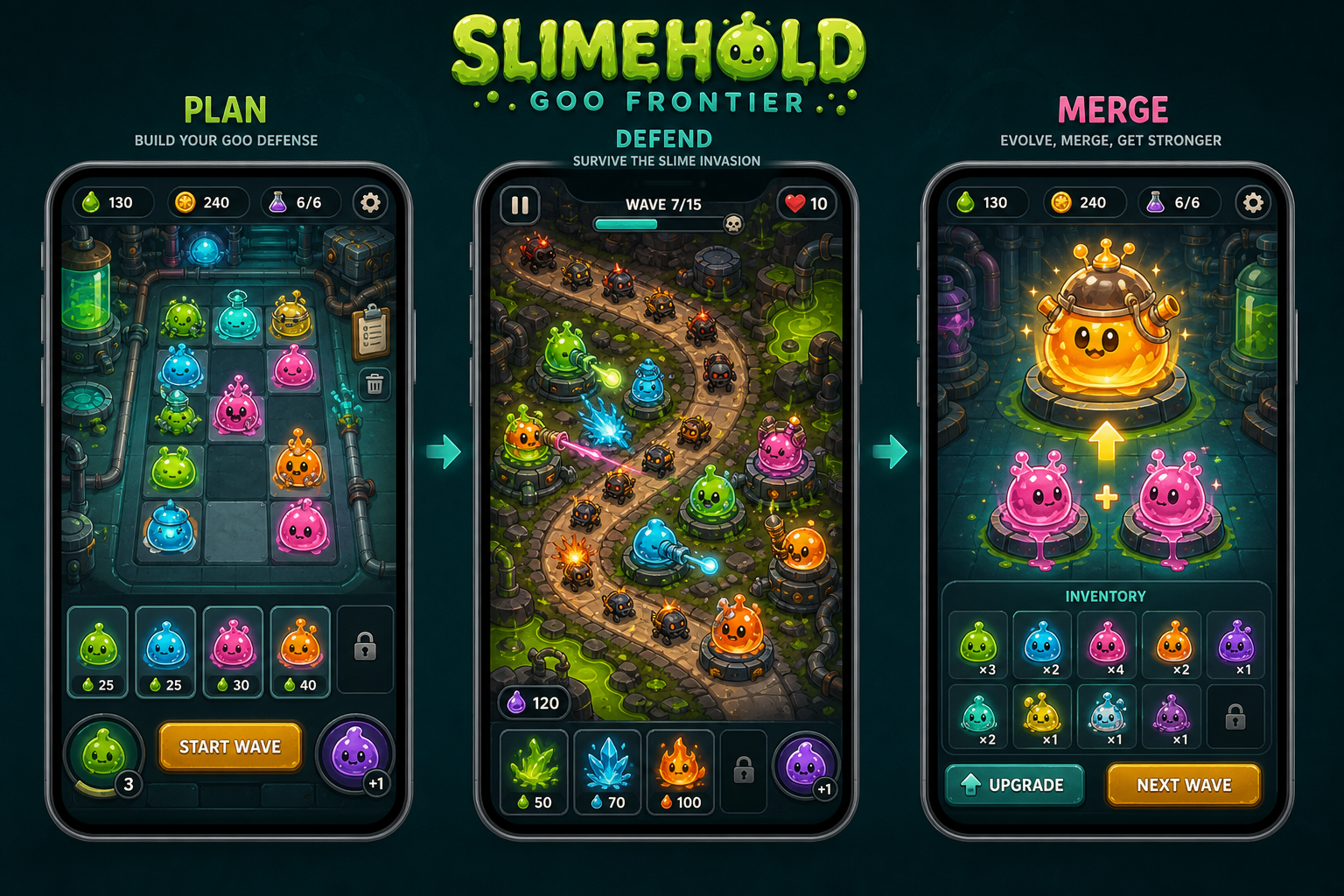
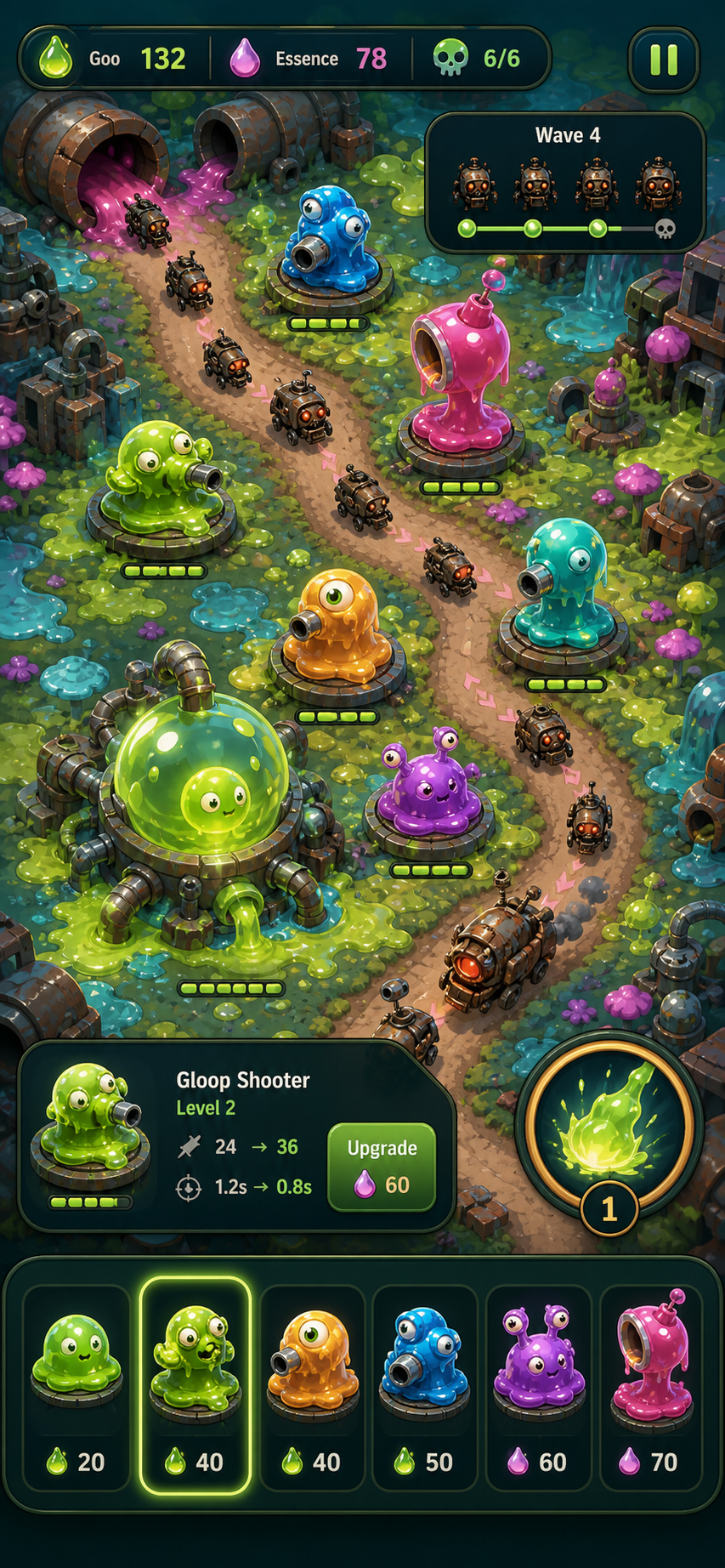
Slimehold is a mobile-ready tower defense concept built around fast readability and satisfying upgrade decisions. Players spend Goo to place slime defenders on Goo Pads, merge matching slimes into stronger forms, use Essence for emergency Goo Surge abilities, and survive escalating waves of mechanical enemies.
The design package includes the game design document, player journey map, visual concept package, production plan, and a playable HTML5 proof-of-concept demo.
How I built it
I designed the project as a full competition-ready concept package first, then built a playable prototype to make the idea easier to understand. The prototype uses HTML5 Canvas, JavaScript, generated concept art, transparent sprite assets, a custom map layout JSON, background music, and a guided tutorial overlay.
I also built local debug tooling for editing enemy paths, Goo Pad positions, and the Core location, then shipped the finished layout as bundled JSON so the public demo opens directly into a playable map.
What I learned
I learned how important it is to communicate a game concept at multiple levels: the high-level fantasy, the player loop, the production plan, and the moment-to-moment interaction. A concept can sound good on paper, but the demo quickly revealed where clarity mattered most: selected slimes needed stronger feedback, enemies needed to face their path direction, the Core needed a proper visual identity, and first-time players needed a quick tutorial.
Challenges
The biggest challenge was balancing presentation quality with speed. I wanted the project to feel like more than a pitch deck, but still keep the scope realistic for a hackathon-style submission. Another challenge was making the prototype readable on a single screen while still showing the depth of a real tower defense loop: placement, merging, wave pressure, enemy variety, and emergency abilities.
What's next
Next I would expand the prototype into a full vertical slice with more enemy behaviors, stronger slime mutation trees, cooperative lane defense, mobile touch polish, and Meta Horizon Worlds social features such as shared base defense, role-based upgrades, and party-friendly wave events.
Built With
- ai-assisted-concept-art
- canvas
- game
- game-design
- html5
- javascript
- mobile
- netlify
- tower-defense


Log in or sign up for Devpost to join the conversation.