-
-
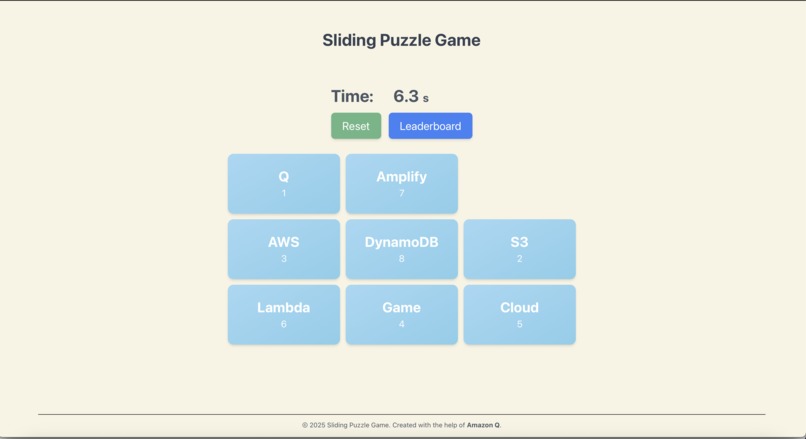
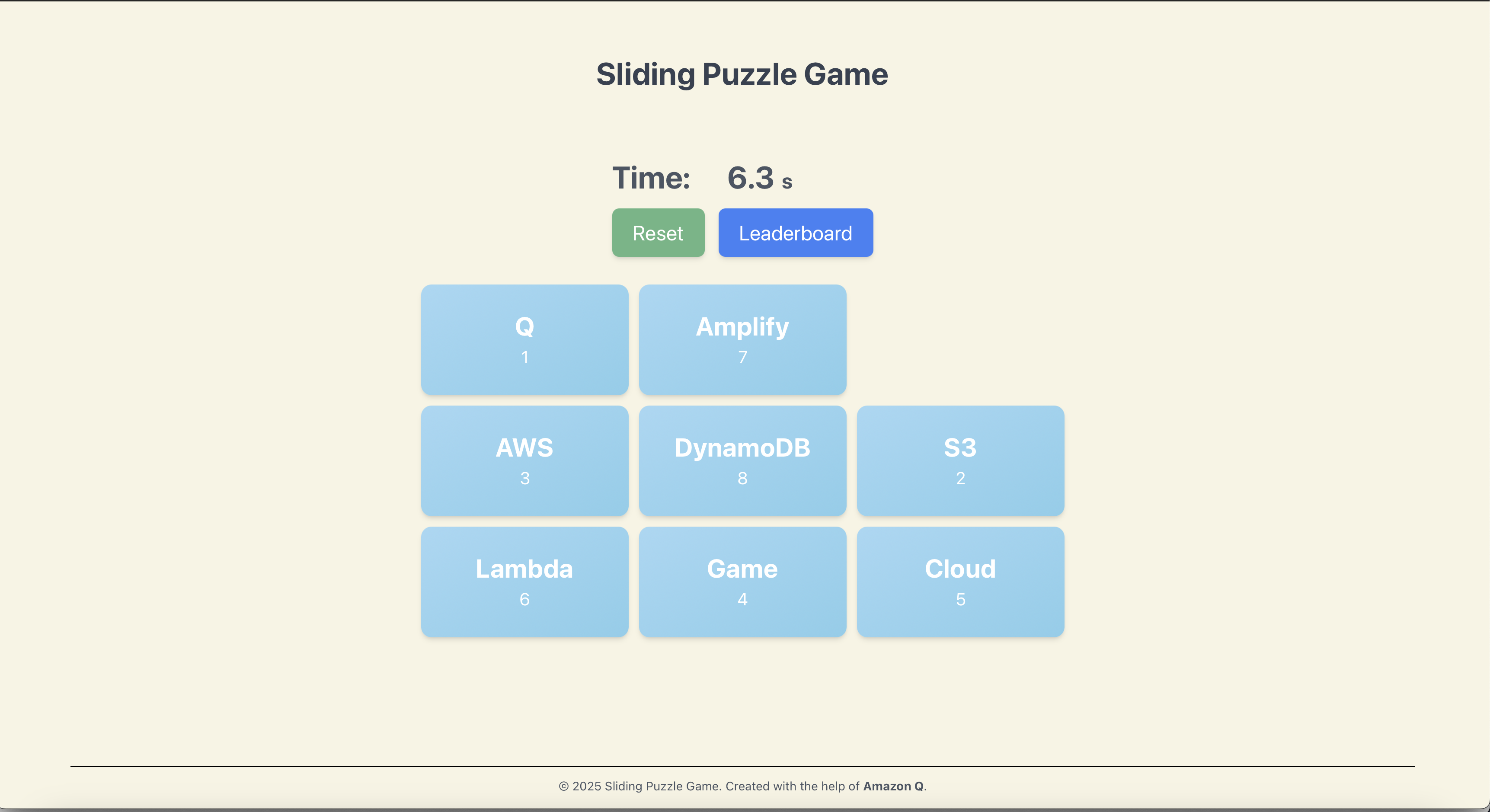
User Interface
Inspiration The Sliding Puzzle game is inspired by the classic number-sliding puzzles, a popular brain teaser that involves rearranging numbered tiles into sequential order by sliding them into an empty space. The goal is to provide a fun and interactive way to enhance problem-solving skills while offering a visually appealing and responsive experience.
What It Does Interactive Gameplay: Allows users to move tiles in real-time, providing immediate visual feedback for each move. Timer Feature: Tracks the time taken to solve the puzzle, encouraging faster completion. Reset Functionality: Enables players to shuffle the puzzle and restart anytime. Responsive Design: Adapts seamlessly to various screen sizes, making it playable on both desktop and mobile devices. Customizable Grid: Developers can modify grid dimensions or designs to enhance or alter gameplay complexity.
How We Built It Frontend Framework: Built with React and Next.js, leveraging their component-based architecture for modular design. UI Components: Utilized ShadCN UI for sleek and responsive user interface elements. Styling: Integrated Tailwind CSS for efficient and flexible styling. Game Logic: Implemented core game functionality using TypeScript, ensuring type safety and maintainability. Backend API: Basic backend API structure (possibly for leaderboards or saving game stats) included under the src/app/api/leaderboard directory.
Challenges We Ran Into Dynamic Rendering: Ensuring real-time updates when tiles are moved. Game Logic: Implementing an algorithm to handle tile shuffling, sliding, and ensuring the puzzle remains solvable. Cross-Device Compatibility: Designing a responsive layout that works equally well across mobile and desktop. State Management: Managing the game state, including the timer, grid state, and reset functionality, without performance hiccups.
Accomplishments That We're Proud Of Creating a polished and engaging user experience. Successfully integrating complex game logic within a modular, reusable component structure. Achieving a fully responsive design that adapts to all screen sizes. Adding accessibility features for broader usability.
What We Learned The intricacies of implementing real-time, interactive gameplay in React and Next.js. Best practices for UI/UX design using Tailwind CSS and ShadCN components. Optimization techniques for rendering and managing state in a dynamic game environment. Techniques for creating scalable and maintainable project structures.
What's Next for Sliding Puzzle Leaderboard Integration: Allow players to compete and share scores globally. Difficulty Levels: Add multiple grid sizes (e.g., 3x3, 4x4, 5x5) for increased challenge. Themes and Customization: Enable users to change the puzzle design, such as using images instead of numbers. Multiplayer Mode: Allow multiple players to compete in real-time. Offline Mode: Add offline functionality to improve accessibility. Mobile App: Develop a dedicated mobile version for a smoother experience on smartphones.


Log in or sign up for Devpost to join the conversation.