🚗 Inspiration
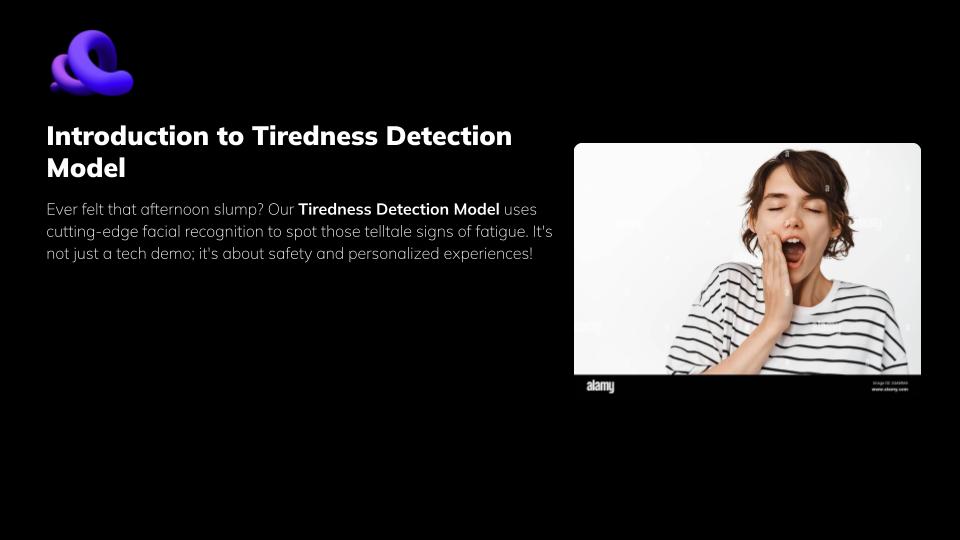
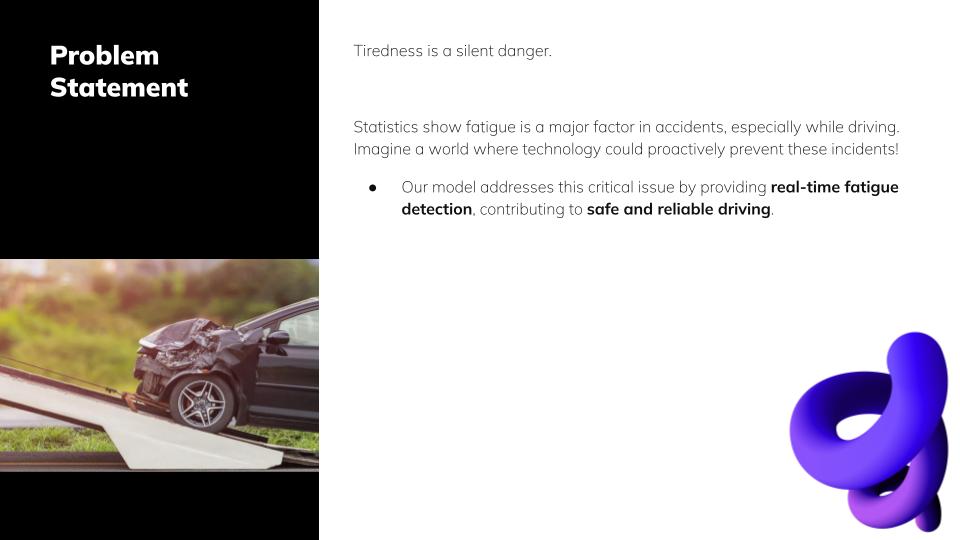
Every day, millions of Americans drive to work tired — after long days or sleepless nights. Until fully autonomous driving becomes reality, we wanted to build something that keeps drivers safe in the meantime. SleepyCar helps prevent drowsy driving by detecting fatigue in real time and alerting the driver before it’s too late.
🧠 What It Does
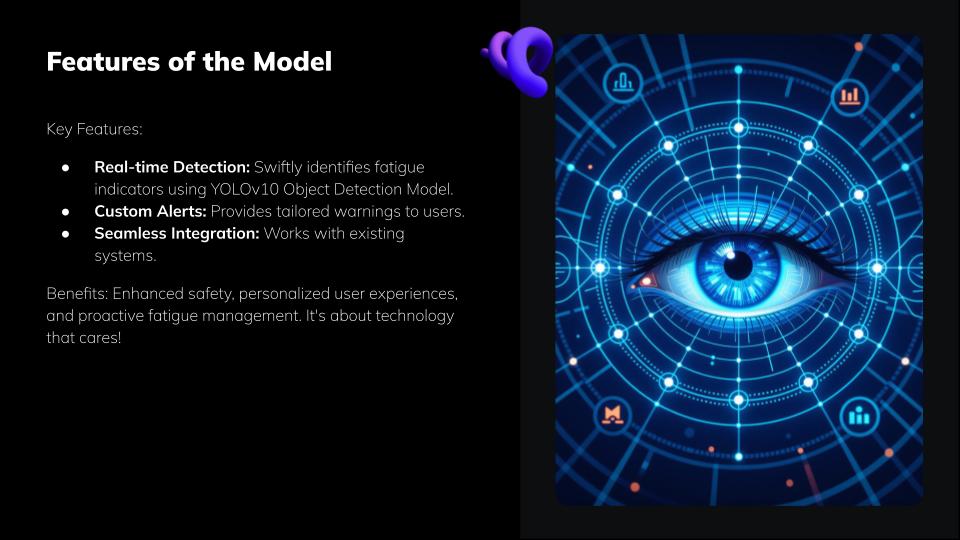
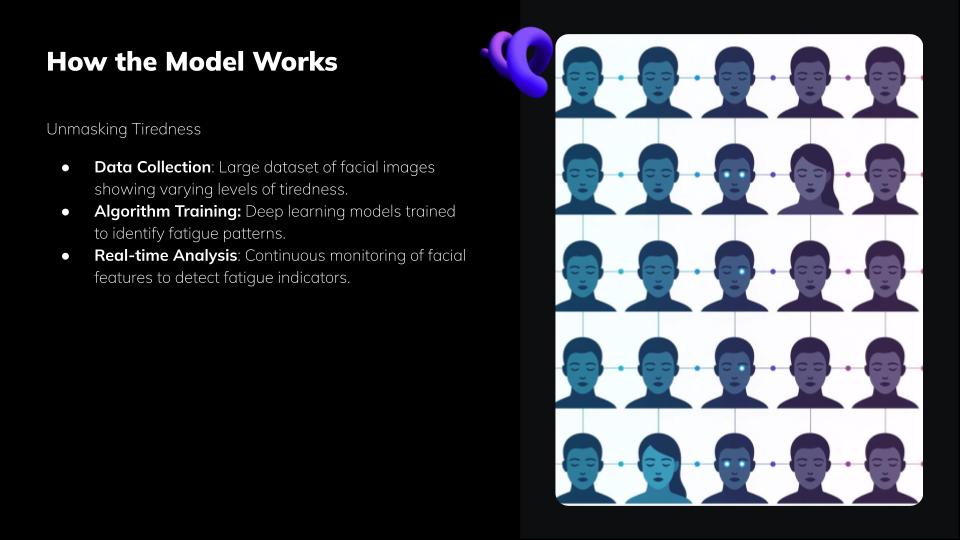
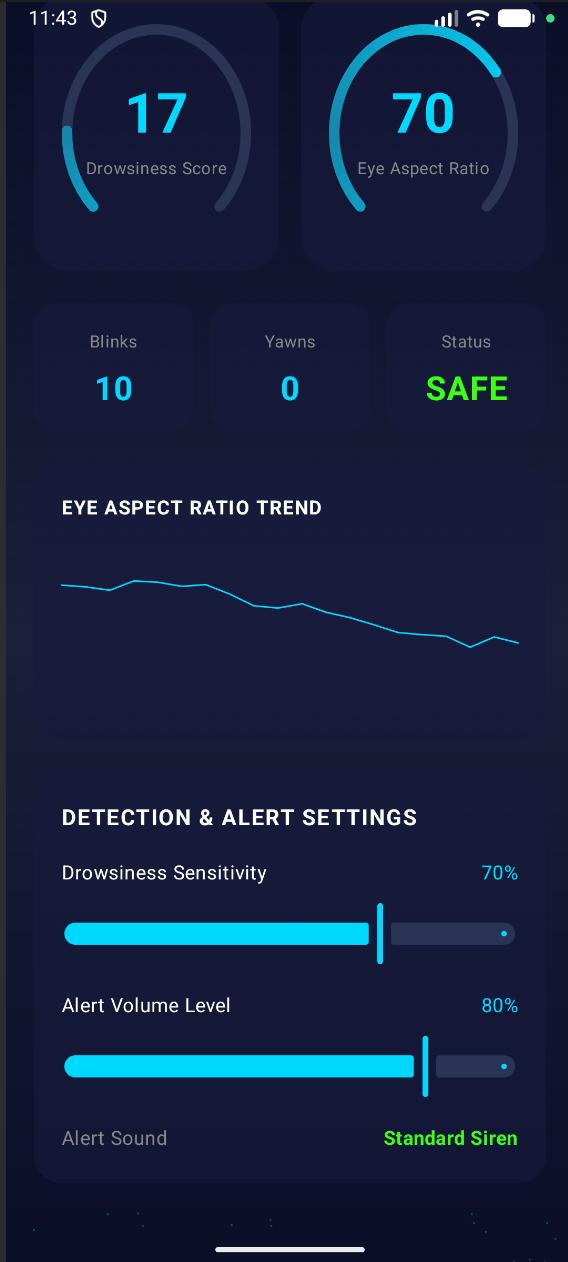
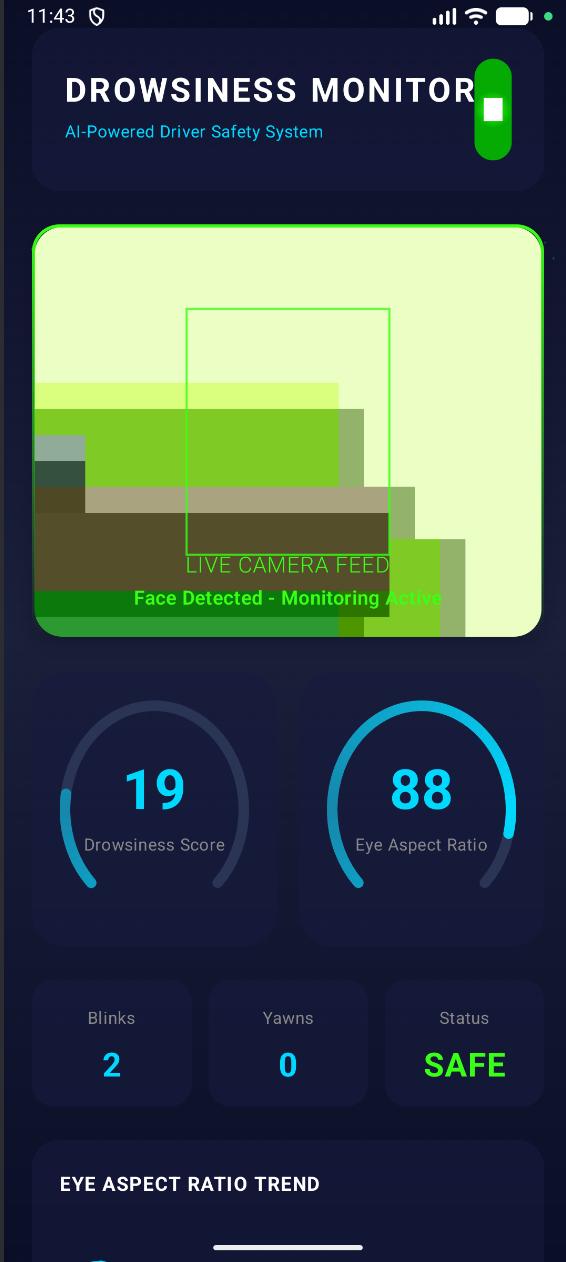
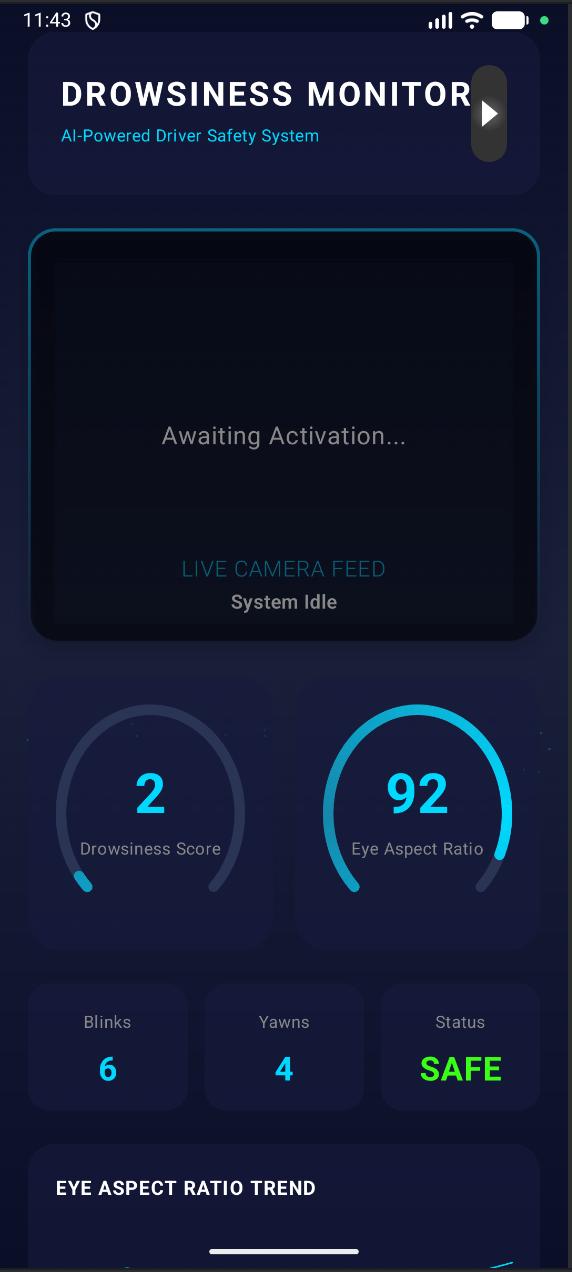
SleepyCar uses a live video feed — from a dashcam or your phone — to monitor your eyes and mouth while driving. Using a lightweight facial recognition model, it detects when you’re becoming drowsy. If fatigue is detected, the app sends audio and visual alerts. If it continues, it can even notify an emergency contact to ensure your safety.
🛠️ How We Built It
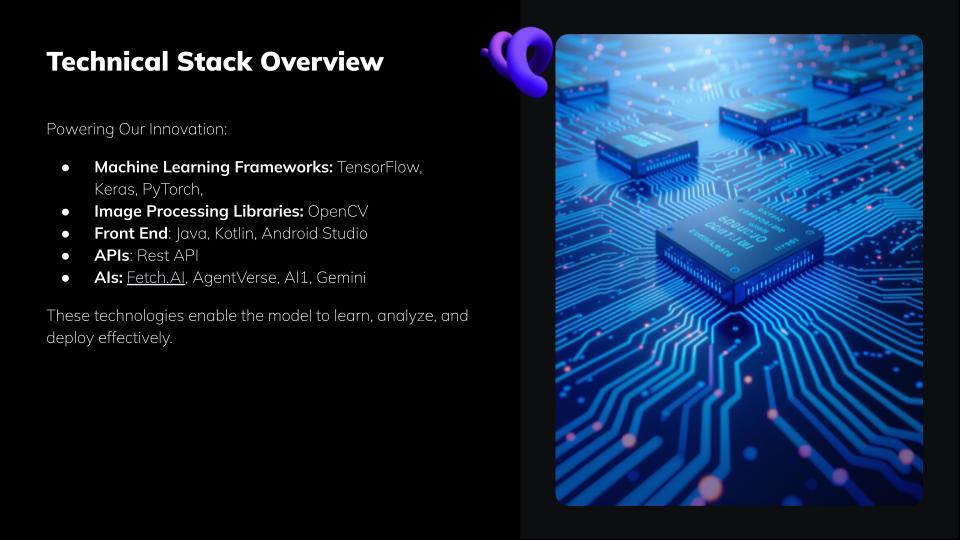
We trained a facial recognition model to detect changes in eye and mouth movement, then connected it to an AI agent that calculates the driver’s drowsiness level and triggers alerts. Tech stack: Kotlin • Android Studio • Fetch.ai • AgentVerse • Gemini • Clade
⚙️ Challenges
We struggled to get the facial recognition model and agent communication running smoothly. The Wille kit camera setup was tricky, but through trial and error, we pivoted to the laptop camera and successfully collected real-time data.
🏆 Accomplishments
We’re proud of building AI agents that can reason, communicate, and integrate with our app — a key step toward adaptive, intelligent safety systems.
💡 What We Learned
We learned about object detection, model training, AI reasoning, and how multi-agent systems can enhance real-world safety applications.
🚀 What’s Next
We plan to integrate SleepyCar into actual vehicle systems with features like lane control, cruise assist, and automatic safety steering — pushing the limits of what semi-autonomous safety can do.


Log in or sign up for Devpost to join the conversation.