
Inspiration
SleepWatch was inspired by the idea of fear as a sensory experience rather than a scripted one. I wanted to explore how minimal interaction, simply looking or closing your eyes could evoke genuine tension and emotional response in virtual reality. Classic psychological horror and the concept of “sleep paralysis” heavily influenced the tone and atmosphere.
What it does
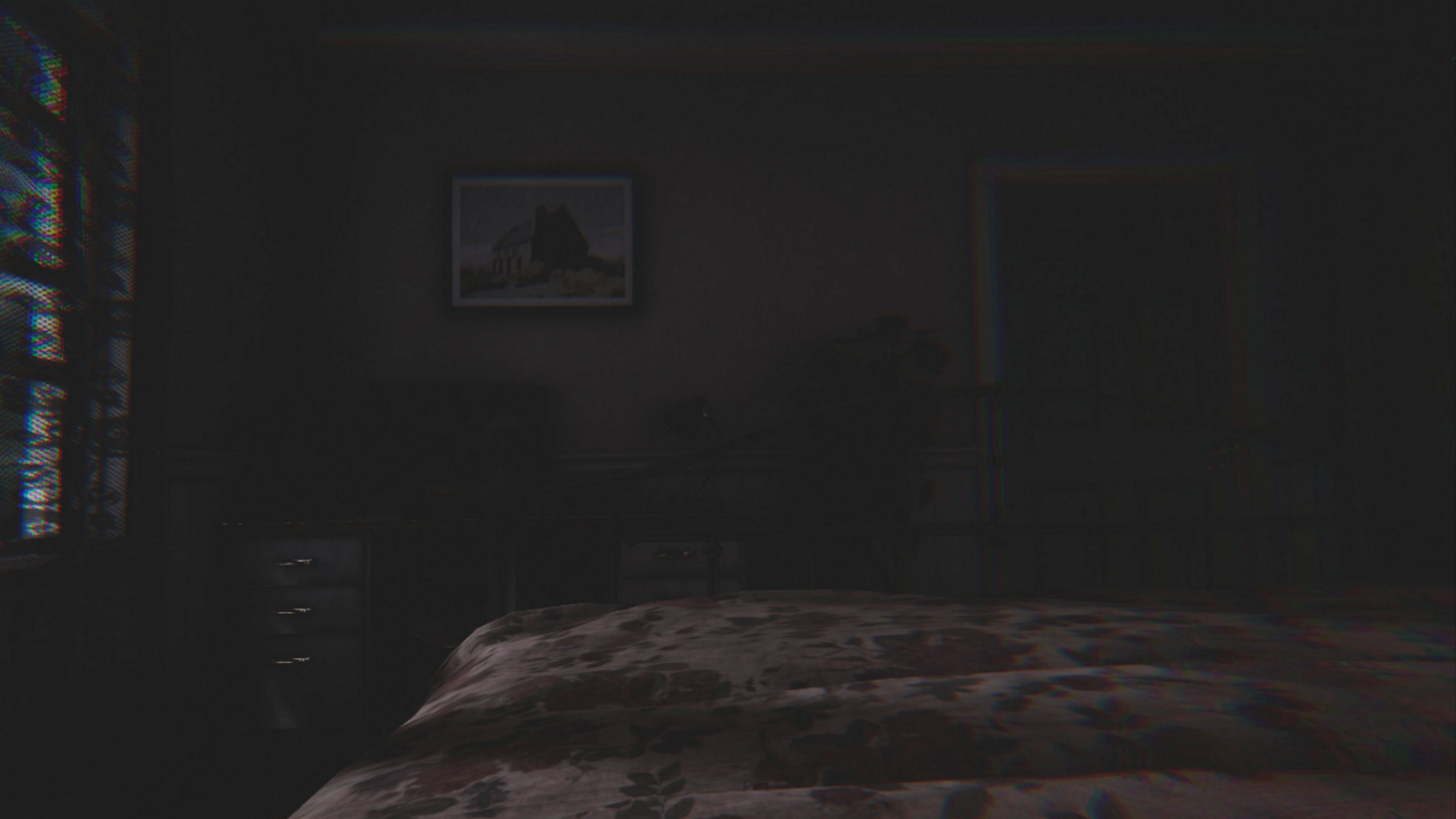
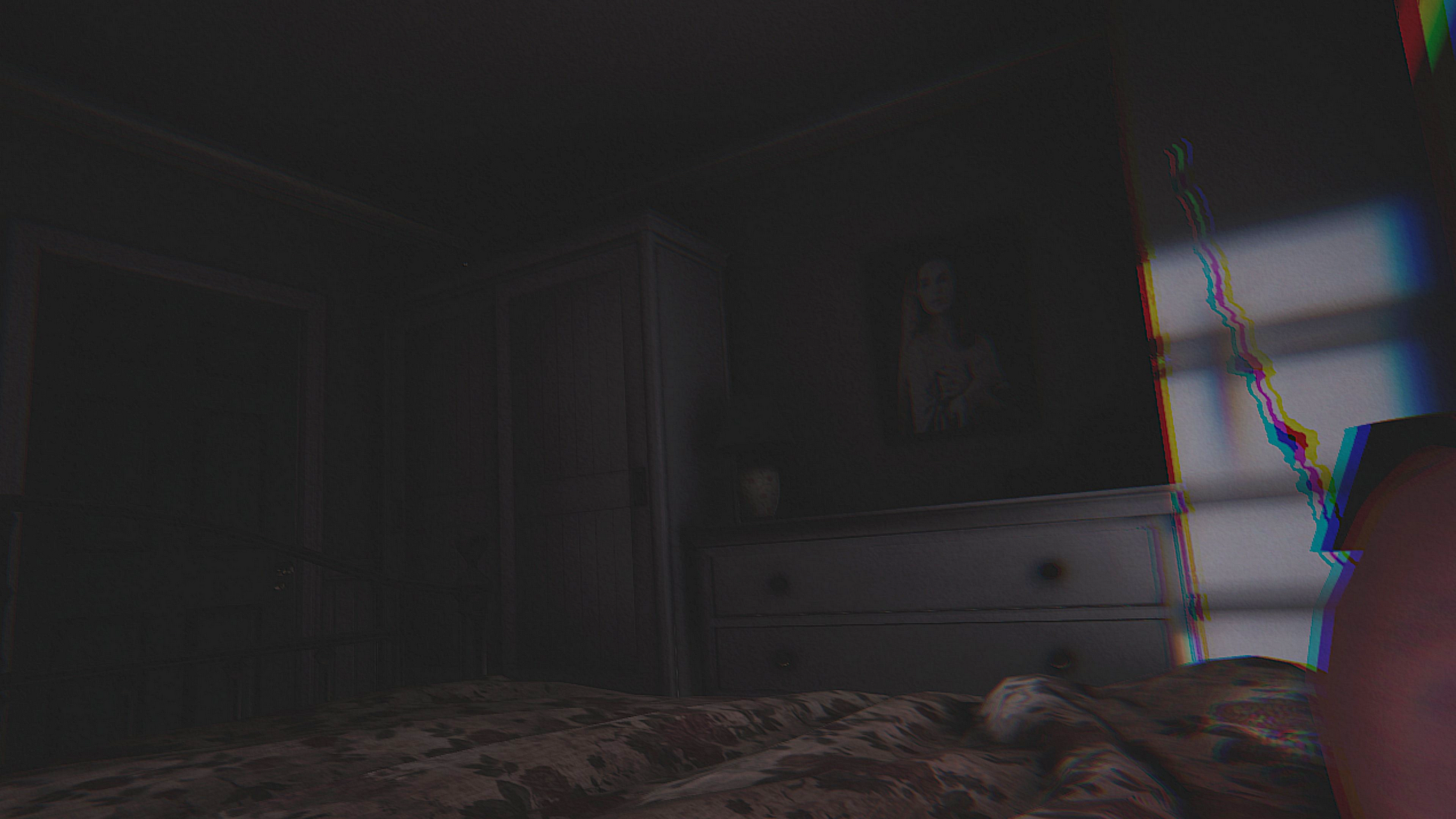
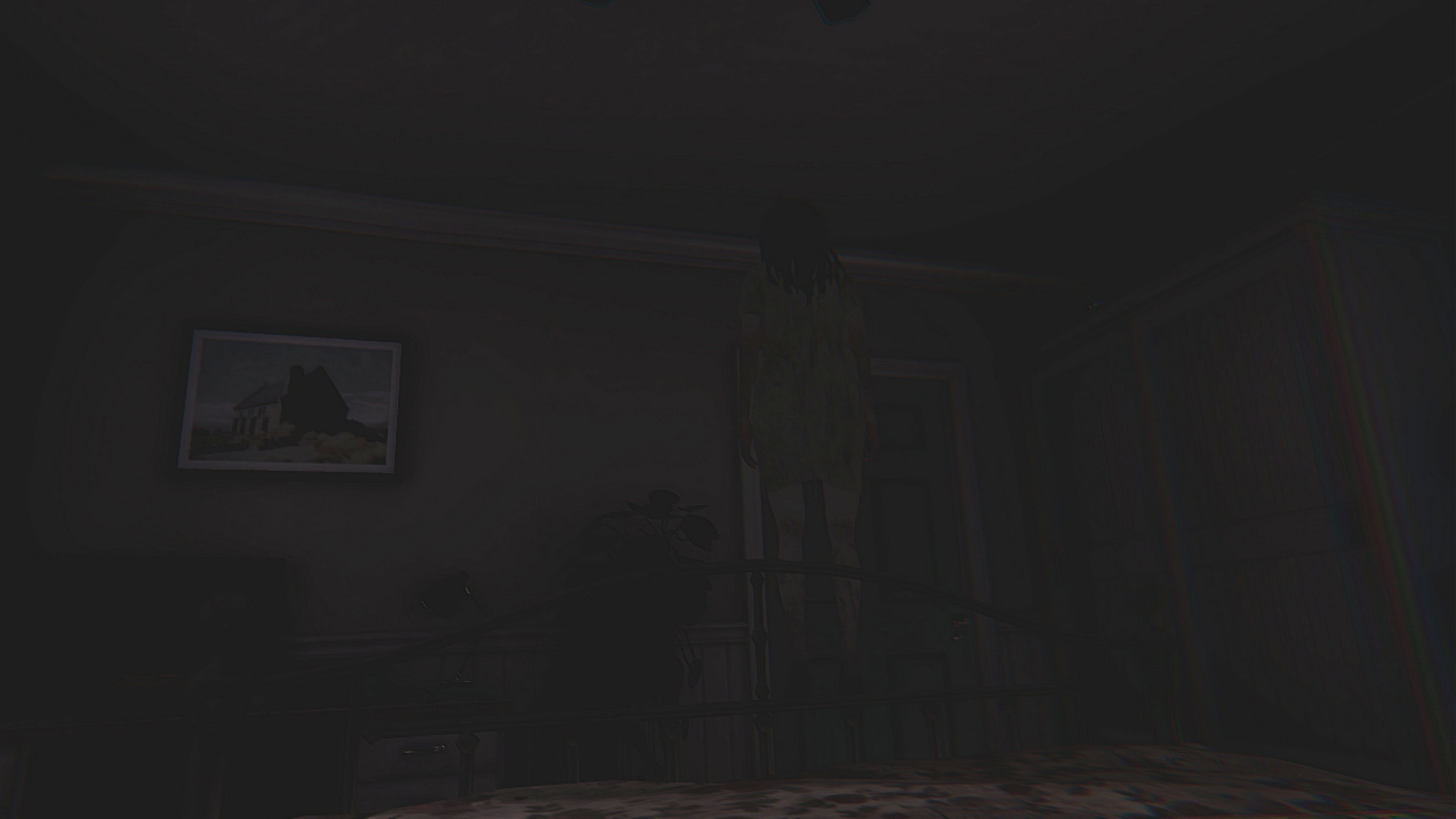
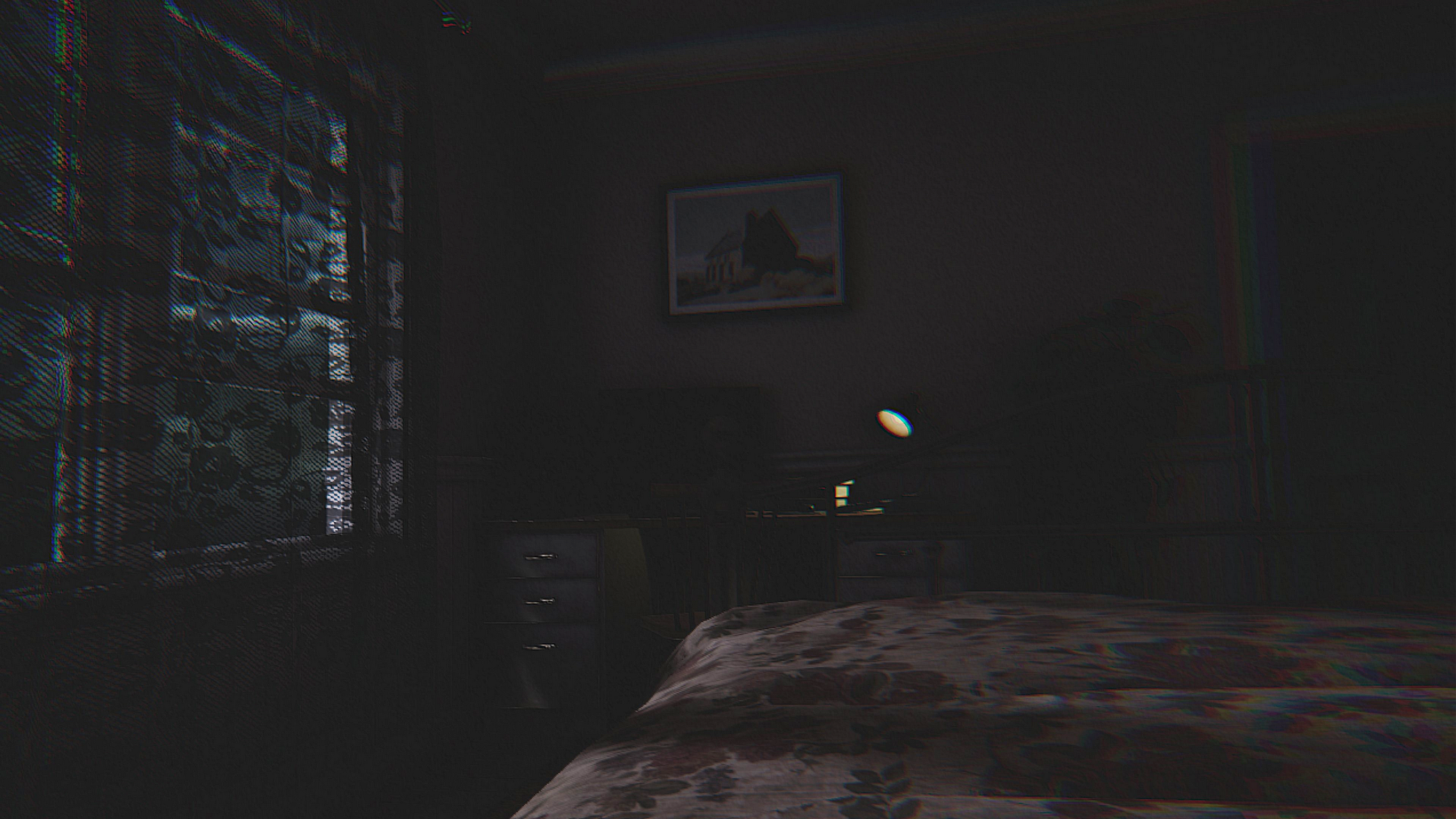
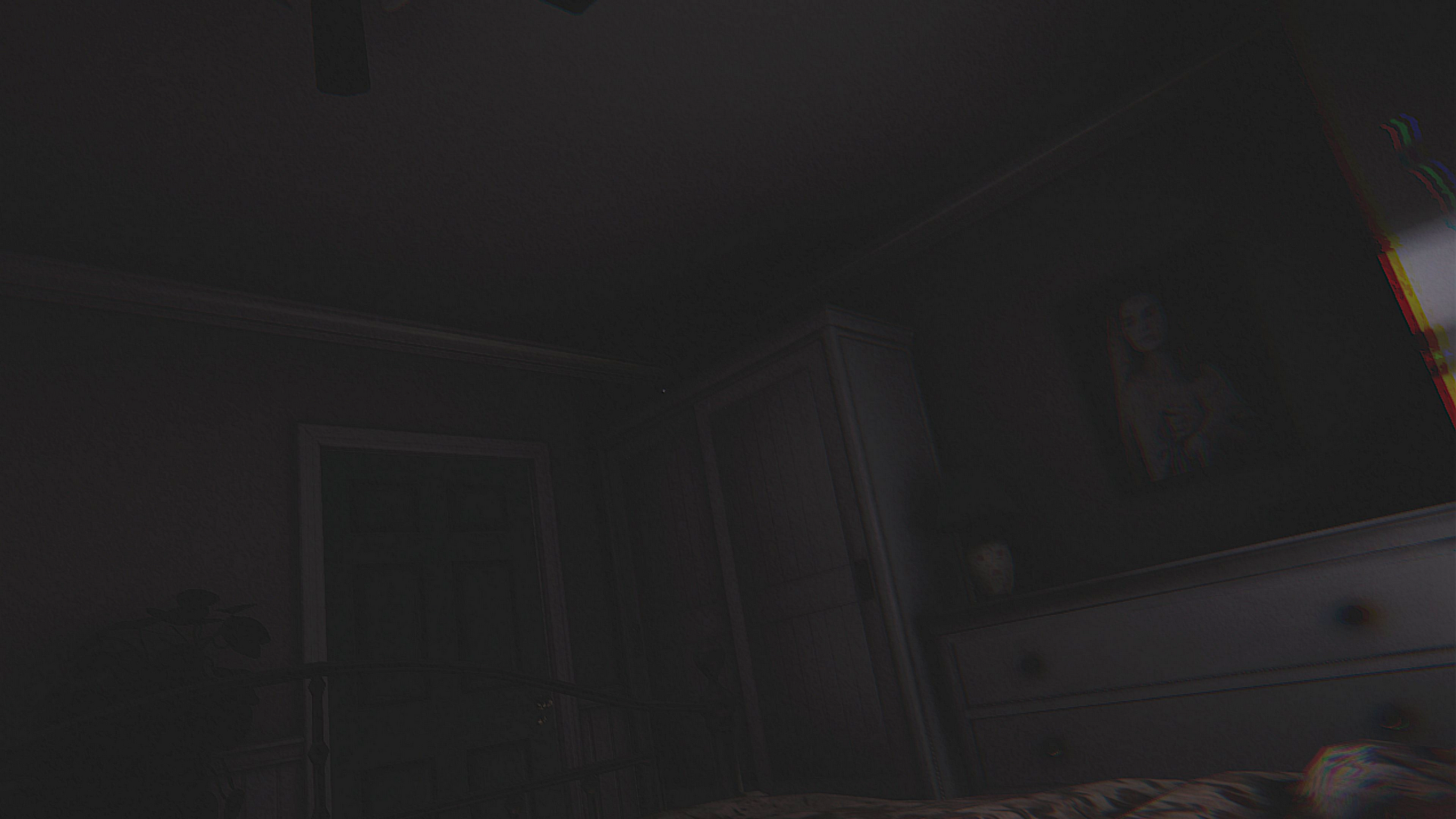
SleepWatch places players in a confined, surreal space where survival depends entirely on visual perception. Some entities react to eye contact, while others vanish only when unseen. The game creates a constant push-and-pull between curiosity and self-preservation, using gaze and sound as the core gameplay elements.
How I built it
The project was developed in Unity using the Meta SDK, with a focus on optimization for the Meta Quest platform. I created custom gaze-based interaction systems, dynamic lighting, and audio cues to enhance immersion. The atmosphere was crafted through subtle visual design, spatial sound, and performance-efficient effects suitable for standalone VR hardware.
Challenges I ran into
Balancing performance and visual quality on standalone VR hardware was a major challenge. Achieving stable frame rates while maintaining a dense, eerie atmosphere required extensive optimization and shader simplification. Designing effective horror without relying on traditional jump scares also demanded careful pacing and sensory design.
Accomplishments that I'm proud of
I’m proud of creating a fully immersive horror experience with minimal mechanics that still delivers emotional impact. Seeing players instinctively close their eyes or hesitate to look around proved that the concept worked as intended. The project also achieved smooth performance across different Quest devices without sacrificing tension or atmosphere.
What I learned
I learned how powerful small sensory cues can be in VR, how lighting, sound, and subtle motion can replace complex mechanics. The project deepened my understanding of player psychology, performance optimization, and immersive environmental storytelling in virtual reality.
A Note on Horror
I know horror isn’t for everyone, but SleepWatch isn’t built around cheap or predictable jumpscares. It’s a psychological experience that relies on atmosphere, perception, and the tension of not knowing what’s reacting to your gaze. If you can’t endure it for long… then it’s doing exactly what it’s meant to do.
What’s next for SleepWatch
Next, I plan to expand SleepWatch with additional layers of interactivity, randomized events, and deeper narrative elements. The goal is to evolve it into a more replayable and adaptive horror experience while preserving its minimalist, psychological core.


Log in or sign up for Devpost to join the conversation.