-
-
-
-
Hardware :0
Inspiration
About 38,000 deaths are linked to sleep apnea in the US alone. Many devices catering only towards infants leaves adults that are incapable of self-care in the dark. Furthermore these devices are also unreliable as their biggest pitfalls are accuracy, false positives, and worst of all: false negatives leading to preventable deaths and irreparable damage.
What it does
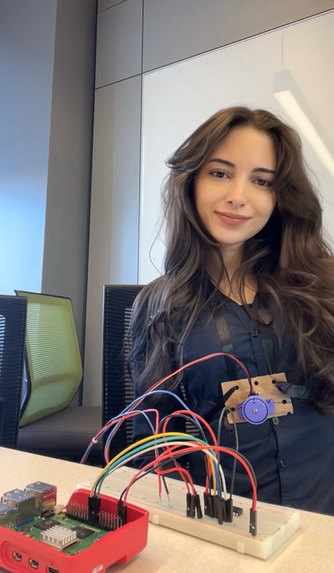
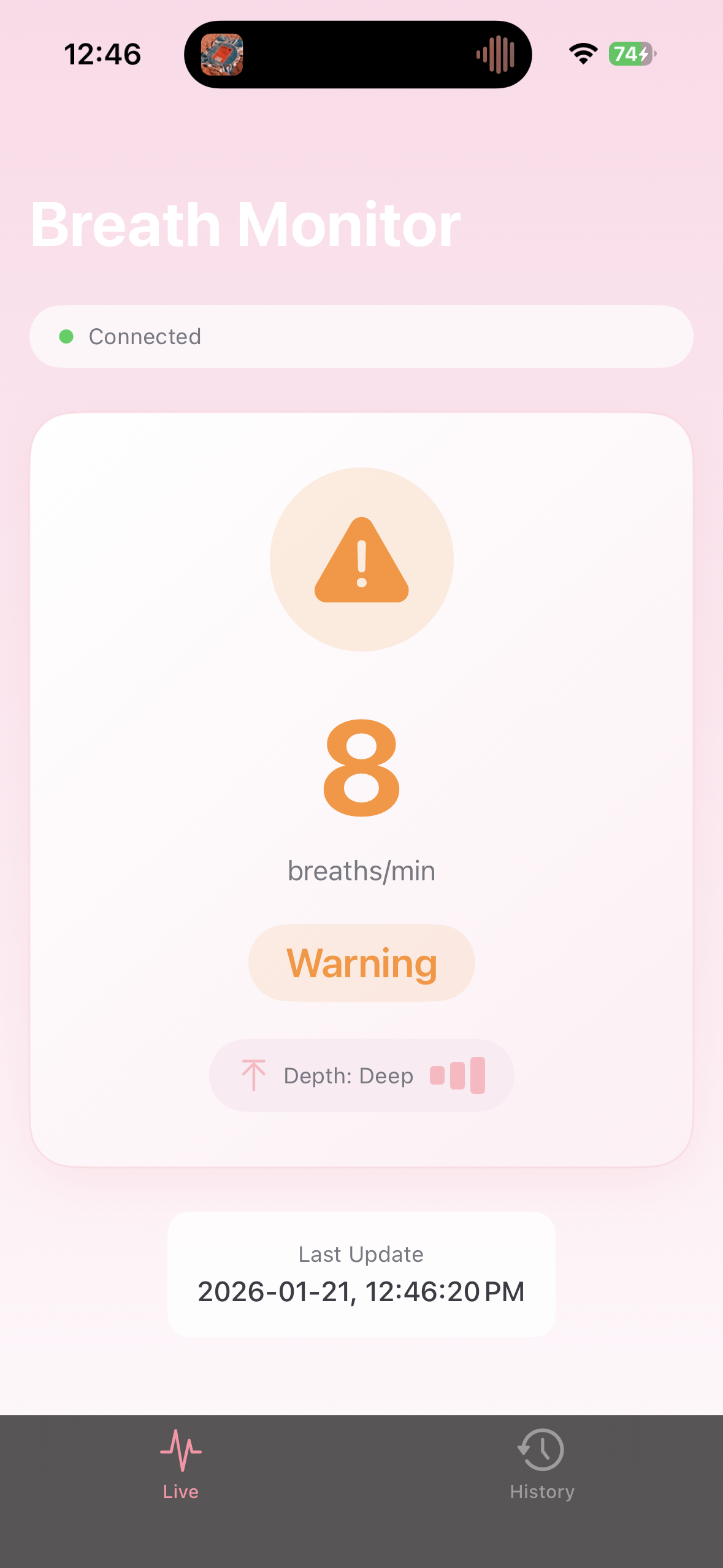
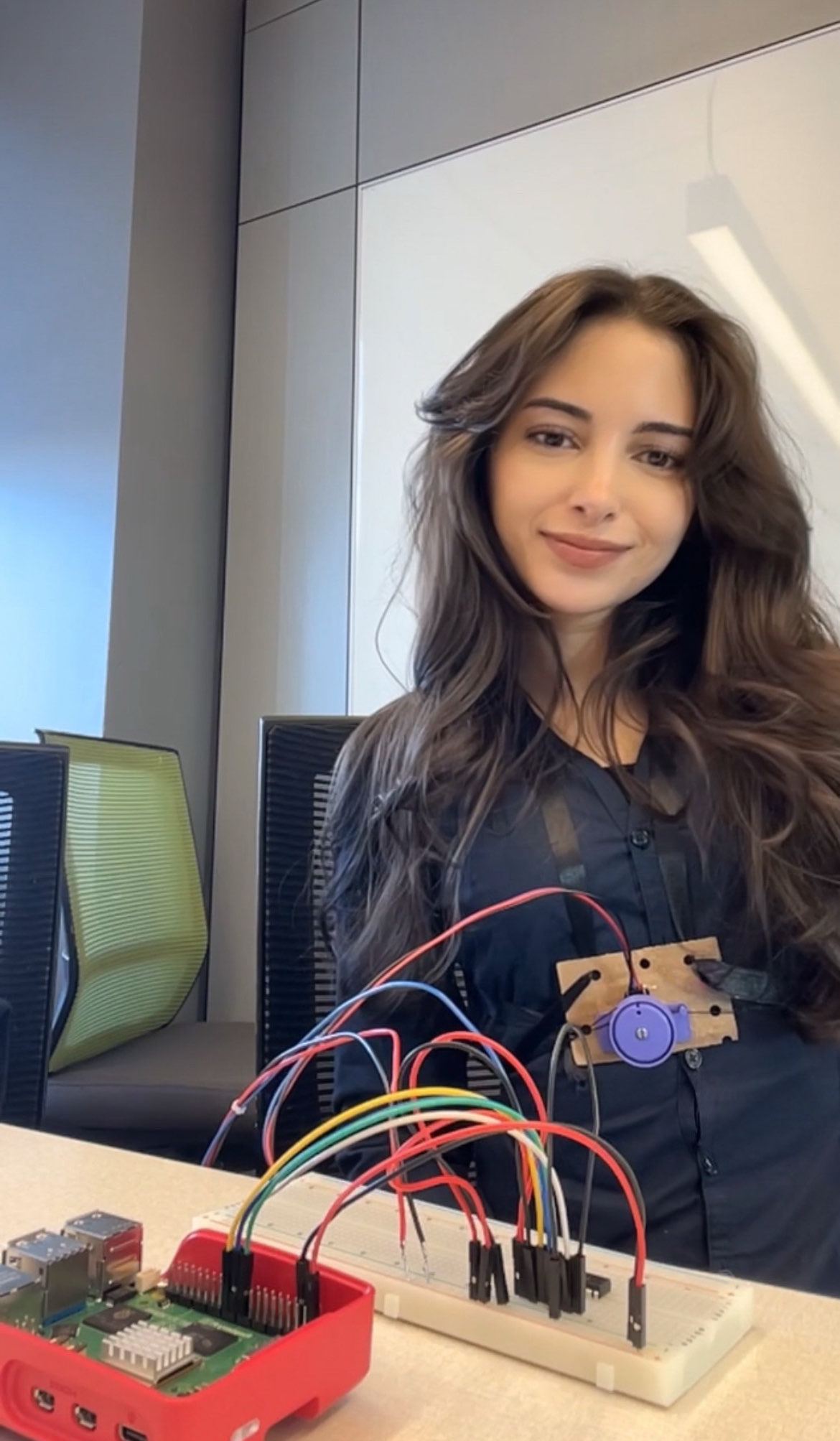
This app tracks breath frequency and depth using a spring-loaded potentiometer hooked into a Raspberry Pi 5 running on QNX OS.
How we built it
The system uses a hardware component to detect respiration and software to relay information quickly:
- Breath Detection: A spring-loaded potentiometer allows for a string around the ribcage to expand and retract when an individual breathes. This allows us to track the respiratory data necessary for analysis.
- Interpreting Data: The software is run on QNX OS with a C++ script to keep the latency as low as possible. Then sent to the backend server via HTTP.
- Backend: The raw data is processed and stored in a PostgreSQL Database. REST API creating through Express using TypeScript for compile time debugging. All deployed through Railway.
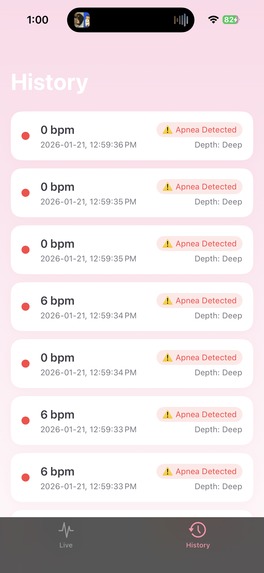
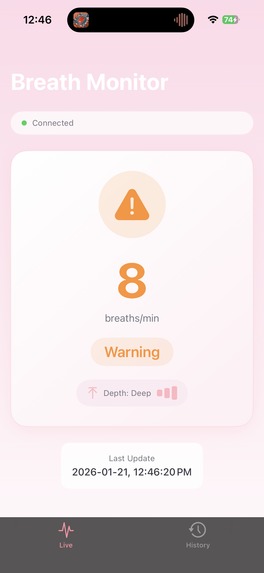
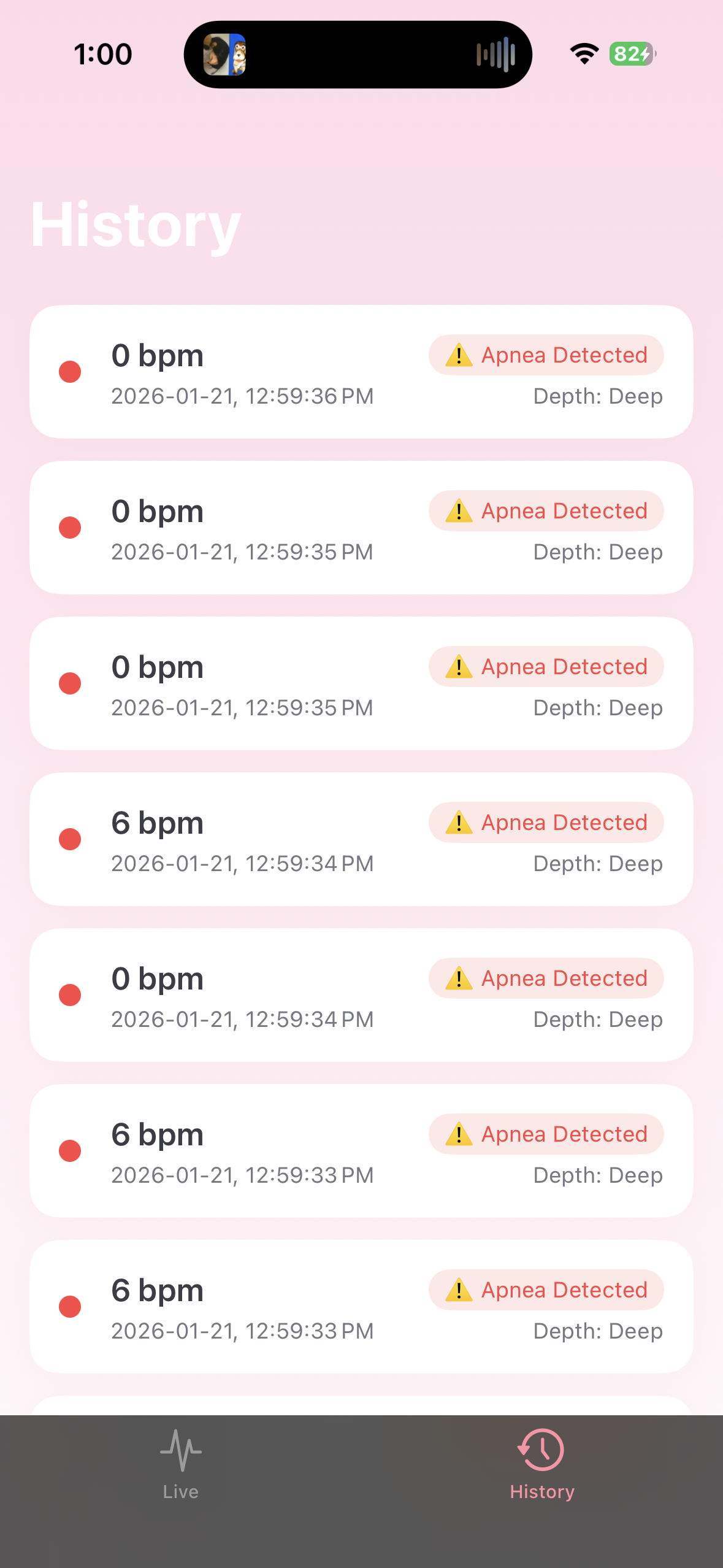
- Frontend: Displayed on IOS through SwiftUI.
Challenges we ran into
-Lack of MacOS support for QNX -Missing hardware from kits -3d printing issues
What's next for Sleep Apnea Detection
-Implementing machine learning to adjust for each individuals breathing patterns. -Websockets for lower latency


Log in or sign up for Devpost to join the conversation.