-
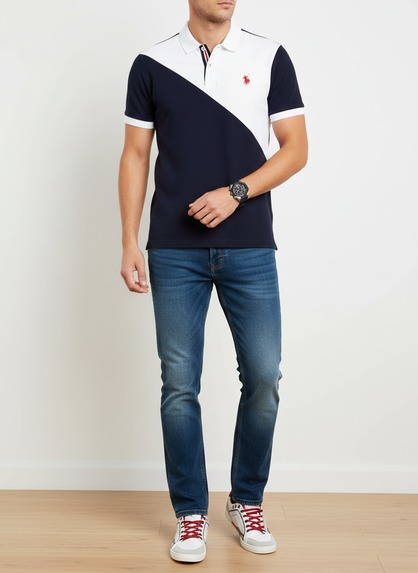
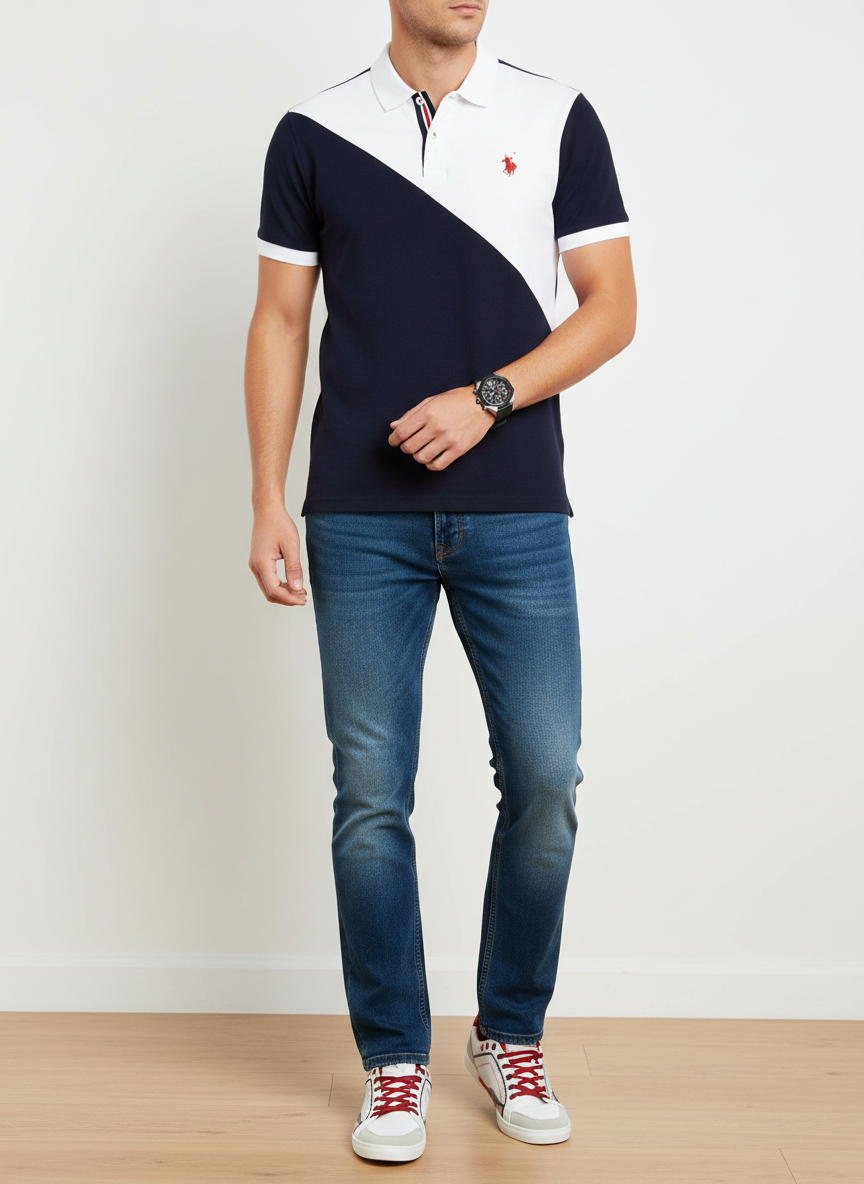
Example of Try on Image
Inspiration
Our inspiration came from a simple problem: most fashion apps suggest products, but they don’t really help people develop their own style. Style is emotional, tied to identity, and always changing. We wanted to create something that acts like a real stylist, learning what makes you feel confident and helping you shape your look over time. That’s how we came up with SlayMe, a Living Style Agent that uses personalization, memory, and feedback to offer a truly interactive styling experience.
What it does
SlayMe is an AI stylist that does more than just recommend outfits. It looks at your wardrobe photos and feedback to build a unique Style DNA profile that grows with you. It spots patterns in your color choices, silhouettes, layering, and overall vibe, then creates outfit ideas, shopping tips, and visual try-ons that match your style journey. The system learns from your likes, dislikes, saves, and reactions to keep making better suggestions. Rather than being a static recommendation tool, SlayMe helps your style evolve.
How we built it
We built SlayMe using an agent loop: Observe, Interpret, Hypothesize, Act, and Evaluate.
Observe: Users upload outfit photos and give feedback.
Interpret: We pull out style details like colors, silhouettes, vibe tags, and textures, then save them to each user’s profile.
Hypothesize / Create: Our creative agent generates new outfit combinations, bold looks, and visual try-ons.
Act: The system shows lookbooks, suggestions, and updates on your style direction.
Evaluate: User ratings and engagement help update the style profile, improving the system over time.
We connected the system to different tools and services for coordination, memory, visual creation, analytics, and emotional signal processing to demonstrate a realistic multi-agent architecture.
Challenges we ran into
One of our biggest challenges was designing a system that felt truly agentic rather than just a standard recommendation pipeline. We had to carefully consider how to represent style in a structured way (our Style Vector / Style DNA) while preserving the creativity and subjectivity of fashion. Another challenge was balancing personalization vs. exploration: if the model only optimizes for past preferences, it can get repetitive, but if it pushes too far, the suggestions stop feeling authentic. We also had to scope an ambitious vision into a realistic hackathon MVP.
Accomplishments that we’re proud of
We’re proud that SlayMe shows the main qualities of a true AI agent:
Memory (persistent style profile)
Learning (feedback updates the style vector)
Autonomy (it proactively generates and improves suggestions)
Visible improvement (style evolution dashboard / changing preferences over time)
We’re also proud of the product framing. SlayMe is easy to understand in a demo (AI stylist), but it has a deeper differentiator: it evolves with the user rather than giving one-off recommendations.
What we learned
We learned that great AI products need more than just model output. They need feedback loops, memory, and clear value for users. We also saw how important it is to show learning in action. Dashboards, evolution timelines, and changing preference weights help users and judges see the intelligence at work. On the product side, we realized that emotion is key in fashion. Confidence and identity matter just as much as how things look.
What’s next for SlayMe
Next, we want to:
Expand the MVP into a full experience with richer wardrobe ingestion and stronger style detection
Add integration with Pinterest and Instagram
Add more robust confidence signals using voice or text sentiment
Improve the quality of visual try-ons and lookbook generation
Introduce weekly autonomous Style Evolution Reports
Build a stronger trend-tracking layer to recommend aligned micro-shifts
Launch a beta with real users and measure retention, adoption, and style confidence outcomes
Built With
- airia
- amazon-web-services
- flask
- flora
- gemini-api
- google-cloud
- python
- react
- vercel

Log in or sign up for Devpost to join the conversation.