-
-
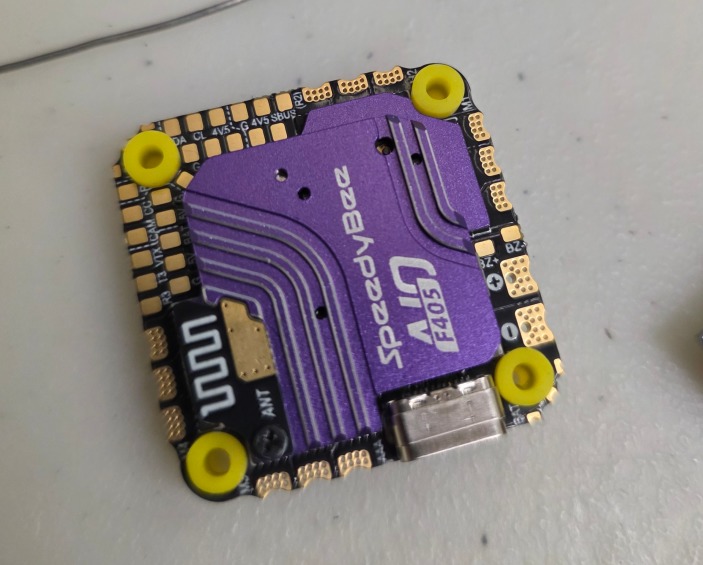
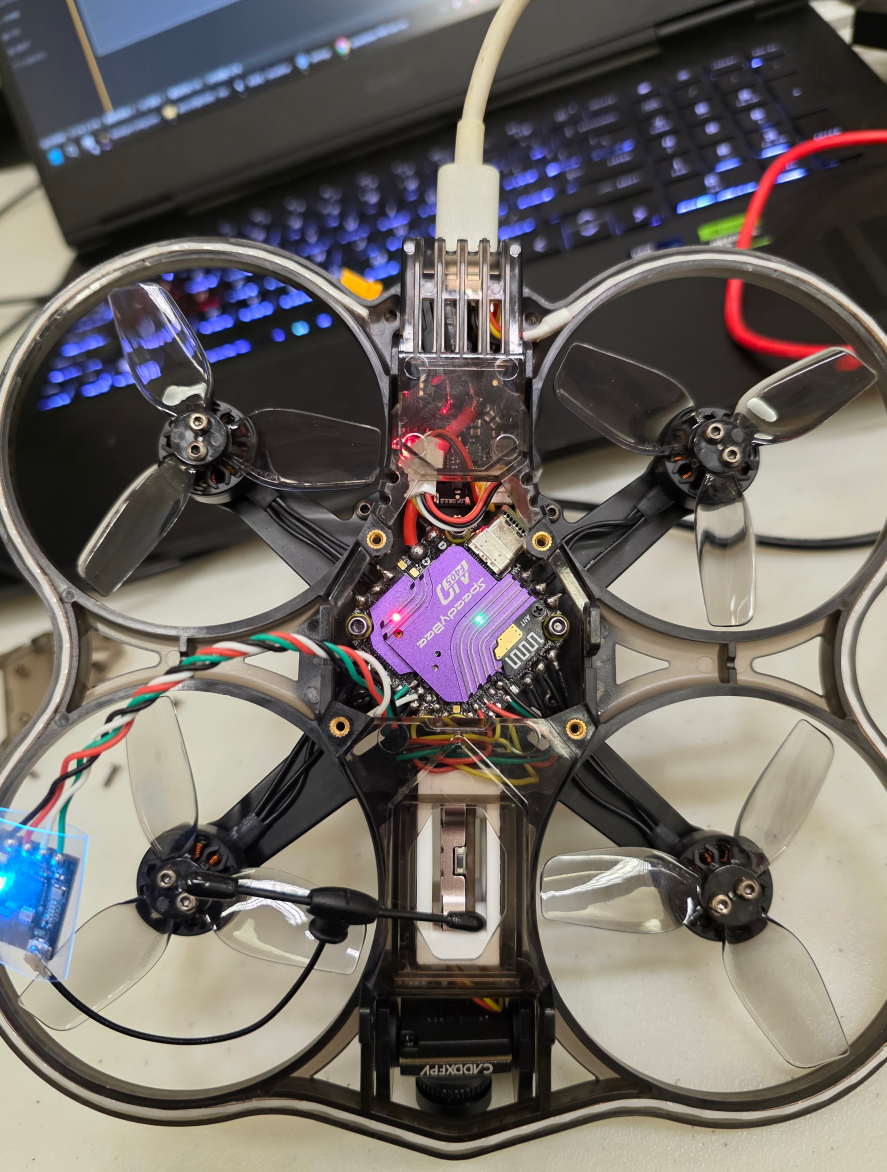
MCU-Initial-State
-
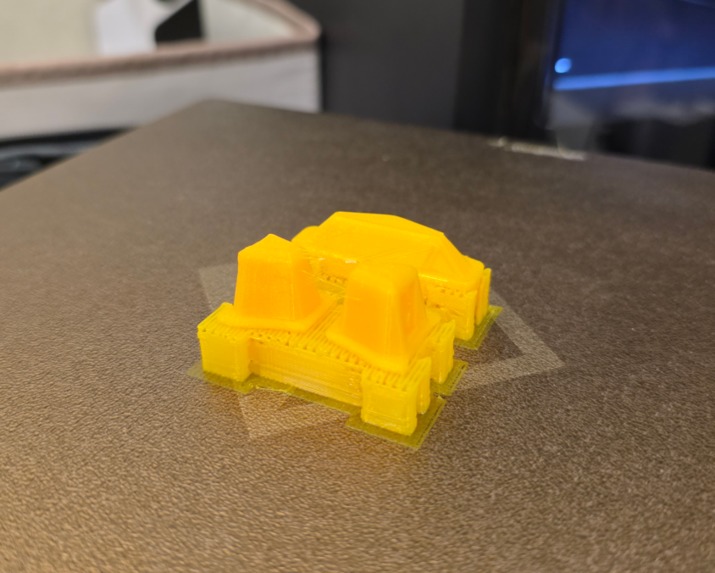
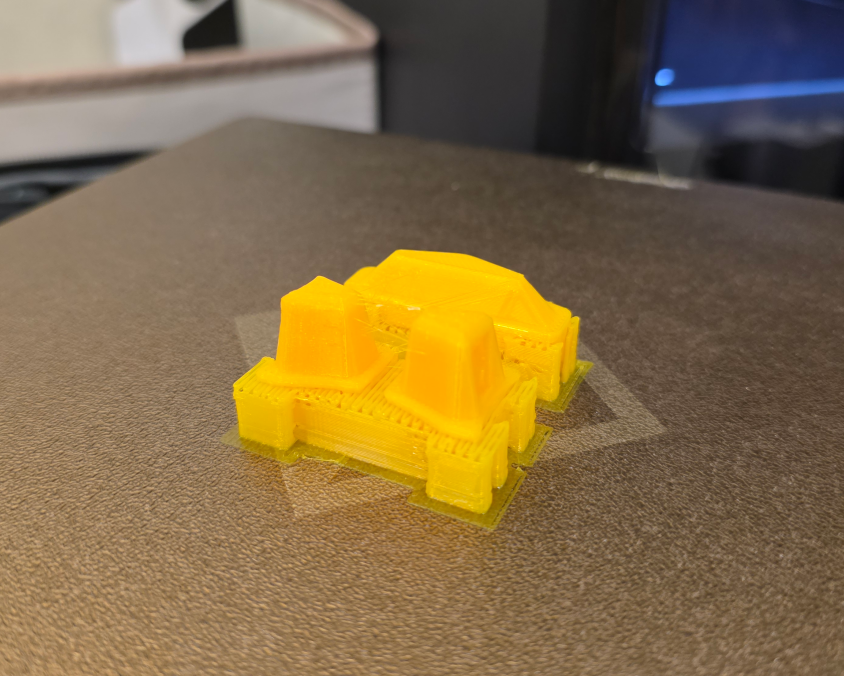
3D-Printed-Soft-TPU-Damping
-
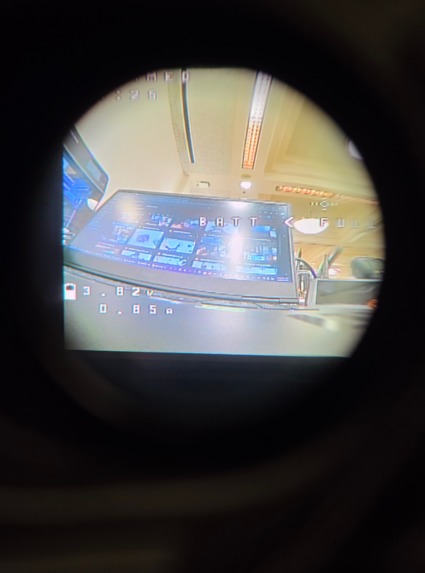
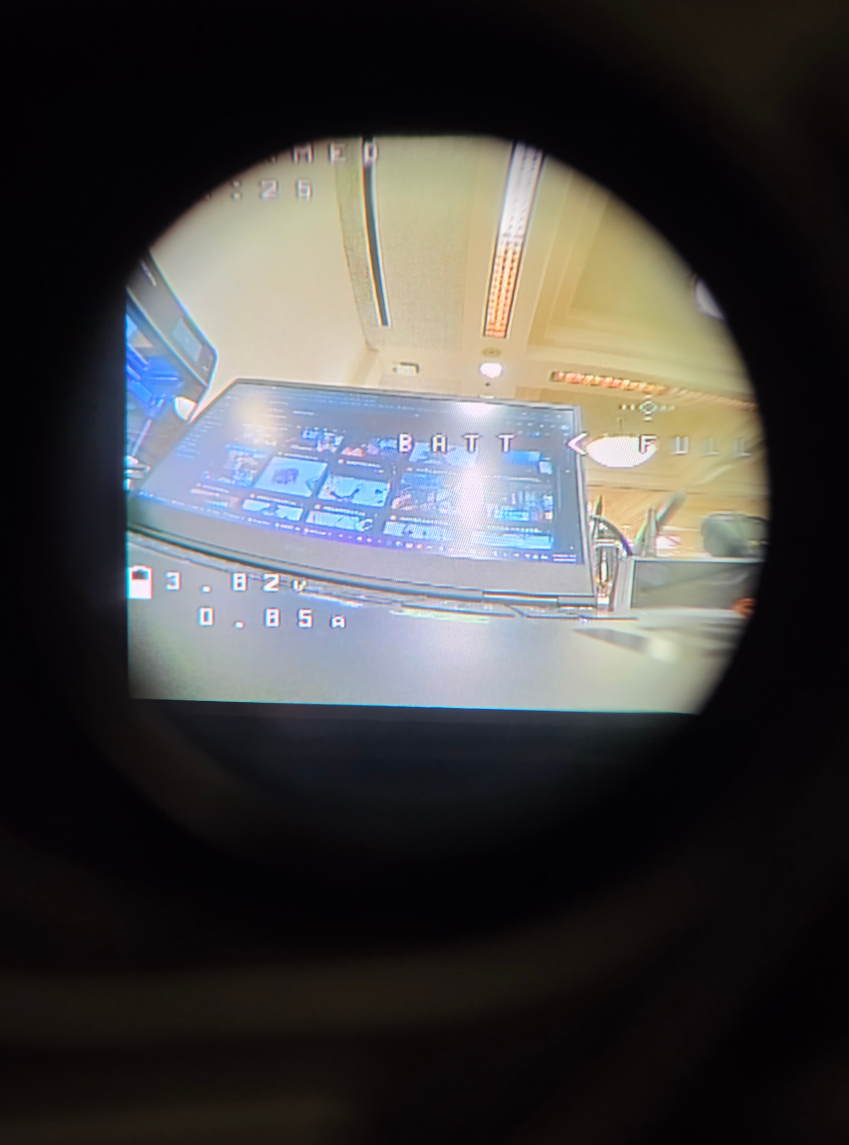
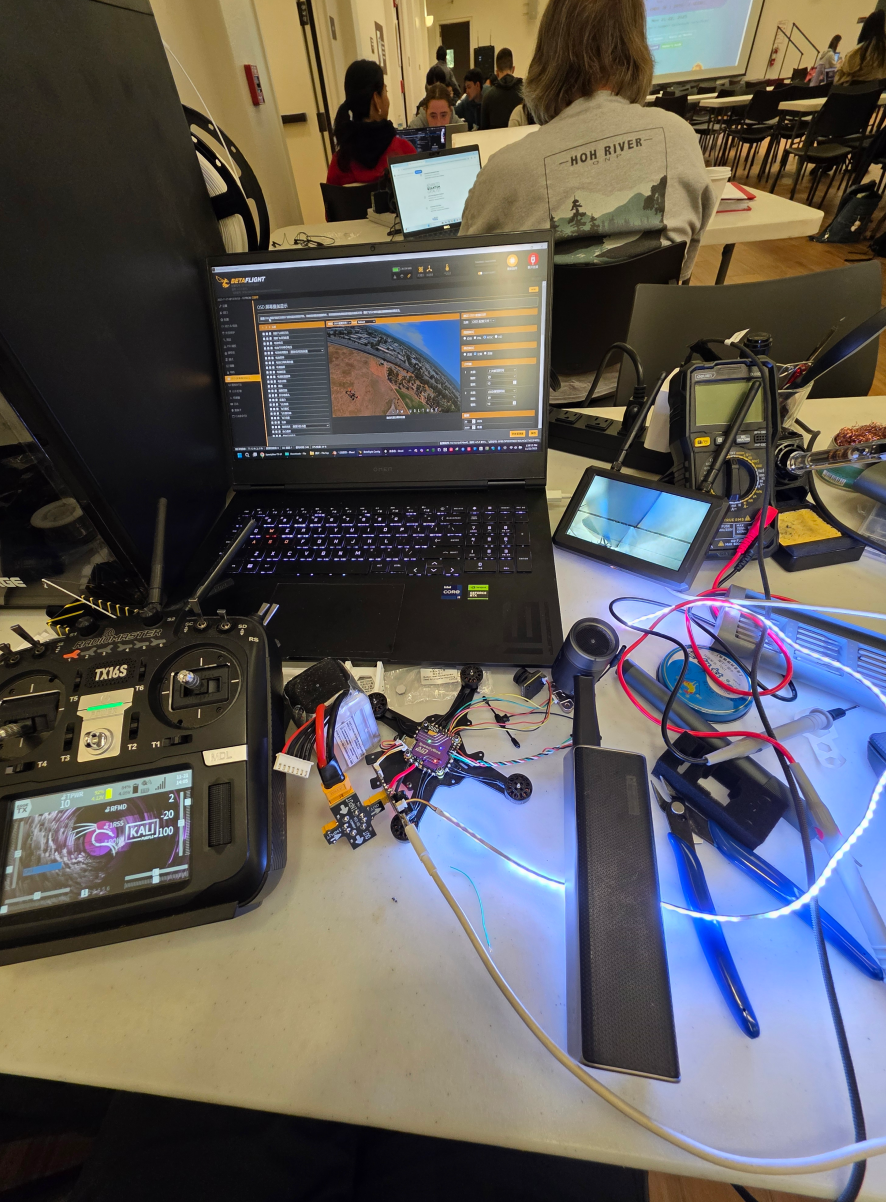
Video-VTX-Parameter-Sync-to-PC.
-
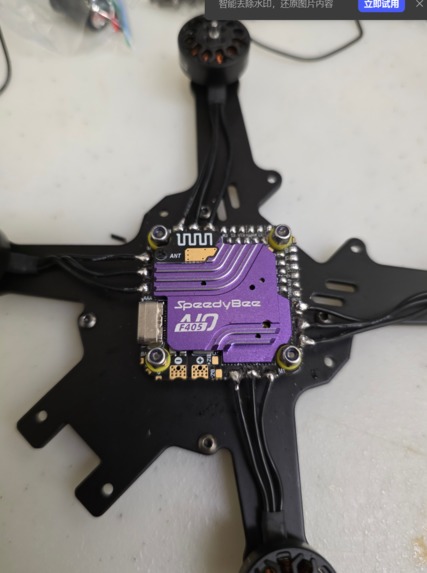
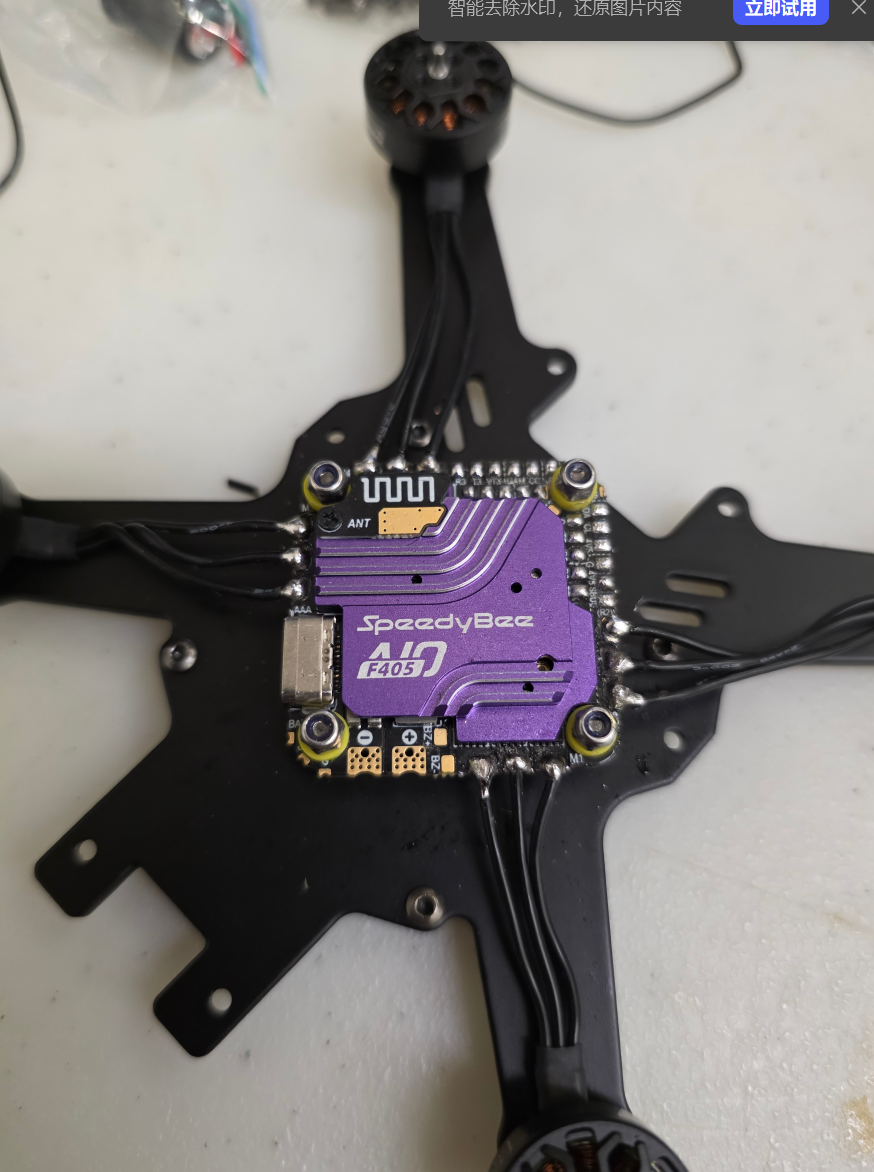
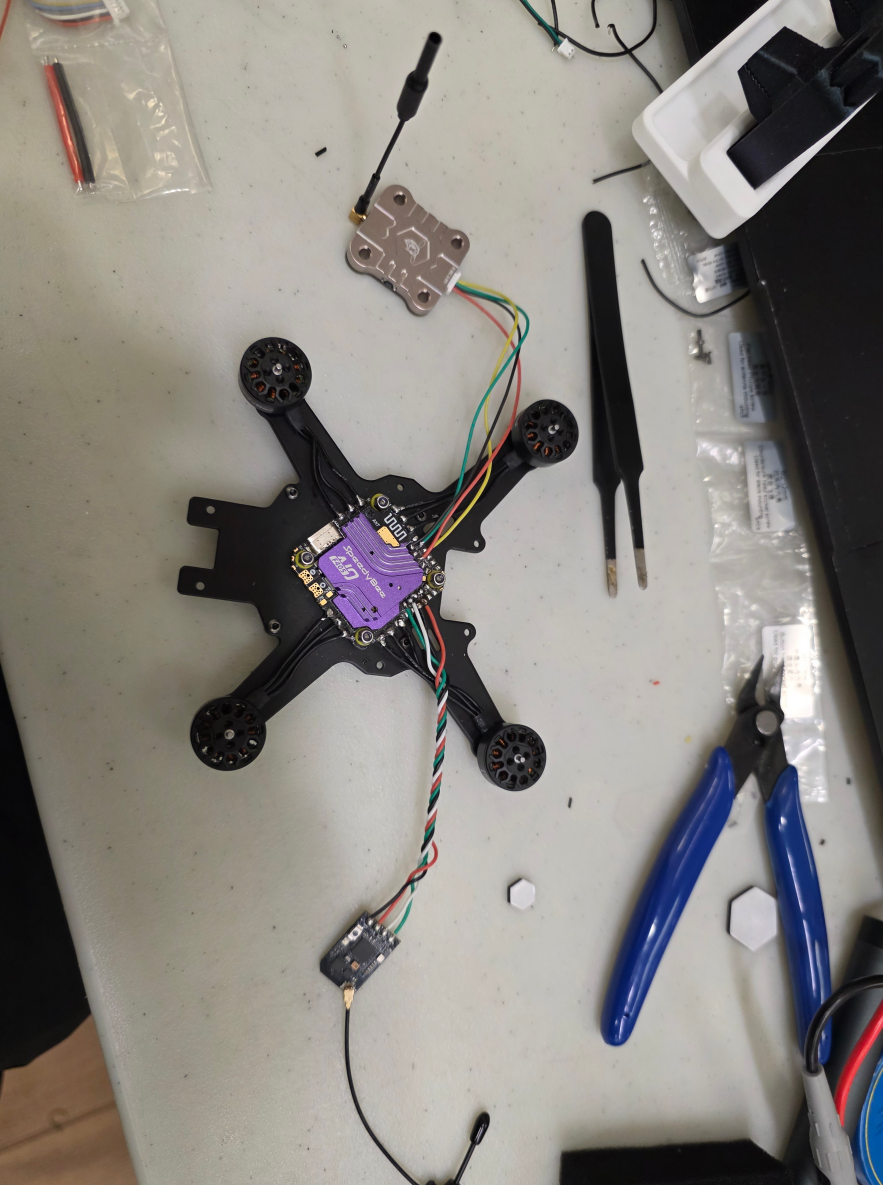
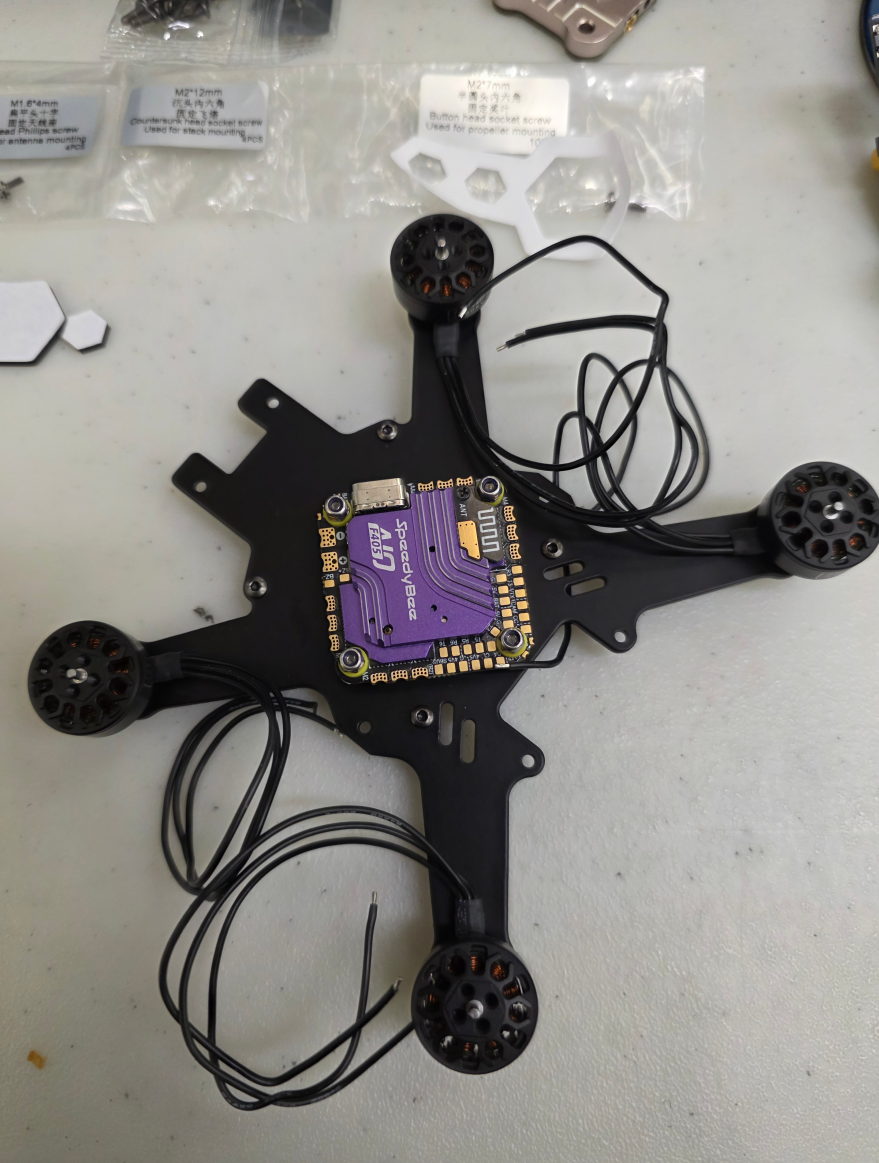
Motors-Soldered-All-Four
-
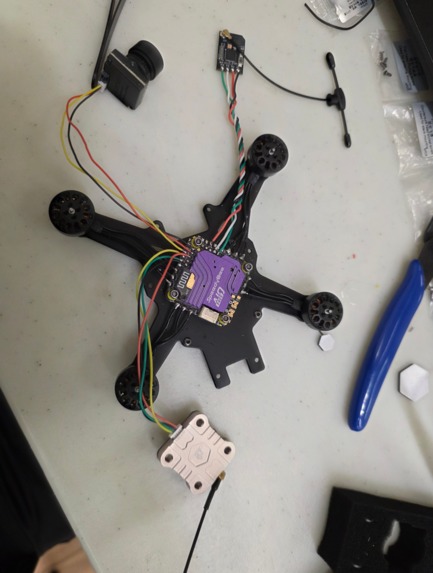
-
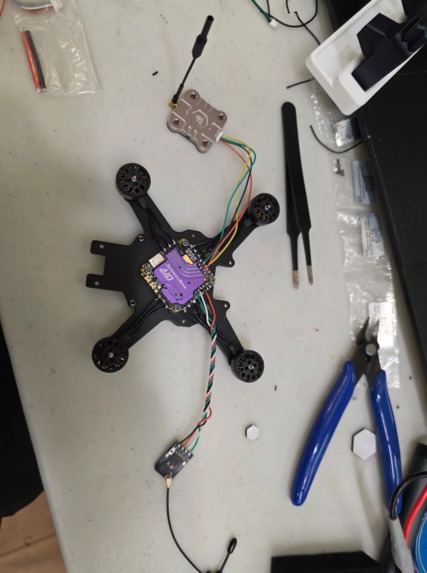
-
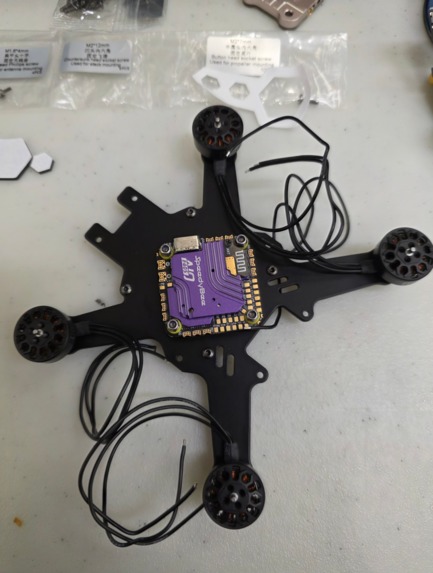
-
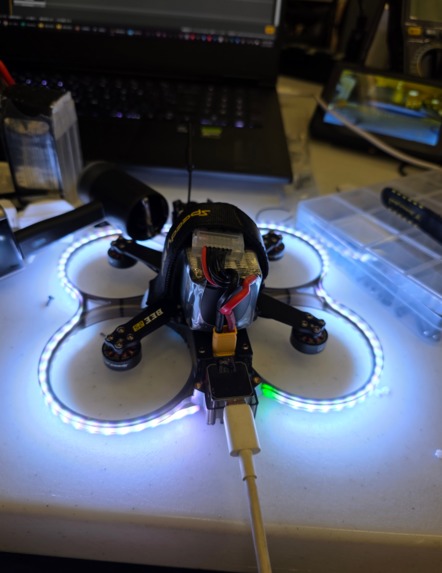
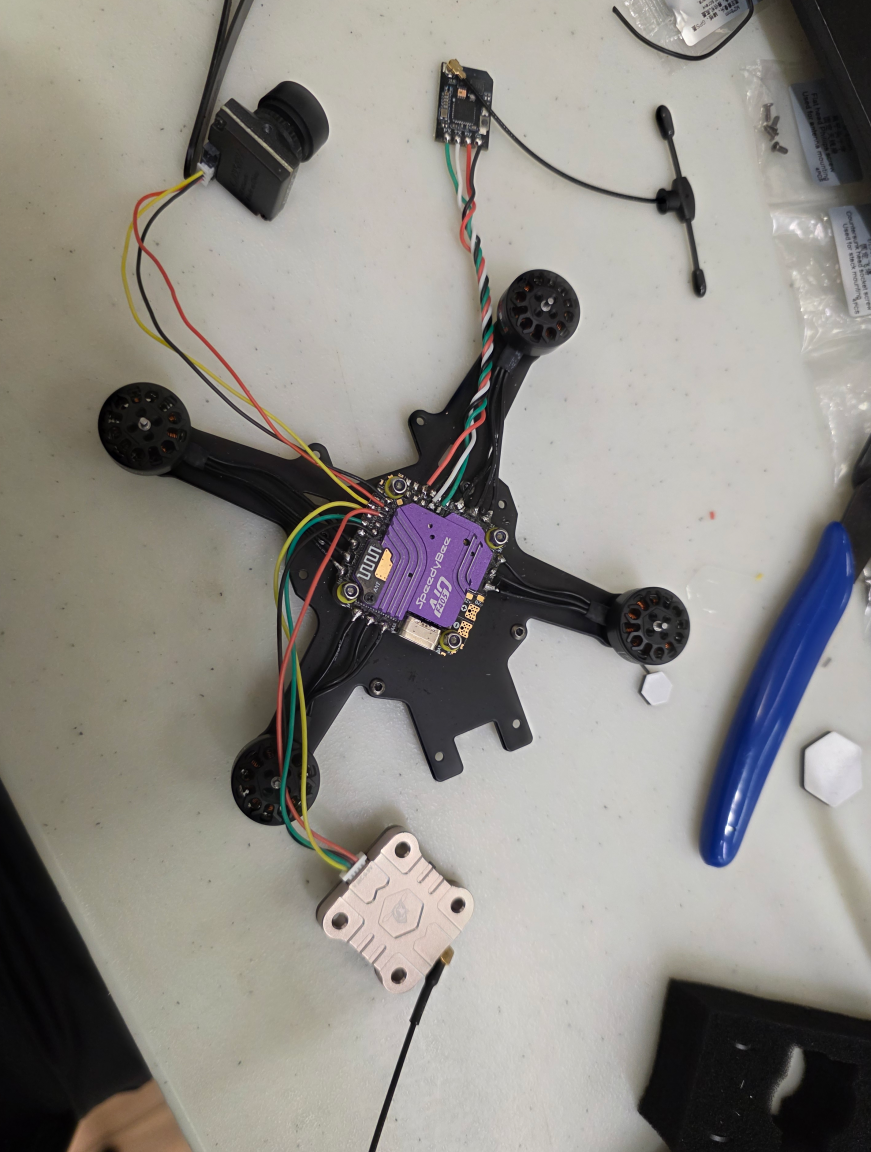
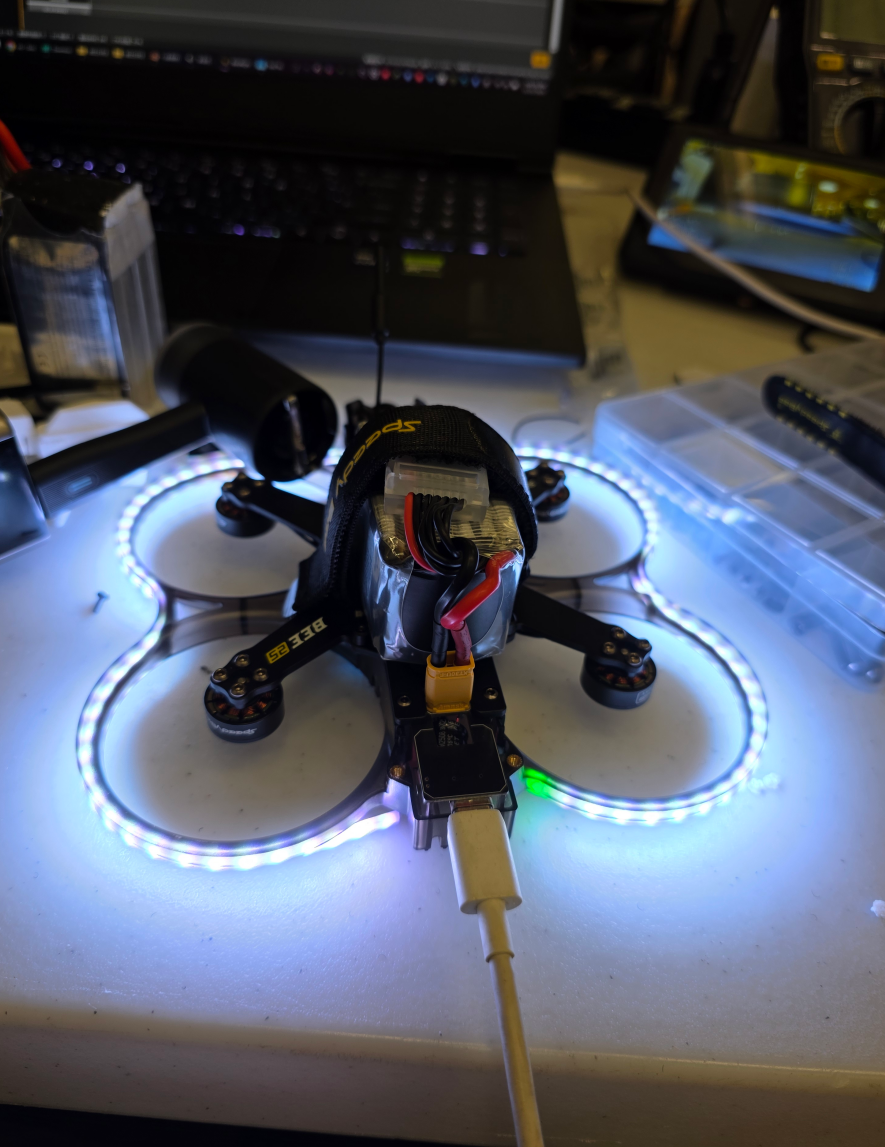
Drone-Connected-to-PC-for-Tuning
-
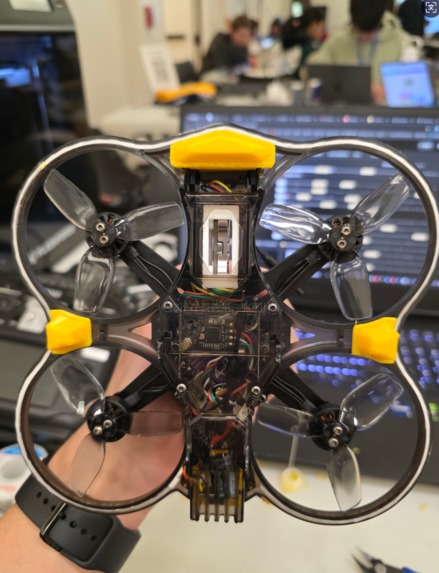
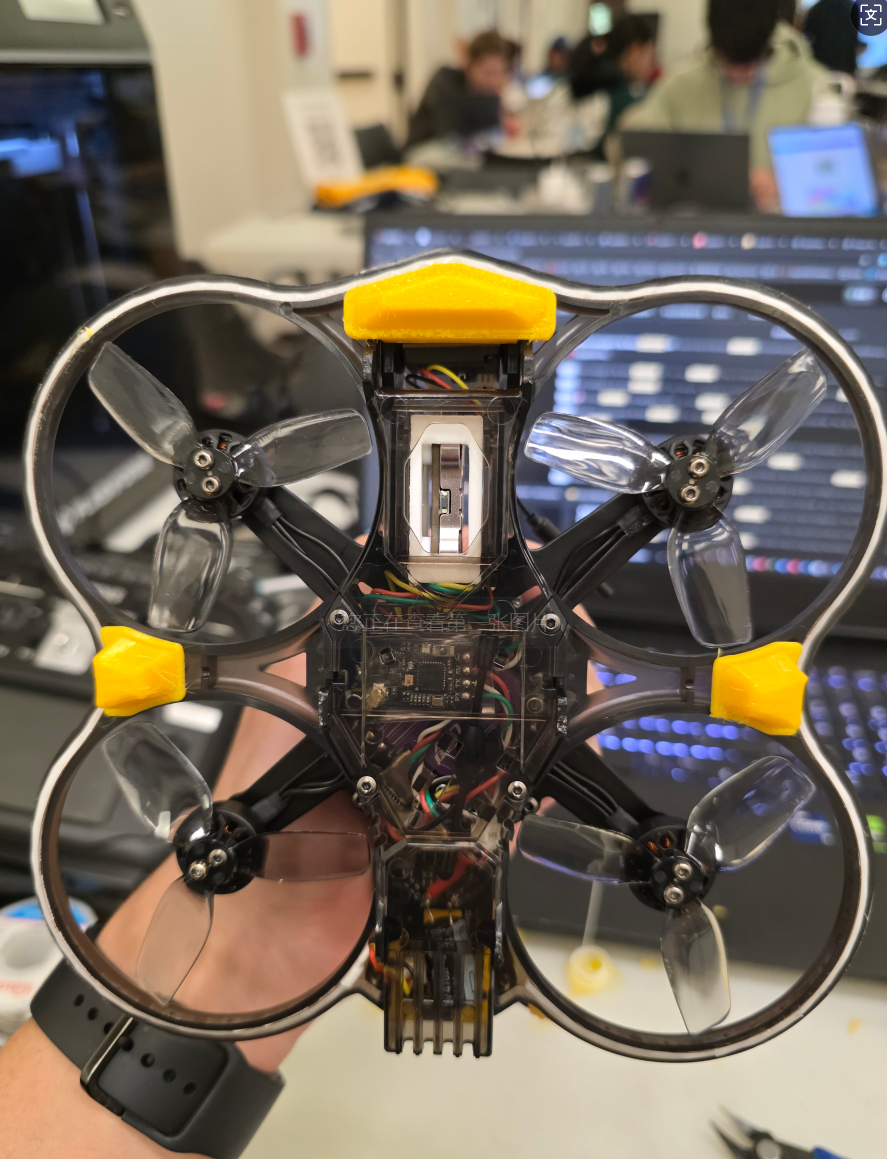
3D-Printed-Soft-TPU-Damping-Pad
-
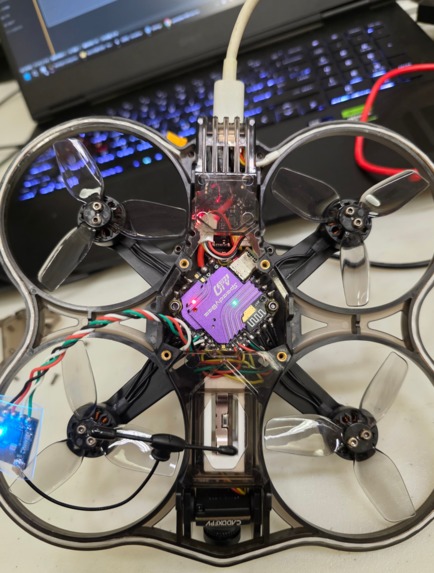
Drone-Soldering-Completed
-
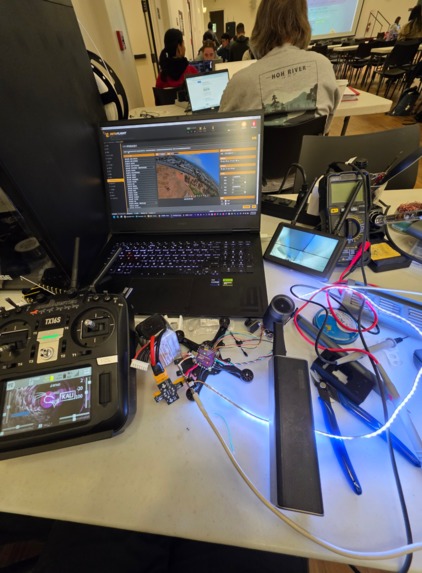
Pre-Assembly-PC-Component-Test
Project SkySentinel: Modular Aerial Security & Rescue Platform
💡 Inspiration
The inspiration for SkySentinel came from bridging two critical fields: Cyber Security and Disaster Response.
The "Air Gap" Fallacy
In cyber security, organizations often rely on high walls and locked doors to protect sensitive networks. However, I realized that physical barriers are irrelevant to an aerial vehicle. I wanted to build a drone capable of "War-Flying"—proving that Physical Isolation ≠ Security by sniffing insecure networks from the air.
The First Responder Gap
In disaster scenarios like earthquakes, seconds matter. Traditional industrial drones are expensive, slow to deploy, and too large for tight spaces. I wanted to engineer a low-cost, high-agility platform that could enter collapsed ruins where humans cannot go.
My goal was not just to assemble a drone, but to engineer a versatile hardware platform that can switch between a "Cyber Penetrator" and a "Life-Saving Scout" by simply swapping payloads.
⚙️ How I Built It
1. The Core Electronics
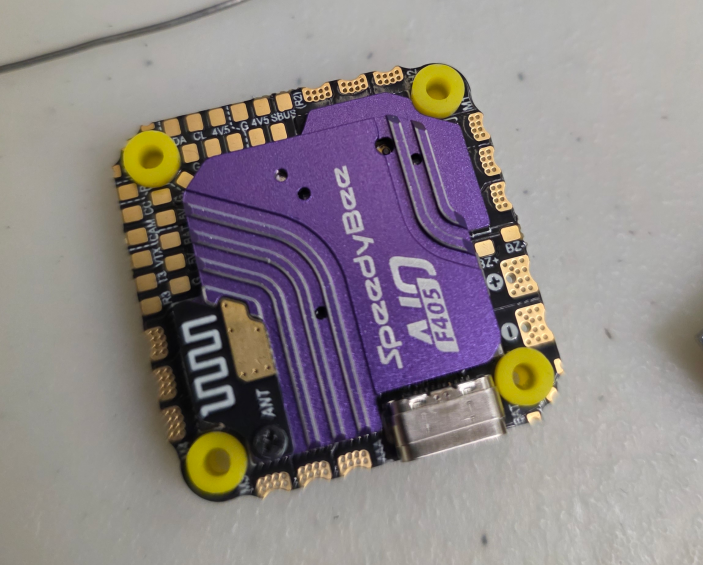
The heart of the system is the SpeedyBee F405 AIO (All-In-One) flight controller.
Precision Assembly:
I hand-soldered the motor signal wires directly to the MOSFET pads. This required steady hands and precise temperature control to ensure low resistance and high reliability.Protocol:
I implemented the DSHOT600 digital protocol, allowing the flight controller to send precise speed commands to the motors thousands of times per second.
2. Custom 3D Printed Parts
I utilized 3D printing technology to create custom components that were not available off-the-shelf.
Custom Integration:
I printed specific mounts (like the GPS holder) to fit the unique geometry of the carbon fiber frame.Landing Protection:
I used TPU (Thermoplastic Polyurethane) material to print flexible landing pads. These simply act as a cushion during landings, protecting the frame and motors from direct contact with rough ground.
3. Digital Twin & Telemetry
Using Betaflight, I configured a real-time telemetry link that acts as a "Digital Twin."
This allows the ground station to monitor the drone's attitude, battery voltage, and RSSI in real-time with latency as low as 20ms. This synchronization is crucial for verifying that the physical drone matches the software simulation.
🚧 Challenges I Faced
Vibration Noise
Initially, the video feed had "Jello" effects (wobbly video), and the motors got hot. This was due to mechanical noise confusing the flight controller's sensors.
Solution:
I diagnosed this using Blackbox logging and solved it by fine-tuning the software filters in Betaflight to smooth out the motor control loops.
Space Constraints
Fitting the VTX, Receiver, and Capacitor into a tight carbon fiber frame was difficult.
Solution:
I meticulously routed the cables and placed the capacitor vertically to act as a noise buffer for the power rail without obstructing the USB port.
🧠 What I Learned
Hardware Engineering
I deepened my understanding of hardware interfaces like UART, I2C, and PWM. I learned how to map resource pins on the microcontroller to add peripherals like GPS or Bluetooth modules.
System Integration
Building a drone is about making disparate systems (video, radio, power, propulsion) work in harmony. I learned how to troubleshoot electrical faults and ensure signal integrity between components.
Trade-off Analysis
Every gram matters. Balancing battery size (Endurance) against motor power (Payload) taught me how to optimize a system for specific mission profiles.
🚀 What's Next for SkySentinel
SkySentinel is currently a high-performance flying platform. The next step is Payload Integration:
- Cyber
Built With
- 3dprinting
- electronics
- hardware


Log in or sign up for Devpost to join the conversation.