Inspiration
SkyMeter started as an experiment in AI-assisted software engineering.
Instead of treating AI as a chatbot or a code completion tool, I wanted to explore whether it could become a true engineering collaborator. My goal was simple: could an independent developer, working closely with Codex, build a production-quality desktop application that would normally require a much larger team?
This project became both a practical application for Granblue Fantasy: Relink players and a personal exploration of a new way of building software.
What it does
SkyMeter is an unofficial local combat analysis tool for Granblue Fantasy: Relink.
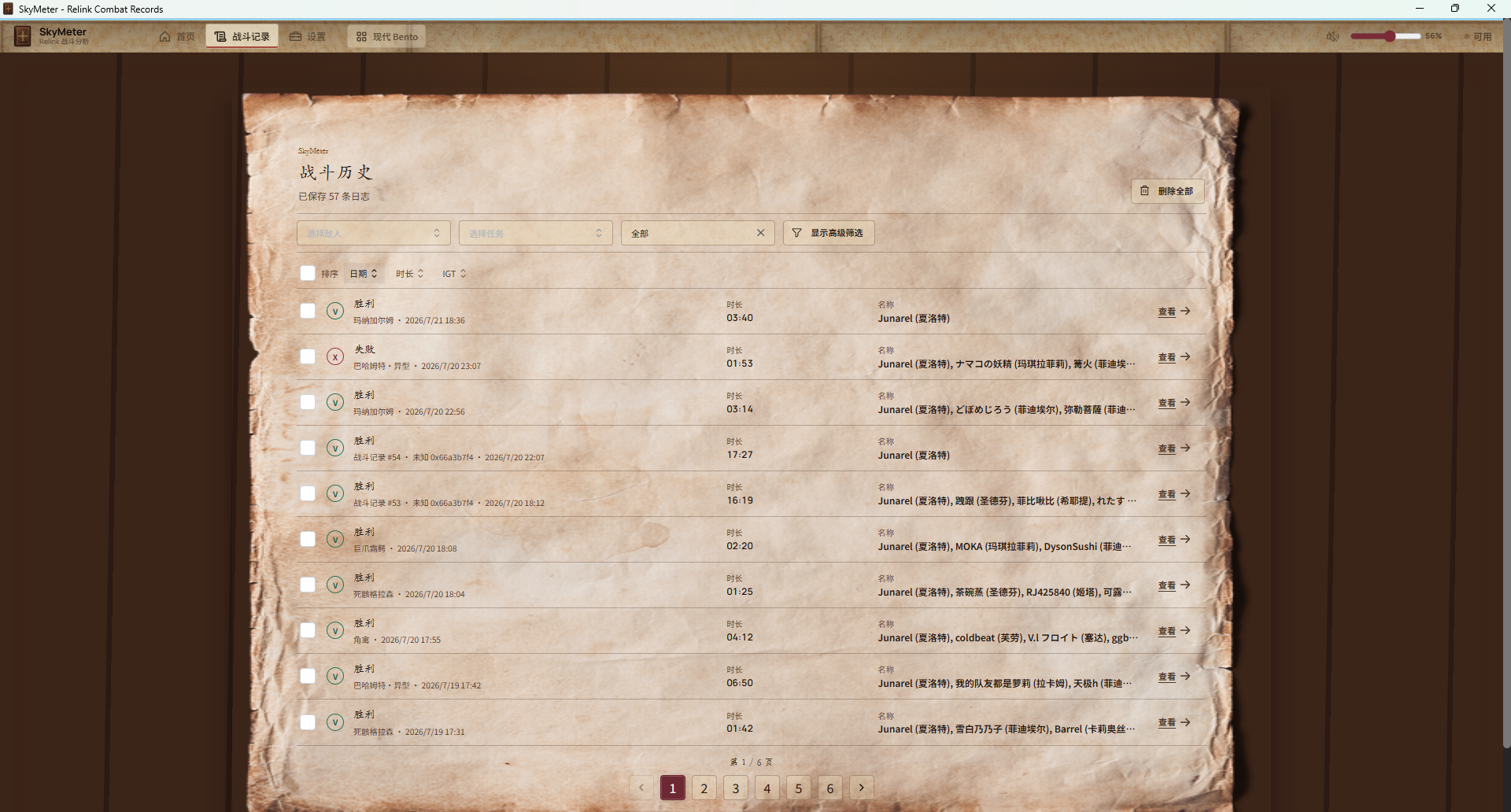
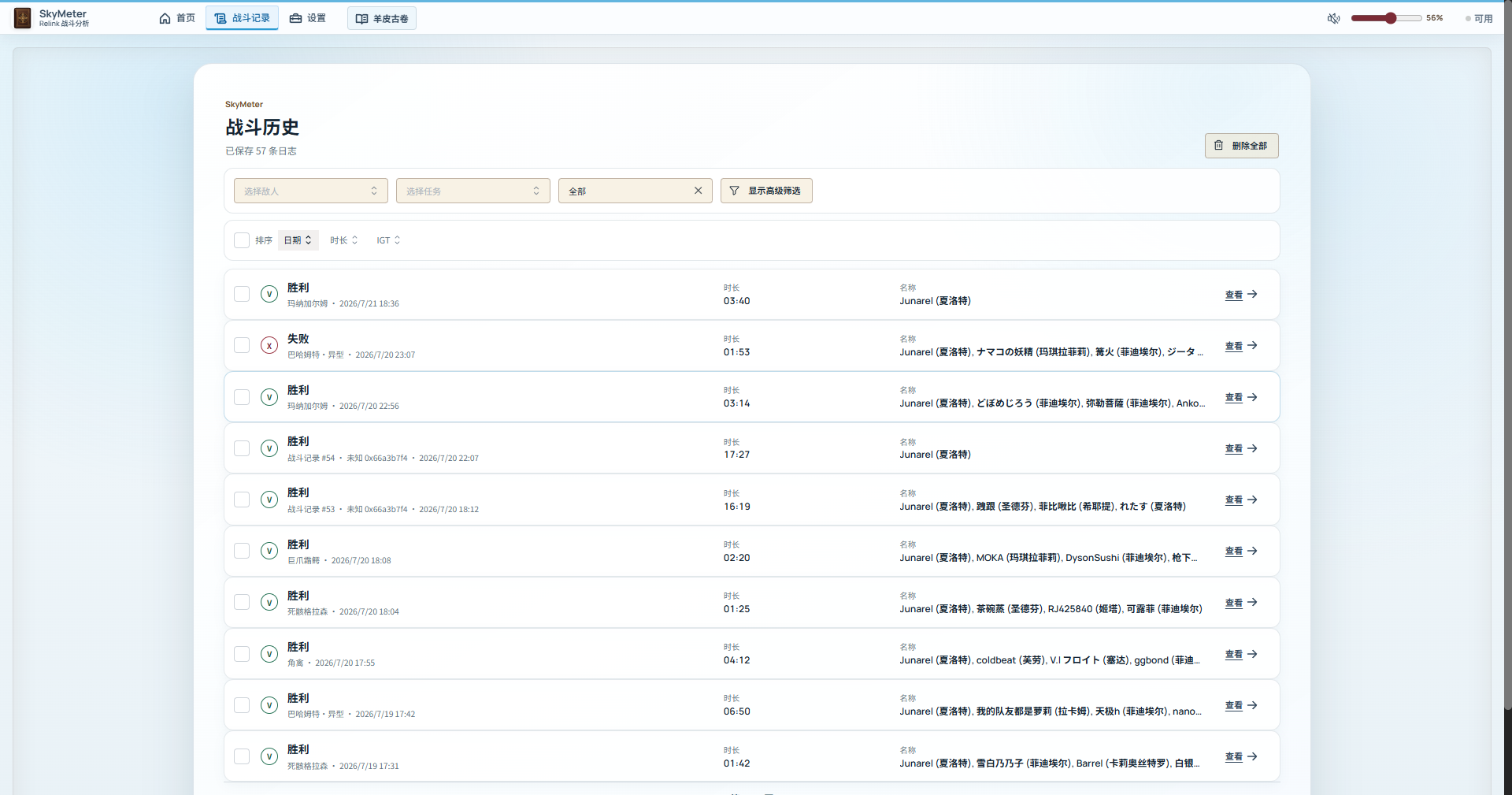
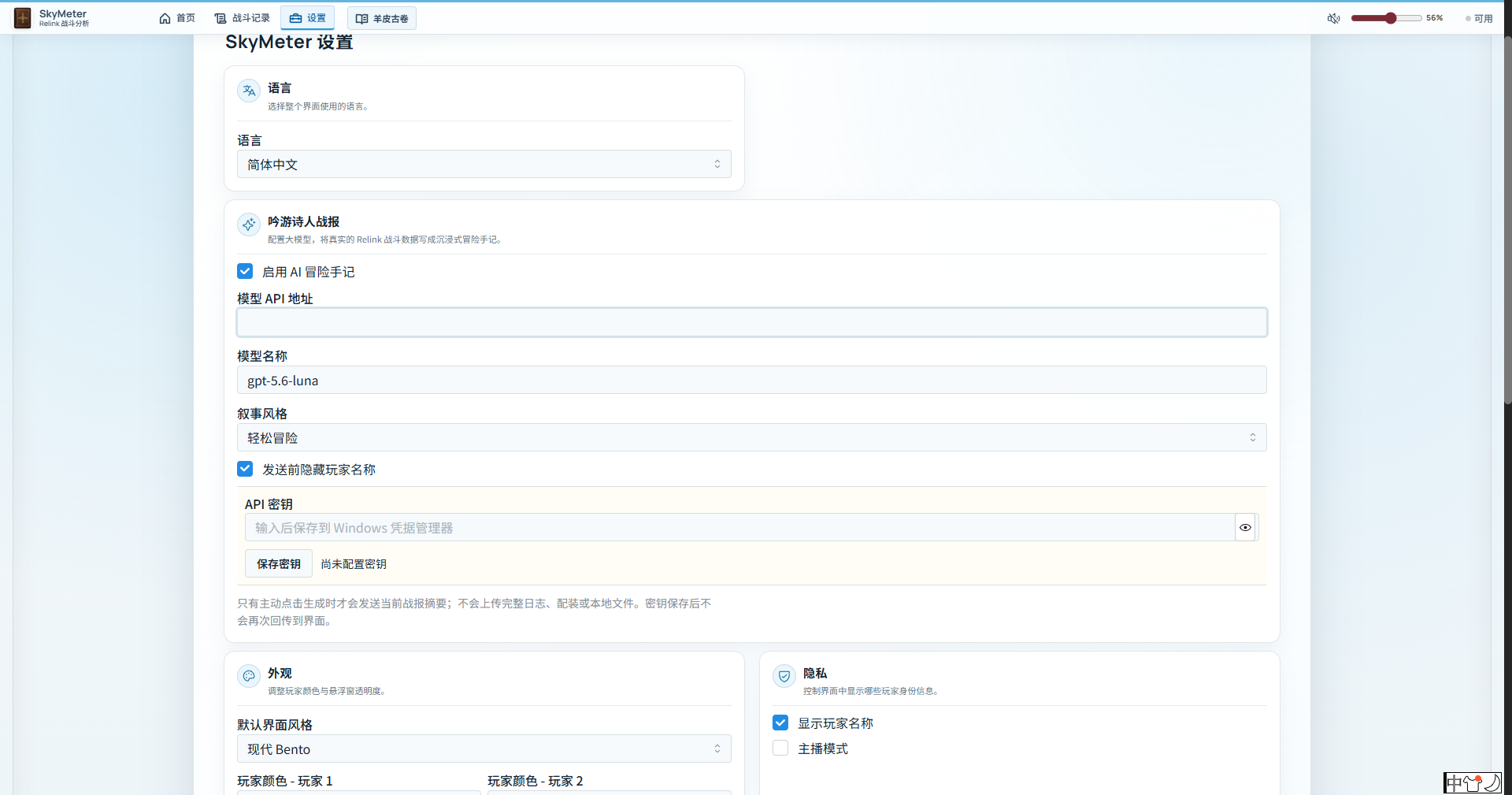
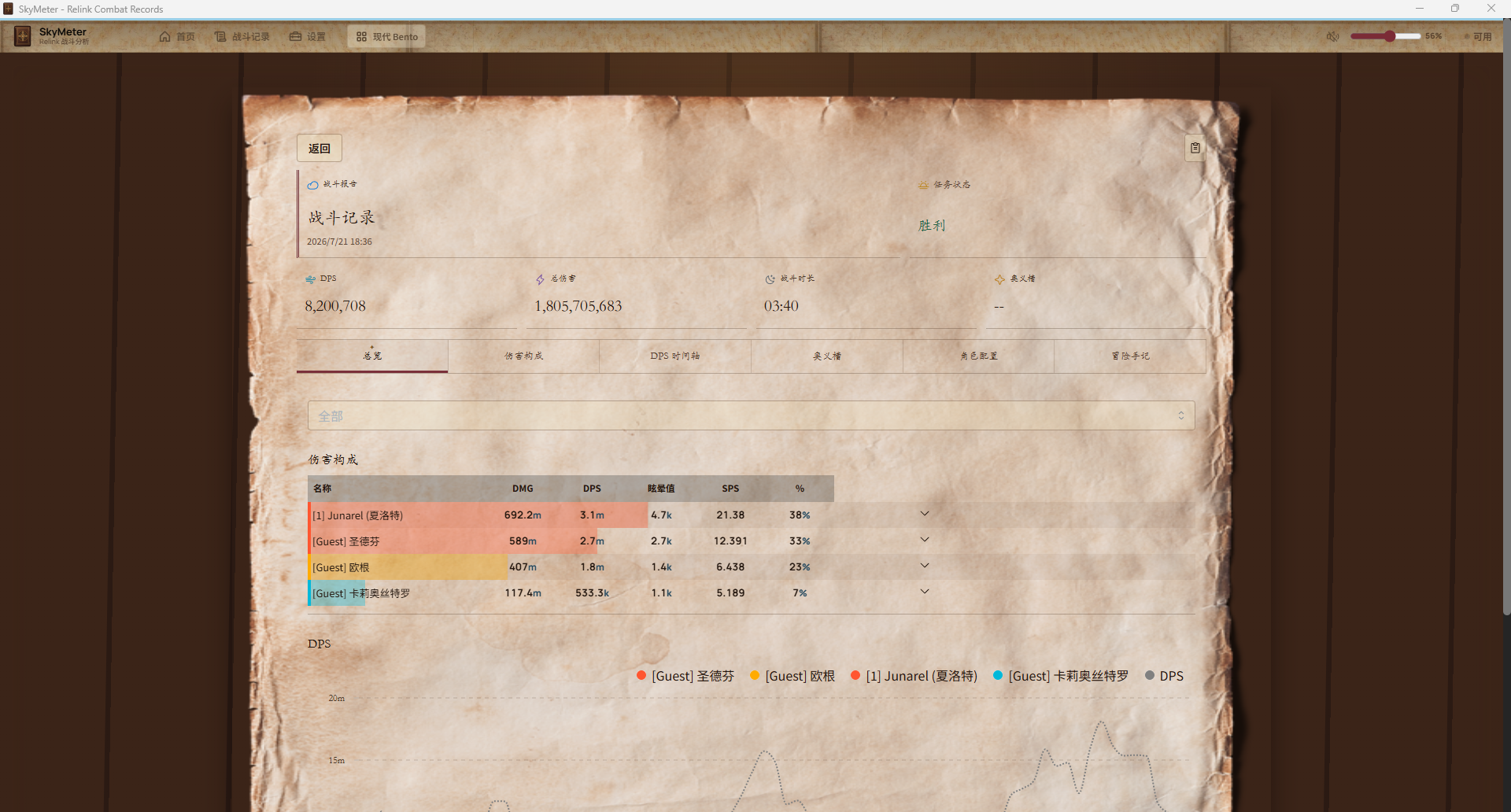
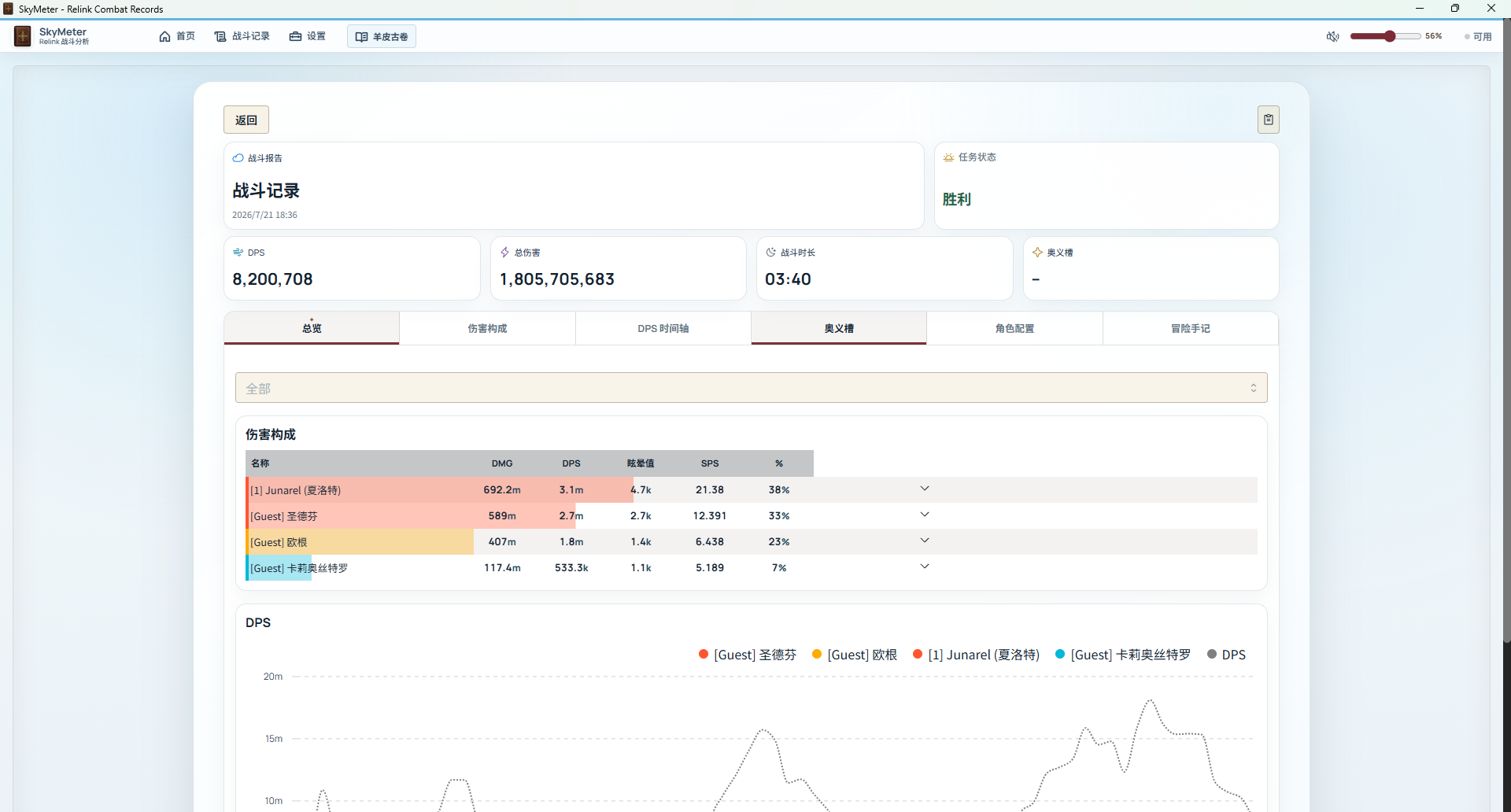
It provides a real-time DPS overlay, detailed battle history, skill breakdowns, combat timelines, multilingual support, dual UI themes, and an optional AI-powered adventure journal. All combat analysis is performed locally by default, keeping player data private while offering rich post-battle insights.
The application is designed to be lightweight, responsive, and easy to use without interrupting gameplay.
How I built it
SkyMeter is built with Tauri, Rust, React, and TypeScript.
Throughout the project I collaborated extensively with Codex. Rather than treating AI as an automatic code generator, I used it as an engineering partner to help implement features, refactor code, solve bugs, and explore different architectural approaches.
I was responsible for defining the product vision, designing the system architecture, reviewing AI-generated implementations, debugging issues, testing features, and making the final engineering decisions.
The project combines a native Rust capture module, a local SQLite-based data pipeline, a modern desktop UI, multilingual localization, and an extensible plugin-friendly architecture.
Challenges I ran into
The biggest challenge wasn't writing code—it was learning how to collaborate effectively with AI.
As the project grew, I realized that successful AI-assisted development still depends heavily on software engineering fundamentals. Clear specifications, architectural planning, continuous code review, debugging, and testing were essential to turning AI-generated implementations into a reliable application.
Another challenge was integrating multiple technologies—including Rust, React, TypeScript, Tauri, and native Windows components—while maintaining performance and stability.
Accomplishments that I'm proud of
- Built a production-quality desktop application through close collaboration with Codex.
- Designed a modular architecture combining Rust, React, TypeScript, and Tauri.
- Implemented a complete local combat analysis workflow while keeping user data private.
- Learned how to use AI as a real software engineering multiplier instead of simply a code generator.
What I learned
This project completely changed the way I think about software development.
I learned that AI doesn't replace software engineers—it amplifies them. The most valuable skill isn't manually writing every line of code, but designing good architecture, communicating requirements clearly, reviewing implementations critically, and continuously improving the system.
Building SkyMeter taught me that the future of software development is likely to be collaborative, where developers and AI work together while humans remain responsible for the overall design, quality, and user experience.
What's next for SkyMeter
I plan to continue improving SkyMeter by optimizing performance, expanding compatibility, refining the user experience, and adding more intelligent features.
I also want to continue exploring AI-assisted software engineering and see how far a single independent developer can go by working closely with tools like Codex.
Ultimately, I hope SkyMeter will not only become a useful application for players, but also demonstrate a practical example of how AI can empower independent developers to build ambitious software projects.


Log in or sign up for Devpost to join the conversation.