Inspiration
SkyHigh was inspired by the urgent need for affordable, fast, and easy-to-use tools in rescue missions. Traditional drones, while effective, face limitations such as high costs, noise, and regulatory challenges. These barriers often delay deployment in critical situations. Our goal was to design an alternative that is low-cost, efficient, and deployable without legal or operational complications, making it a valuable tool in life-saving missions where every second counts.
What it does
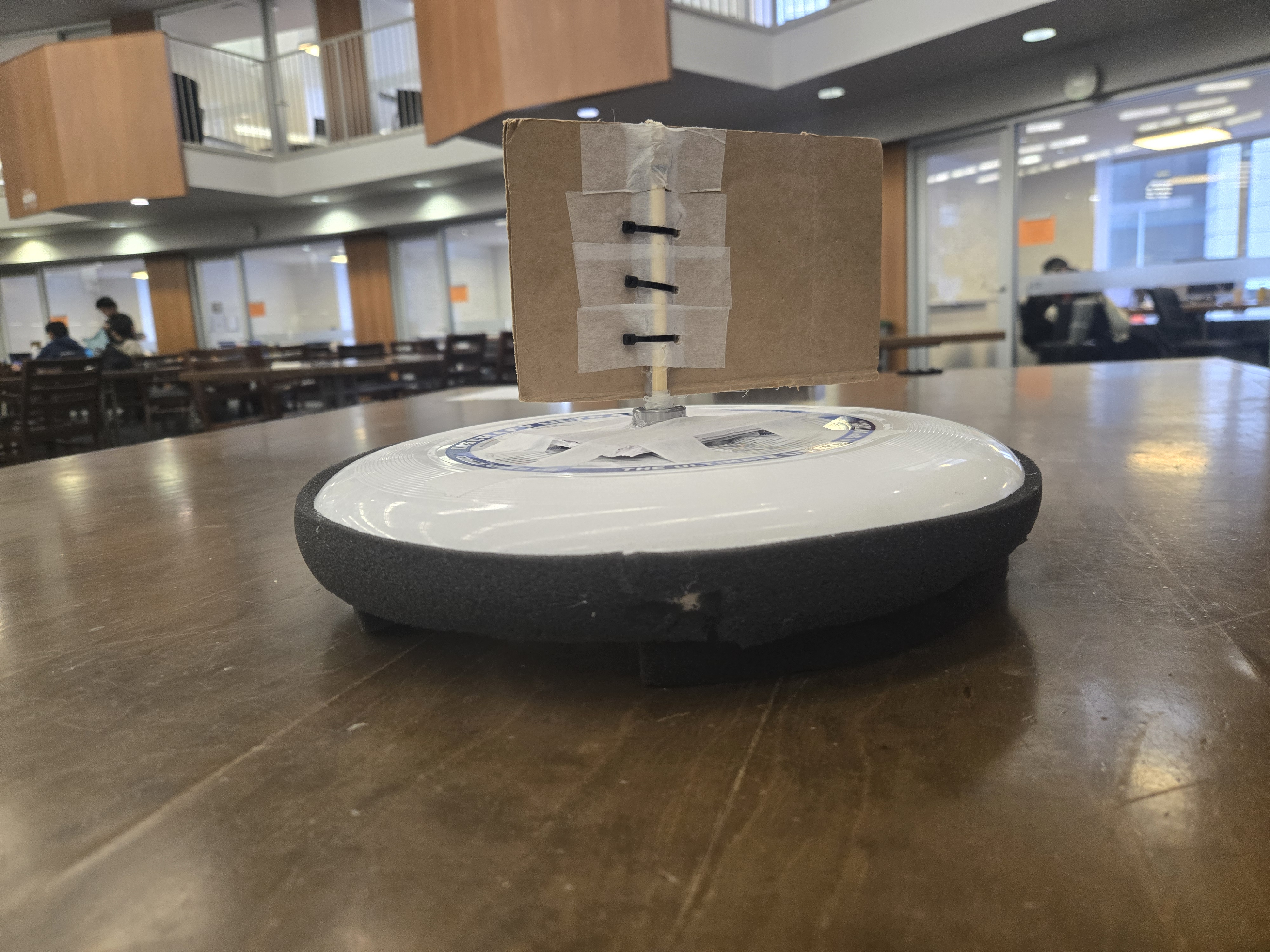
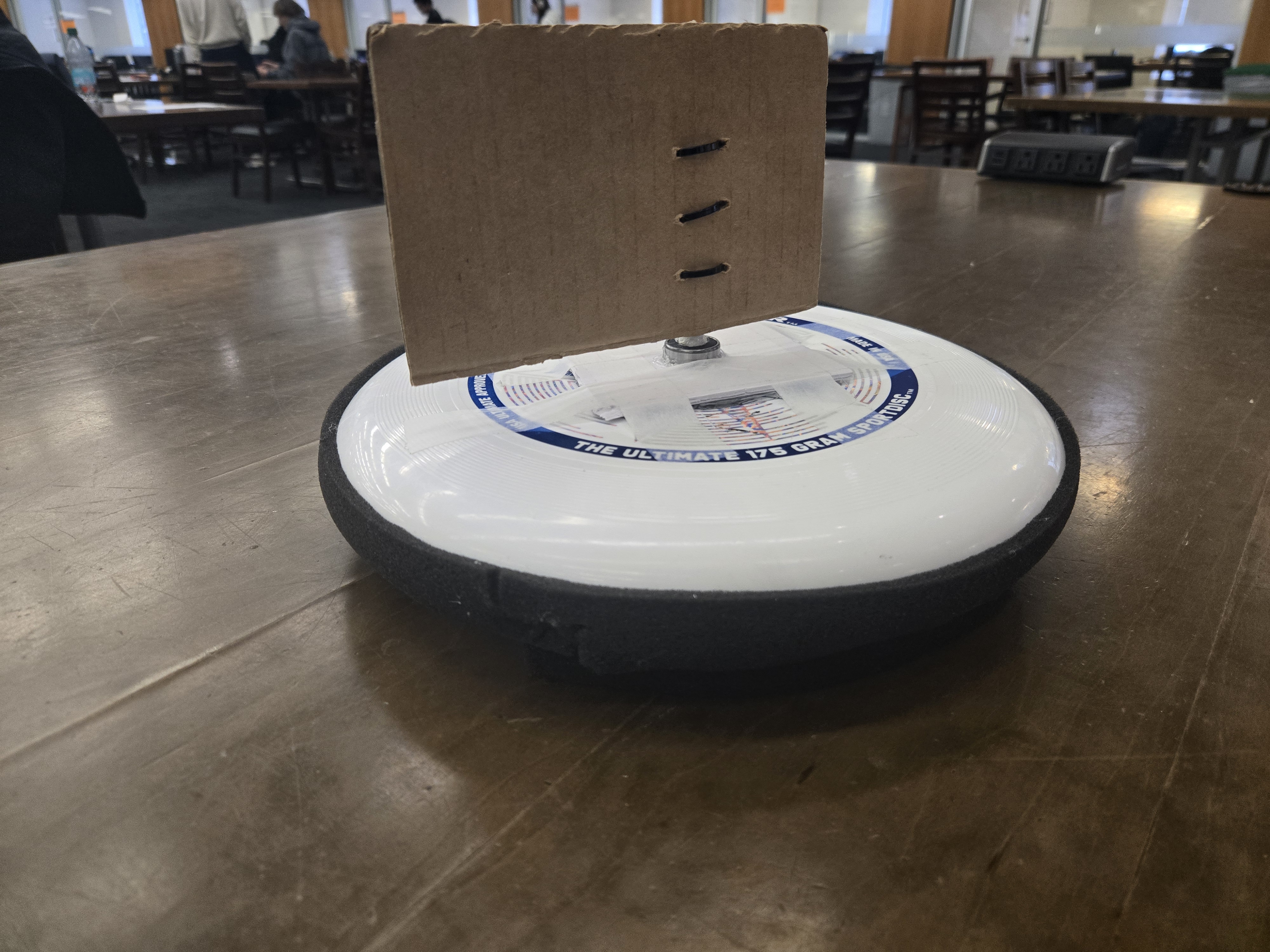
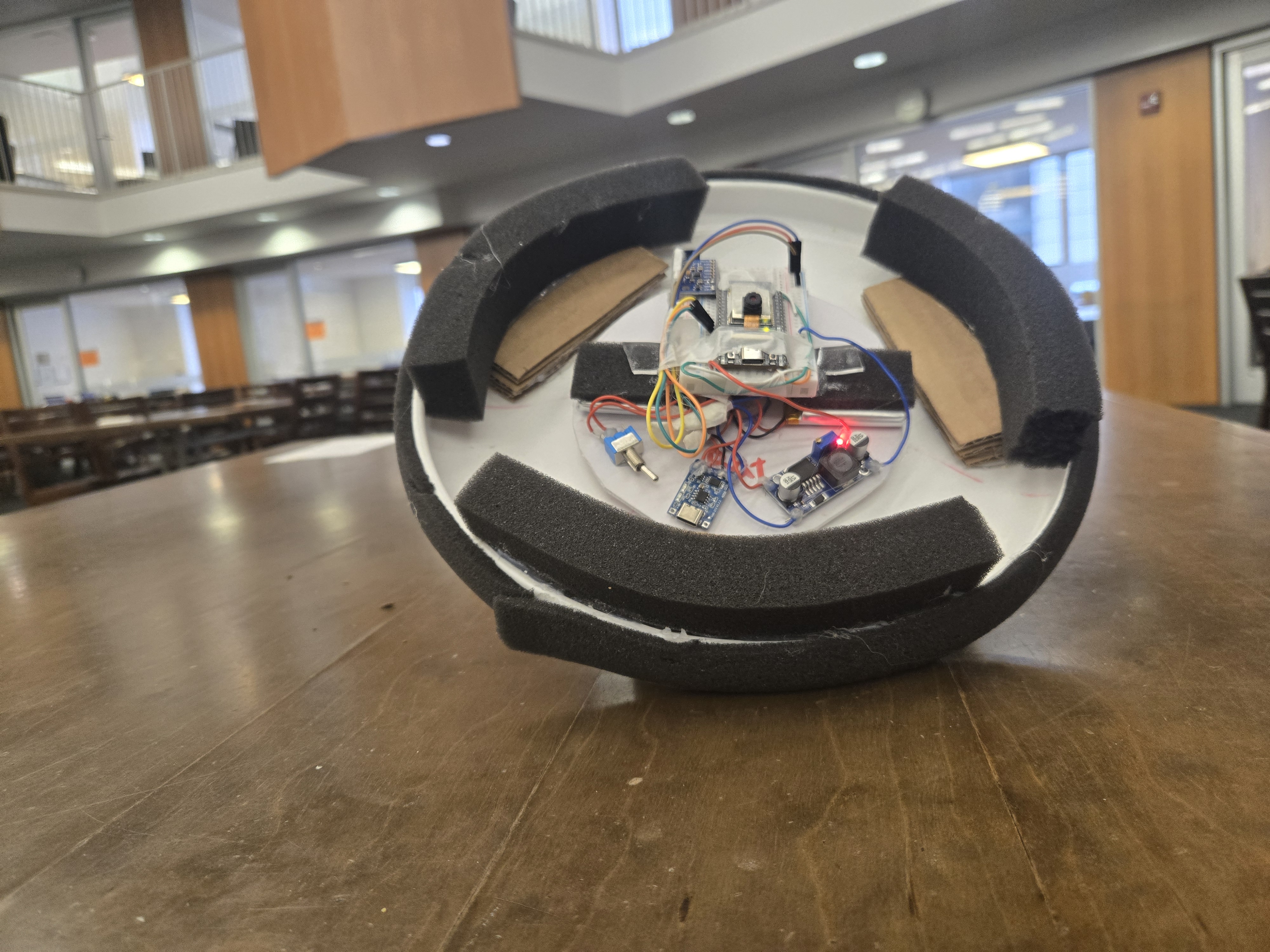
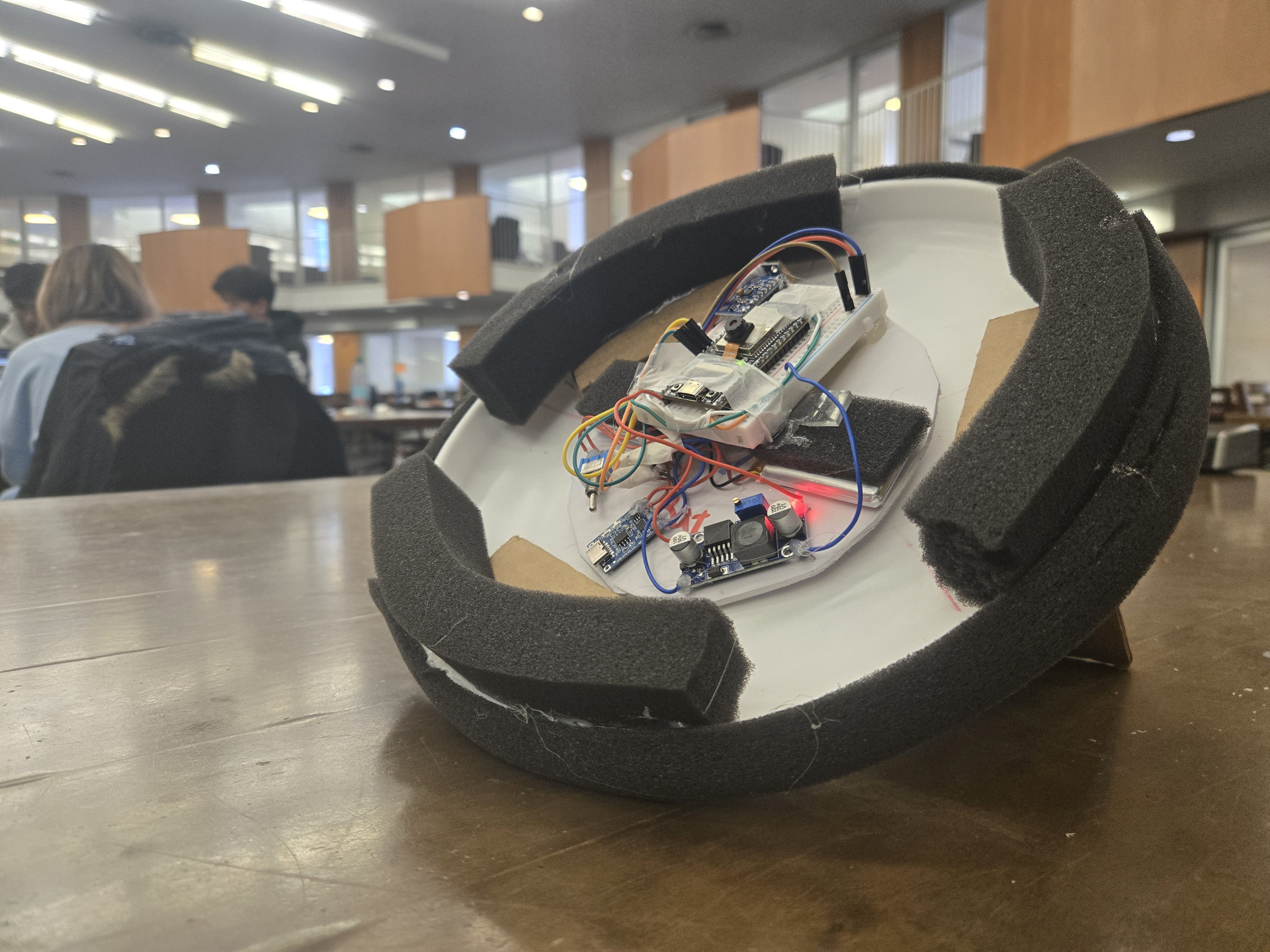
SkyHigh is an aerodynamic frisbee robot designed to gather critical rescue data while in flight. Once thrown, it collects images, audio, environmental metrics (e.g., temperature), and other data in chunks.
- The collected data is transmitted to a two-layer server system:
- RobotServer: Filters data chunks to select the best frames based on quality and blurriness.
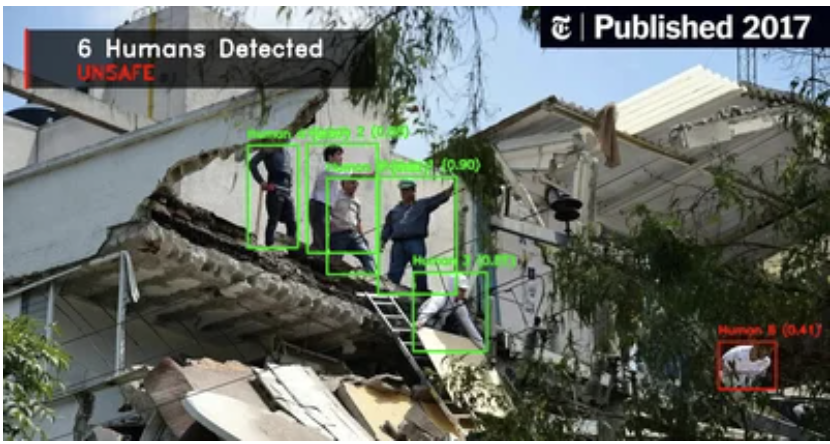
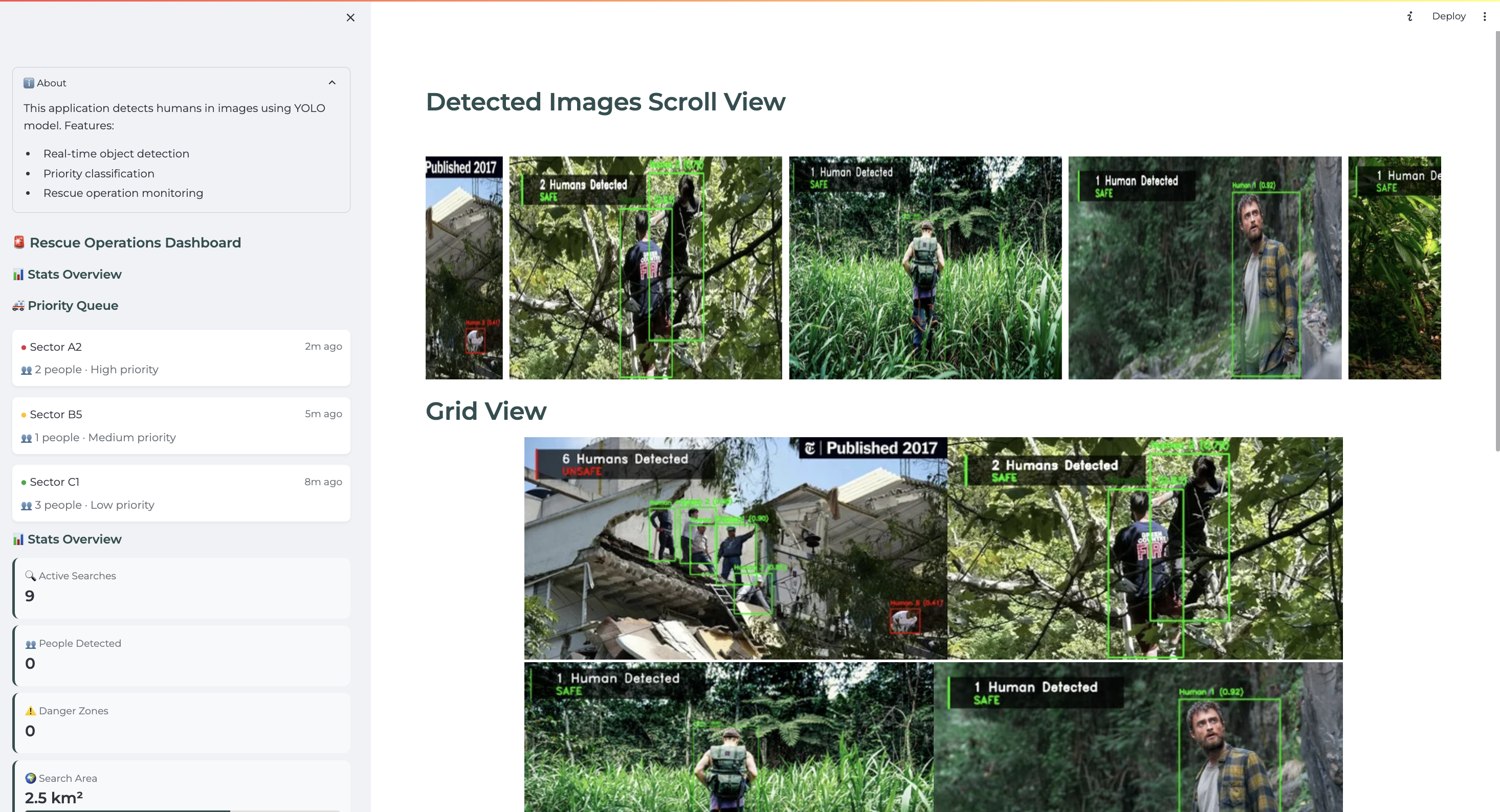
- AIServer: Analyzes the data using a multi-agent AI system that employs object detection, LLMs, and the Groq API to identify people, hazards, and important rescue information.
- RobotServer: Filters data chunks to select the best frames based on quality and blurriness.
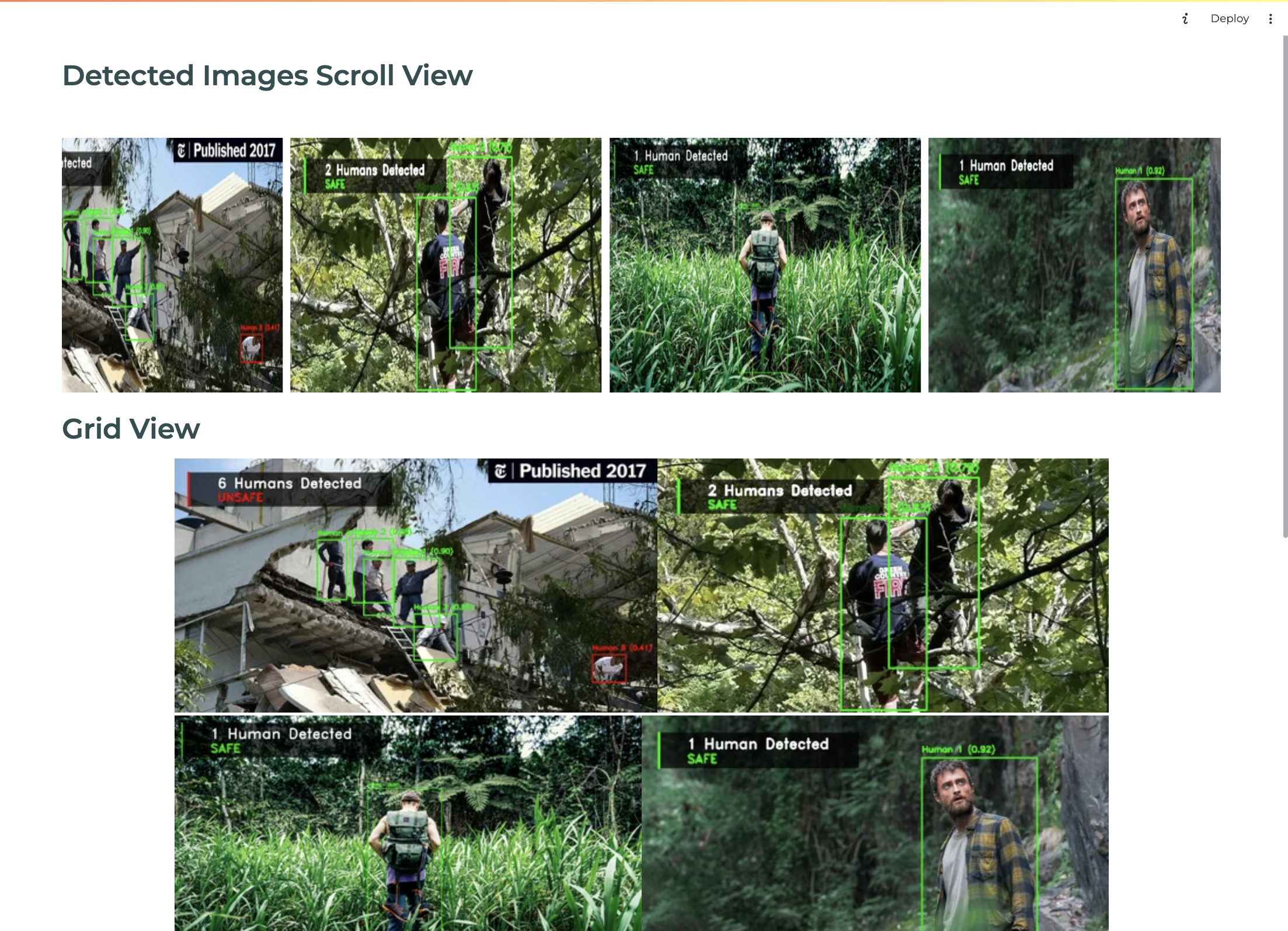
The results are visualized in an interactive Streamlit-based frontend, providing actionable insights to rescue teams. SkyHigh's design allows for quieter operation, making it ideal for detecting voices and other audio signals that drones might miss.
How we built it
Hardware:
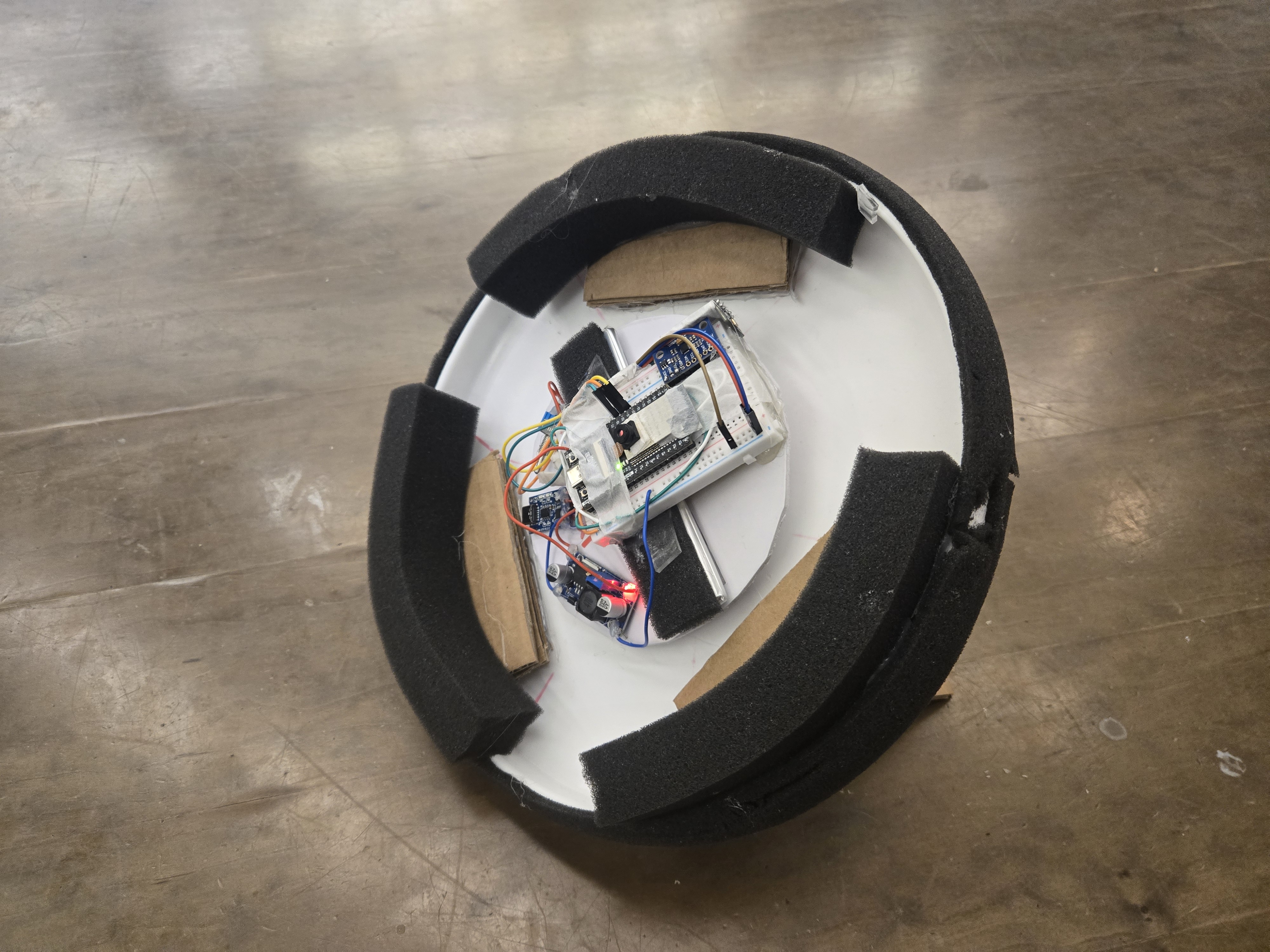
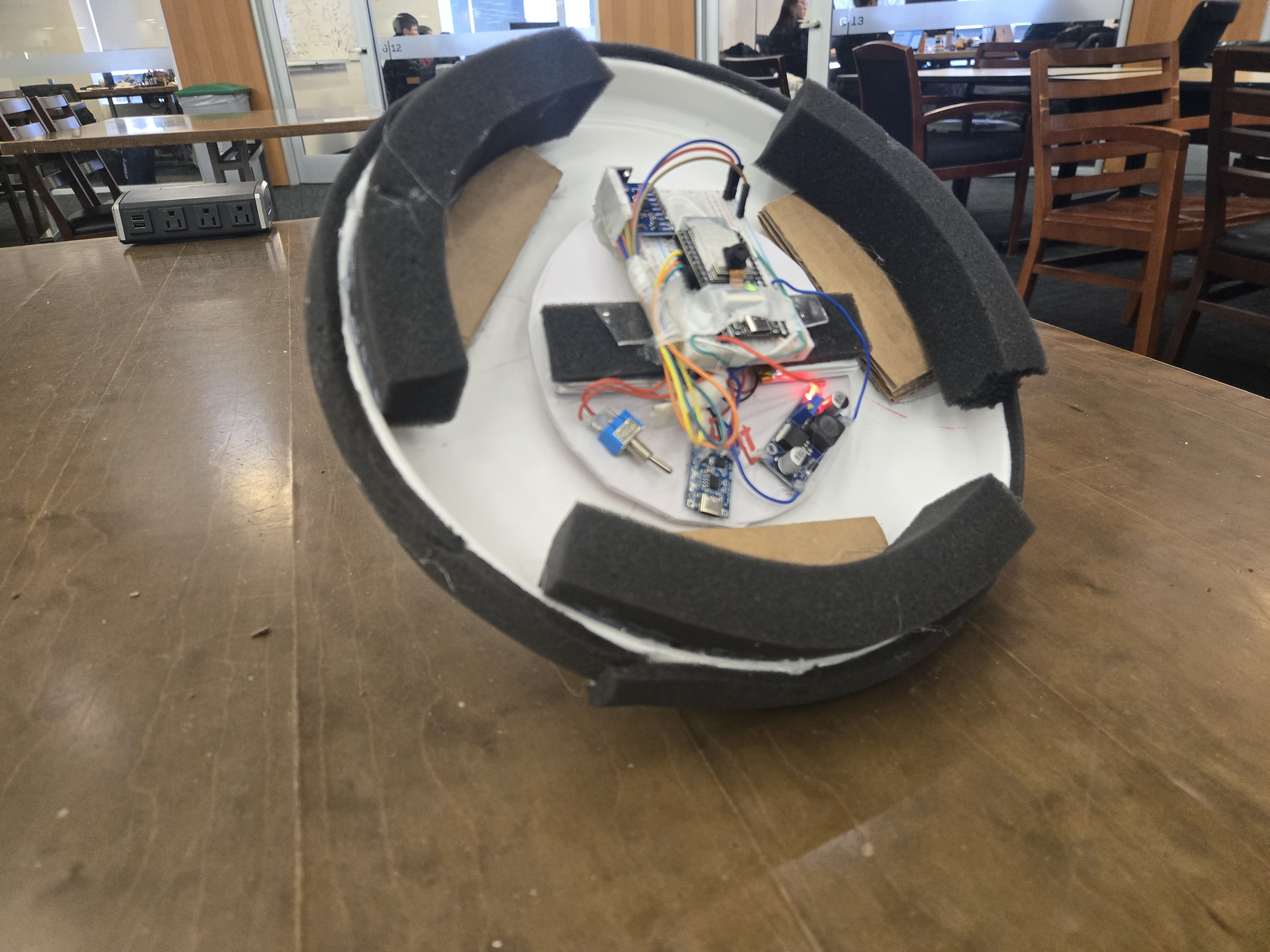
- ESP32 was used for its low energy consumption and lightweight design.
- Integrated sensors included a gyroscope, accelerometer, magnetometer, microphone, and camera.
- Developed a passive mechanical stabilization system using small wings and bearings to keep the camera stable mid-flight.
- ESP32 was used for its low energy consumption and lightweight design.
Backend:
- RobotServer processed raw data chunks, filtering out blurry frames and performing basic processing.
- AIServer utilized a multi-agent system powered by object detection algorithms, LLMs, and Groq API to iteratively analyze data and extract rescue-relevant insights.
- RobotServer processed raw data chunks, filtering out blurry frames and performing basic processing.
Frontend:
- Built with Streamlit for quick data visualization.
- Enhanced with custom HTML and Markdown to overcome Streamlit’s component limitations.
- Built with Streamlit for quick data visualization.
Challenges we ran into
- Mechanical Stability: Creating a fully passive stabilization system with mechanisms on both sides of the frisbee required intricate testing and adjustments.
- Streamlit Limitations: Streamlit lacked certain interactive components, so we creatively implemented custom solutions using HTML and Markdown.
- AI Agent Tuning: Fine-tuning the multi-agent system to produce reliable and actionable insights required extensive experimentation and testing.
Accomplishments that we're proud of
- Successfully designing a low-cost, fully functional mechanical stabilization system without the need for active components.
- Building a scalable and modular AI system capable of analyzing complex rescue data.
- Developing a creative frontend solution by extending Streamlit with custom components.
- Demonstrating the feasibility of an innovative, silent, and affordable tool for rescue operations, addressing real-world challenges in disaster response.
What we learned
- Designing passive aerodynamic mechanisms requires a solid understanding of physics and engineering principles.
- Integrating hardware and software systems demands meticulous planning and testing to ensure seamless functionality.
- Streamlit’s flexibility can be enhanced with creative use of custom components like HTML and Markdown.
- Iterative development is crucial when building multi-agent AI systems to ensure reliable and meaningful outputs.
What's next for SkyHigh
- Improved Aerodynamics: Conducting more tests and exploring new designs to optimize the frisbee’s flight stability and distance.
- Single Battery Configuration: Implementing a more efficient voltage regulator to allow the system to operate with a single battery, reducing overall weight.
- Obstacle Avoidance Mechanisms: Designing simple maneuvering systems to help the frisbee avoid obstacles during flight.
- Continued Exploration After Landing: Adding small wheels to enable the frisbee to move and collect data after landing.
- Launcher Mechanism: Developing a launcher to increase deployment distance, enabling use in hard-to-reach areas.
- Boomerang Shape Experimentation: Testing boomerang-inspired shapes to allow the frisbee to return to its starting point, making it easier to retrieve and reuse.
These enhancements will make SkyHigh even more versatile and impactful in rescue missions, broadening its applications and effectiveness.


Log in or sign up for Devpost to join the conversation.