-
-
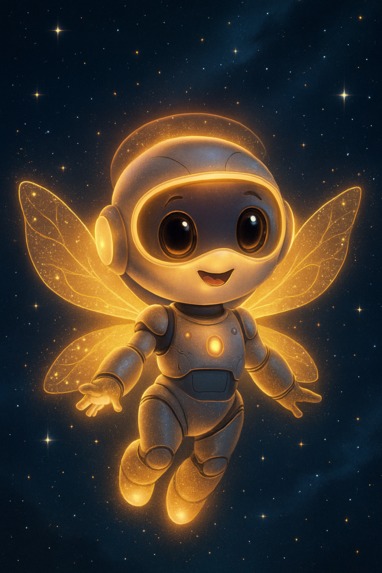
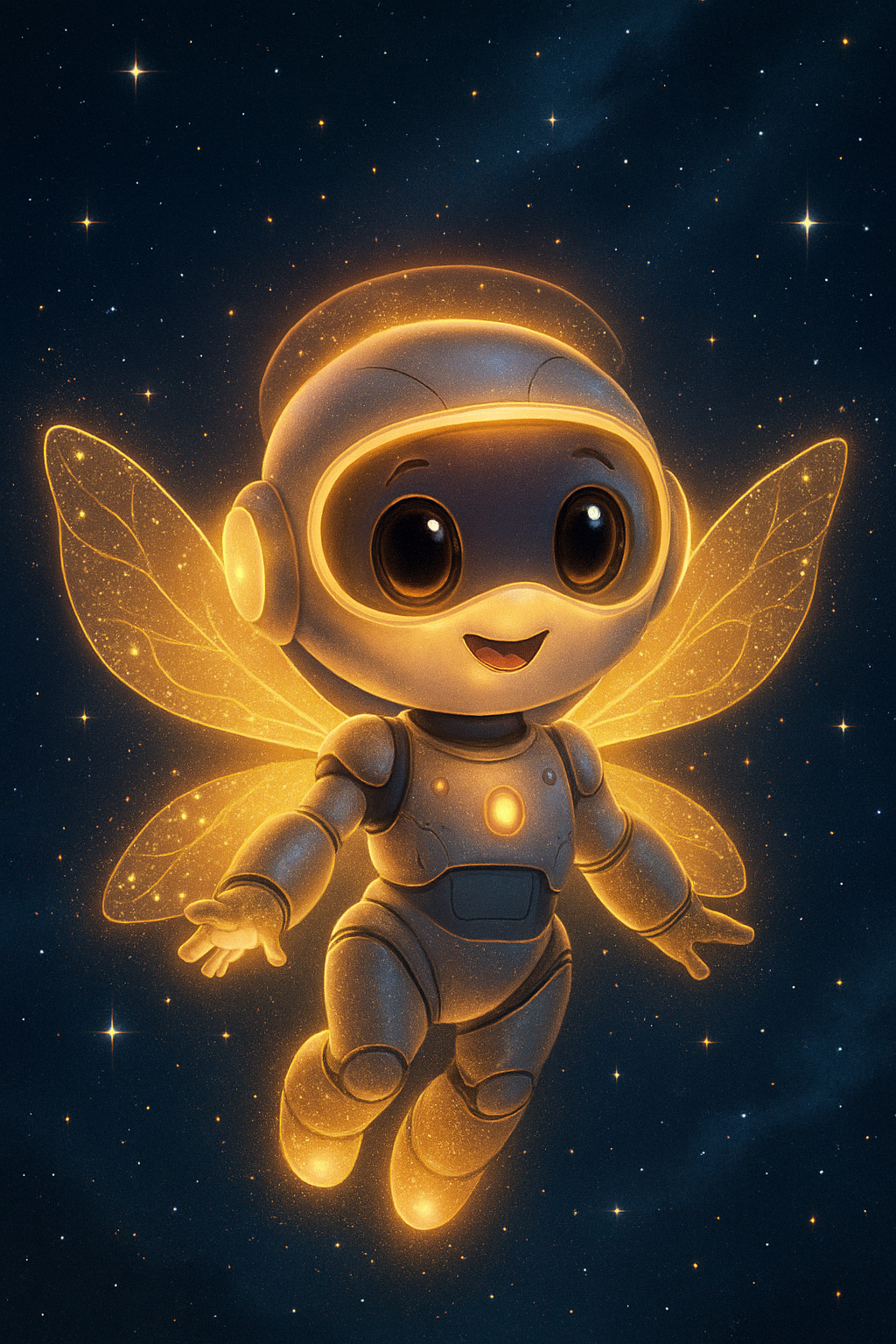
luma! angle of sky
-

"Protect the night, preserve the magic."
-
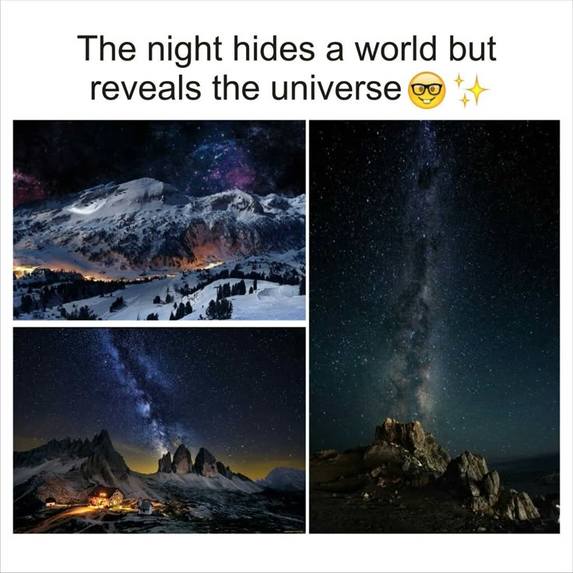
“Nightfall cloaks the Earth, but unveils the stars.”
-
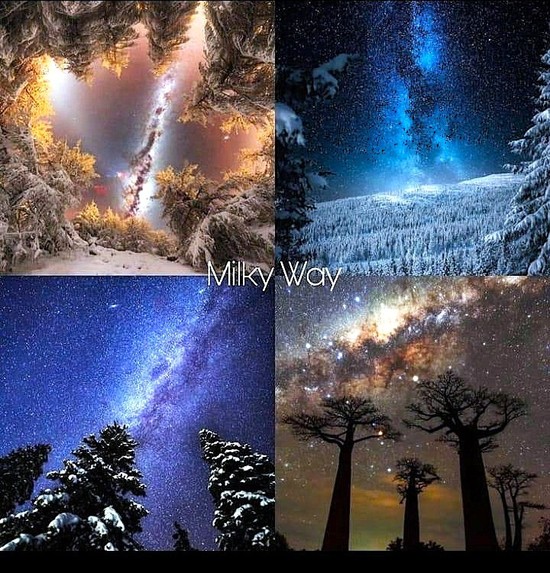
"Where city lights end, the cosmos begins. "
-
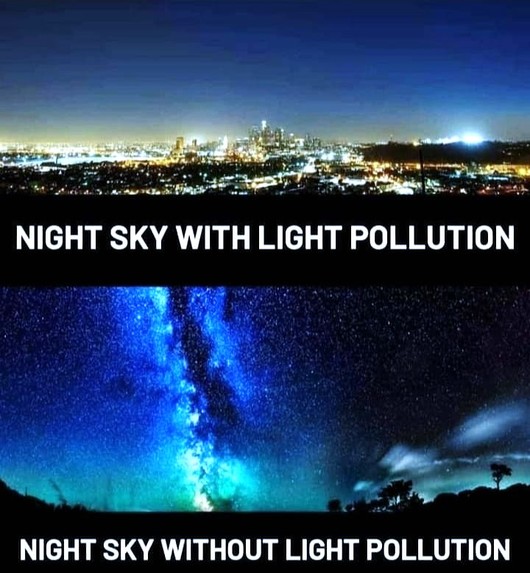
"The stars are still there. Let’s make them visible again. "

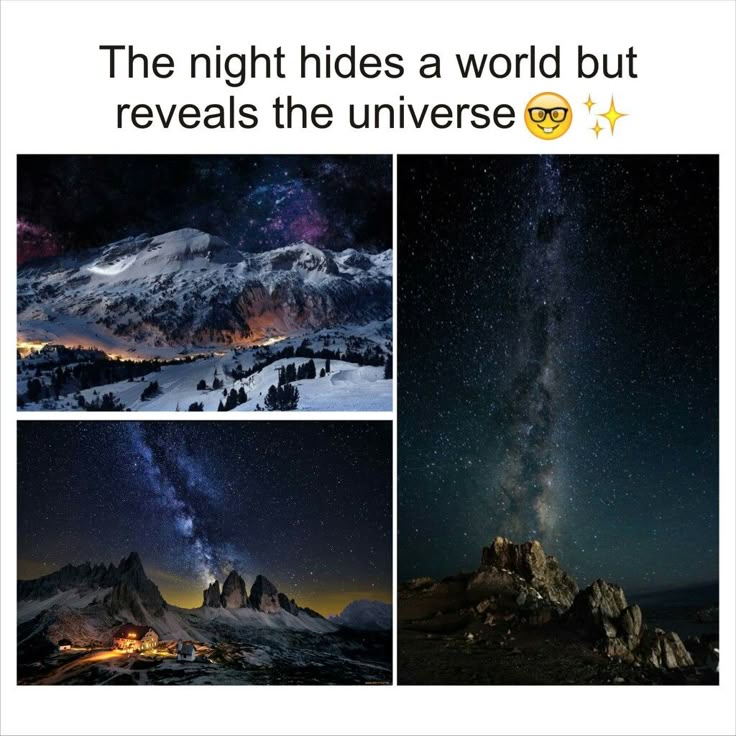
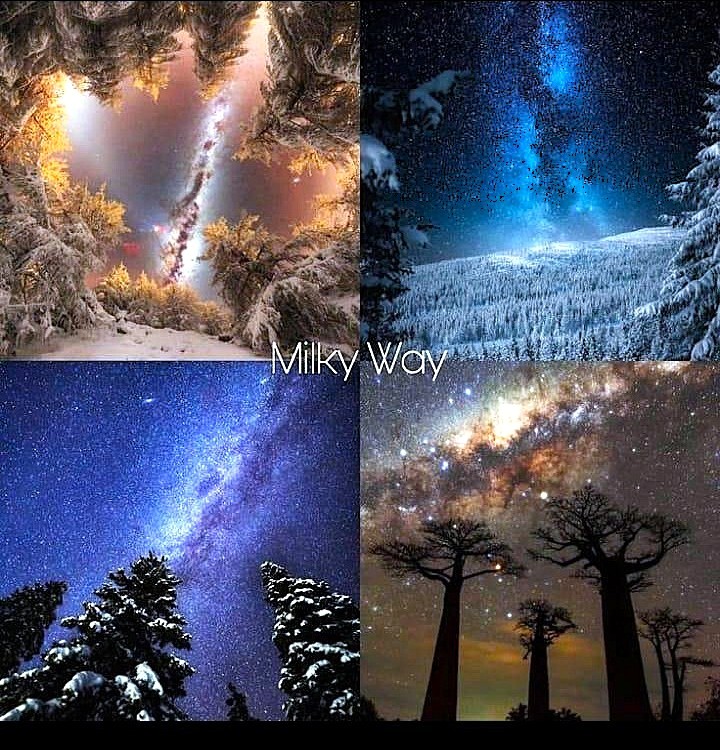
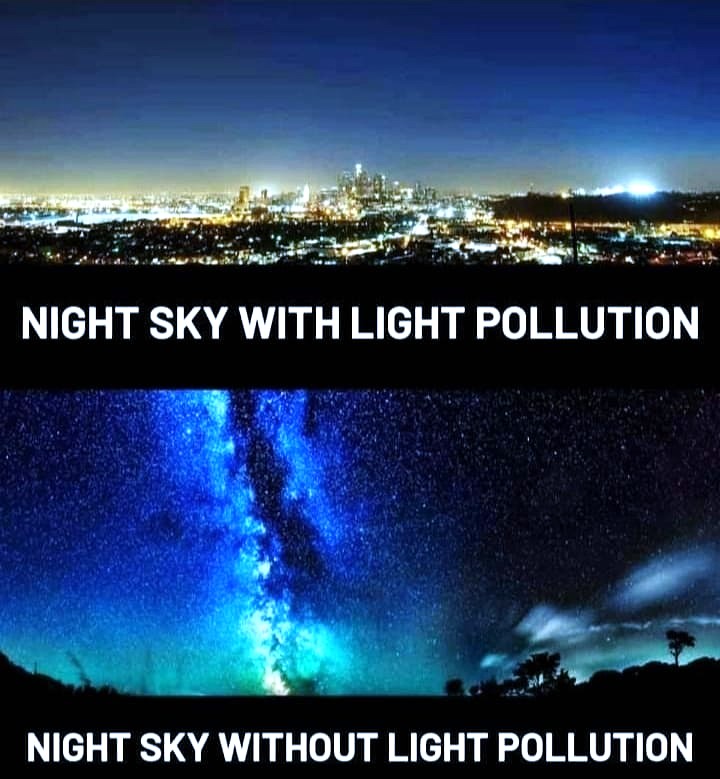
Before moving forward with the SkyGuardian AI project, let’s take a moment to reflect on a wonderful, breathtaking night—a night when Los Angeles truly saw the stars again. 🌌 This is exactly what SkyGuardian AI stands for—to bring back the lost night sky. 🌠 This isn't just an AI project; it's a journey back to the stars.
So let’s learn from this story and move forward with SkyGuardian AI, towards a future where everyone can once again gaze upon a sky full of stars. ✨🌍
The Night Los Angeles Saw the Stars Again 🌟 It was an ordinary evening in Los Angeles—bustling streets 🚗, neon lights 🌆, the distant hum of traffic 🚦. The city never truly slept, and neither did its sky.
For decades, the night had been washed away by artificial brightness 💡, leaving nothing but a dull, empty blackness above. No stars. No galaxies. Just a void.
But then, something unexpected happened.
A massive power outage ⚡ swept across the city. Streetlights flickered, skyscrapers dimmed, and suddenly, the city went dark. 🕶️
At first, people panicked. Social media buzzed with wild theories— 👽 "Was it an alien invasion?" 💻 "A cyberattack?" 🛸 "A secret government experiment?"
Then, people started looking up.
And what they saw shocked them.
A vast, glittering river stretched across the heavens—the Milky Way 🌌, shimmering in all its cosmic glory. Billions of stars twinkled ✨ like diamonds scattered across velvet.
It was a sight so surreal, so forgotten, that many thought it wasn’t real.
📞 Emergency hotlines were flooded with calls: 📢 "There's something strange in the sky!" 🚀 "Is this a UFO? Are we under attack?" 🌟 "The sky is glowing! What is happening?!"
Astronomers and scientists reassured the public: 🪐 "That’s not an alien spaceship. That’s the universe. The real night sky."
For the first time in generations, people remembered what the sky was supposed to look like.
👴 Elderly residents wept 😢, recalling childhood nights spent under starlit heavens. 👦 Young people stood in stunned silence, realizing they had never seen a truly dark sky before.
The event became known as "The Great Blackout Awakening."
When the lights returned, something had changed.
People no longer ignored the sky. They wanted it back. 🌍
🛑 Discussions about light pollution surged. 💡 Activists pushed for "Dark Sky Zones." 🌌 The world had been given a glimpse of what was lost—and what could be regained.
Because the truth was simple: ✨ The stars had never left us. 👀 We had just forgotten how to see them.
SkyGuardian AI: Raising Awareness Against Light Pollution 💡❌ About the Project 🚀 🌌 SkyGuardian AI is an AI-powered web app aimed at raising awareness about light pollution and its effects on our night skies.
The app features two AI characters: 🌟 Luma – a glowing, friendly mascot. 🌑 Nox – a dark, mysterious character who thrives on light pollution.
🛠️ Project Goal: To educate users on the harmful effects of light pollution and encourage them to take action to reduce it.
🌍 What It Does 🔹 Luma & Nox Characters – These characters guide users and teach them about light pollution. 🔹 Interactive Features – Users can track pollution levels, create constellations, and document their actions to reduce light pollution.
🛠️ How We Built It The app was built using a combination of Azure services ☁️, Python 🐍, and Flask 🔥:
🧠 Azure Cognitive Services – AI interactions and user input processing. 📊 Azure SQL Database – To store user data and track progress. 💻 Azure App Service – For web hosting and deployment. 📷 Azure Vision Studio – To analyze images related to light pollution.
Tech Stack: 🖥️ Backend: Python & Flask 🎨 Frontend: HTML, CSS, JavaScript
🚧 Challenges We Ran Into 🔴 Interactive Features – Implementing maps, pollution tracking, and constellation games has been difficult. I’m still learning these advanced coding skills.
🔴 Character Animations – Creating smooth animations for Luma & Nox, especially glowing effects, is taking longer than expected.
🔴 Backend Functionality – The backend for tracking user actions & logging them into the database is still a work-in-progress.
🔴 ⏳ Time Constraints – Balancing studies 📚 and project work 💻 has been challenging.
🧩 Challenges We Faced During development, we encountered an issue where the camera feature occasionally sometimes returns "undefined" values for light pollution levels. This is likely due to asynchronous data handling or device permission settings. We are actively working to resolve this to ensure consistent performance.
🚀 What’s Next for SkyGuardian AI ✅ Finish the interactive features and animations. ✅ Complete backend integration for smooth user interactions. ✅ Launch the full version once all features are fully developed.
💡 Most importantly! 🎥 I am committed to completing the SkyGuardian AI project and enhancing my communication skills to deliver a clear and engaging demo video.
Check out our awareness post that highlights the motivation behind SkyGuardian AI and why tackling light pollution matters:
🌌 Awareness Campaign Check out our awareness post that highlights the motivation behind SkyGuardian AI and why tackling light pollution matters:
🔗 LinkedIn Awareness Post – https://www.linkedin.com/posts/anmol-pawar-648b6b290_why-light-pollution-mattersa-message-activity-7315515266166091777-q0Q0?utm_source=share&utm_medium=member_desktop&rcm=ACoAAEamt9gBkEtAFQREsa1lkcLKgVbPGOfB89s
This post was shared to spread awareness and engage the public on how AI can help protect our night skies.
🚀 SkyGuardian AI is just the beginning—let’s bring back the stars together! 🌌✨


Log in or sign up for Devpost to join the conversation.