-
-
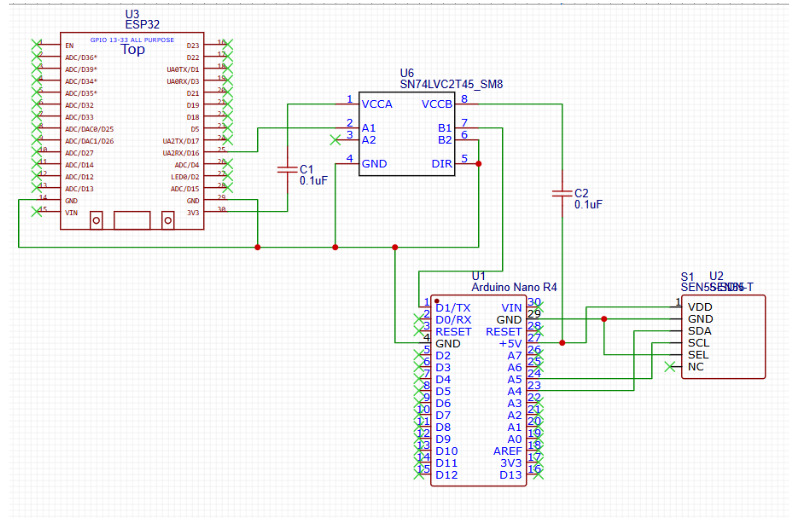
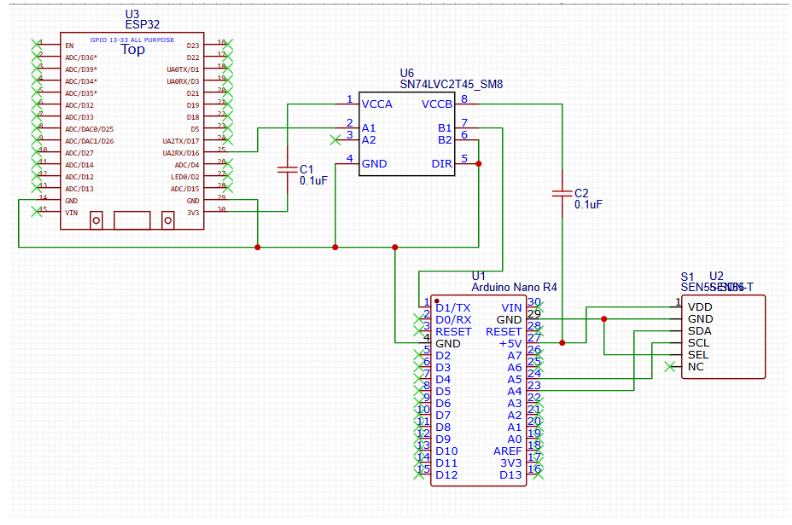
Electrical Schematic
-
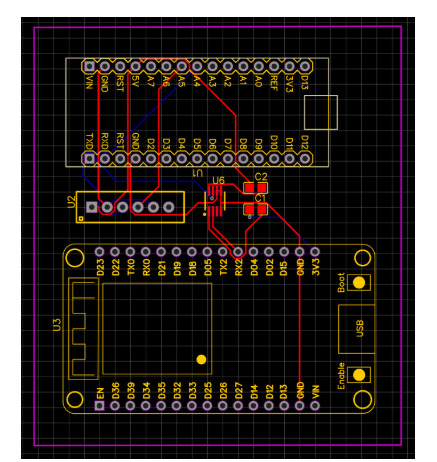
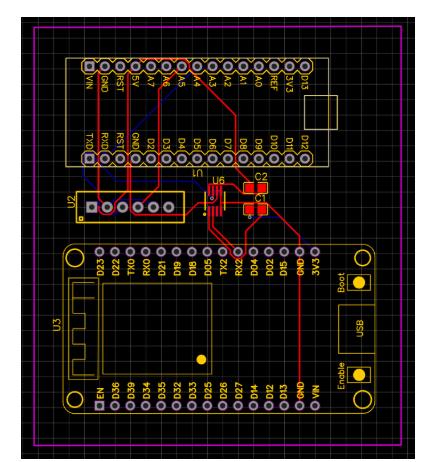
PCB Diagram (2D)
-
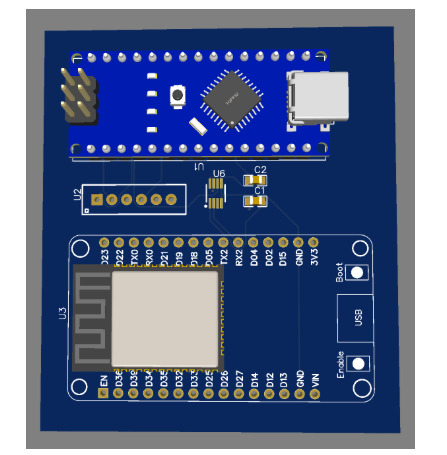
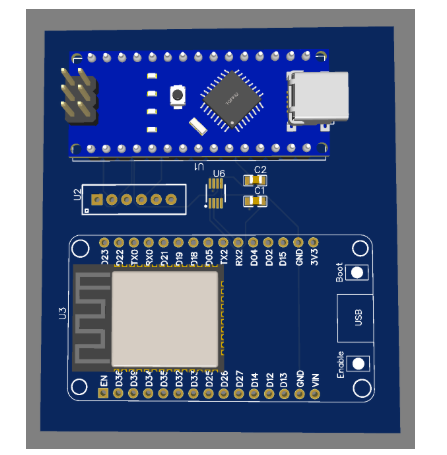
PCB Diagram (3D)
-
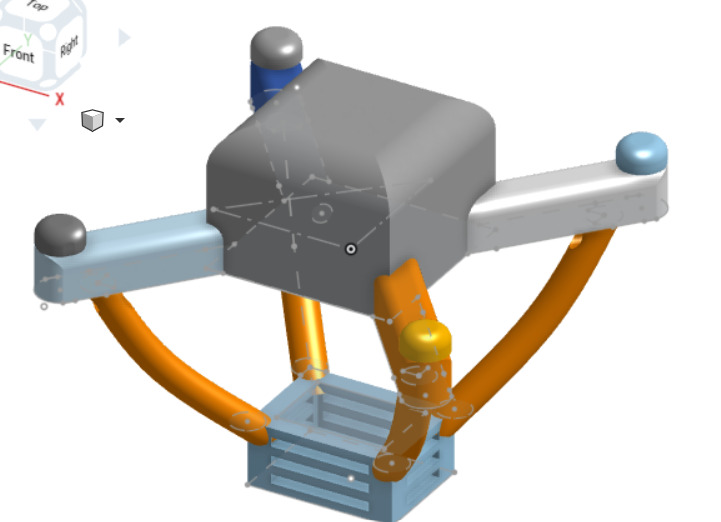
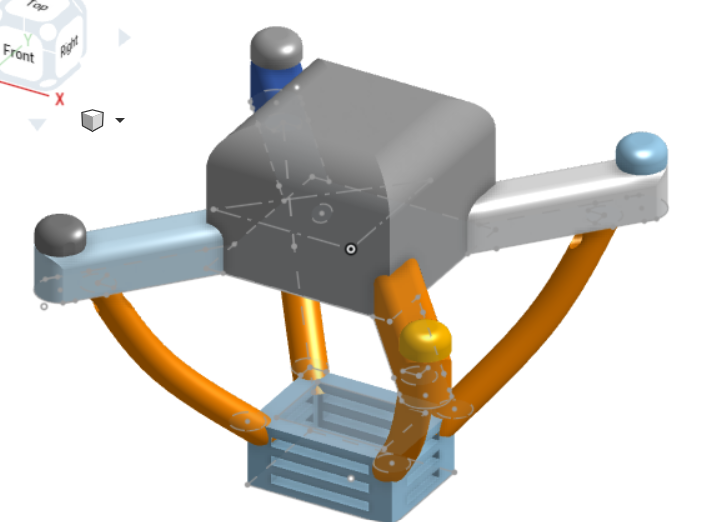
CAD model of sensor attachment
SkyGuard + AeroTrace
Inspiration
As high school students, we wanted to build something that could help solve a real-world problem. Air pollution affects people's health and the environment, but not everyone understands how much air quality can change depending on where they live. We wanted to create something that makes this information easier to access and understand.
That is how we came up with SkyGuard and AeroTrace. Instead of just making another website that shows pollution levels, we wanted to explore how real-time data, location services, and eventually drone technology could help people better understand pollution in their communities.
What it does
SkyGuard is a web-based air quality dashboard that helps users understand pollution levels in different locations. By using live data and location services, the platform aims to provide more relevant air quality information based on where users are.
AeroTrace takes the idea further by exploring how drones equipped with air quality sensors could collect pollution measurements in areas that traditional monitoring stations might miss. We also want to use adaptive exploration to help identify areas that need more measurements.
Our goal is to combine real-time environmental information with new monitoring ideas to make understanding air pollution easier and more accessible.
How we built it
We built SkyGuard using TypeScript and CSS to develop the website's functionality, layout, and visual design. We used APIs and API keys where required to connect the application to external services, allowing us to work with live air quality data and location services instead of relying entirely on simulated information.
We used Replit and AI-assisted coding to help develop the platform, troubleshoot issues, and improve the user experience. We also explored how AeroTrace could eventually connect to drone-mounted sensors to collect more localized pollution data.
Combining web development, external APIs, and environmental data helped us turn our idea into a project with potential real-world applications.
Challenges we ran into
One of our biggest challenges was figuring out how to make SkyGuard different from existing air quality platforms. We wanted to go beyond displaying pollution levels and explore how location-based information and adaptive exploration could make environmental monitoring more useful.
Another challenge was connecting external APIs and working with real-time data. We had to consider how to retrieve information correctly, handle location data, and make sure users could understand what the displayed information meant.
We also had to think about how to turn AeroTrace from an idea into something practical, especially when considering drone sensors, data accuracy, and the challenges of collecting measurements across different areas.
Accomplishments that we're proud of
We are proud of turning our idea into a working website and building a foundation for a project that combines technology with environmental awareness.
Built With
- autocad
- easyeda
- javascript
- onshape
- typescriptcss

Log in or sign up for Devpost to join the conversation.