Ascend Arena: A Race to the top
Intro
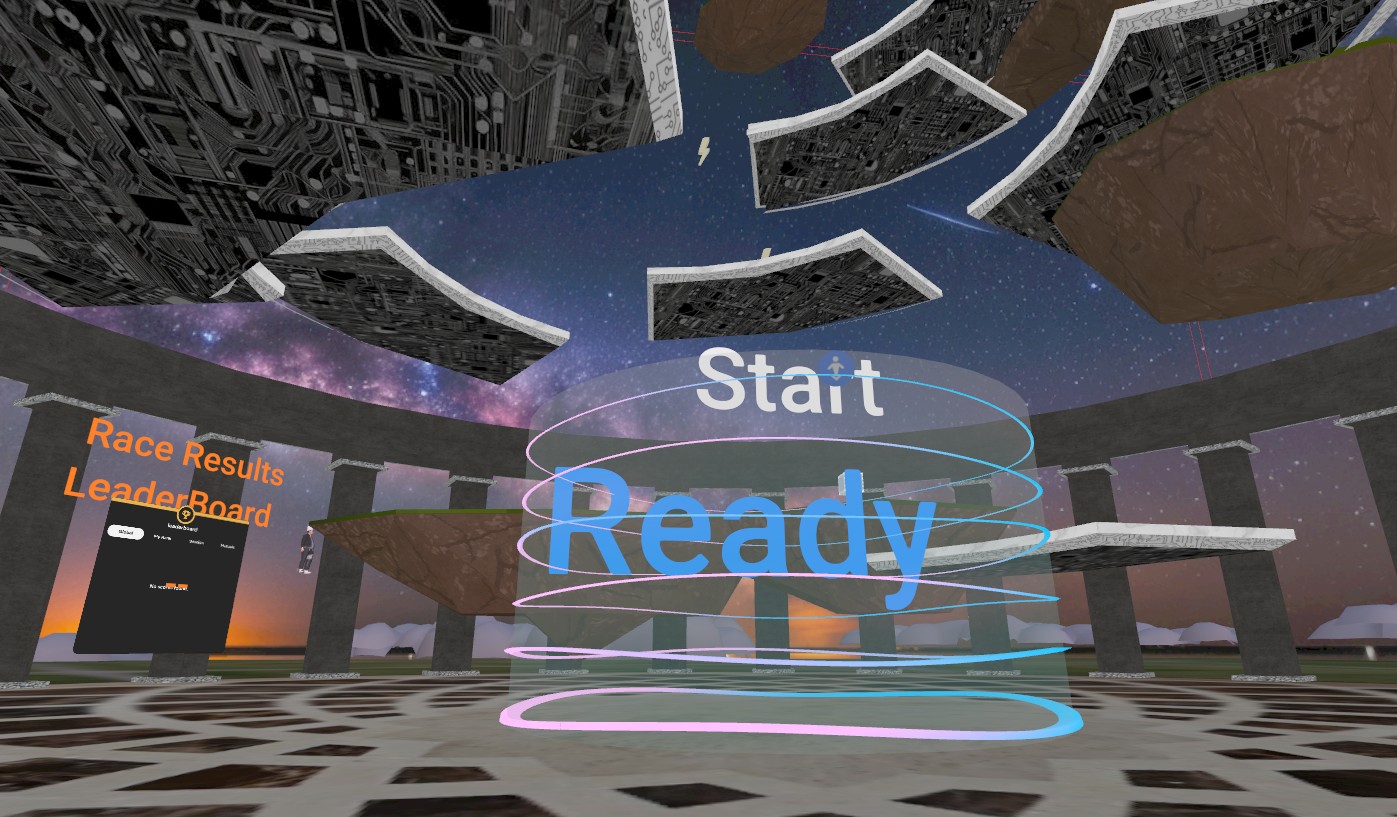
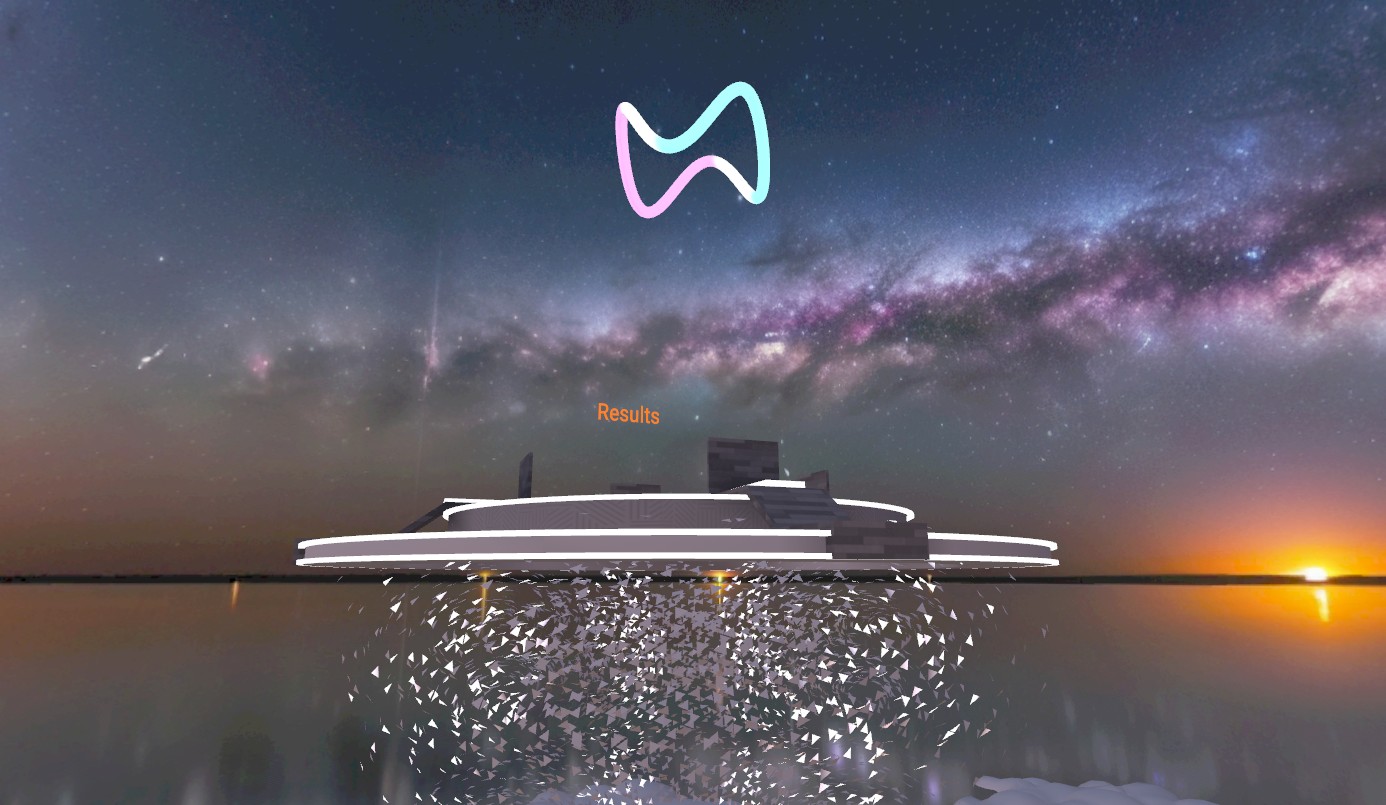
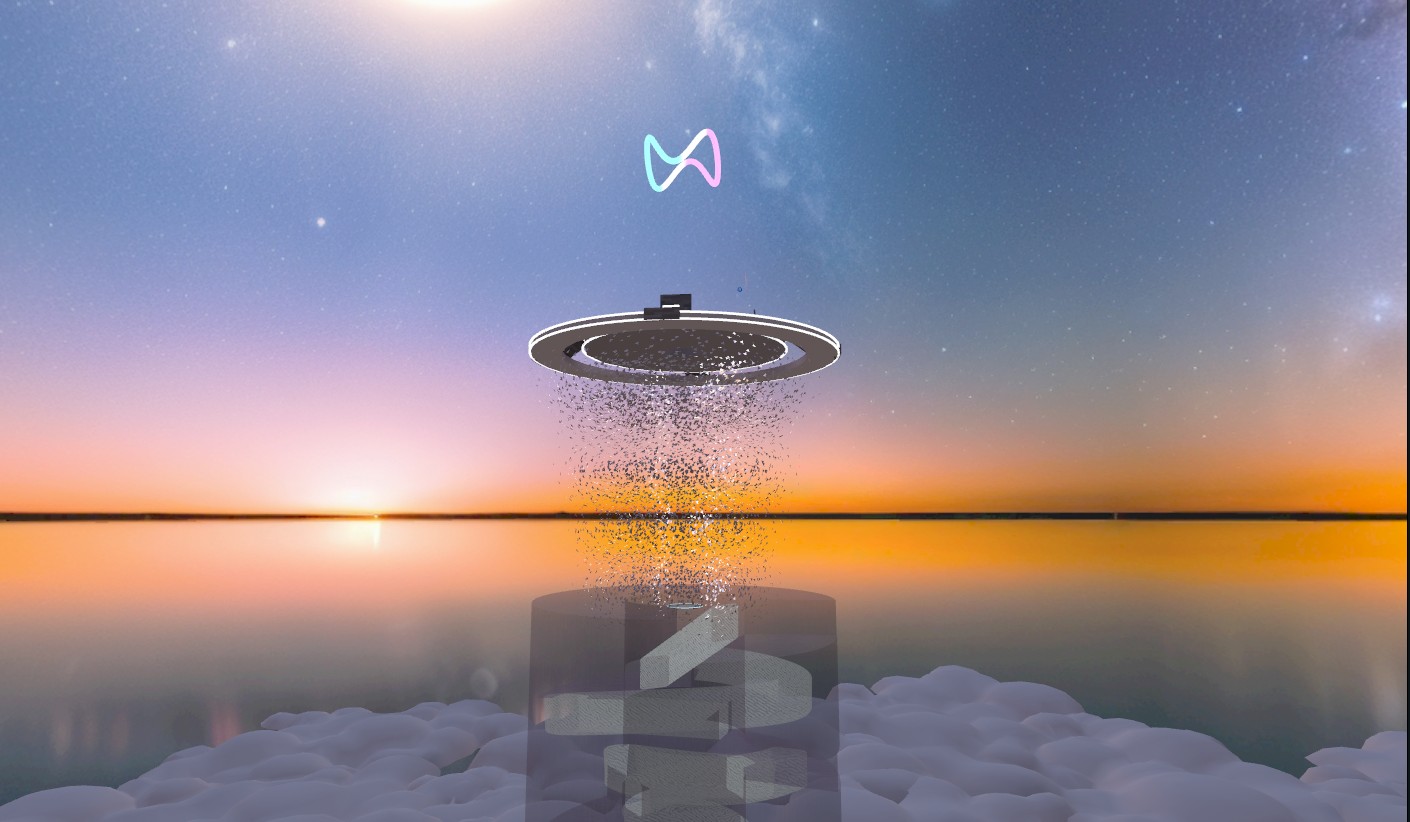
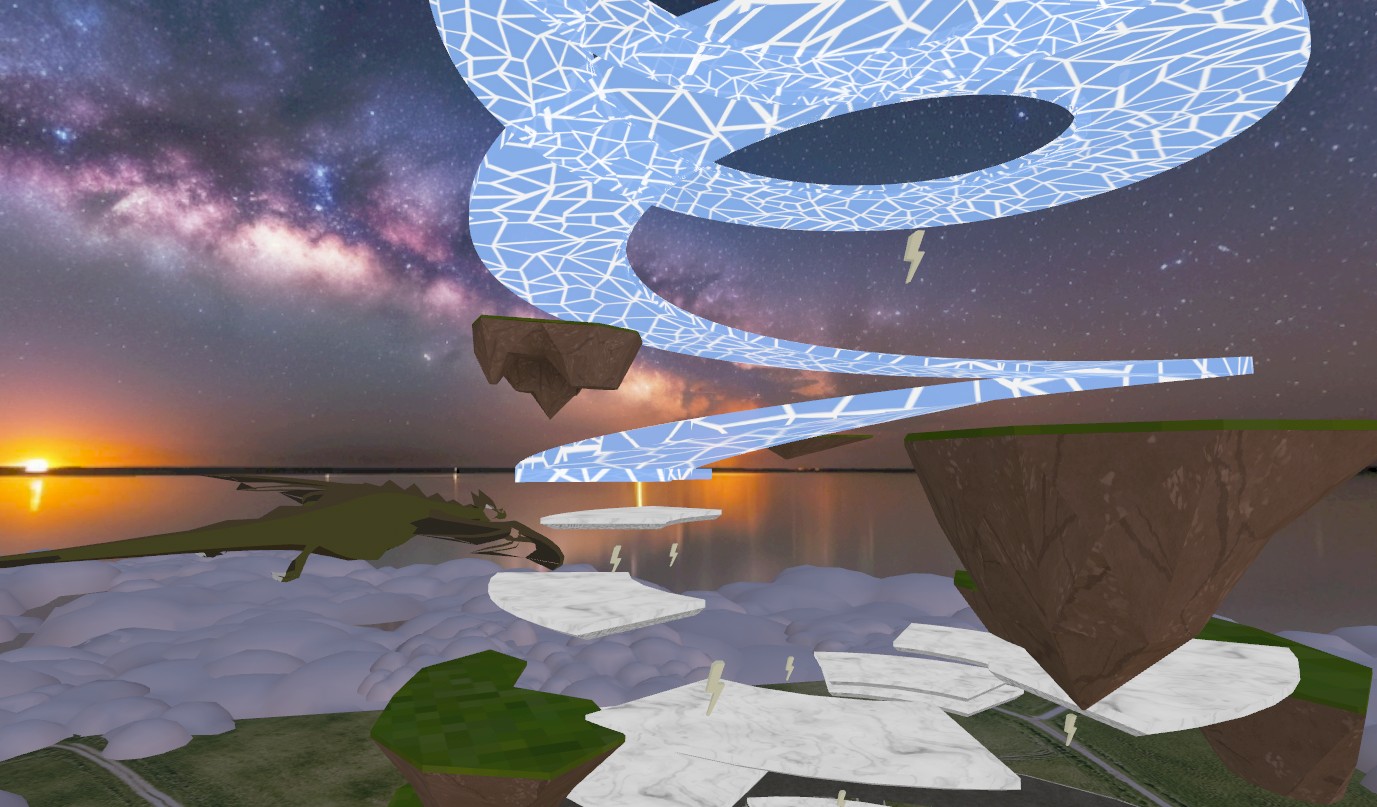
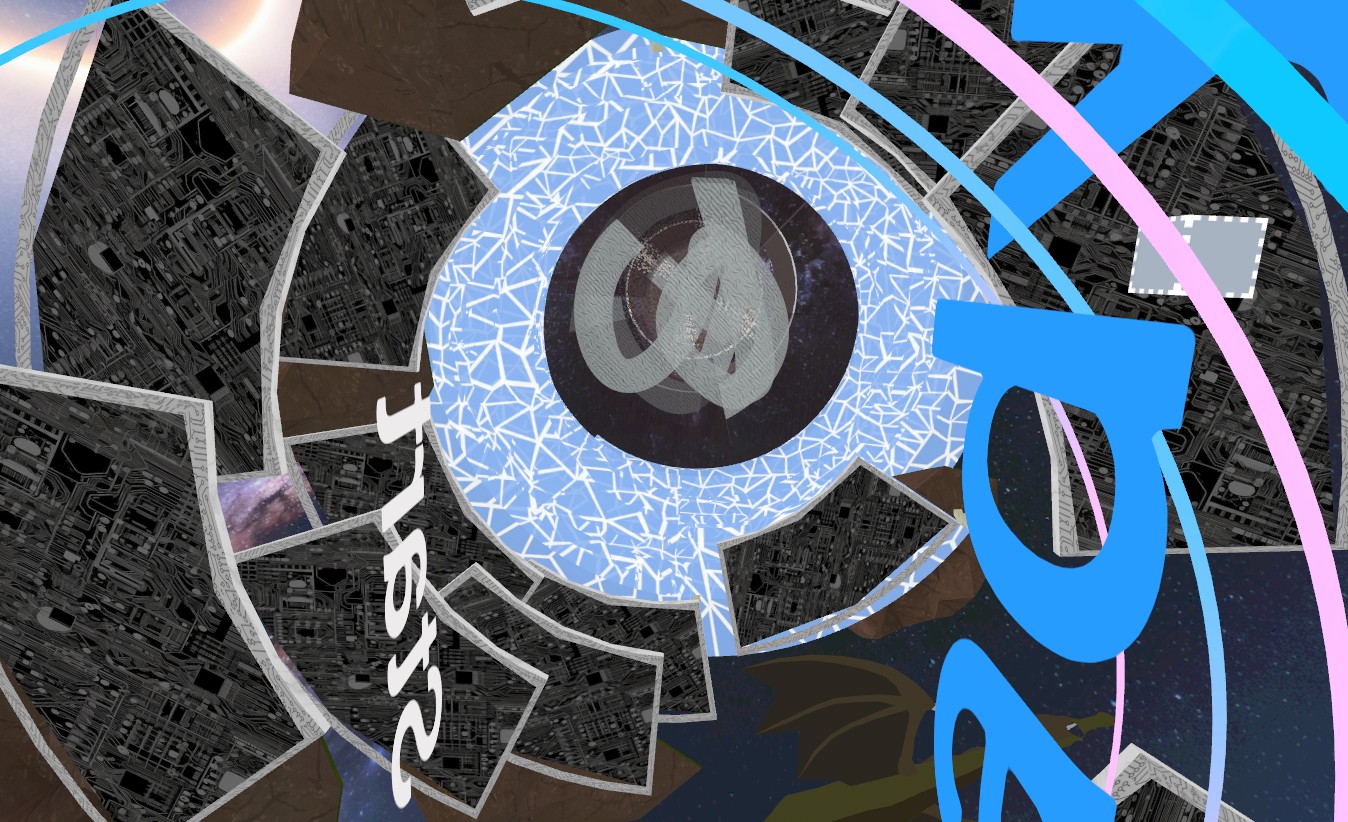
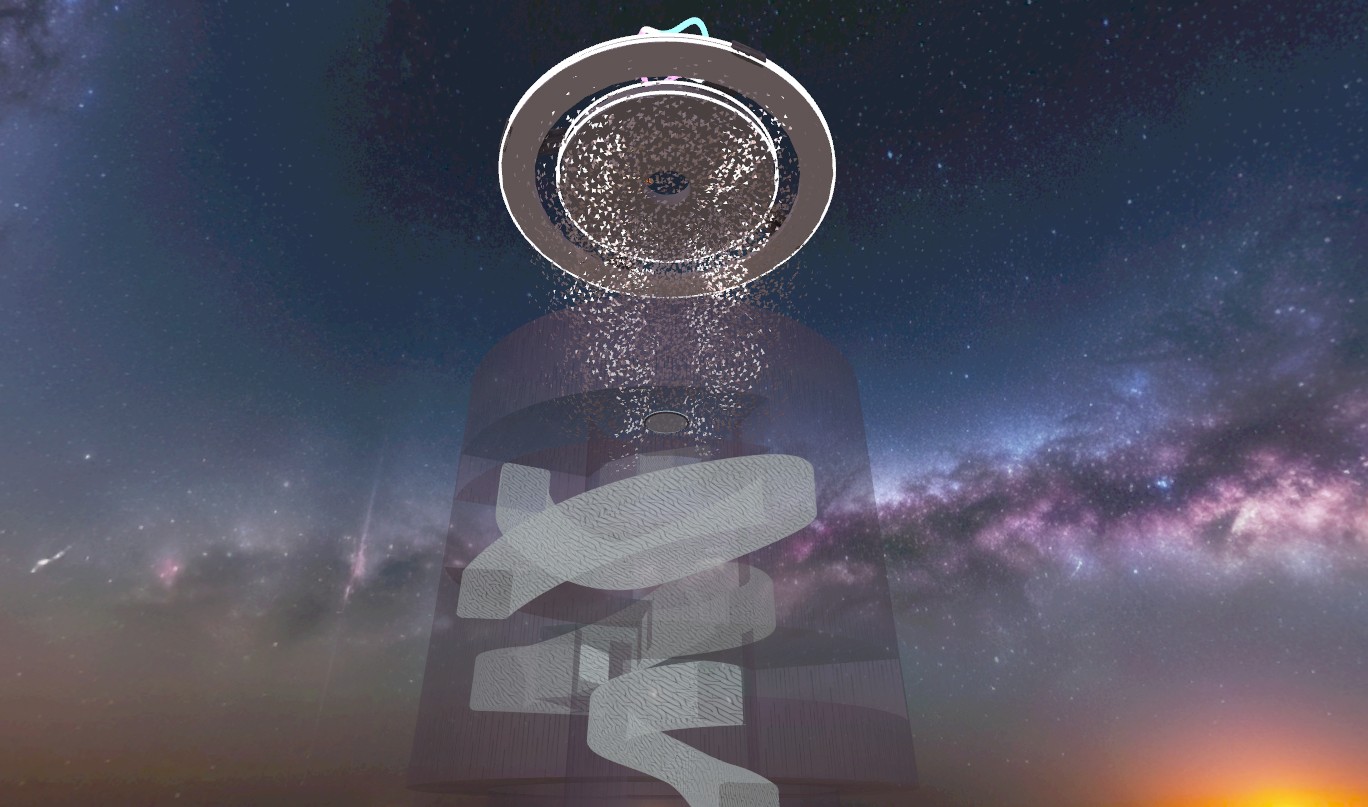
This scene is a fast-paced vertical challenge where players race to reach the top before anyone else. It starts with floating platforms, moves into a giant spiral ramp, then throws players into a maze that tests their navigation under pressure. Along the way, players are armed with light weapons to nudge opponents and gain an edge. At the peak, an elevator takes finalists to a top arena where the final showdown happens. The first player to touch the crown point wins—no shortcuts, just skill, speed, and a bit of chaos.
Inspiration
Our world was inspired by a mix of retro games—Icy Tower in particular—for its fast-paced, vertical gameplay and sense of challenge. That kind of simplicity with depth really stuck with us. We also took cues from metaverse platforms like Decentraland, where creativity isn’t boxed in by real-world constraints. The freedom to build surreal, expressive spaces was a big influence.
We wanted to blend that nostalgic game energy with the open-ended, user-driven vibe of the metaverse. It’s less about replicating reality and more about bending it—creating a world that feels playful, unexpected, and fun to explore.
How we built it
We started by designing the core geometry in Rhino—great for precise spatial control and quick iterations. Once we had the main forms dialed in, we brought everything into Blender to handle cleanup, UV mapping, and export. Blender was also key for optimizing the mesh and making it ready for Meta Horizon Worlds.
Parker took the lead in coding, managing the user interface and game logic, and ensuring seamless functionality within the platform. Patrick and Ian focused on 3D modeling, material application, and developing the main game concept. We worked closely together, each focusing on a crucial aspect of the project, from design to deployment.
Challenges we ran into
Our greatest challenges were getting familiar with how materials work in Meta Horizon Worlds and adapting to its unique workflow. What looked good in Rhino or Blender didn’t always translate cleanly, so we had to tweak materials and geometry a few times to get the right look and performance.
Another major hurdle was figuring out how scripting works in the platform. The logic system took some time to understand, especially when building the game mechanics and UI. We overcame it through a lot of testing, trial and error, and slowly building up from simple scripts to more complex interactions. It was all about staying flexible and learning as we built.
Accomplishments that we're proud of
Accomplishments: Which parts of your world, or your building process, are you most proud of? We’re proud of how we pulled everything together—especially considering we had zero experience with Meta Horizon Worlds going in. It was challenging to figure out the platform, build the space, and get the game mechanics and UI to function, but we managed to make it all work.
What stands out most is the execution. We took a concept from sketch to a finished, interactive world in a new environment and stayed adaptable the whole way. That learning curve could’ve slowed us down, but instead it pushed us to get creative and problem-solve fast.
What's next for Ascend Arena
Next, we’re focused on refining the user experience—smoother flow, better feedback, and minimizing friction points we noticed during testing. Now that the core is built, we can focus on the details that shape the experience.
If we had more time, we’d add layers to the gameplay—maybe more levels, dynamic interactions, or social features to make the world feel more alive. It’s all about making it more intuitive, engaging, and fun to revisit.


Log in or sign up for Devpost to join the conversation.