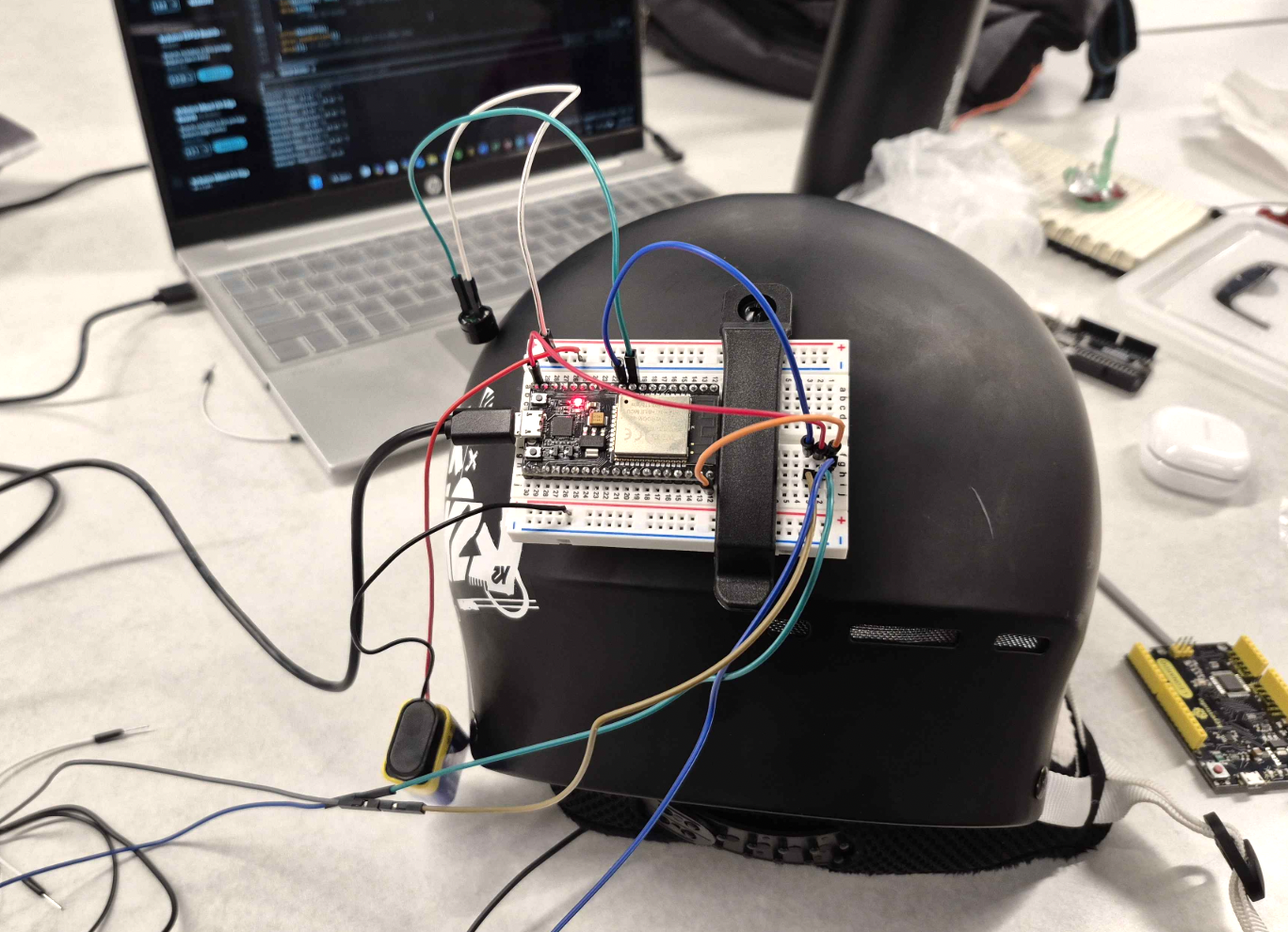
Heat Helmet Sensor Detector
Inspiration
I got the idea for the Heat Helmet Sensor Detector when I realized how little safety tech there is for construction workers who spend long hours in extreme heat. While helmets are essential for head protection, they don't do much when it comes to heat-related dangers like heat stroke or exhaustion. In construction, there are no systems in place to monitor the heat inside helmets, and workers often don’t realize there’s a problem until it’s too late. That’s where this project comes in – I wanted to create something that could detect when the temperature inside a helmet gets too high and alert the worker before they’re in danger.
What I Learned
Building this project taught me a lot about integrating sensors with microcontrollers, especially when it comes to real-time monitoring and alerts. I also learned how to design a system that’s reliable and works in tough conditions, like those on a construction site. Most importantly, I gained a deeper understanding of how technology can make a real difference in protecting workers and preventing accidents.
How I Built the Project
The system consists of three main parts: Temperature Sensor: A sensor placed inside the helmet that tracks the temperature in real-time. Microcontroller: This processes the temperature data and triggers the alert if it reaches unsafe levels. Alert System: When the temperature gets too high, the alert system (sound alarm) goes off, so the worker knows to take action.
I started by researching the right sensors and microcontroller. Then I built a prototype and wrote software to make everything work together. Testing was a big part of the process to make sure it works properly in different environments.
Challenges Faced
One of the hardest parts was getting the temperature sensor calibrated correctly. Since construction sites have varying conditions (heat, humidity, airflow), I had to make sure the sensor worked well no matter what. I also had to focus on power efficiency, so the system could last for long hours without draining the battery too quickly.
Another challenge was designing something that could hold up in the rough conditions of a construction site. Helmets get banged around, so I had to make sure the system was tough enough to handle that.
Why This Project Matters
Right now, construction workers don’t have access to this kind of technology. They often don’t realize when they’re at risk of heat-related illnesses, which can be dangerous or even life-threatening. By providing a simple, reliable alert system, this project can help workers stay safe in extreme conditions and prevent accidents before they happen.
This has been a great learning experience and a chance to make something that could actually help keep people safe in a high-risk industry.

Log in or sign up for Devpost to join the conversation.