-
-
Thumbnail
-
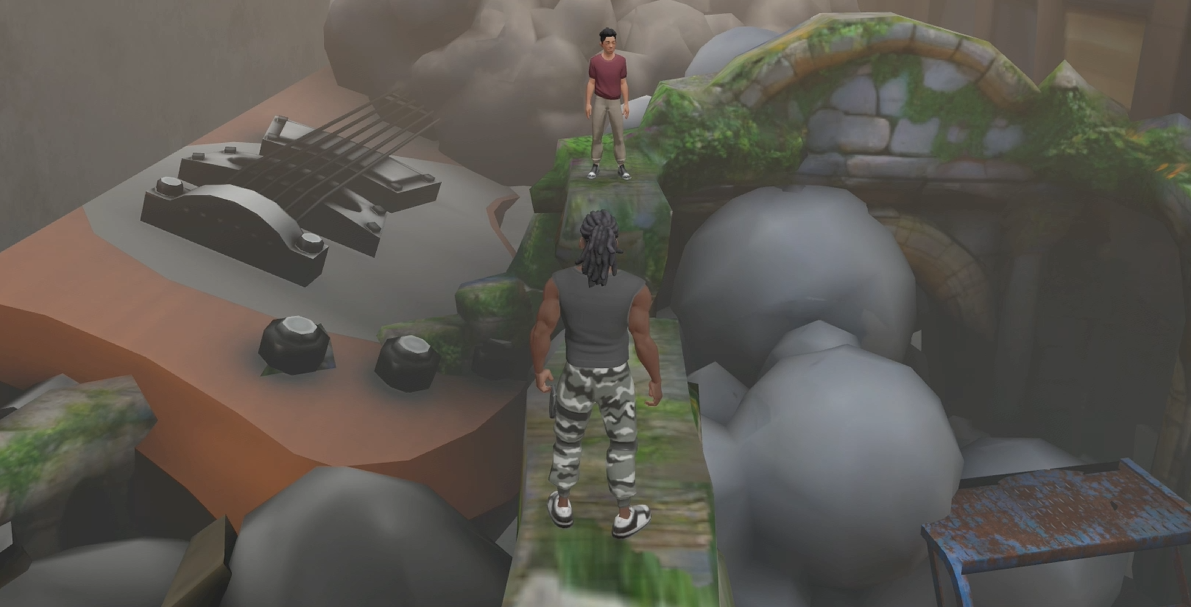
Gameplay 1
-
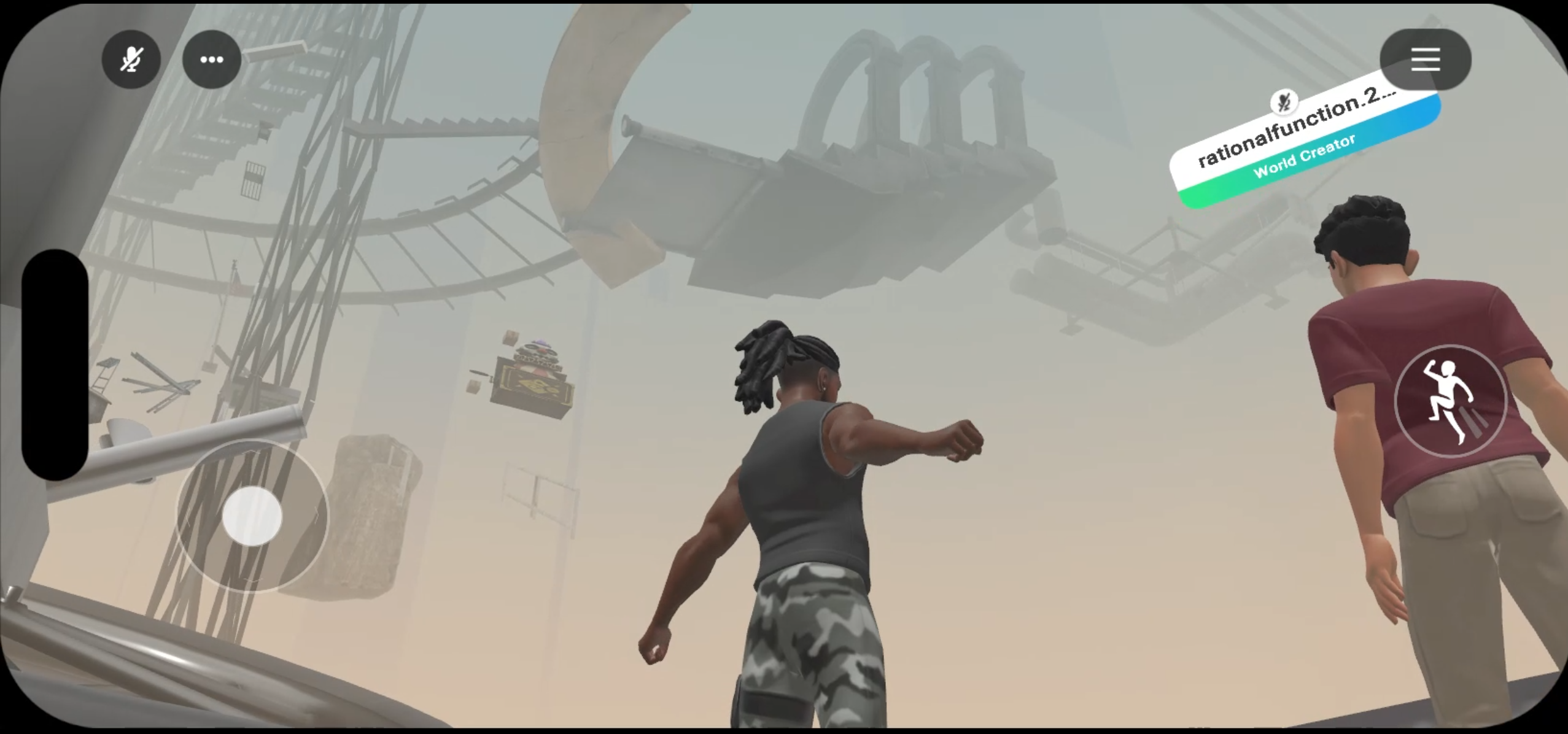
Gameplay 2
Inspiration
Sky Engine draws its spirit from the nail-biting vertical climbs of Only Up! and Getting Over It. We wanted to capture that same “one slip and it’s over” tension while adding a sense of wonder and unpredictability. The idea of a mysterious machine hurling random objects from the sky gave us a perfect excuse for surreal level design and constant surprises.
What it does
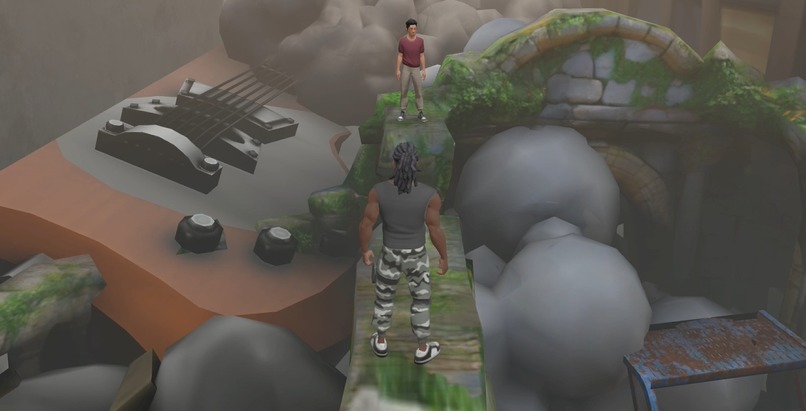
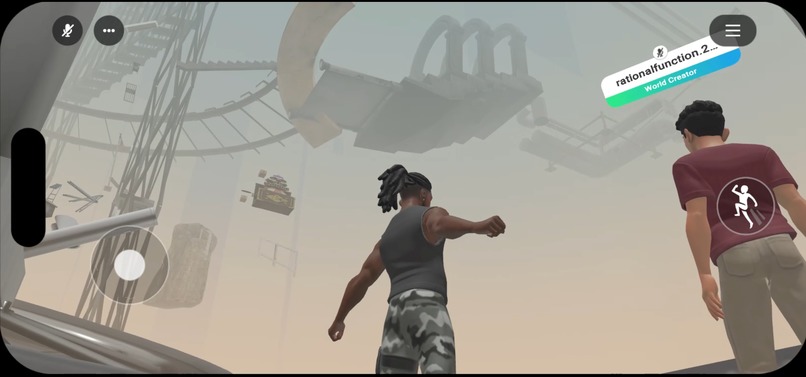
Players take control of a daring climber who must ascend a chaotic, ever-shifting tower of debris to reach the Sky Engine and shut it down. Objects fall and stack into strange platforms, furniture, pipes, and gears, creating a single, perilous path upward. Miss a jump and you plunge all the way back to the ground.
How we built it
We prototyped the entire experience inside the Meta Horizon Worlds Desktop Editor, taking advantage of its built-in physics system and collaborative editing tools. By relying on Meta’s ready-made asset library, we rapidly assembled a vertical world of platforms and obstacles without spending weeks on 3D modeling.
Custom scripts handled key mechanics such as gravity tweaks, collision detection, and procedural object placement. We paired these scripts with standard character-controller components to ensure the climber’s movement felt smooth yet demanding. This combination of the Horizon Worlds Desktop Editor, Meta assets, and lightweight custom code let us iterate quickly, play-test in real time, and maintain a consistent visual style while keeping performance optimized across devices.
Challenges we ran into
Integrating Meta AI: We experimented with Meta’s AI tools for procedural object placement and adaptive hints, but aligning the AI’s random generation with our strict performance targets was tricky. We had to fine-tune its logic to avoid unfair or impossible jumps.
Mobile Optimization: Bringing a physics-heavy climbing game to mobile required aggressive optimization. We reworked collision scripts, reduced draw calls, and implemented dynamic level-of-detail to keep a steady frame rate on mid-range devices.
Difficulty Tuning: Striking the perfect balance between “challenging” and “unfair” demanded countless hours of playtesting and player feedback. Each small change to gravity, jump force, or platform spacing had a big impact on how frustrating or fun the climb felt.
Accomplishments that we're proud of
“Just One More Try” Gameplay Loop: Playtesters kept coming back for repeated climbs, proving that the balance of tension and reward is spot-on.
Quality Map Design: We crafted a vertical world that feels unpredictable yet fair, with platforms placed to encourage creative routes and skillful movement.
First Meta Horizon Project: This is the very first game we’ve built inside Meta Horizon, and we’re proud to have shipped a fully playable, polished experience on our first attempt.
What we learned
TypeScript with Meta Tools: We deepened our understanding of scripting in TypeScript to drive gameplay logic and interact with Meta’s APIs.
Version Control with GitHub: Managing a collaborative build taught us the importance of structured branches, pull requests, and frequent commits to keep the project organized and conflict-free.
Meta Assets & Worlds Desktop Editor: We became adept at sourcing, customizing, and positioning Meta’s ready-made assets inside the Horizon Worlds Desktop Editor, streamlining world-building while keeping visuals consistent.
What's next for Sky Engine
For future development, we plan to expand the variety of procedurally placed objects, refine the physics for smoother yet still challenging movement, and add dynamic weather effects to heighten immersion. We’re also exploring multiplayer “race to the top” modes and community-driven obstacle submissions to keep the experience fresh. Sky Engine aims to be a living challenge: unpredictable, visually striking, and endlessly replayable.
Built With
- 3d
- blender
- meta
- typescript
- worldseditor


Log in or sign up for Devpost to join the conversation.