Inspiration
Growing up in Nigeria, I remember what it felt like to sit in classrooms that were falling apart, packed with more students than any teacher could handle. Sometimes there would be just one teacher for hundreds of us, doing their best but stretched impossibly thin. It was noisy, sometimes chaotic, and getting real help or attention felt out of reach. Even in those moments, I knew I could have done so much more if I had access to better resources, the right support, or even just a safe place to learn.
But in the communities where I grew up, quality education was almost like a luxury. Most families could not afford private schools, and our textbooks were few and far between. There were hardly any science labs, computers, or even decent chairs. Yet there was one thing almost every family had; a mobile phone. It might not have been the latest model, but it was always there.
I used to wonder, what if that phone could be more than just a way to talk or send messages? What if it could be my classroom, my library, my lab, my window to a world of knowledge I could never otherwise reach? I often thought about the millions of kids just like me, sitting in crowded, noisy rooms or sometimes not in school at all, simply because there weren’t enough teachers, money for school fees or resources to go around.
That feeling has never left me. It is the reason we started Skoolio. I wanted to build the thing I wish I had, a way for every child, no matter where they live or how much they have, to unlock their potential. If the only thing you own is a basic mobile phone, that should be enough to access the quality education you deserve. With Skoolio, that is finally possible. Every phone can become a lifeline, a doorway to hope, and a chance to change every kid’s story.
What it does
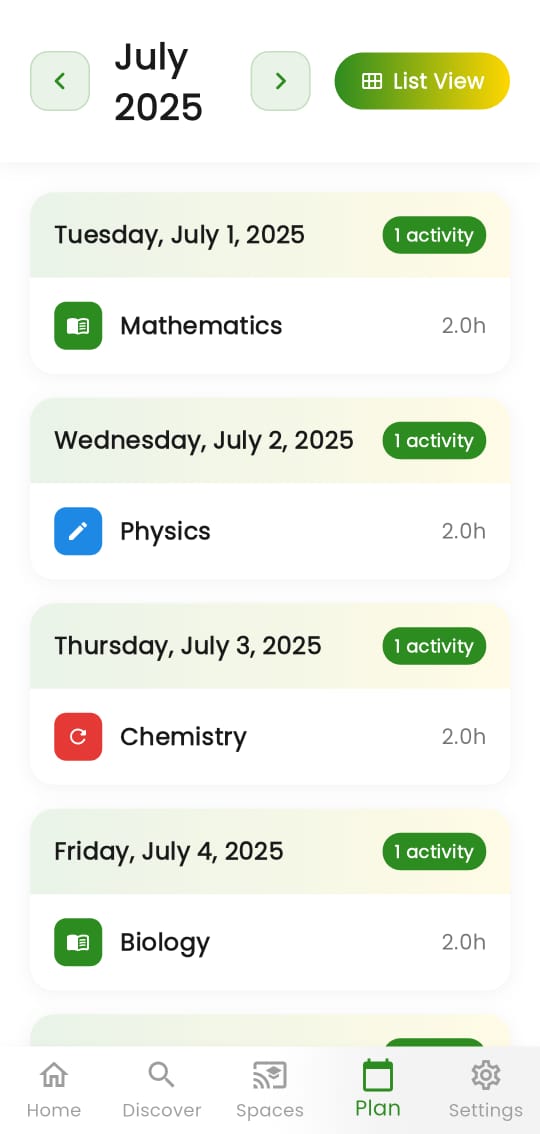
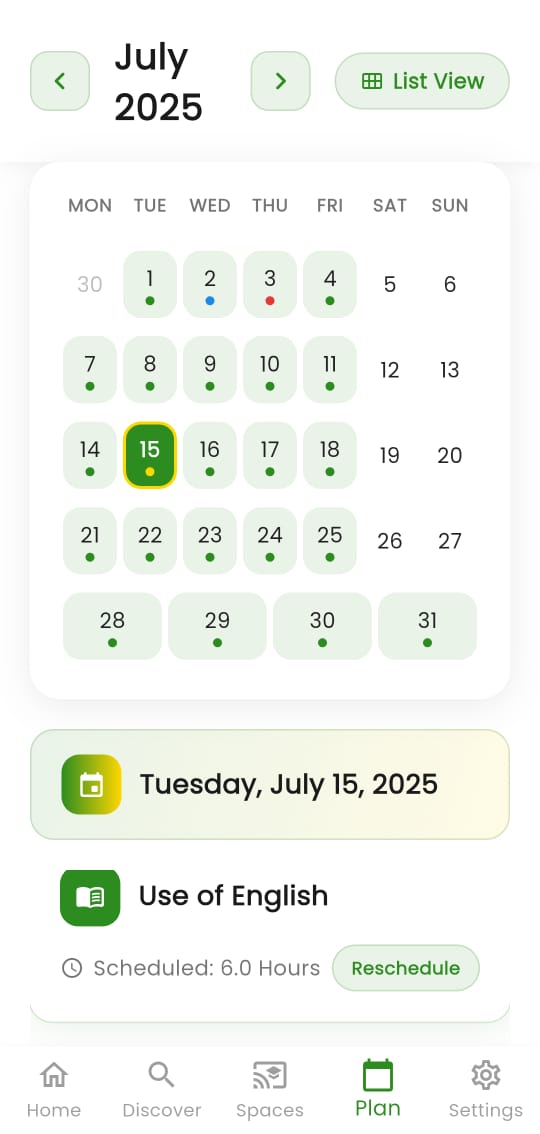
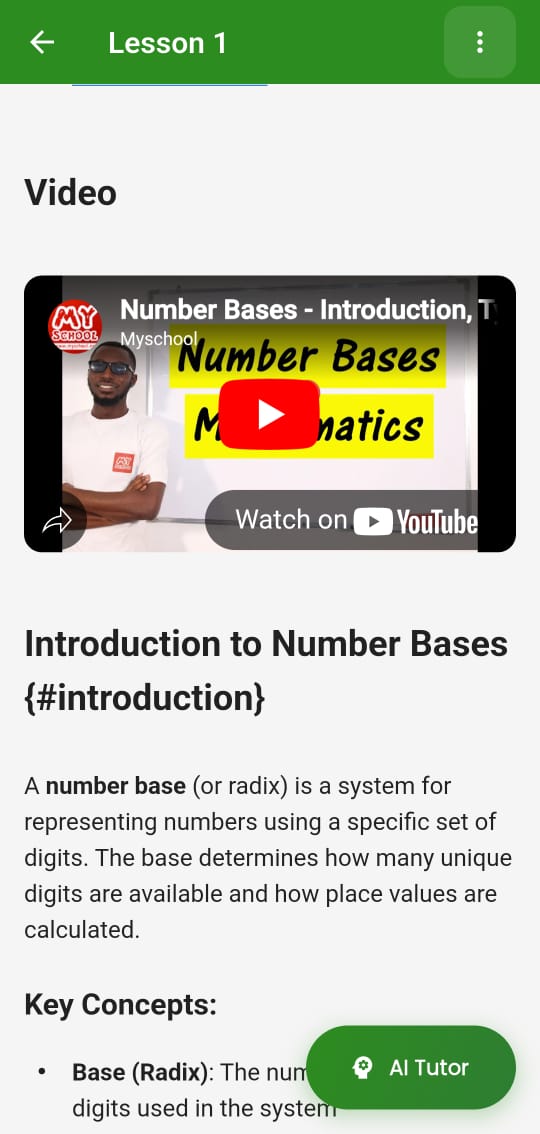
Skoolio is an offline-first, AI-powered learning platform designed for students who have limited resources. It transforms any basic Android phone into a personal classroom, bringing quality lessons, interactive STEM labs, and an AI tutor right into the hands of every learner. no internet or steady power needed.
Skoolio is built to align with local curricula, making sure students can follow what’s taught in their schools and get ready for important exams.
How we built it
Building Skoolio was more than just a project, it was our way of reimagining what's possible, even on the most basic devices. Our journey began by genuinely listening to students, teachers, and parents from communities similar to those we grew up in. We quickly realized that to truly reach everyone, existing solutions weren’t enough, we had to build something completely new, from the ground up.
We dove headfirst into Nigeria’s education system, gathering everything we could find; local curricula, exam syllabi, real past questions and to make every lesson feel authentic and genuinely prepare students for the exams that shape their futures.
Dataset
We created custom dataset of over 50 thousand question-answer pairs, teaching our AI to deeply understand the local context and the real challenges students face daily.
Model Training
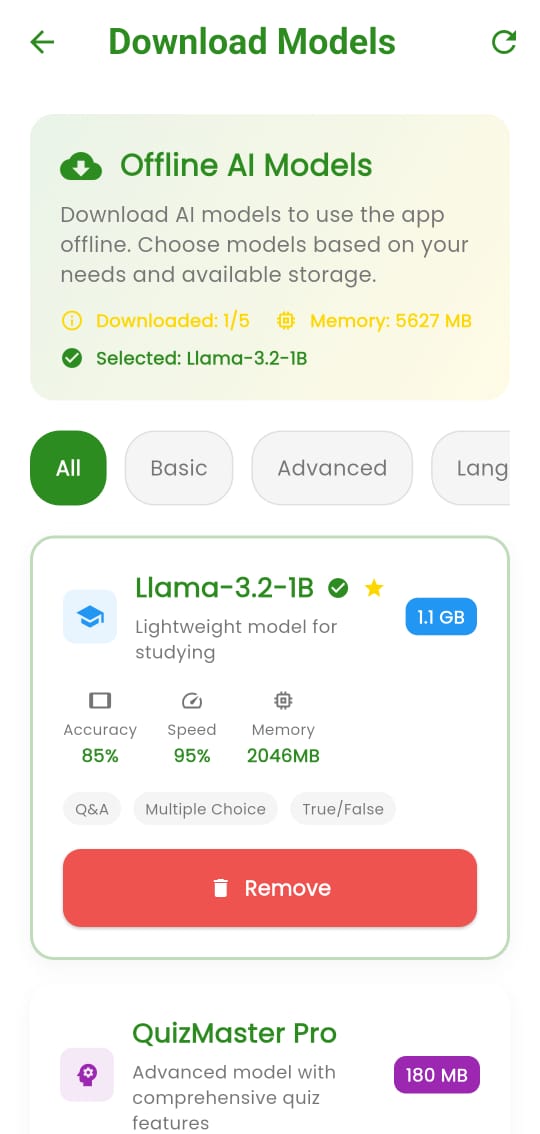
Instead of relying on existing tech, we crafted our own solution. We carefully trained a compact yet powerful 1-billion-parameter Llama model, fine-tuned it with Unsloth, and shaped its responses using reinforcement learning from human feedback. This allowed our AI to break down complex problems, offer clear explanations, and communicate naturally. By openly sharing our models and datasets on HuggingFace (https://huggingface.co/Cereloop), we made sure our work could inspire and empower others to build further.
Model Quantization
Our toughest challenge was bringing all this intelligence down to a scale that a basic phone could handle. Through relentless experimentation, we optimized our AI models down to just 4 bits using ExecuteTorch, making them small and efficient enough for even the lowest-end Android phones without compromising accuracy. Once ready, these compact models were uploaded to cloud storage, allowing users to download exactly what they needed during the initial setup.
STEM Simulation
But learning isn’t just about lessons and quizzes; it's about experiencing and exploring. That's why we thoughtfully selected and rebuilt phet interactive STEM simulations, compressing each one down to just 1MB using WebAssembly, ensuring they maintained their hands-on quality while being fully accessible offline. These simulations became part of our initial app bundle, ready for use anytime, anywhere.
Mobile APP
Choosing Flutter allowed Skoolio to deliver a smooth, modern experience even on phones with as little as 2GB of RAM and inconsistent battery performance. Every feature—from encrypted storage to personalized lesson pathways—was intentionally crafted, always placing learners’ needs at the center.
Challenges we ran into
- Quantizing the model without losing accuracy.
- Ensuring smooth performance without draining battery or requiring frequent charging.
- Ensuring that Our AI model fits into the memory without ruining user experience.
Accomplishments that we're proud of
Currently testing the platform with real students, gathering feedback, and using their experiences to make Skoolio even better for the communities who need it most.
What we learned
We discovered that designing for offline-first environments isn’t just a limitation. it’s a powerful spark for innovation. It forced us to think creatively, optimize relentlessly, and deliver meaningful experiences even when resources are scarce.
We learned that local context is everything. Solutions only work when they truly fit the real devices, and daily realities of African learners. Empathy and listening to our users shaped every decision we made.
Leveraging AI not only made our platform smarter for learners, but also dramatically sped up our development.
What's next for Skoolio
- Add local language support—scaling from English to Hausa, Yoruba, Igbo, and more.
- Expand our curriculum and add more interactive labs and serious games.


Log in or sign up for Devpost to join the conversation.