-
-
skinscan Ai- knowabout your skin cancer sooner
-
skinscan Ai- knowabout your skin cancer sooner
SkinScan AI: Revolutionizing Skin Cancer Detection
Inspiration
Our team's collective dedication to making a tangible difference in the fight against skin cancer served as the primary inspiration for the inception of the SkinScan AI project. Drawing from our diverse experiences, including personal encounters with the impact of the disease on our loved ones and our shared passion for leveraging technology for social good, we set out to develop an innovative solution that could significantly enhance early detection and improve patient outcomes.Also, one of team mates aunt's struggle through her battle with advanced melanoma ignited a passion within me to make a meaningful contribution in the fight against skin cancer. Witnessing the complexities and challenges she faced during her diagnosis and treatment motivated me to explore the potential of advanced technology to revolutionize early detection and improve patient outcomes.
What it does
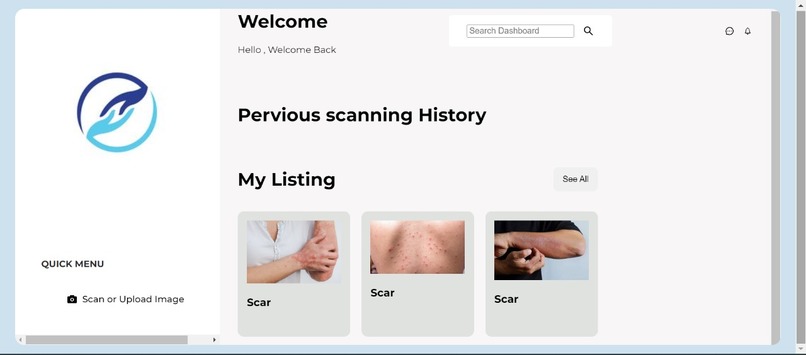
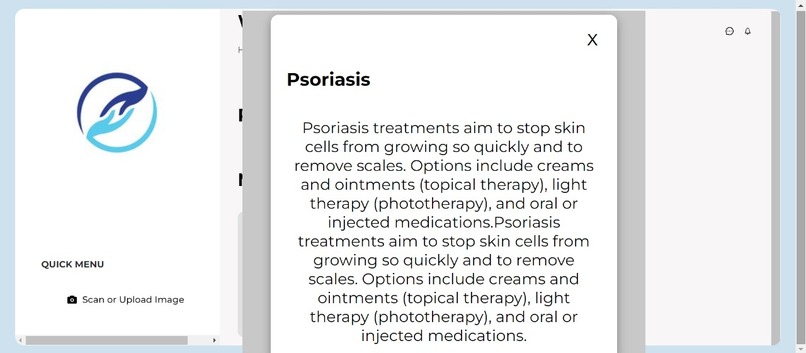
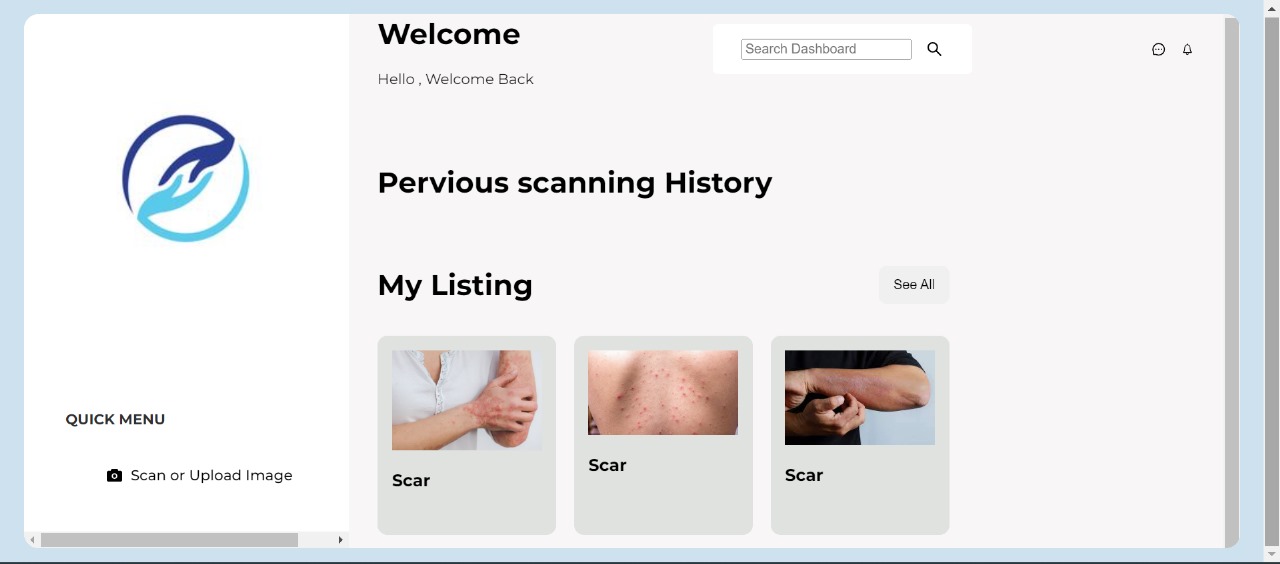
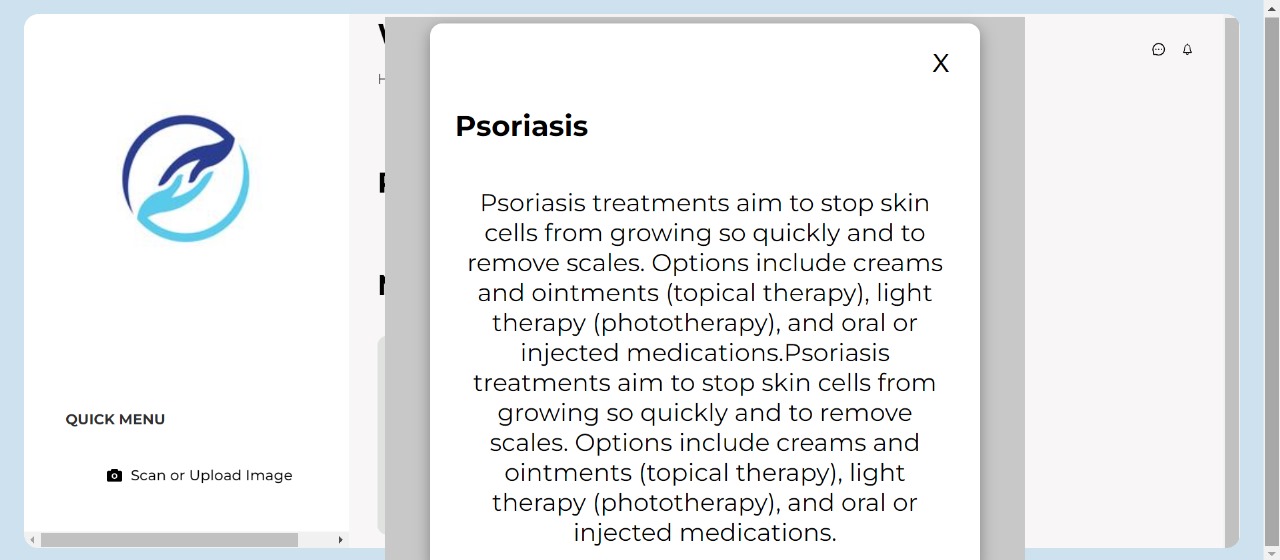
SkinScan AI is an innovative, AI-powered platform designed to revolutionize the early detection and diagnosis of skin cancer. Leveraging advanced image analysis, machine learning, and deep neural networks, SkinScan AI offers a comprehensive suite of capabilities aimed at facilitating accurate and timely identification of potential skin cancer indicators. Key functionalities of SkinScan AI include:
1. Automated Dermatological Image Analysis
SkinScan AI automates the analysis of dermatological images, including photographs of skin lesions, moles, and other skin irregularities. By employing sophisticated image processing algorithms, it swiftly identifies and highlights potential areas of concern, providing healthcare professionals with a detailed and precise assessment of skin conditions for further examination and diagnosis.
2. Differential Diagnosis and Classification
Utilizing a robust convolutional neural network (CNN), SkinScan AI performs differential diagnosis and classification of skin lesions, distinguishing between benign and malignant abnormalities with a high degree of accuracy. By leveraging a comprehensive training dataset and advanced machine learning techniques, the platform effectively categorizes various types of skin cancer, empowering healthcare providers with critical insights to guide informed treatment decisions and management strategies.
How we built it
The development of SkinScan AI during the hackathon was a testament to our team's agility and adaptability. Working closely together, we utilized open-source datasets and pre-trained models, integrating advanced image processing techniques and machine learning algorithms to create a prototype that could accurately identify potential skin cancer indicators .Employing a multi-faceted approach, we integrated image segmentation to accurately delineate skin lesions, followed by comprehensive data augmentation to enhance the diversity and robustness of our training dataset. Leveraging the capabilities of convolutional neural networks, we constructed a sophisticated classification model that could effectively distinguish between benign and malignant skin lesions, facilitating early detection and timely intervention.Our rapid prototyping approach, coupled with frequent brainstorming and quick decision-making, enabled us to swiftly iterate and refine our solution, ensuring its functionality and usability within the allotted time frame
Challenges we ran into
Throughout the project, we encountered various challenges, including the complexities of fine-tuning image segmentation algorithms, ensuring data consistency through augmentation, and optimizing the CNN for efficient processing of high-resolution dermatological images. However, our team's collaborative spirit, coupled with our technical expertise and problem-solving skills, enabled us to overcome these obstacles through persistent experimentation, meticulous testing, and continuous refinement of our methodologies.Also training on large datasets as large as 3gb was a huge issue. The successful integration of image segmentation, augmentation, and convolutional neural networks within our SkinScan AI project underscored the transformative potential of interdisciplinary collaboration and technological innovation in advancing the field of dermatological diagnostics, reaffirming our commitment to creating impactful solutions that can positively impact global healthcare.
Accomplishments that we're proud of
1. Robust Integration of Complex Technologies
We take immense pride in successfully integrating intricate technologies such as image segmentation, advanced data augmentation, and convolutional neural networks (CNNs) within the SkinScan AI framework. Our seamless amalgamation of these diverse components not only facilitated accurate detection of skin cancer but also showcased our team's proficiency in handling complex technical challenges with finesse.
2. Creation of a User-Centric Solution
Our commitment to creating a user-centric solution that prioritizes both accuracy and usability was a significant accomplishment for our team. By emphasizing intuitive design and efficient data interpretation, we developed an AI-powered system that not only delivers precise diagnostic insights but also enhances the workflow efficiency of healthcare professionals. This achievement reflects our dedication to bridging the gap between advanced technology and practical healthcare applications.
What we learned
As a diverse group of individuals with expertise spanning data science,biomedical, and software development, the hackathon journey provided us with invaluable insights into the power of collaboration and rapid prototyping. Through intensive research and iterative development, we gained a deeper understanding of the complexities of skin cancer detection, reinforcing the importance of user-friendly design and accurate data interpretation in developing impactful healthcare solutions within a constrained timeframe. Exploring the intricacies of image segmentation and augmentation techniques deepened our understanding of the complexities of dermatological data analysis. Embracing the power of convolutional neural networks (CNNs) in image classification, we gained insights into the critical role of model optimization and the impact of hyperparameter tuning on the overall performance and reliability of our AI-driven solution.
What's next for SkinScan AI
1. Enhanced Clinical Validation and Real-World Deployment
Our immediate focus is to conduct comprehensive clinical validation studies in collaboration with leading healthcare institutions and dermatology experts. By rigorously assessing the performance of SkinScan AI in real-world clinical settings, we aim to validate its effectiveness and reliability in accurately detecting and classifying various types of skin cancer. Upon successful validation, our goal is to deploy SkinScan AI across a network of healthcare facilities, enabling widespread access to advanced and timely skin cancer diagnosis.
2. Continuous Algorithm Refinement and Performance Optimization
We are dedicated to continuously refining the SkinScan AI algorithm through ongoing research and development efforts. By leveraging the latest advancements in machine learning and deep neural networks, we aim to enhance the model's precision, sensitivity, and specificity, ensuring its capability to detect even the subtlest indicators of skin cancer. Our objective is to optimize the algorithm's performance to meet the highest industry standards, empowering healthcare professionals with a state-of-the-art tool for accurate and efficient skin cancer diagnosis.
3. Personalized Treatment Recommendations
By leveraging NLP-driven analysis of patient data, we aspire to provide personalized treatment recommendations tailored to each individual's specific skin health needs. Through the extraction and synthesis of relevant insights from a vast array of medical literature and case studies, we aim to empower healthcare providers with evidence-based guidance, facilitating informed decision-making and optimized patient outcomes.
4. Patient Communication and Education
The incorporation of NLP will enable us to develop interactive patient communication tools that provide personalized educational resources and guidance for individuals concerned about their skin health. Through the deployment of chatbots and virtual assistants, we seek to offer accessible and user-friendly platforms for patients to access information, receive timely reminders for screenings, and engage in proactive discussions about skin cancer prevention and self-care practices.
5. Global Expansion and Strategic Partnerships
We aspire to expand the reach of SkinScan AI globally through strategic partnerships with healthcare organizations, governmental agencies, and non-profit entities. By collaborating with stakeholders dedicated to improving public health, we aim to promote widespread adoption of our technology, facilitating early detection and intervention for individuals at risk of skin cancer. Through these partnerships, we seek to drive awareness, education, and preventive measures, fostering a global community committed to combating the prevalence of skin cancer and promoting skin health.
As we embark on the next phase of our journey, our commitment to leveraging technological innovation for the advancement of dermatological healthcare remains unwavering. We look forward to continuing our mission to make SkinScan AI a pivotal tool in the global fight against skin cancer, driving positive change and improving the lives of individuals worldwide.

Log in or sign up for Devpost to join the conversation.