-
-
App Logo
-
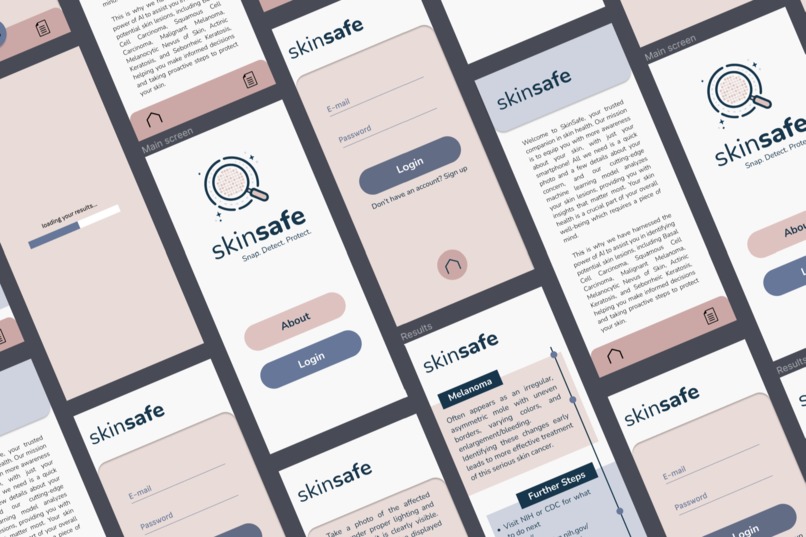
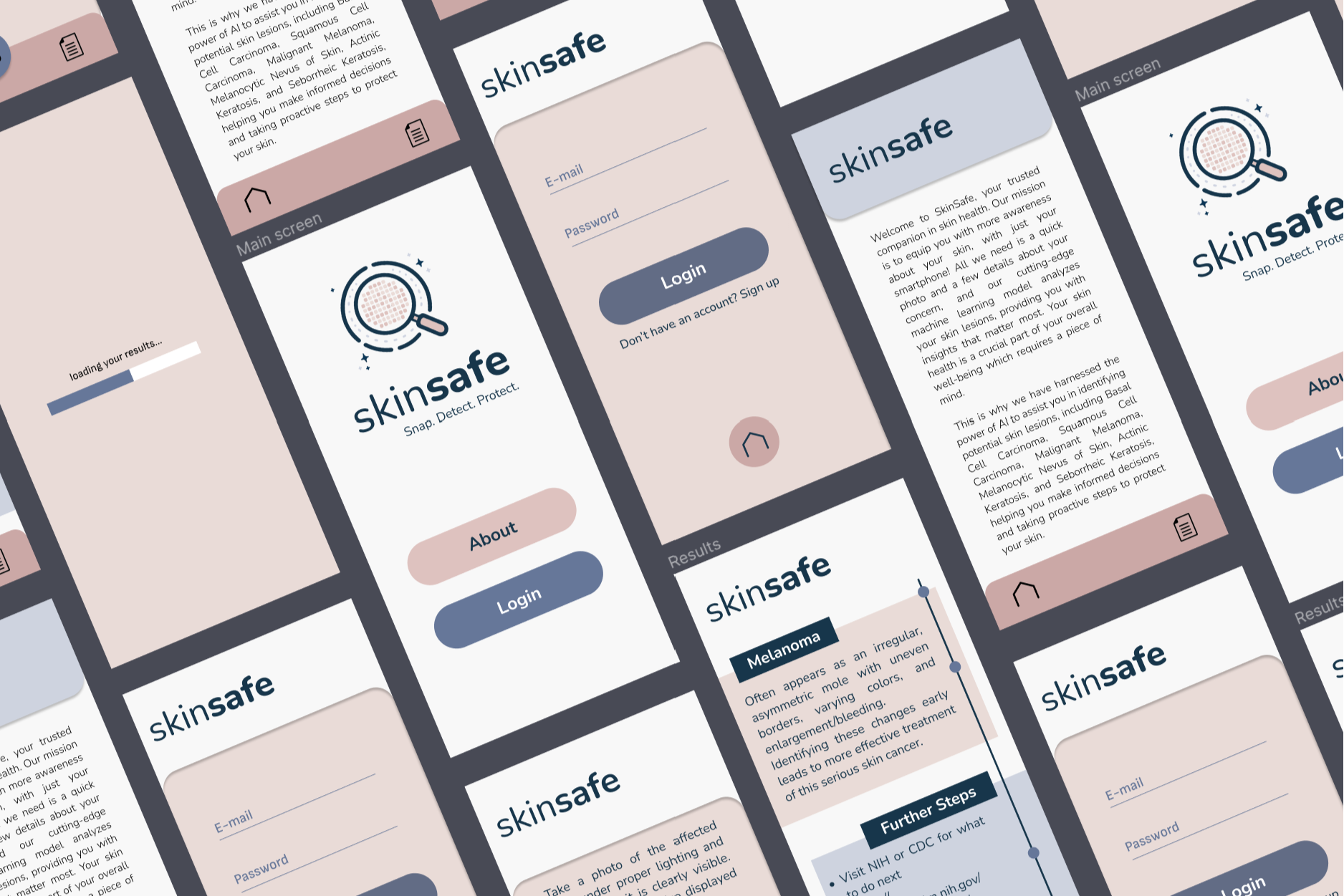
App Figma Design
-
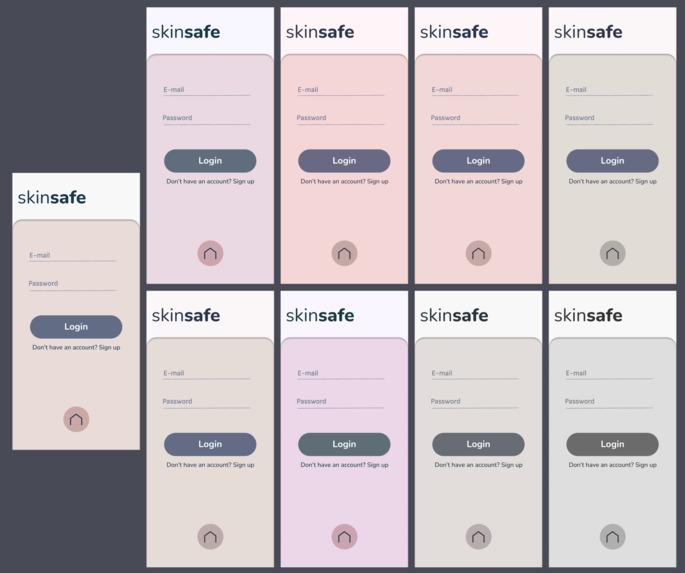
Colorblind Simulator
-
-
-

Inspiration
Too many skin cancers go undetected and unchecked—over 20% of melanoma cases are found in late stages. The slow process of scheduling appointments and waiting for results costs precious time. Our app offers an easy and early detection system, empowering people to take charge of their skin health. With quick lesion scans, users can get the information they need to seek medical advice sooner, when it matters most. This technology promises to save lives by transforming how we prevent, detect, and treat skin cancer.
Design and Purpose of App
In a single sentence, our app is best described as a user-friendly app that can take a picture of a possible skin lesion on a person and identify if the affected area is benign or malignant - Basal Cell Carcinoma, Squamous Cell Carcinoma, Malignant Melanoma, Melanocytic Nevus of Skin, Actinic Keratosis, and Seborrheic Keratosis.
To have a better understanding, it is best to break down the app into three main sections.
1. Machine Learning The app uses a multimodal data classification algorithm that takes in images of skin lesions and clinical data from the correlating patient such as age, cancer history, and smoking/drinking habits. For the base model, we tried variations of GoogleNet, InceptionV3, Resnet50, and EfficientNetB0. We found that the Resnet50 with a ReLU activation layer had the highest accuracy. The algorithm was run with 11 epochs with a learning rate of 0.0001. The model leveraged a sparse categorical crossentropy loss function.
Preliminary tests of the model gave us a 56% accuracy averaged over all 6 categories. Given the limitations on computing power and available RAM, we performed relatively well compared to studies of other lesion datasets (~15% accuracy difference). With higher compute capabilities and more memory to load the other ~8 clinical parameters, we can increase the feature space and achieve better classification accuracy in the future.
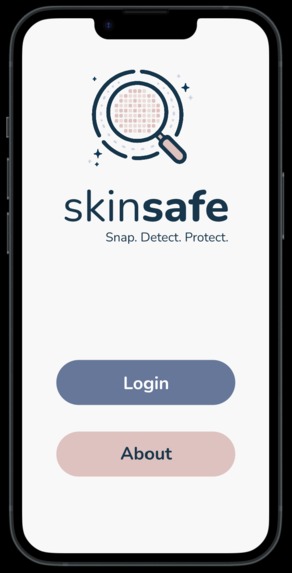
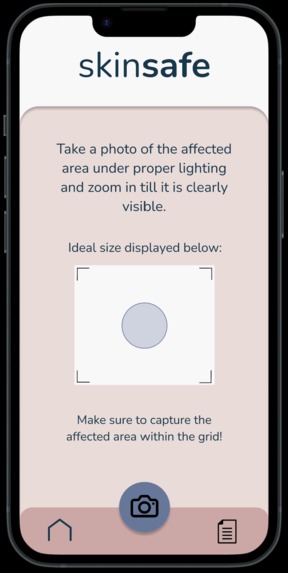
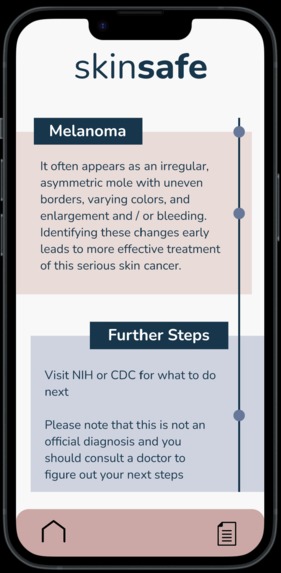
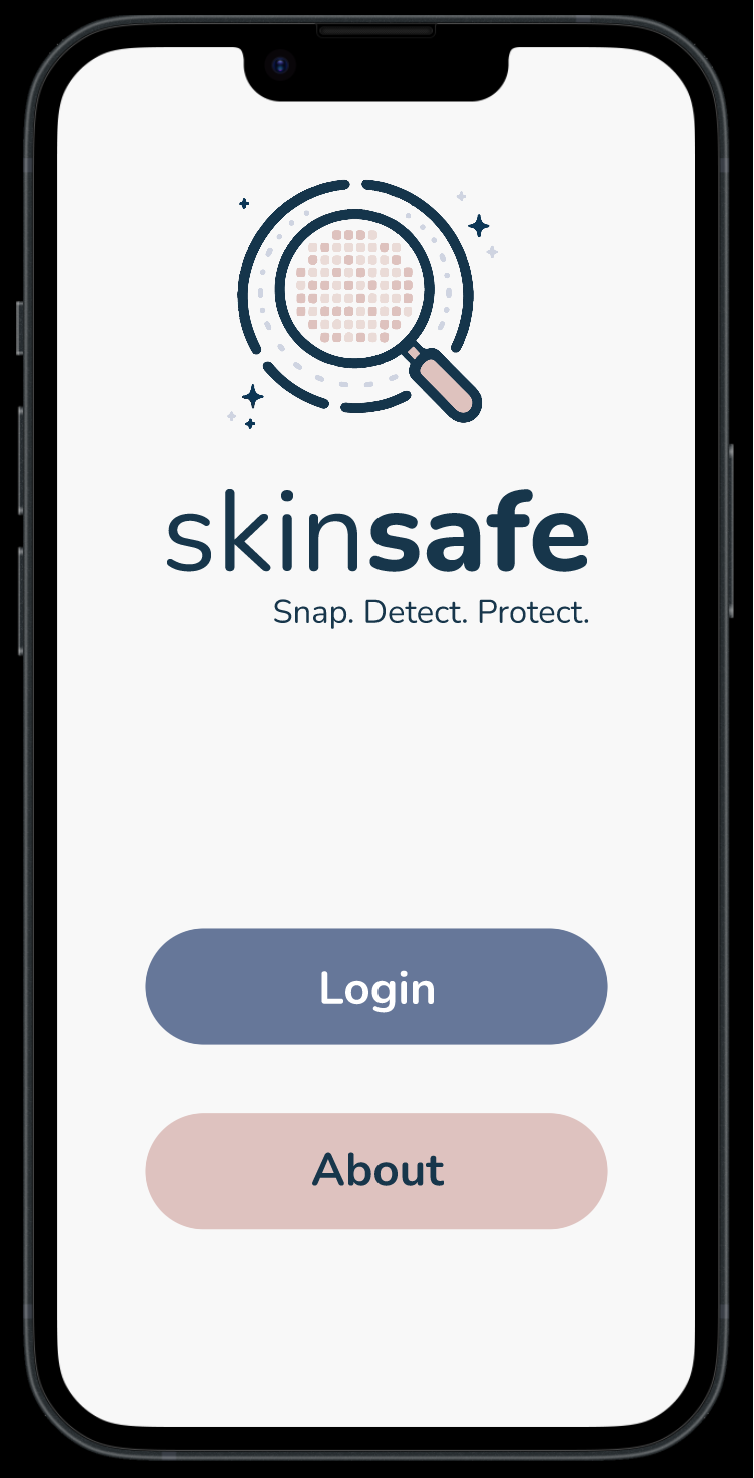
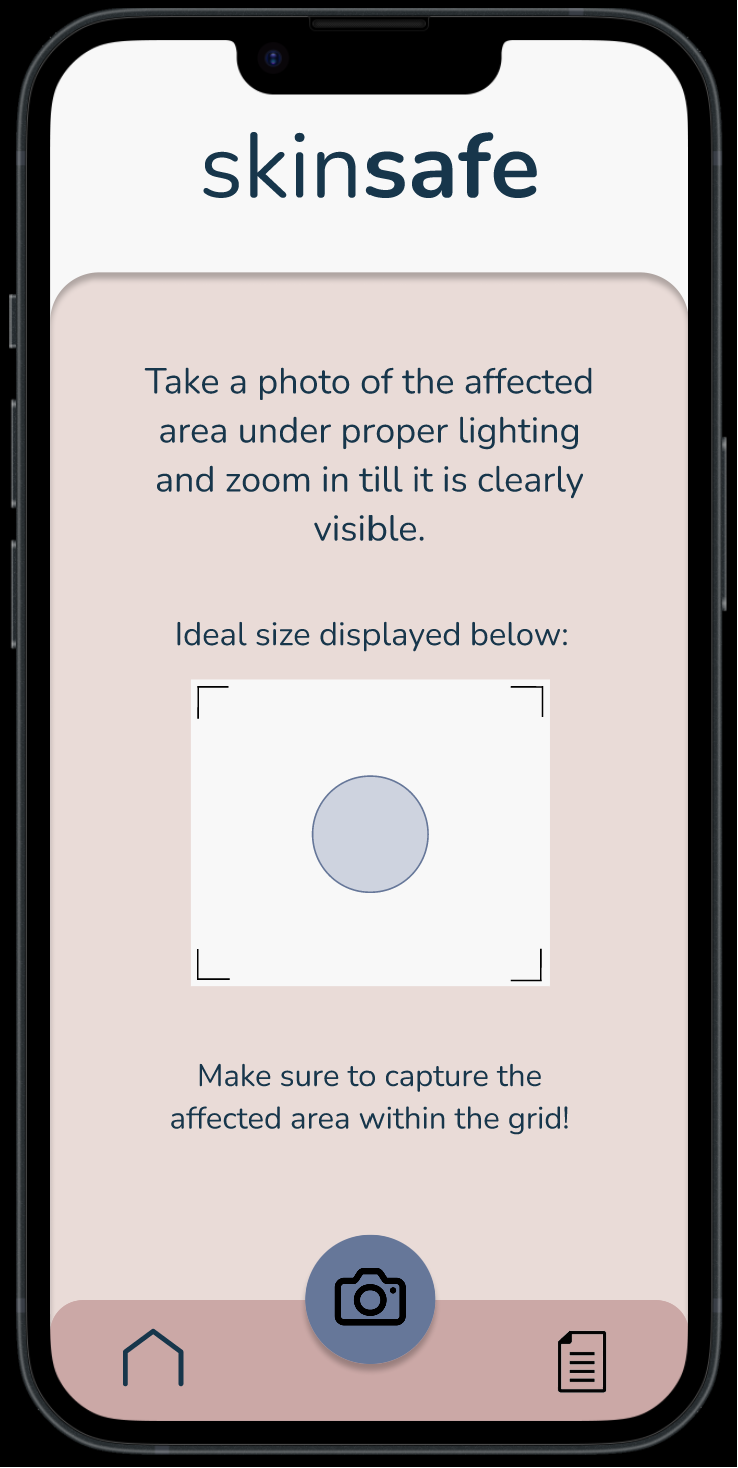
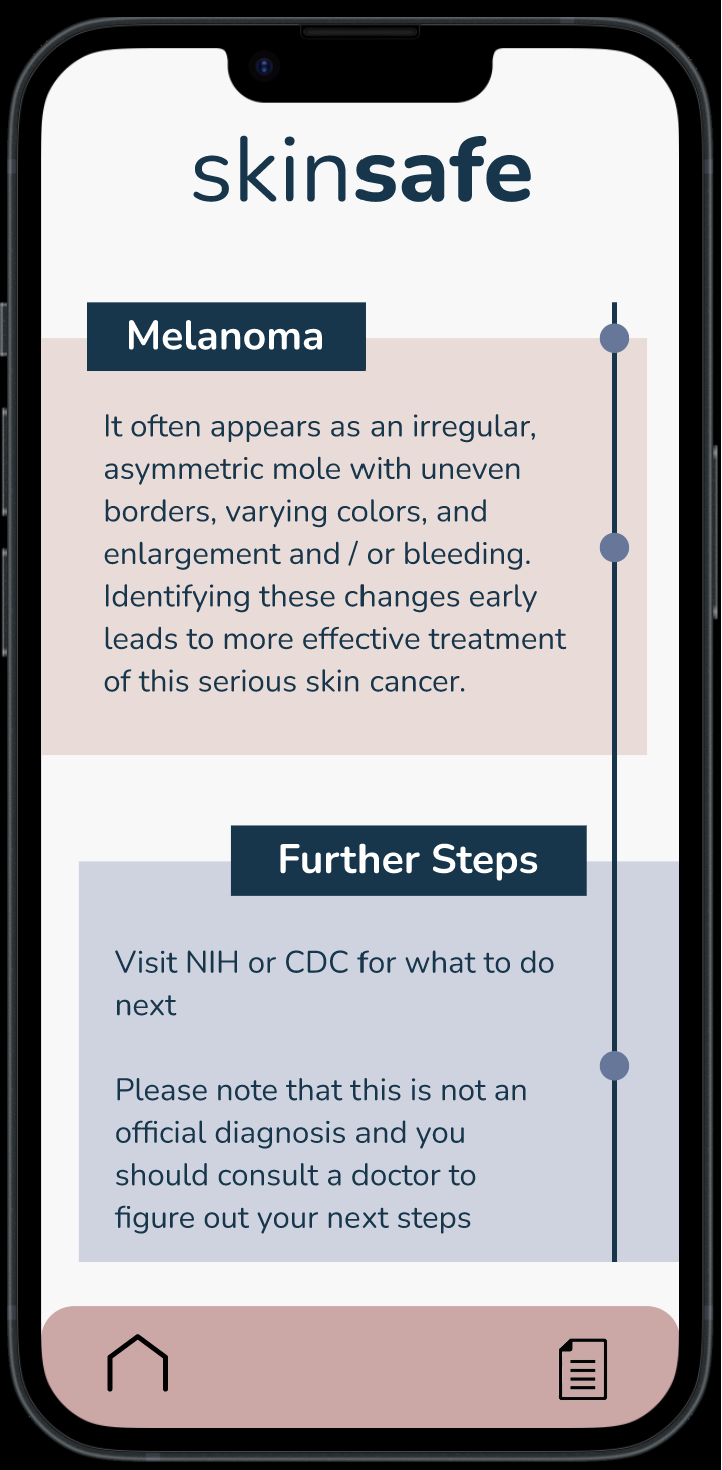
2. Figma Design Our design process incorporated Figma to create a cohesive and visually appealing app interface. The result is a sleek and user-friendly design that places a premium on ease of navigation.
In our commitment to inclusivity, we've carefully selected color schemes that are tailored to be color-blind friendly, ensuring a seamless and accessible experience for all users, regardless of their visual abilities. These color schemes were chosen using colorblind simulator plug-in in Figma (as shown in the image deck).
3. Front-end Development Our development process utilized JavaScript and React Native as the core coding languages. The app was developed on Expo for its built-in attributes for camera functionality, enabling users to seamlessly capture and save pictures.
We employed Xcode for running and emulating the app, and Expo Go for the development pipeline, allowing us to test the app on real devices to deliver a user-ready experience.
Challenges We Ran Into
The app's performance is constrained by limited access to computational power and RAM. Additionally, integrating the front-end code while matching the Figma design under these resource limitations poses a significant challenge. Careful optimization is needed to deliver a user-friendly, feature-rich experience within the technical constraints.
Accomplishments That We Are Proud Of
Our app's seamless performance, inclusive design, and complex ML algorithm integration demonstrate our commitment to user satisfaction, inclusivity, and cutting-edge technology. These features have created a robust platform that empowers users with precise skin health insights. Most importantly, we are proud of having been able to find a solution that, in the past, would not have been accessible to the general public.
What We Learned
- Optimizing the app to match the Figma design provided invaluable front-end development insights.
- Implementing complex ML algorithms to industry standards deepened our machine learning expertise. - Ensuring diverse access such as color-blind friendly features underscored the importance of inclusivity.
This journey has enriched our skills and commitment to excellence, inclusivity, and optimization.
What's Next For SkinSafe
Our vision is to harness technology to create an increasingly inclusive and practical tool for skin health. To achieve this, our app is highly modular and extensible, featuring a simple camera function that allows patients to capture images of visible skin lesions. These images serve as the foundation for our diagnostic process.
To improve our service, we are committed to expanding features and enhancing classification accuracy. As we gain more resources, we can provide advanced diagnostics and continually refine our system. This includes enriching our dataset, improving algorithm capabilities, and introducing more inclusive features.
Moreover, we recognize the importance of optimizing our app for compatibility with both iOS and Android platforms. We will actively gather user feedback to refine the user experience, ensuring that our app has a meaningful real-world impact.
Built With
- ai
- css
- figma
- github
- html
- javascript
- machine-learning
- python
- react-native
- tensorflow
- xcode


Log in or sign up for Devpost to join the conversation.