-
-
Introduction
-
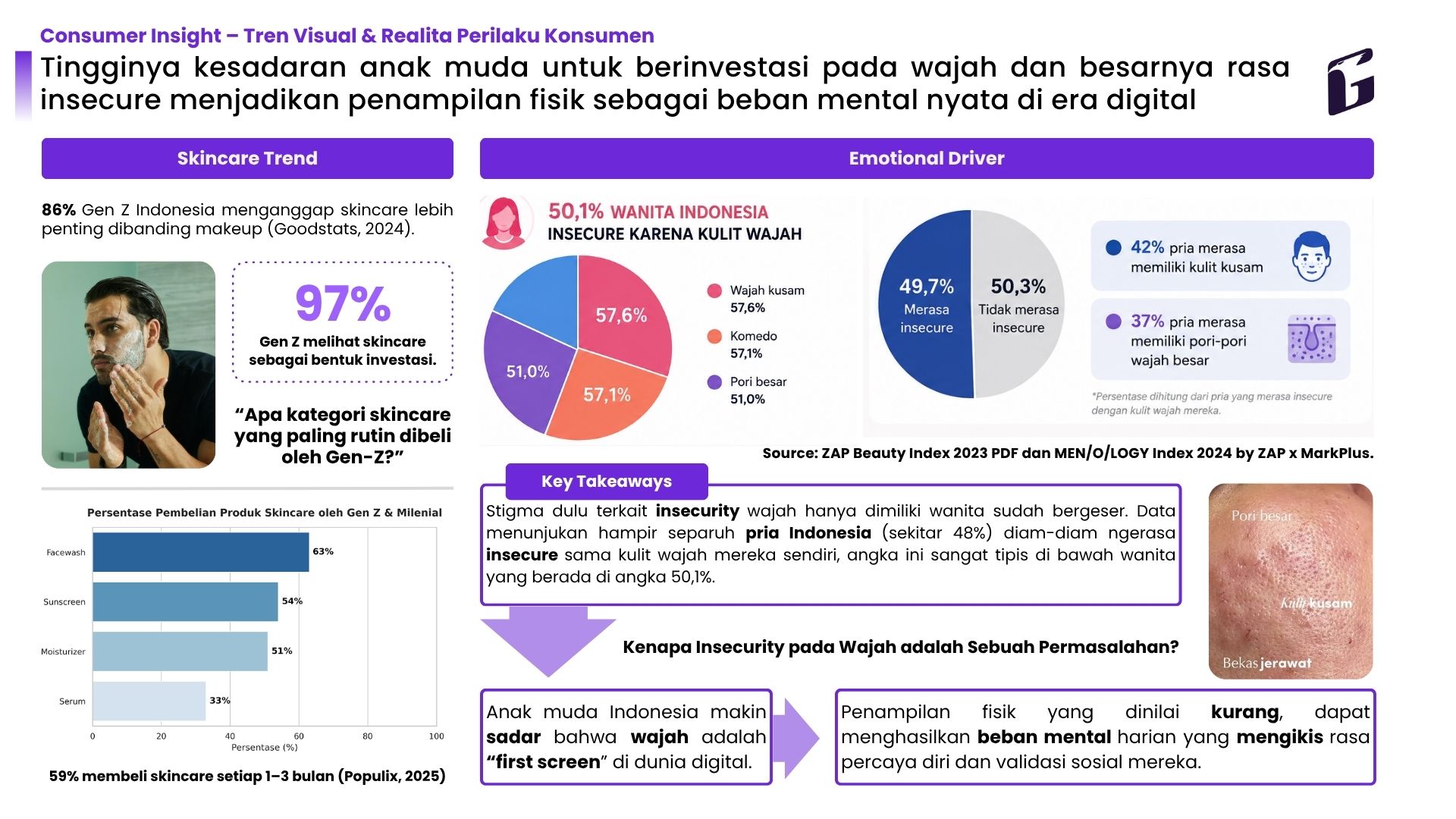
Consumer Insight
-
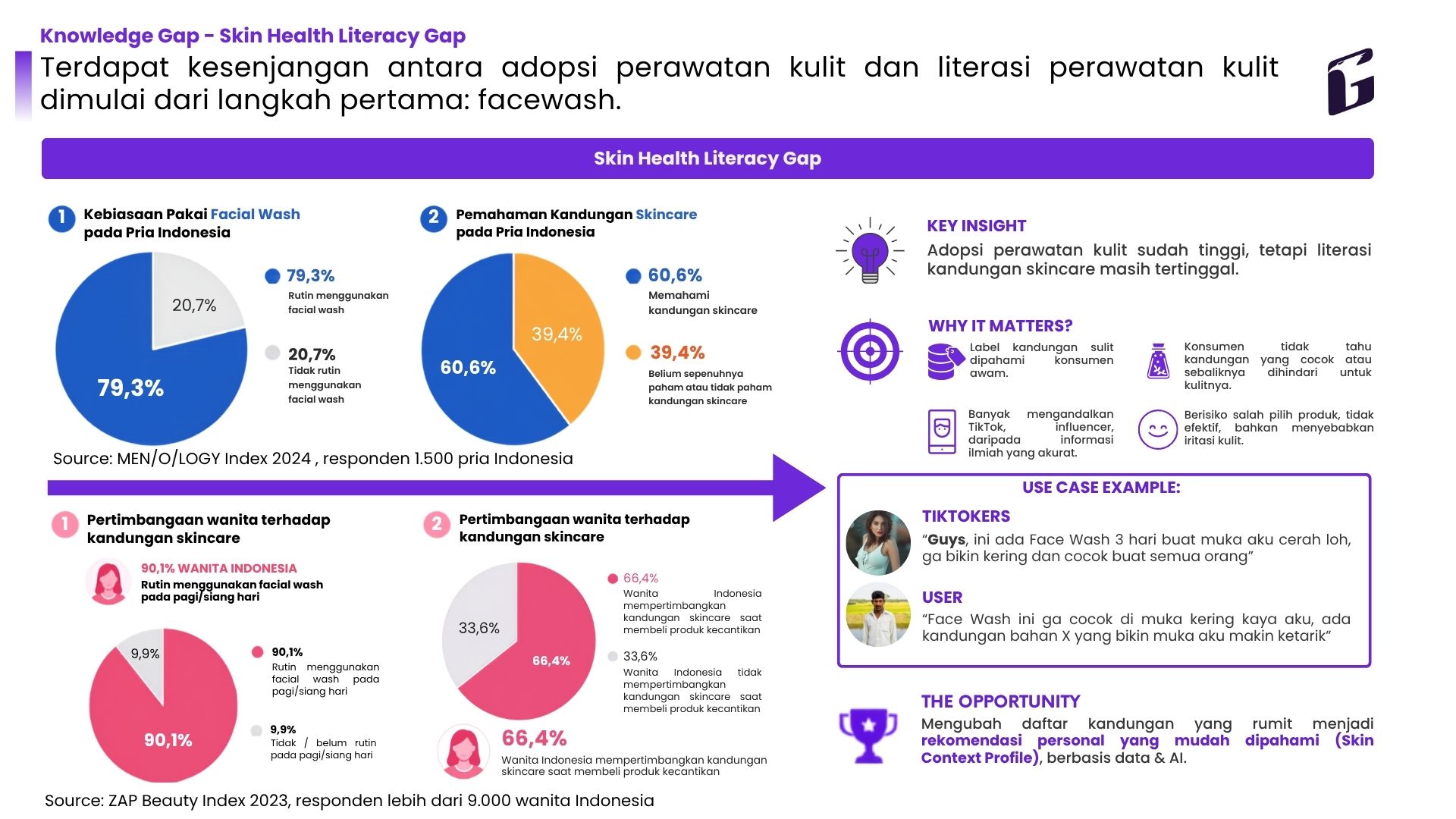
Knowledge Gap
-
Core Features
-
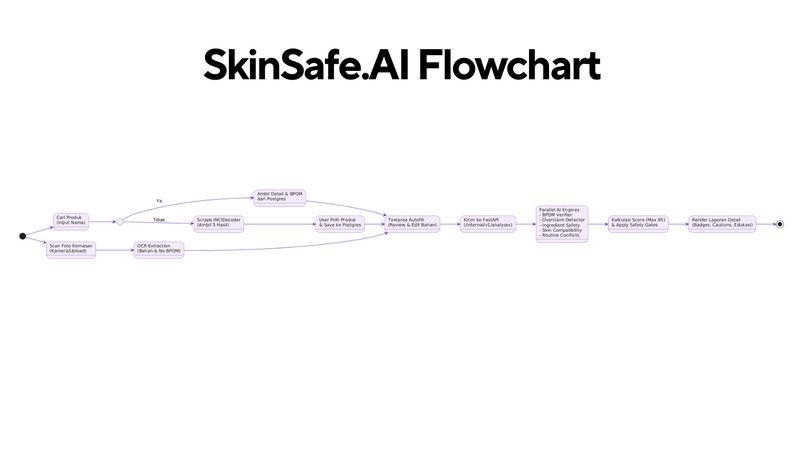
Flowchart
Inspiration
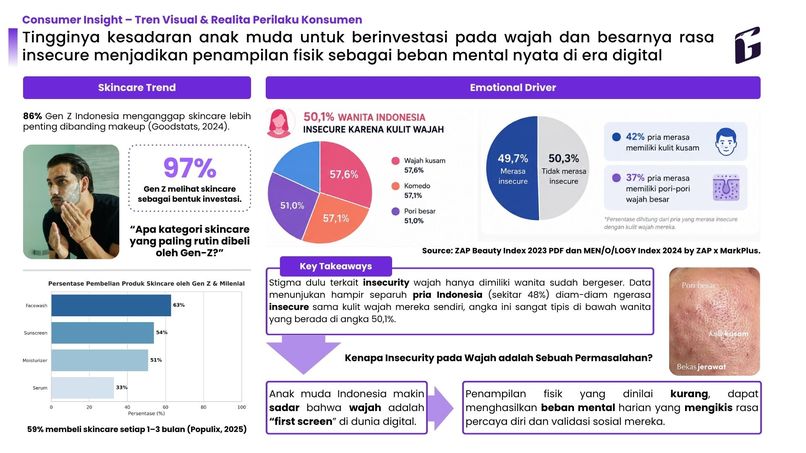
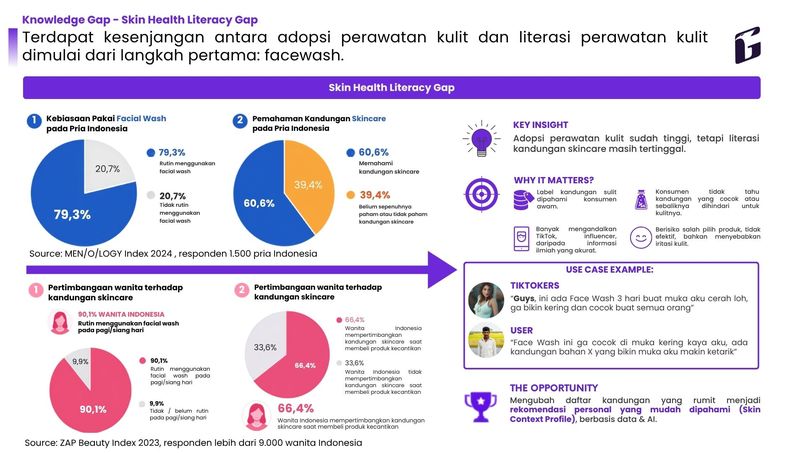
We noticed a growing problem among Gen Z and young adults who buy skincare online: consumers are constantly exposed to viral, sometimes exaggerated claims on platforms like TikTok Shop, Shopee, and Instagram. Many beginners, as well as users with sensitive skin or damaged skin barriers, struggle to verify if a face wash is actually safe or if its marketing is just an "overclaim". We realized that beauty apps focus heavily on general recommendations, but we wanted to build a consumer health literacy assistant. Our tagline, "Bahan Aman Kulit Nyaman" became our core mission because we do not sell beauty; we protect skin health from misinformation, unsafe products, and wrong daily cleansing routines.
What it does
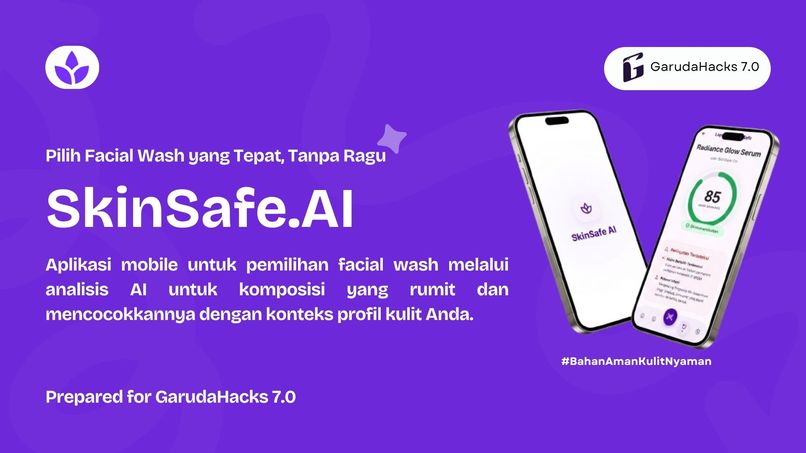
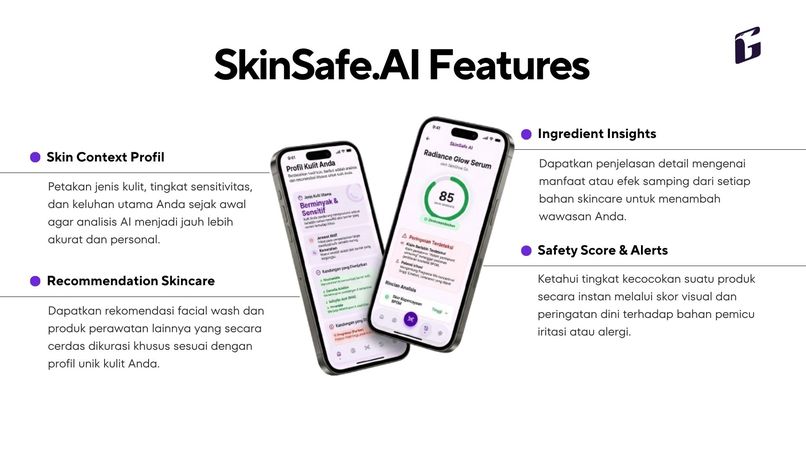
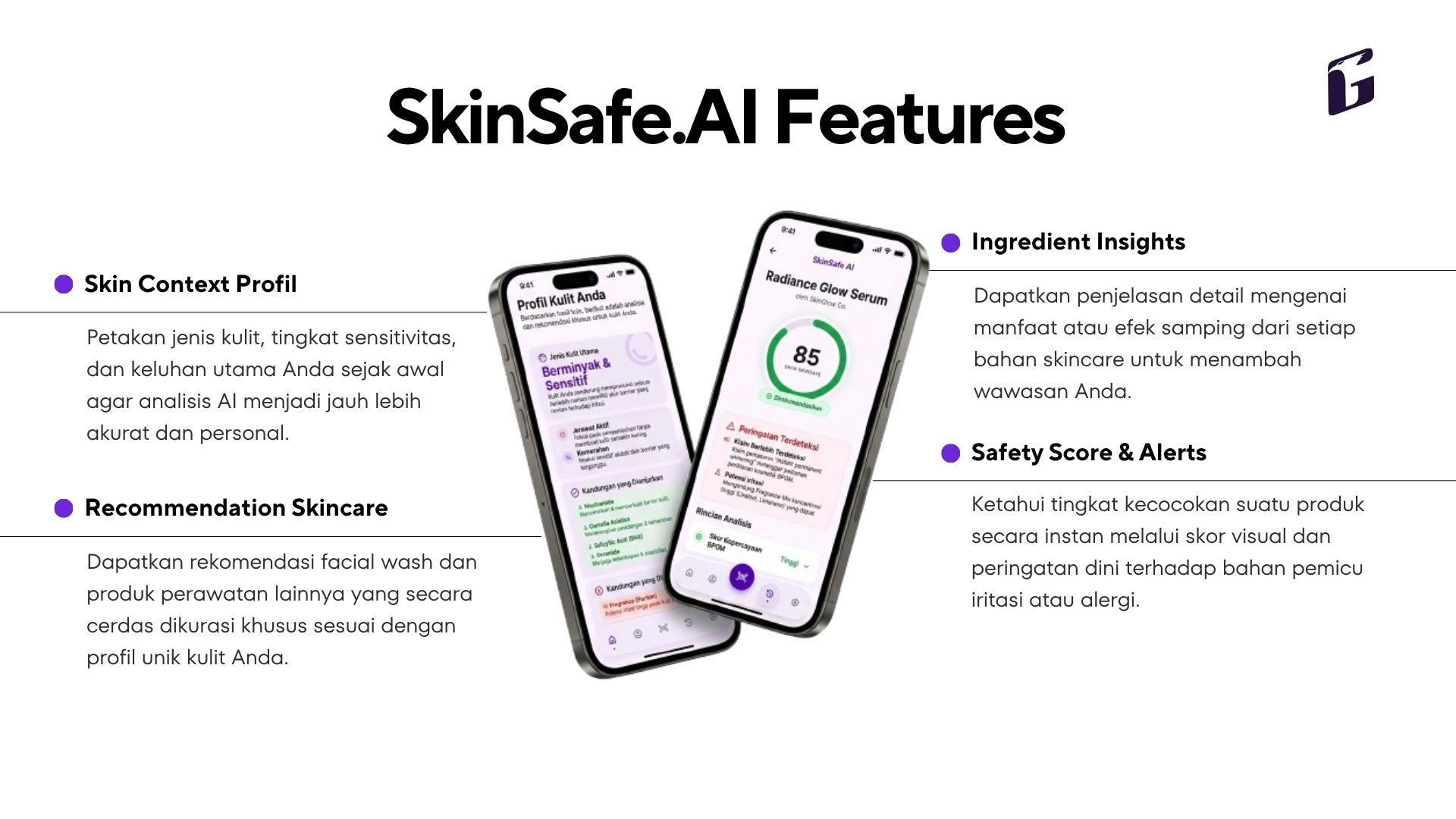
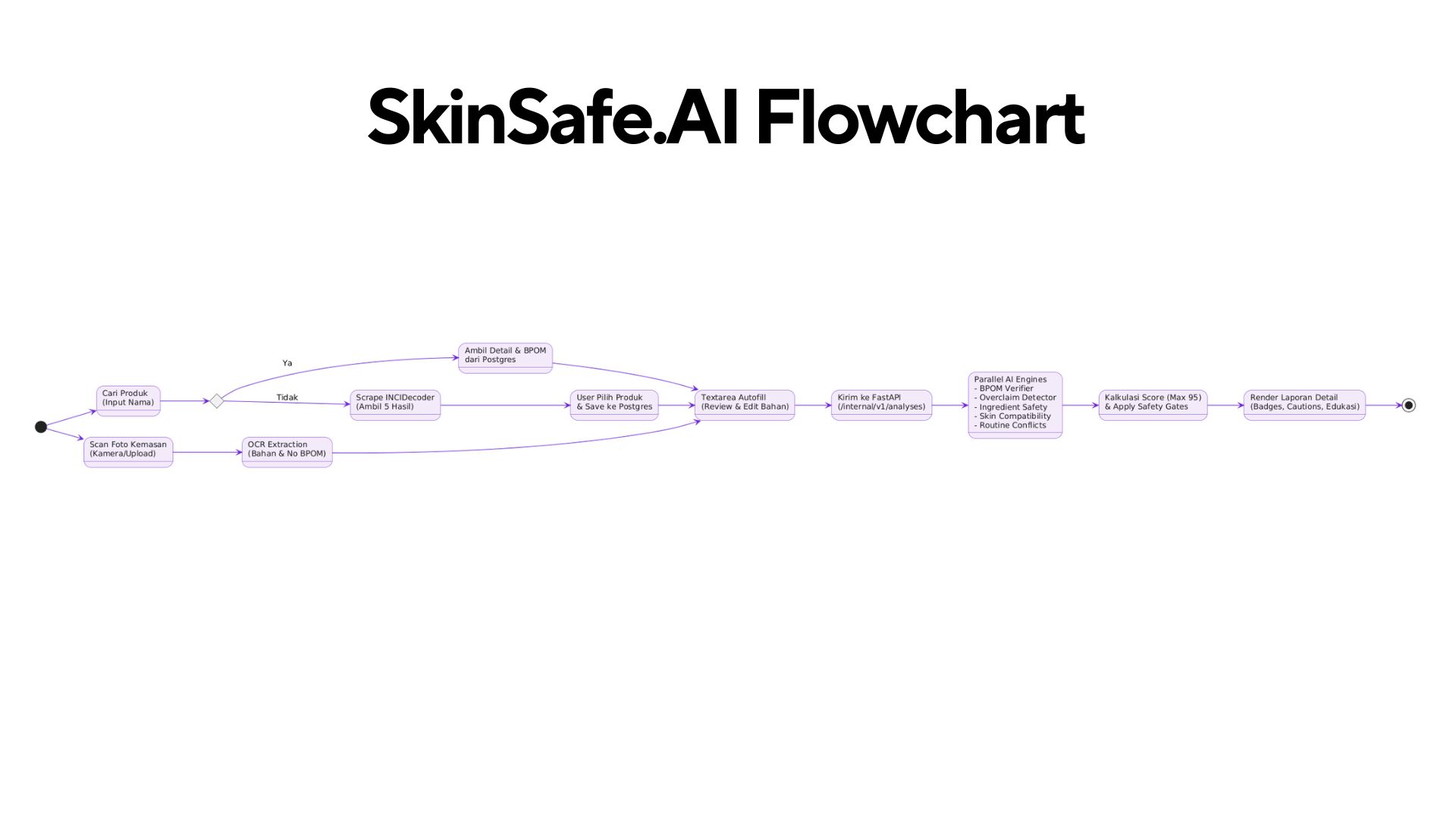
SkinSafe AI is a mobile-based AI application that evaluates face washes before you buy or use them. Users start by building a personalized Skin Profile covering their skin type, sensitivity, goals, and current routine. Instead of manually typing complex ingredients, users simply input the name or brand of the face wash they want to check, and the system instantly displays a list of matching face washes from our catalog to choose from. Once a face wash is selected, our rule-based engines verify its BPOM status, detect overclaims, analyze ingredient risks, calculate skin compatibility, and detect routine conflicts. Finally, it generates a color-coded SkinSafe Report with an overall safety status and practical recommendations like "Generally OK" or "Use with Caution".
How we built it
Tackling the architecture as a full-stack developer during a tight 30-hour hackathon required a highly pragmatic approach. We implemented a strict mobile-first web interface using Next.js, TypeScript, TailwindCSS, and shadcn/ui to ensure the application is clean and easily understandable for non-technical users. For the backend, we utilized Python FastAPI to orchestrate the search and analysis pipelines, while data persistence was handled rapidly using Supabase Postgres. The core logic relies on modular Python dictionaries and rule engines to evaluate the selected face wash data against the user's skin profile and instantly generate safety and compatibility recommendations.
Challenges we ran into
Balancing the workload of a 30-hour hackathon alongside academic commitments meant we had to ruthlessly prioritize the MVP scope. One major technical hurdle was the lack of a stable public API from BPOM for real-time verification. To keep the pipeline moving and ensure our search-based input system worked seamlessly, we engineered a hybrid mock dataset with sample face washes to simulate the exact regulatory verification and ingredient analysis process. Ensuring the search results accurately matched user queries while maintaining fast backend response times also required careful data structuring.
Accomplishments that we're proud of
We are incredibly proud of successfully translating complex dermatological concepts into a modular rule engine that anyone can use. We engineered a transparent analysis model that successfully scopes a massive consumer health literacy problem into a functional MVP within exactly 30 hours, ensuring the system remains explainable, credible, and helpful for skincare beginners.
What we learned
We learned a tremendous amount about data structuring and the nuances of cosmetic chemistry nomenclature (INCI) specifically for facial cleansers. Mapping these complex chemical names to user-specific risk factors without crossing the line into claiming medical diagnoses taught us how to design better user experiences for health-adjacent applications. We also discovered that providing a rapid search-to-select interface for face washes greatly reduces user friction, emphasizing the importance of intuitive UI in consumer literacy tools.
What's next for SkinSafe AI
Our immediate next step is to integrate a Vision AI and OCR scanning feature, allowing users to simply upload a screenshot of a marketplace listing or a photo of a face wash package to extract ingredients and BPOM numbers automatically. Beyond that, we plan to secure an official BPOM integration to replace our MVP mock dataset and significantly expand our face wash catalog database. We also aim to implement barcode scanning, build a marketplace browser extension, and introduce community product reports with dermatologist-reviewed ingredient rules to further protect consumers.
Built With
- fastapi
- nextjs
- openai
- postgresql
- python
- tailwindcss

Log in or sign up for Devpost to join the conversation.