-
-
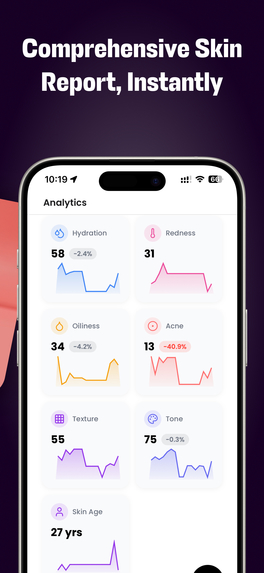
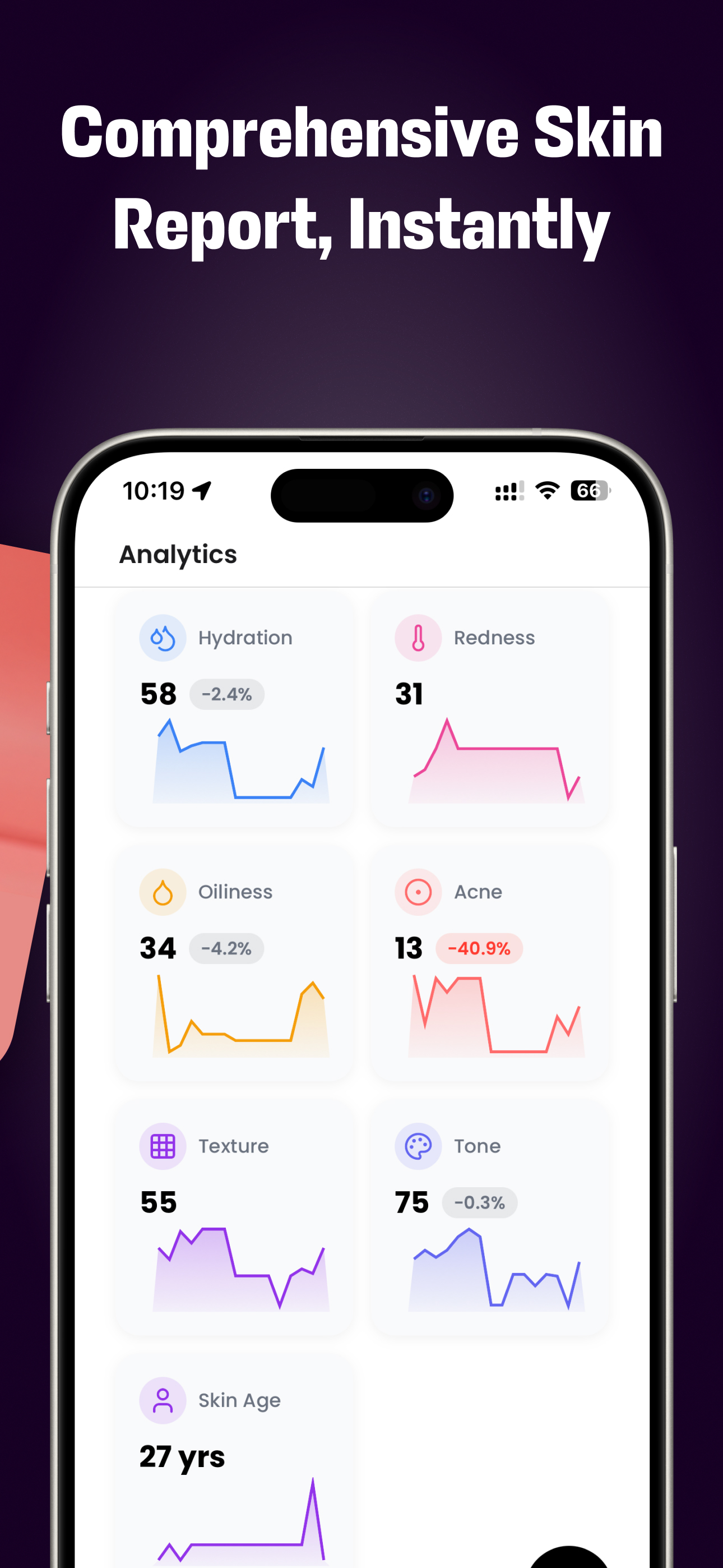
Trend of skin metrics over time
-
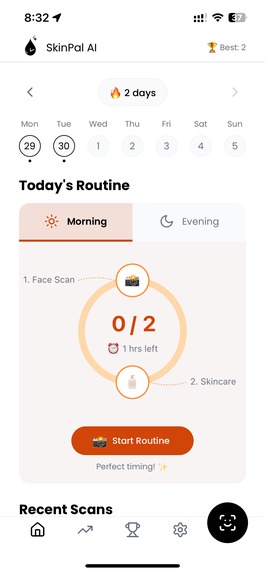
Streak tracking & habit formation
-
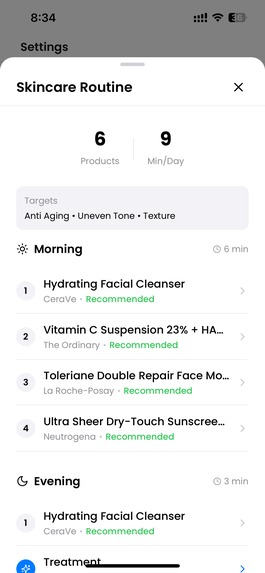
Routine base on skin data
-
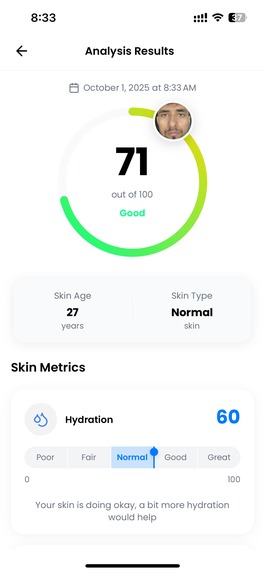
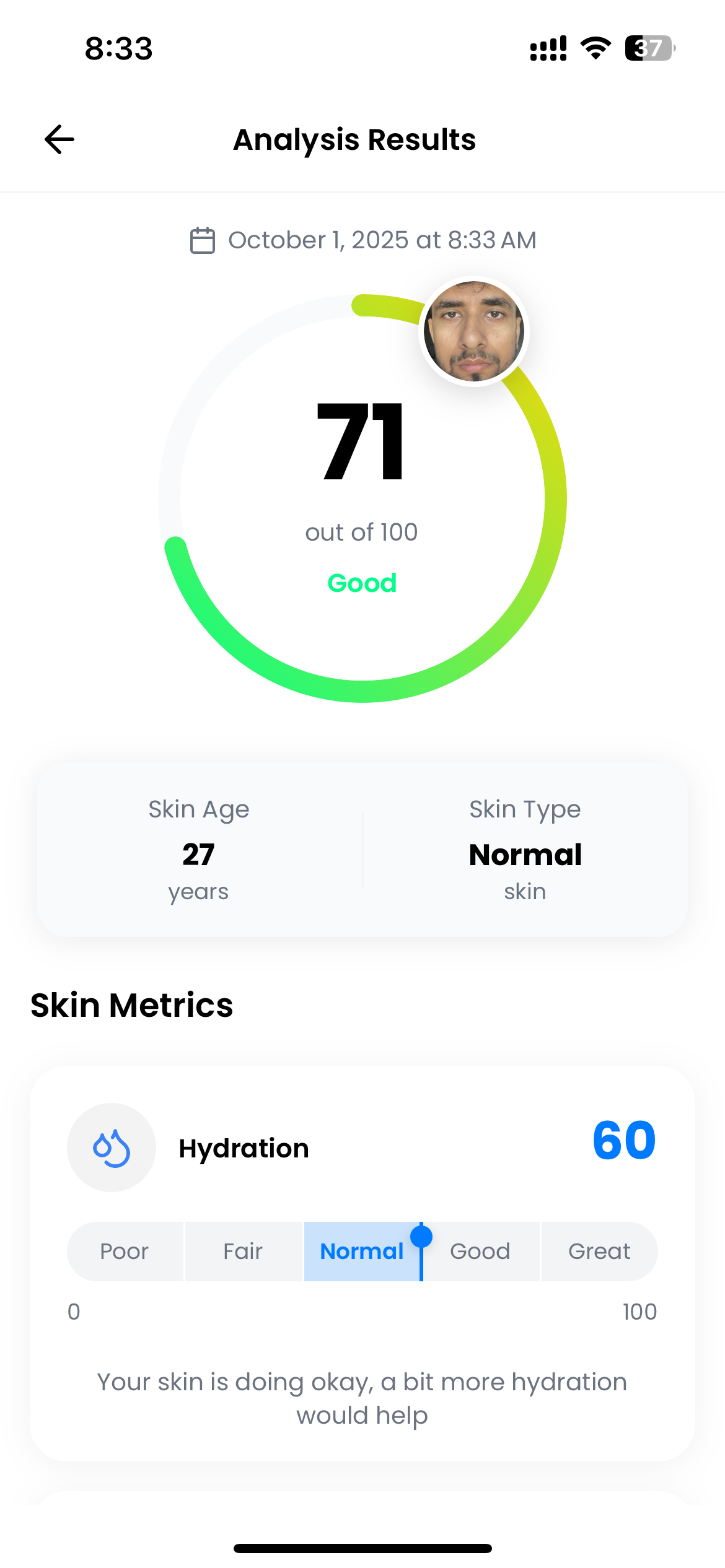
Face scan result
-
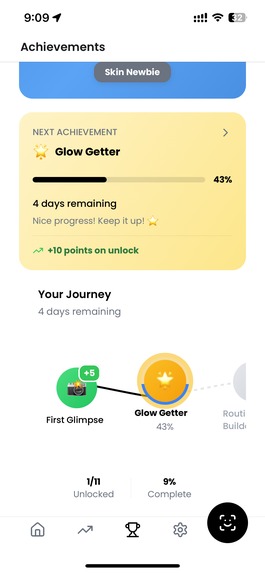
Gamification of skincare
-
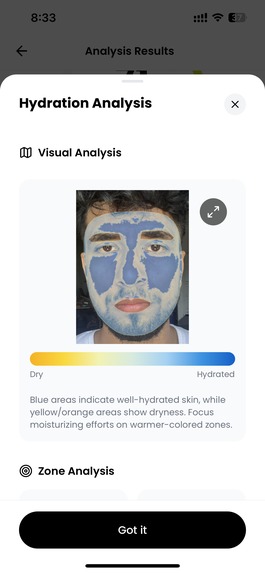
Glossiness visualization across facial zones
-
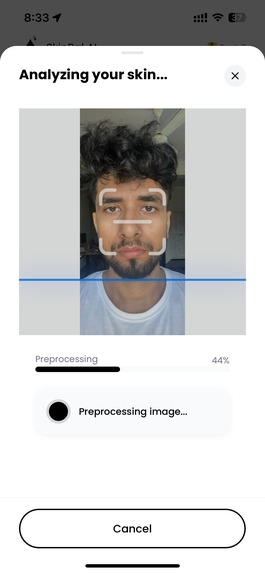
Face scanning in action
-
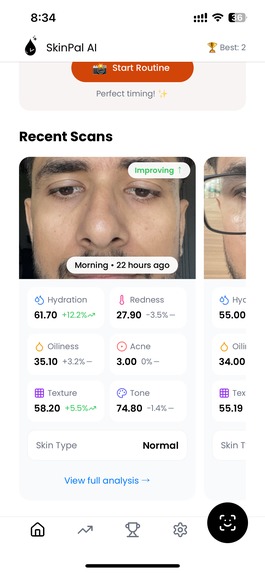
Recent scan card showing skin metrics
-
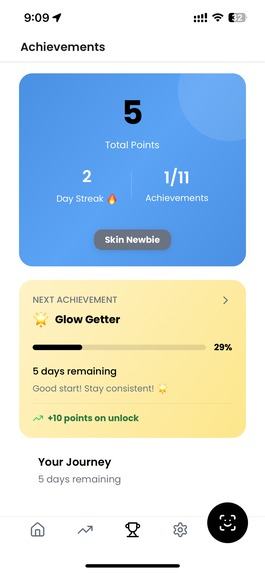
Achievement screen




Inspiration
The idea for SkinPal AI didn’t come from a whiteboard, it came from real life. My girlfriend was always trying new skincare products, but she kept saying the same thing: “I don’t even know if this is working.” Some weeks she’d be convinced a serum was helping, other weeks she felt like nothing had changed.
Once I noticed it in her, I started seeing the exact same problem everywhere in the skincare community. People spending hundreds of dollars, switching routines every month, yet constantly asking: “How do I know if this is actually helping my skin?” That uncertainty was the spark. I realized there was no objective way for people to measure progress and that’s where I knew technology could step in.
What it does
SkinPal AI helps you answer the one question every skincare user has: “Is my routine working?”
With just a selfie, the app analyzes your skin across hydration, redness, oiliness, texture, acne, and more. It doesn’t stop at a single scan it tracks your progress over time, so you can see real changes, not just guess.
To keep people motivated, we added streaks and achievements. Because skincare is about consistency, not instant results. The app also generates personalized routines based on what it actually sees in your skin, not what influencers are pushing.
How we built it
I built the app with React Native and Expo so I could launch quickly on both iOS and Android without juggling two codebases. The backend runs on FastAPI with Python, with Supabase handling auth and database.
For the AI side, I used Google Gemini Vision API together with MediaPipe for precise facial mapping, then layered in my own custom image-processing algorithms to generate the heatmaps and extract skin metrics. That combination gave us both accuracy and the kind of visual feedback users instantly connect with.
RevenueCat was integrated early to manage subscriptions. That decision saved me from getting stuck in billing complexity and gave me the flexibility to experiment with different pricing models.
The entire build came together in about two months, guided heavily by raw, unfiltered feedback from beta testers. Their reactions pushed me to refine the design and rebuild the results screen multiple times until it finally felt intuitive.
Challenges we ran into
The biggest challenge was learning image processing from scratch. We had to figure out how to extract meaningful skin metrics hydration, redness, oiliness from raw face images using complex algorithms.
Early on, results would swing wildly because of something as simple as different bathroom lighting. A single shadow could make the same skin look “worse” or “better.” We spent weeks researching and experimenting with different normalization techniques, applying image-processing methods until we could stabilize results across lighting conditions.
That process taught us how unforgiving real-world data can be, and it forced us to push beyond just using an AI model we had to build our own preprocessing layer to make the metrics trustworthy.
Accomplishments that we're proud of
- In just 27 days since launch (Sept 3 – Oct 1), SkinPal AI has grown far beyond what I expected:
- 819 signups recorded in the database.
- Over 1,000 downloads on the App Store.
- 47 paying subscribers, generating $368 MRR and $840 in revenue in the first month.
- A conversion rate of ~5.9% from free to paid, which is already above industry norms.
- 1,000+ skin scans processed with users returning regularly, our early retention is holding strong.
What we learned
What we learned
One of the biggest lessons was that collaborating with large influencers is a waste of money at this stage. The returns just don’t match the spend. What’s actually working is micro-influencers and organic word of mouth, people sharing their results naturally. That’s where we’re doubling down: getting the product in front of the right communities instead of chasing vanity reach.
We also learned that it’s better to ship fast than wait for perfection. Every iteration gave us feedback that shaped the app in ways we never could’ve predicted in isolation. Building quickly, listening to users, and improving in public turned out to be the best strategy.
What's next for SkinPal AI
Our next focus is on educating users about data-driven skincare, showing people that routines don’t have to be guesswork, they can be measured and improved with real evidence. To support that, we’re building a content engine with blogs and resources that will serve both as long-term marketing and as a way to grow trust around the product.
On the product side, we’ll keep iterating based on user feedback, refining the analysis and adding features like before/after compilations, skin journey videos, and routine challenges with friends. The upcoming AI coach will make the experience even more personal by giving day-to-day insights and talk to user in realtime.
Long-term, our vision is to make SkinPal AI not just a tool but a community - the Strava of skincare, where progress is tracked, shared, and celebrated.
Built With
- expo.io
- fastapi
- python
- react-native
- supabase
- typescript


Log in or sign up for Devpost to join the conversation.