-
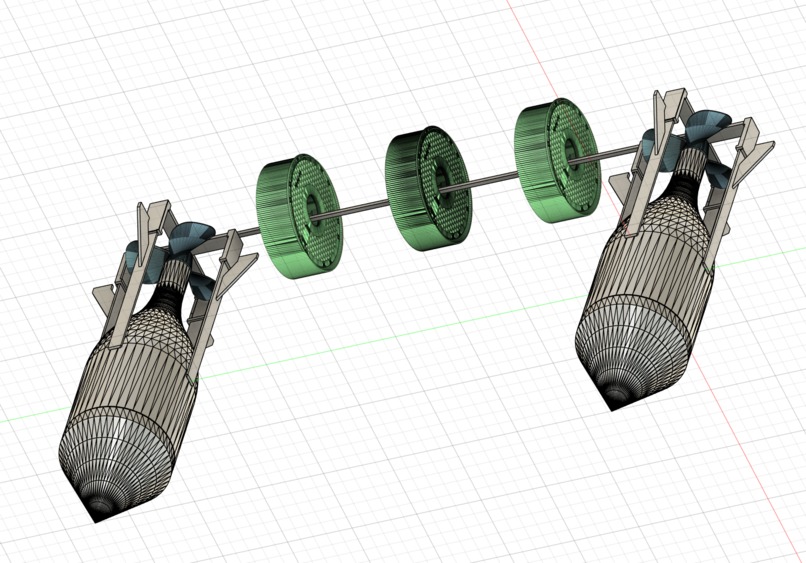
cad file
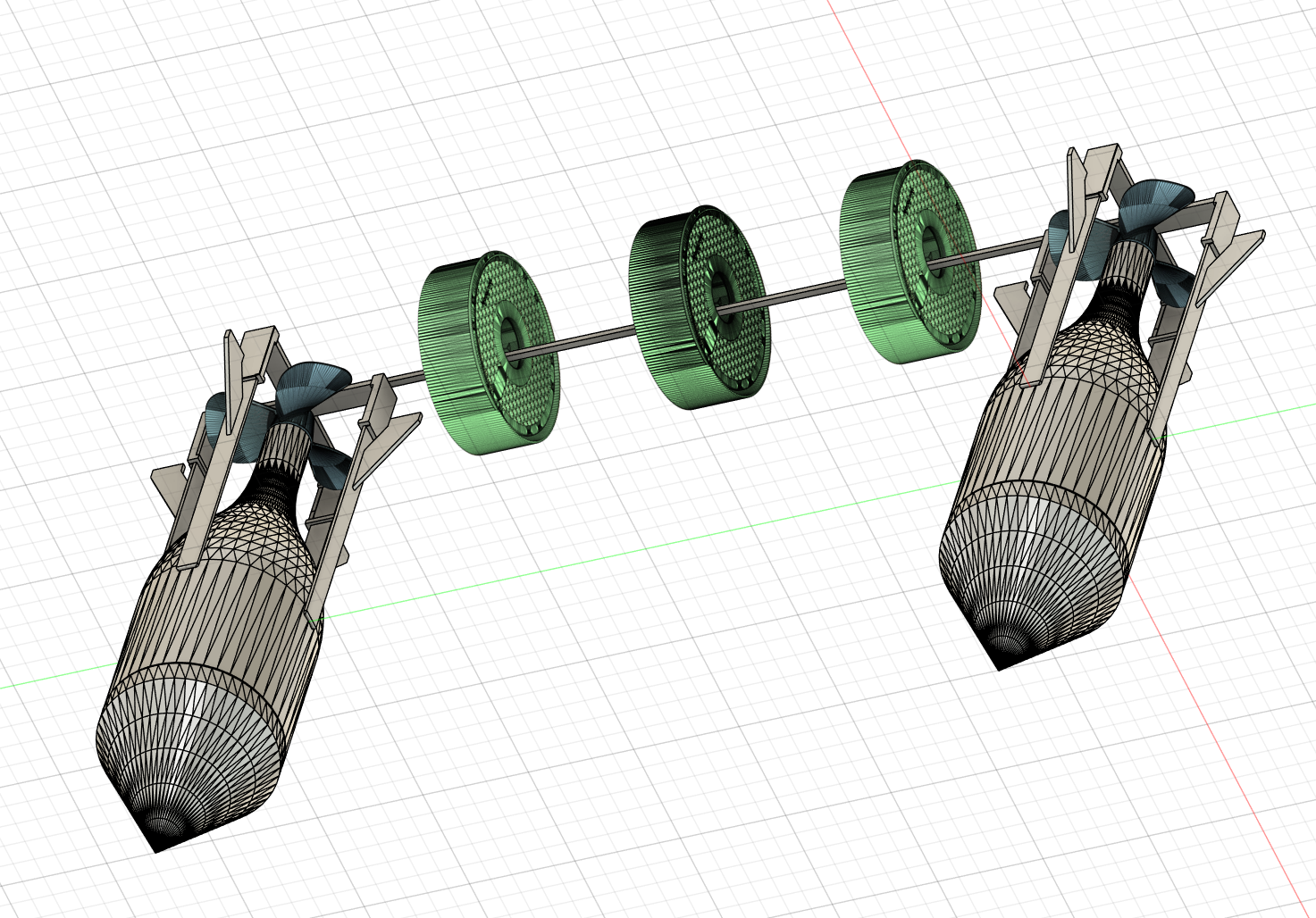
Inspiration
What it does
How we built it
Challenges we ran into
Accomplishments that we're proud of
What we learned
What's next for Skinny Man
Inspiration The inspiration behind the "Skinny Man" robot comes from the growing need for efficient, autonomous solutions to clean up minor oil spills, especially in busy port areas and ship parking locations where spills can have a significant environmental impact. What It Does "Skinny Man" is a prototype robot designed to glide over the water surface, detect oil spills, and clean them up autonomously. It uses sensors to identify oil patches and deploys a cleaning mechanism to absorb or contain the oil, helping to mitigate pollution in sensitive maritime areas. How We Build It The design is still in development, but the robot is being built with lightweight, corrosion-resistant materials. It uses a propulsion system that allows it to glide across the water and navigate to identified oil spills. The cleaning mechanism will involve absorbent materials to capture the oil. Sensors are used for oil detection, and the robot is intended to be fully autonomous, using GPS for navigation. Challenges We Ran Into Since this is still in the prototyping phase, we’ve faced several challenges, particularly with time constraints and the limitations of 3D printing. The tight timeframe meant we had to prioritize certain aspects of the design, often leaving limited time for fine-tuning and testing. One of the major hurdles was that relying on 3D printing for rapid prototyping came with its own set of challenges: while it allowed us to quickly build parts, the materials used in 3D printing are often less durable or precise than traditional manufacturing methods, which limited the overall reliability and functionality of some components. This highlighted the need for more robust production techniques as we move forward in developing a fully operational prototype. Accomplishments We're Proud Of While we didn't manage to get a fully functioning prototype during the hackathon, we're proud of the progress we made in demonstrating our coding and building skills. We successfully created small servos and basic components that showcase our ability to implement the core mechanisms needed for the robot, such as movement and control systems. Although we haven't yet conducted testing or developed a complete working model, the work done so far serves as a solid foundation for future improvements and testing as we continue to refine the design and functionality. What We Learned The hackathon taught us valuable lessons about working under tight time constraints, prioritizing tasks, and collaborating efficiently. We learned the importance of simplifying our design to focus on core functionality, which allowed us to create a working prototype quickly. Integrating sensors for oil detection and environmental monitoring proved more challenging than expected, especially with issues like calibration and sensor placement in water. Additionally, developing autonomous navigation on water required us to consider factors like buoyancy and water currents, which added complexity to the movement and accuracy of the robot. Overall, the experience highlighted the balance between rapid prototyping and the need for thoughtful design, while also preparing us for the complexities of scaling and improving the system. What’s Next for Skinny Man Moving forward, we plan to refine the prototype’s design, improve sensor accuracy, and enhance the cleaning mechanism to create a fully functional robot capable of operating in submerged waters. In addition to this, we'll focus on developing an API and the necessary technology for the robot to operate autonomously, including navigation algorithms and real-time decision-making systems. Our goal is to make the robot more efficient and scalable for deployment in real-world environments, with plans to test it in actual port areas. Ultimately, we aim to expand its capabilities for handling larger oil spills, ensuring that it can operate effectively in a range of challenging environments.
Built With
- autodesk-fusion-360
- bambu
- c++
- esp32
- loranet
- python

Log in or sign up for Devpost to join the conversation.