-
-
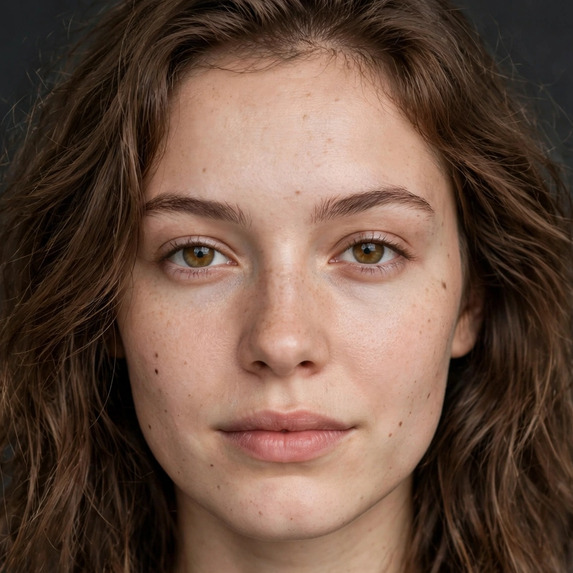
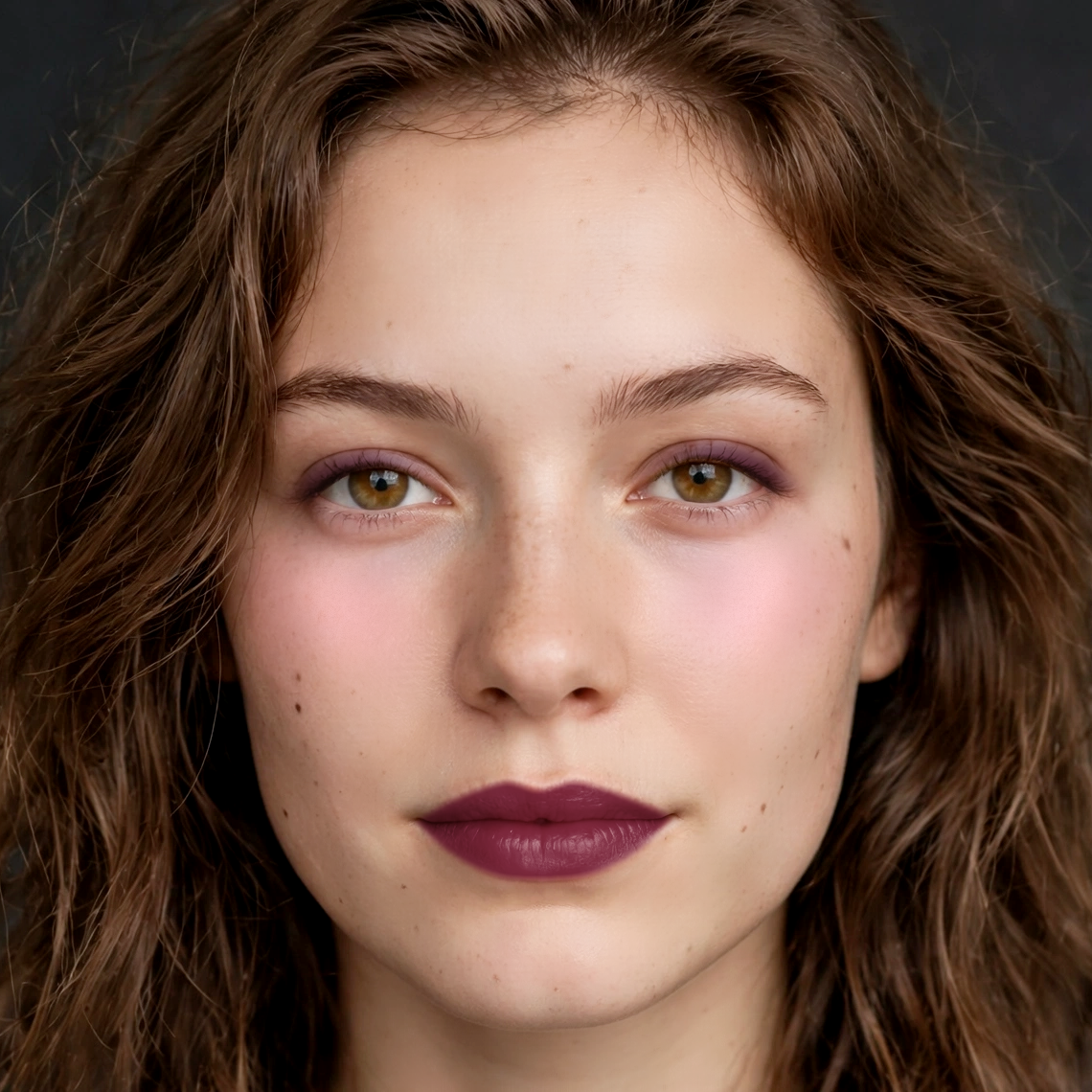
Original selfie — the input for Skin AI tone analysis and the spin.
-
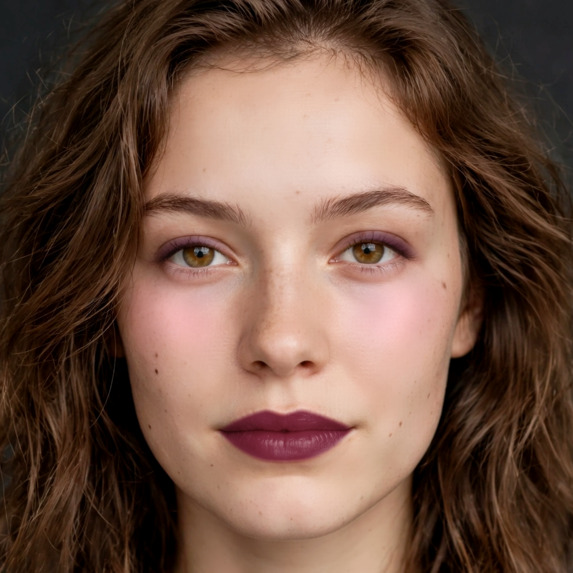
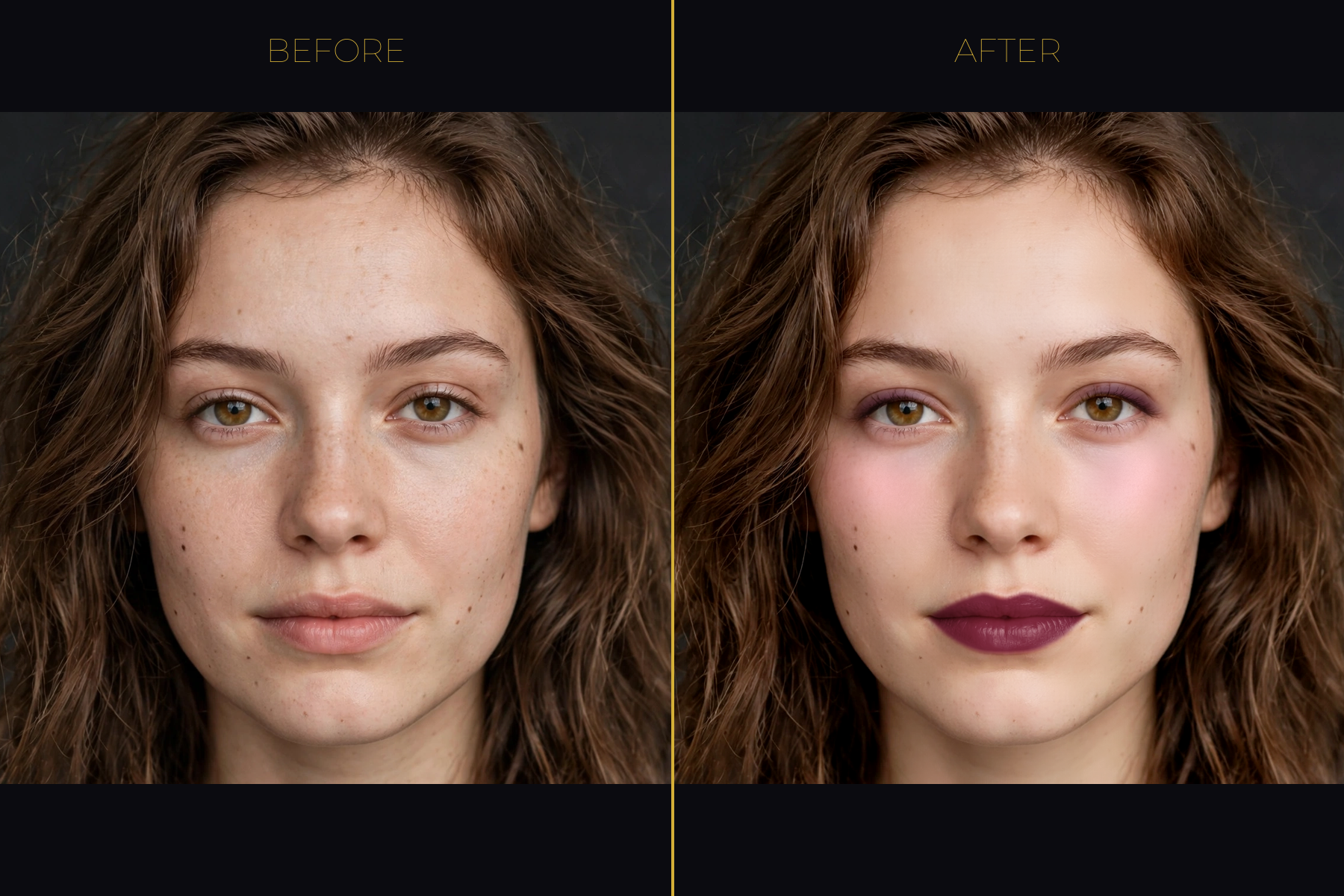
Live spin result — Berry Bonanza look rendered by YouCam Makeup VTO (berry lip #7A2340, blush #C06A85, satin, intensity 85).
-
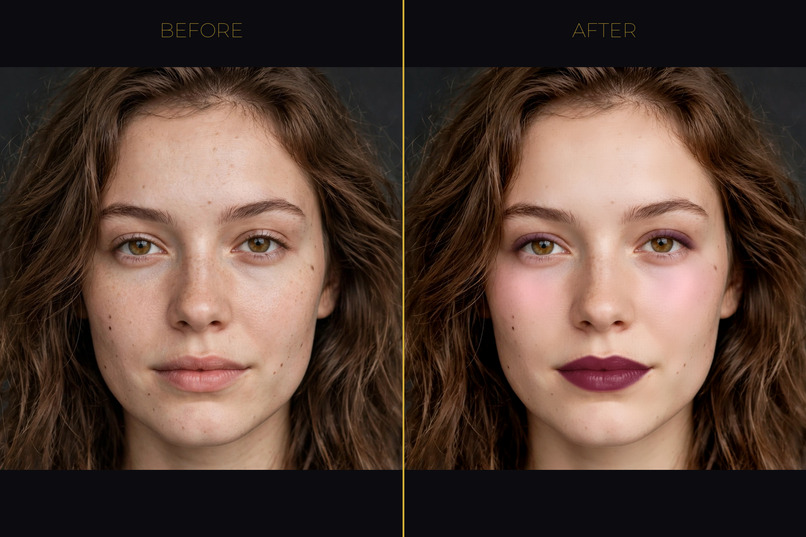
Before vs. after — one SPIN, one real AI-rendered makeup look.
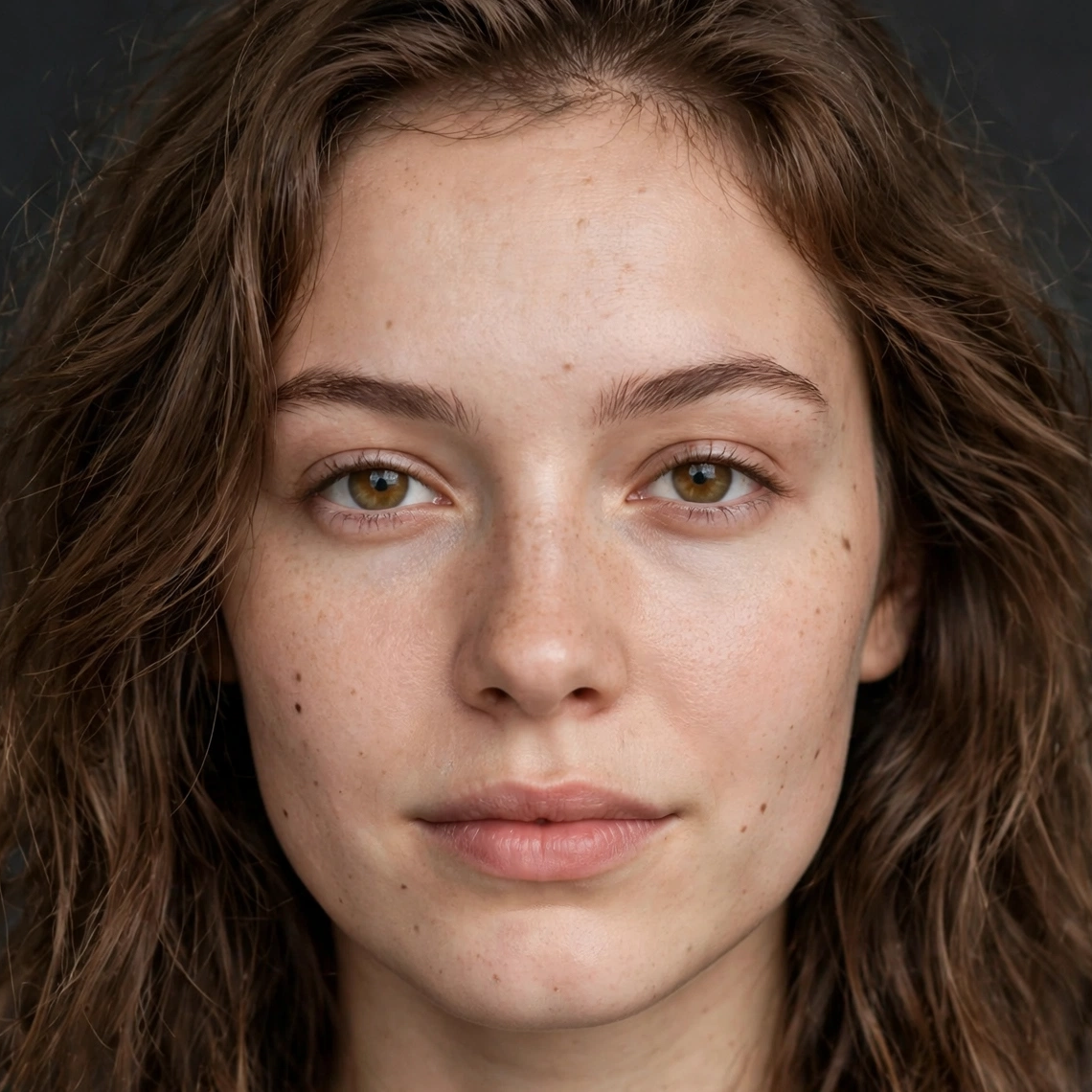
Inspiration
Beauty shopping has a decision problem: endless shade swatches, no clear answer to what suits your face. We built the opposite of a clinical shade-matching utility — a game you cannot put down, where your face becomes the slot machine and every spin renders a real makeup look on your selfie.
What it does
- Upload a selfie → YouCam Skin AI analyzes skin tone, undertone, and skin values (presented as a "Skin Analysis Report"; informational only, no medical claims).
- A palette generator selects hue families harmonized to your undertone.
- Press SPIN → YouCam Makeup VTO renders the look on your face (arbitrary hex shades with matte/satin/shimmer/metallic/gloss textures). Occasional 1-in-8 jackpot spins use Look VTO for a complete curated look.
- Swipe like/dislike → an SQLite taste profile makes each spin visibly smarter; Style IQ climbs on screen — the self-learning styling assistant requested by the brief.
- Shop This Look → mock cart checkout.
How we built it
- YouCam APIs: Skin Analysis (
/s2s/v2.0/task/skin-analysis), Makeup VTO (/s2s/v2.0/task/makeup-vto), Look VTO (/s2s/v2.0/task/look-vto) — asynchronous task endpoints with status polling. Skin AI outputs (ui_score/raw_score, heatmaps, skin_age) drive palette generation; the APIs compose rather than sit side by side. - Backend: FastAPI with
/spin,/swipe,/looks,/cart, and/health. - Frontend: Streamlit casino-glam interface with a three-second spin-and-reveal hook.
- Learning loop: deterministic undertone-to-hue-family generator plus SQLite taste tables; every swipe re-weights future palettes.
- Demo: 101-second cinematic video constructed from genuine API renders.
Challenges we ran into
- YouCam calls consume real API units (Skin Analysis = 9, Makeup VTO = 1), so we built a deterministic simulated mode for practice runs and reserved live calls for the demo.
- Skin Analysis requires the face to occupy more than 60% of image width; we corrected the demo portrait framing to satisfy this constraint.
- The test browser blocked localhost, so demo frames were rendered using the application's own UI code.
Accomplishments that we're proud of
- A judge can feel the product in three seconds: selfie → spin → transformed face, rendered by real APIs.
- The learning loop is visible on screen as Style IQ increases — a live demonstration of the requested self-learning styling assistant.
- The 101-second demo shows the complete loop with genuine YouCam renders; no mockups.
What we learned
- Measured skin data outperforms guessed shades: feeding Skin AI output into palette generation makes virtual try-on feel personal rather than generic.
- In hackathons, a three-second emotional hook outperforms a three-minute feature list.
What's next for Look Roulette
- Deploy a public Streamlit link so judges can spin their own selfies.
- Expand palettes with hair and hair-color VTO; add verified-look sharing for friends.
- Integrate a real e-commerce cart from shop-the-look to checkout.


Log in or sign up for Devpost to join the conversation.