Inspiration
In the U.S., the average cost of seeing an esthetician for a 15-minute consultation alone is between $100–$300. For many people, especially students and everyday working people, this is expensive. Even after paying that amount, most recommendations are still based mainly on observation and experience rather than deep analysis. Because of this, many people, including myself, often resort to self-consultation and trying to figure out skincare on our own. And even for those who can afford it, when was the last time they actually thought about booking an esthetician appointment? Personally, I realized that skincare is something many people care about but don't always have the time or resources to prioritize. Most people are not thinking about booking esthetician appointments regularly unless they are facing a major acne problem or a severe skin issue. And even then, they are more likely to visit a dermatologist instead. That was the inspiration behind our project: building something for the everyday person. The person who cannot always afford professional skincare consultations, who may not have the time, or who simply wants guidance in their simple daily skincare routine without spending hundreds of dollars. We are all that person.
What it does
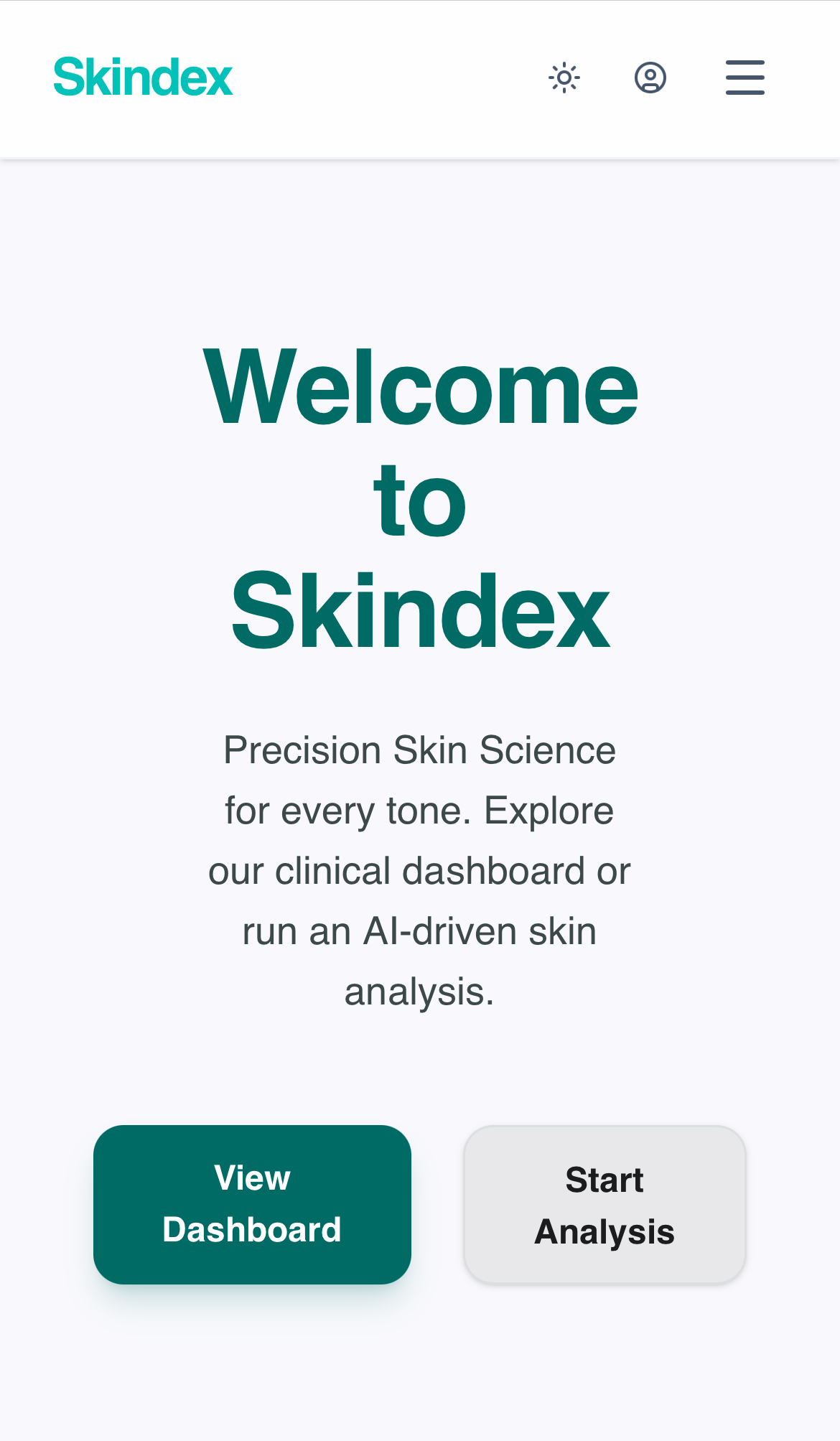
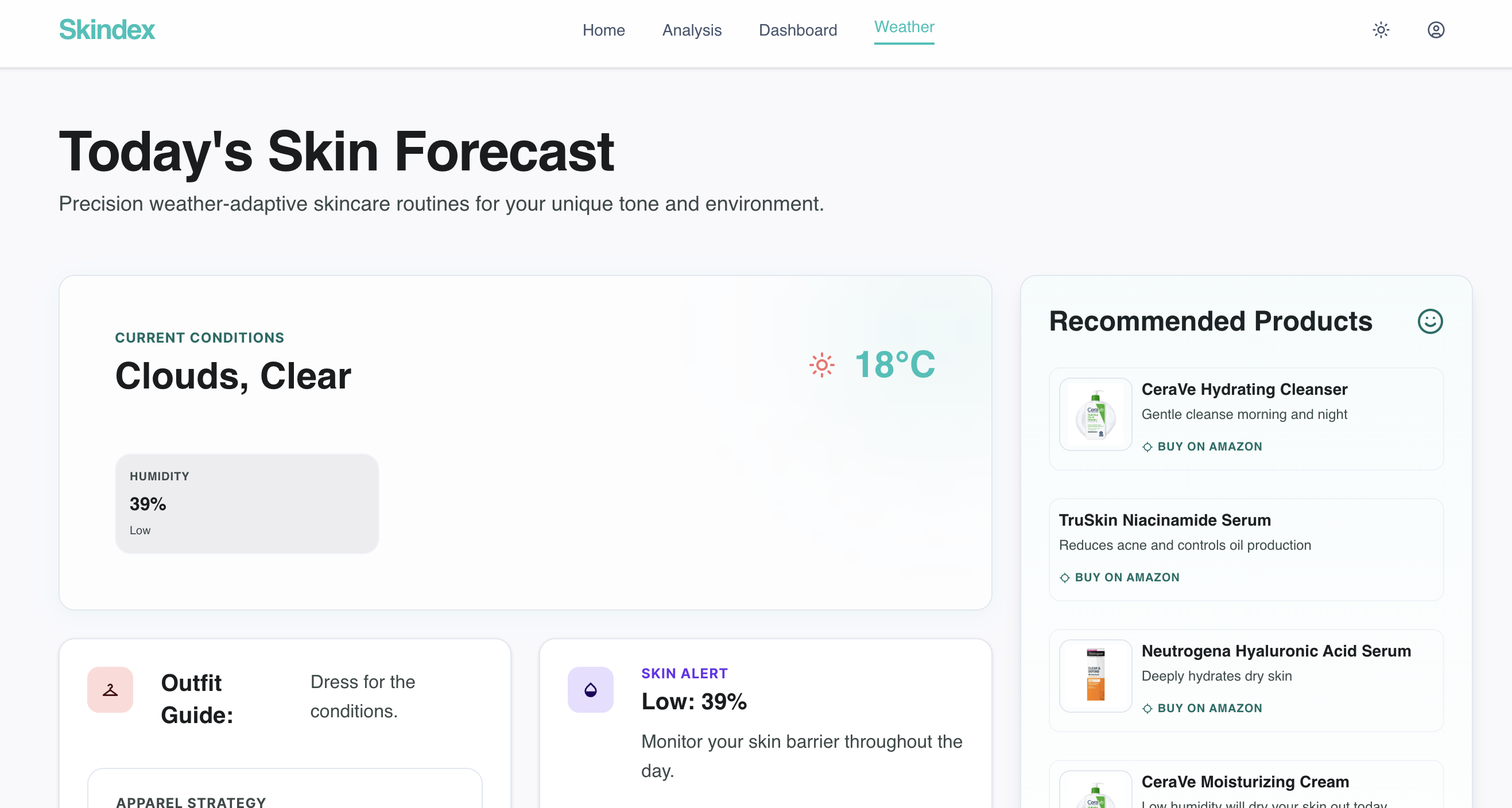
Skindex is an AI-powered skincare and lifestyle assistant that scans the user’s face or allows users to upload a close up picture, detects major skin concerns, and generates personalized recommendations and routines. To make the process seamless, we included direct links to purchase products, making it easy for users to immediately purchase what they need in one place. It is inclusive of black persons, as most skin AI finds it hard to differentiate dark spots on black skin. Using the Perfect Corp API, we explored different analysis units and narrowed our focus to the issues people actually worry about daily: Acne Moisture levels Oiliness Pore Beyond owning the products, we also want to help people utilize them well, as some products alternate depending on skin condition, weather, or time of day. So we built a smart recommendation system that helps users understand: What products to use today What products to combine, when to skip certain steps, and how to adjust routines depending on weather conditions. We also integrated weather intelligence into the app because the skin is beyond the face. For example: If the UV index is high, Skinex pushes SPF higher in the routine. If rain is expected, it recommends waterproof makeup. If the weather changes drastically throughout the day, it suggests clothing layers and skincare adjustments. Every single person has had that experience of dressing for cold weather only for the afternoon to become extremely hot. We wanted the app to feel connected to real, everyday experiences like that.
How we built it
We used the Perfect Corp API as the foundation of the project because it gave us flexibility in selecting and analyzing different skin-related units and features. After experimenting with multiple possibilities, we narrowed our focus to the concerns people deal with most frequently (4 units). We then layered weather API integration on top of the skincare engine so the app could generate recommendations that adapt dynamically throughout the day. One thing we were extremely intentional about was inclusivity. Many skincare AI systems struggle with darker skin tones because they are often trained primarily on lighter skin datasets. Hyperpigmentation and dark spots on Black skin, for example, are frequently missed due to lower contrast and poor representation in training data. Finally, we built a dashboard experience that brings everything together in one place: skin analysis, personalized routines, skincare recommendations, weather-aware suggestions, and daily clothing guidance. The front end was built using Next.js, react hooks, browser camera apis and Mediapipe Face detection for live face tracking. It continuously analyzed video frames from the web cam, validates face position and stability the automatically captures a high quality image ( image quality depends on the web cam being used) before sending them to a backend AI analysis API. It also have a upload section with drag and drop feature where you can a picture of your face for analyzing
Challenges we ran into
One challenge was deciding which skin metrics to include for now. Another difficult part was connecting weather conditions to practical skincare recommendations in a way that felt useful and realistic. The biggest challenge, however, was improving detection for darker skin tones and hyperpigmentation, since many existing AI systems are not trained well on Black skin. In the frontend, it was handling the MediaPipe’s WASM lifecycle safely, processing caused race conditions and runtime abort errors that required careful resource management.
Accomplishments that we're proud of
We are proud that Skindex goes beyond basic skincare recommendations by combining: skin analysis, weather intelligence, routine scheduling, outfit recommendations, and direct retail integration. We are especially proud that inclusivity was treated as a core design requirement rather than an afterthought. Most importantly, we built something that solves a real everyday problem and makes skincare guidance more accessible. The result is a responsive AI powered experience with auto capture, real time face guidance, optimized camera handling and client side error handling
What we learned
We learned that skincare is best when it combinest convenience, representation, personalization and access. We also learned how important inclusive AI design is, especially in spaces where certain groups are often overlooked by existing technology. Most importantly,we improved our technical skills and its application in new fields.
What's next for Skindex
Our next goal is to continue improving the accuracy of the skin analysis system.. We also want to expand personalization by allowing users to track long-term skin progress over time and better understand how lifestyle, weather, stress, and products affect their skin health. In the future, we hope to integrate dermatologist-backed insights, smarter product compatibility checks, and more advanced routine optimization.
Built With
- api
- fastapi
- javascript
- perfectcorp
- perfectcorpapi
- python
- railway
- vercel
- weatherapi

Log in or sign up for Devpost to join the conversation.