-
-
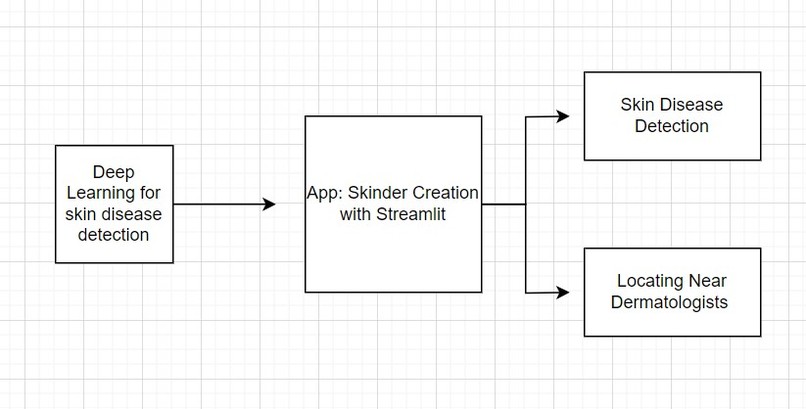
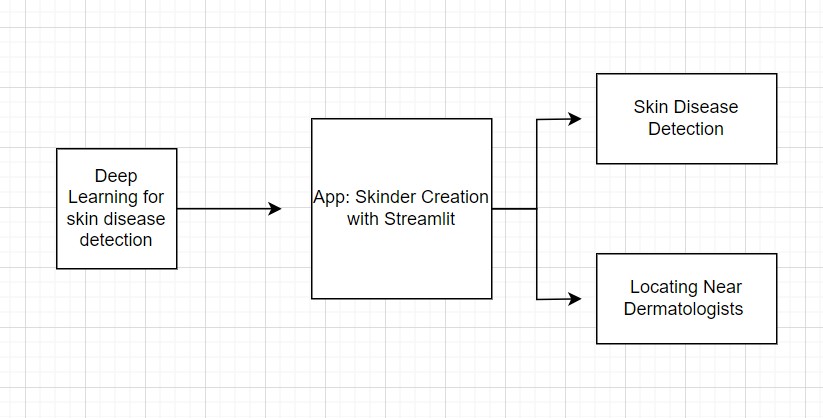
Conceptual Design
-
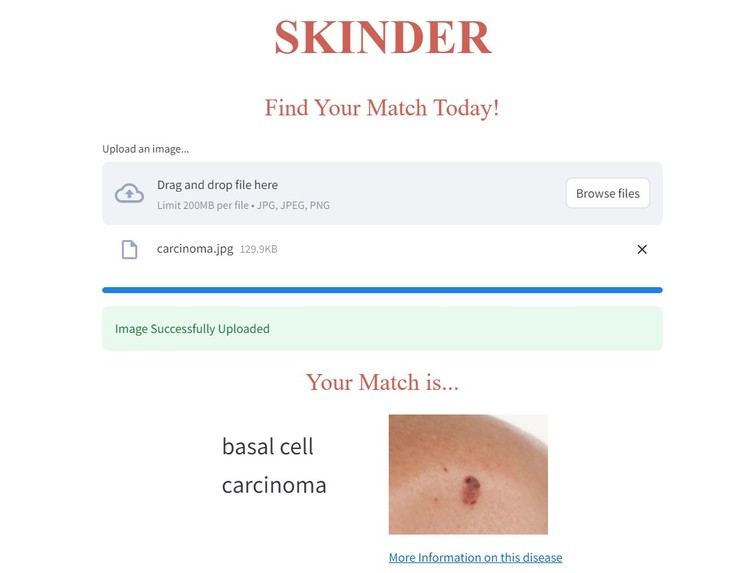
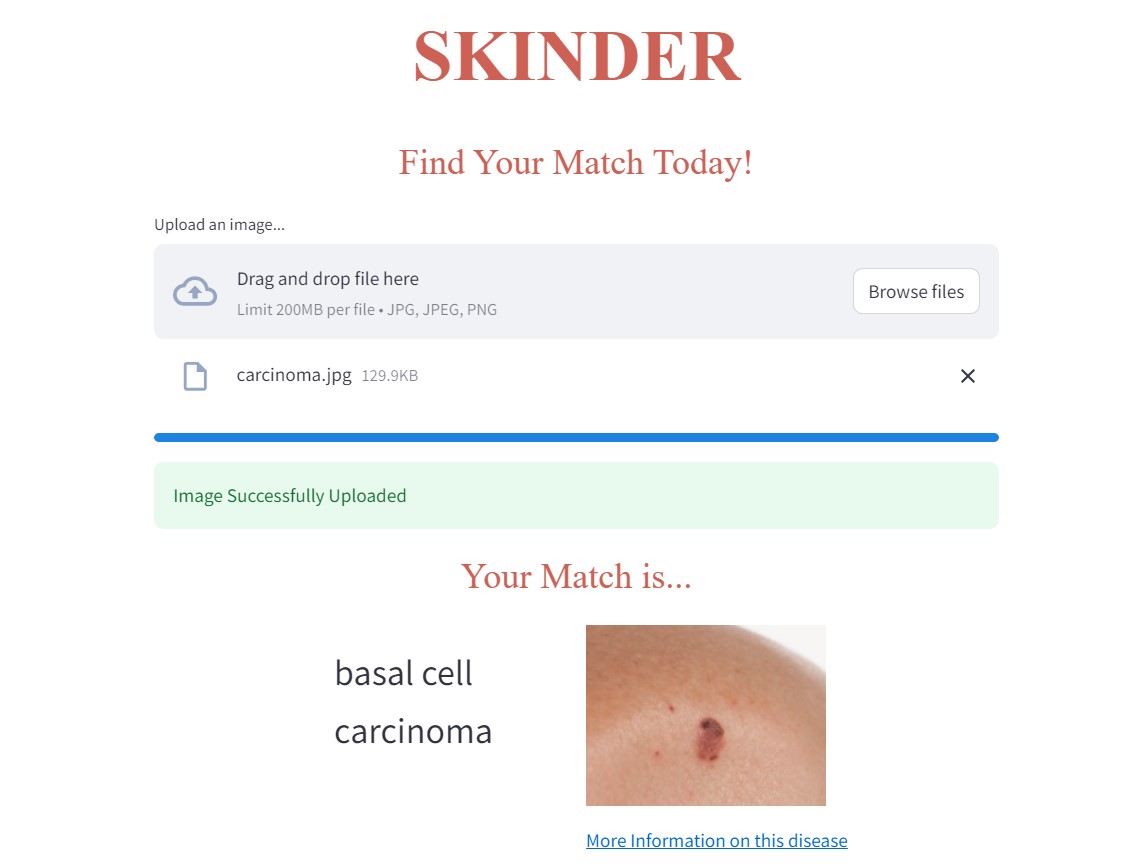
Skinder: Home
-
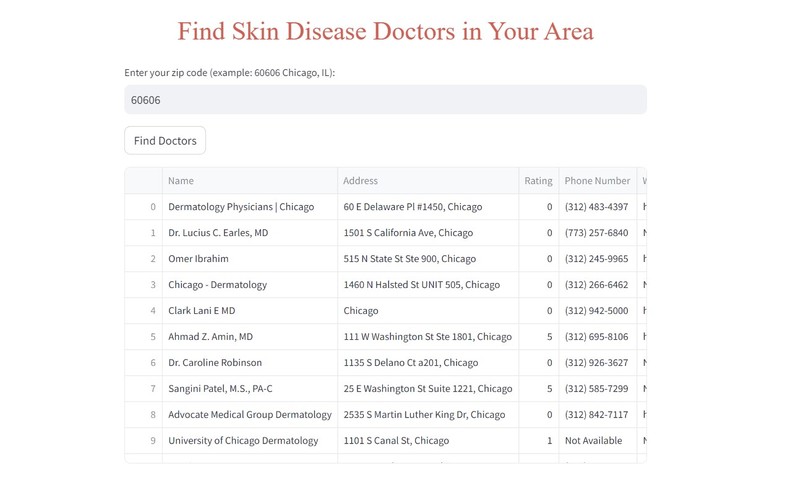
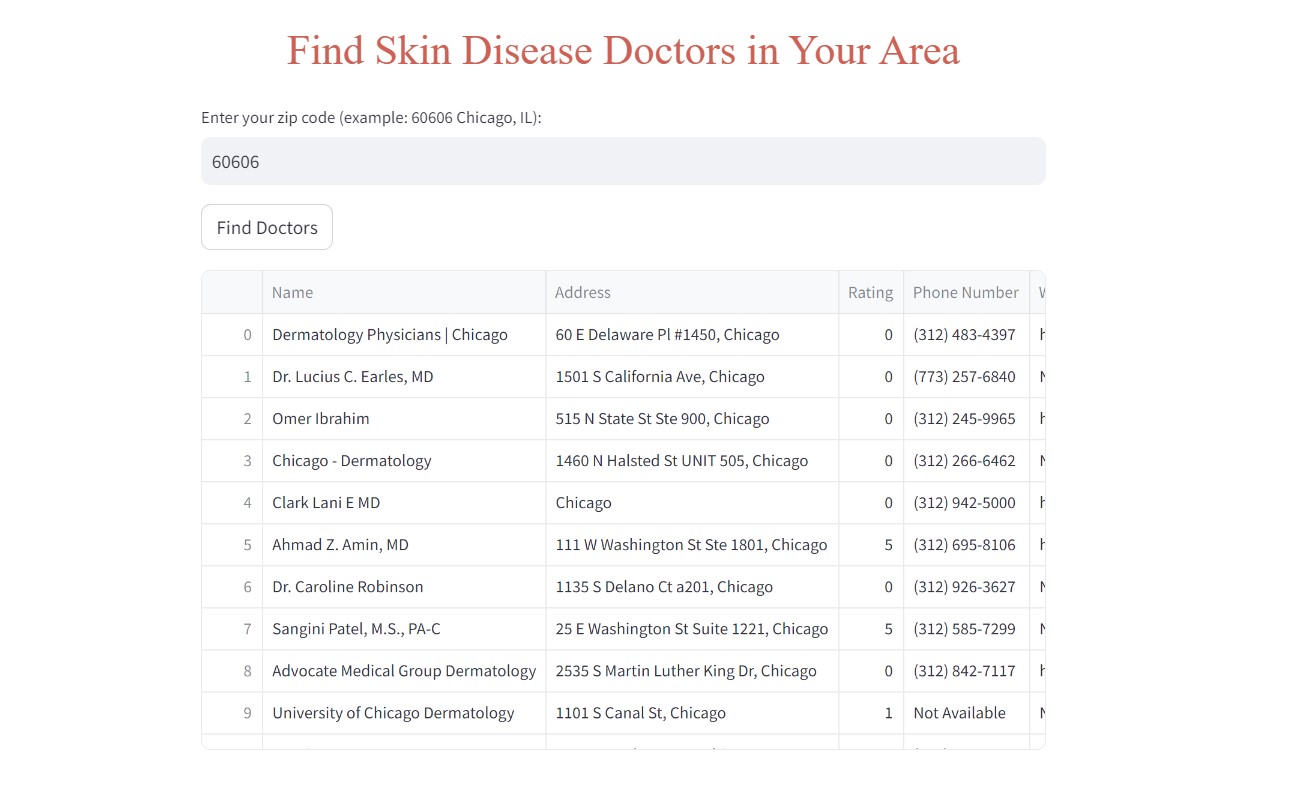
Skinder: Find Specialized Doctors
-
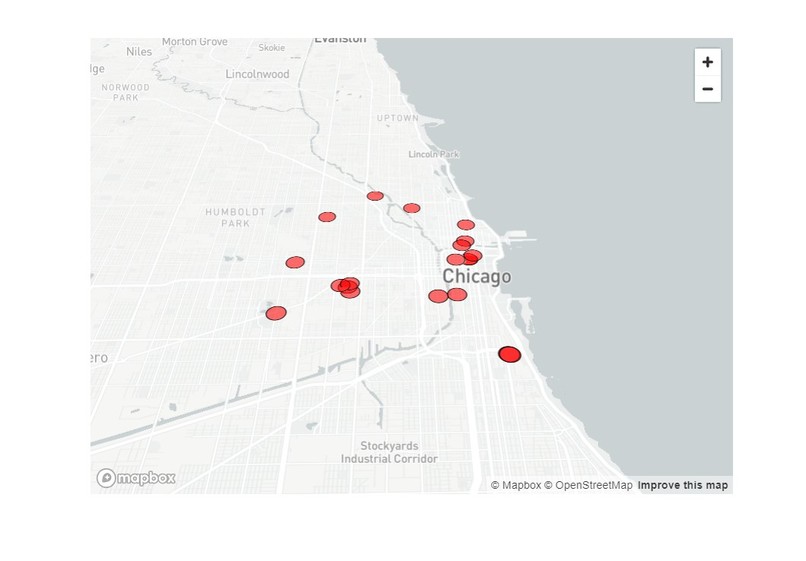
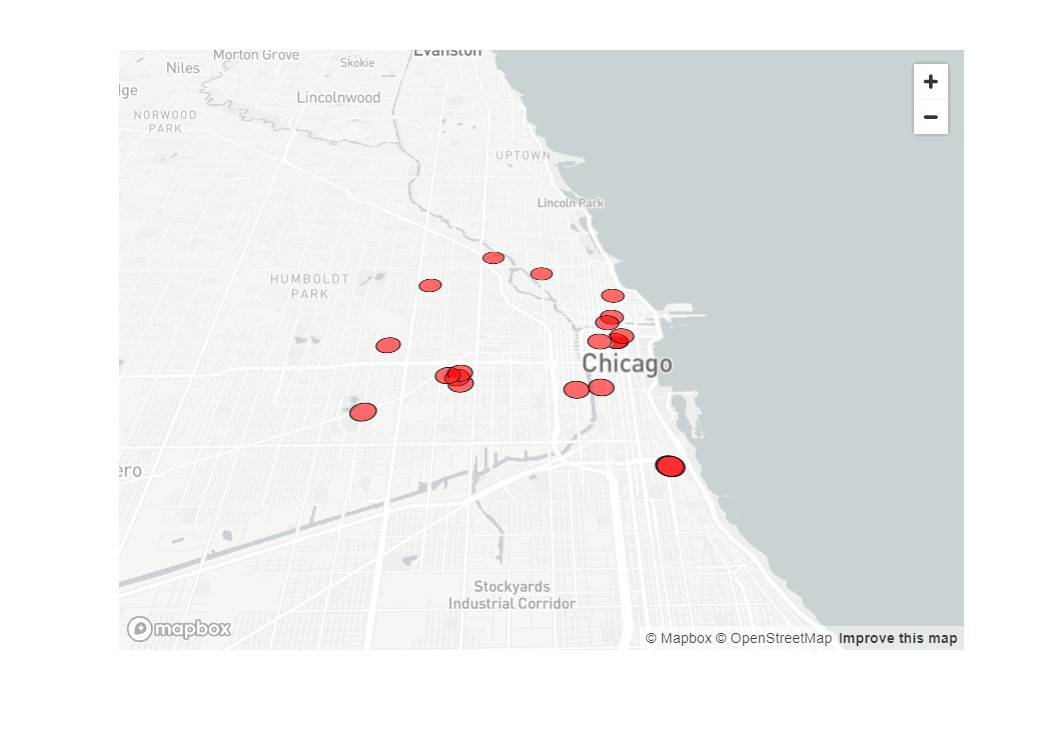
Skinder: Location of Doctors
Inspiration
In rural Kansas, healthcare challenges are pronounced and must be addressed. Technology can help overcome issues related to healthcare service availability. Residents often struggle with limited access to medical services and face the burden of traveling long distances. To mitigate these issues, we recognized the necessity of developing an AI-powered mobile application to assist those in need. This app is designed to provide medical assistance for skin diseases by allowing users to upload pictures. It identifies potential diseases from these images and includes a feature to locate dermatologists.
What it does
Our innovative app blends the functionality of skin disease detection with the matchmaking ease of Tinder. Users simply upload a photo of their skin ailment, and the app intelligently predicts the possible skin condition. Simultaneously, it provides the convenience of locating the nearest dermatologist for an expert consultation.
How we built it
We utilized a dataset containing "10,015 dermatoscopic images suitable for academic machine learning research. This dataset comprises a comprehensive array of diagnostic categories within pigmented lesions, including Actinic keratoses and intraepithelial carcinoma / Bowen's disease (akiec), basal cell carcinoma (bcc), benign keratosis-like lesions (bkl), dermatofibroma (df), melanoma (mel), melanocytic nevi (nv), and vascular lesions (vasc)." We trained our machine learning model to predict skin diseases using the Streamlit and Pydeck packages after rigorous testing and data analysis.
Challenges we ran into
A challenge we ran into was learning Tensorflow for building deep learning models for image mining.
Accomplishments that we're proud of
We take great pride in our application's ability to deploy a highly accurate deep learning model for skin disease detection and to provide location-based healthcare provider information to patients.
What we learned
As high school students, every aspect of this project was a novel learning experience. Starting with intermediate-level Python skills, we collaborated to successfully deploy a deep learning model. Our project integrates HTML & CSS, Python, and Data Science, utilizing the unique skills of each team member.
What's next for Skinder: App for Skin Disease Patients
Looking ahead, we aim to expand the app to cover additional diseases through image analysis, aspiring to become a long-term solution for remote diagnosis in rural areas.
Built With
- css
- google-locationapi
- html
- keras
- pydeck
- python
- scikit-learn
- streamlit
- tensorflow

Log in or sign up for Devpost to join the conversation.