-
-
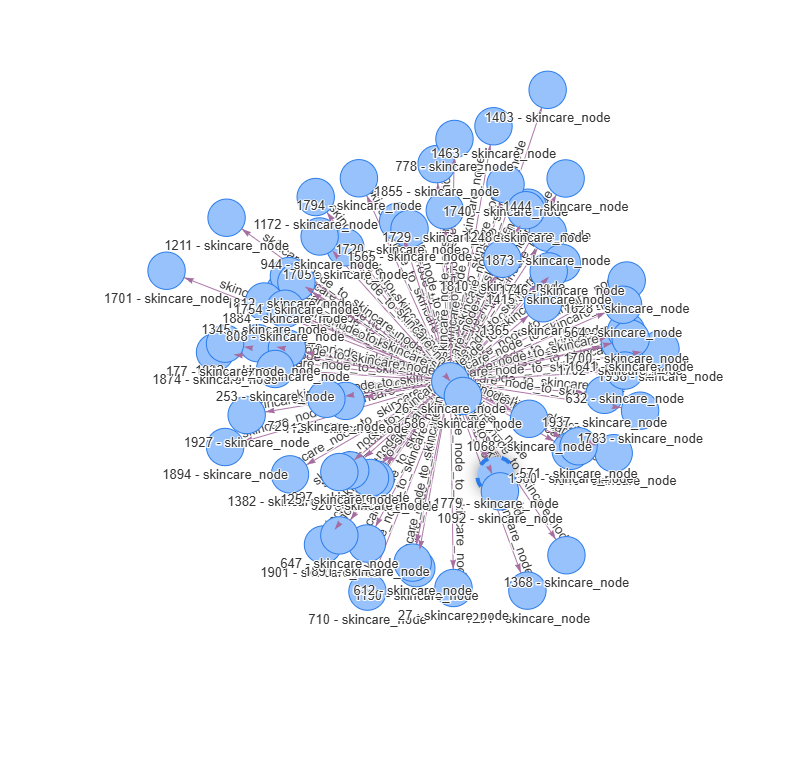
node_graph
-
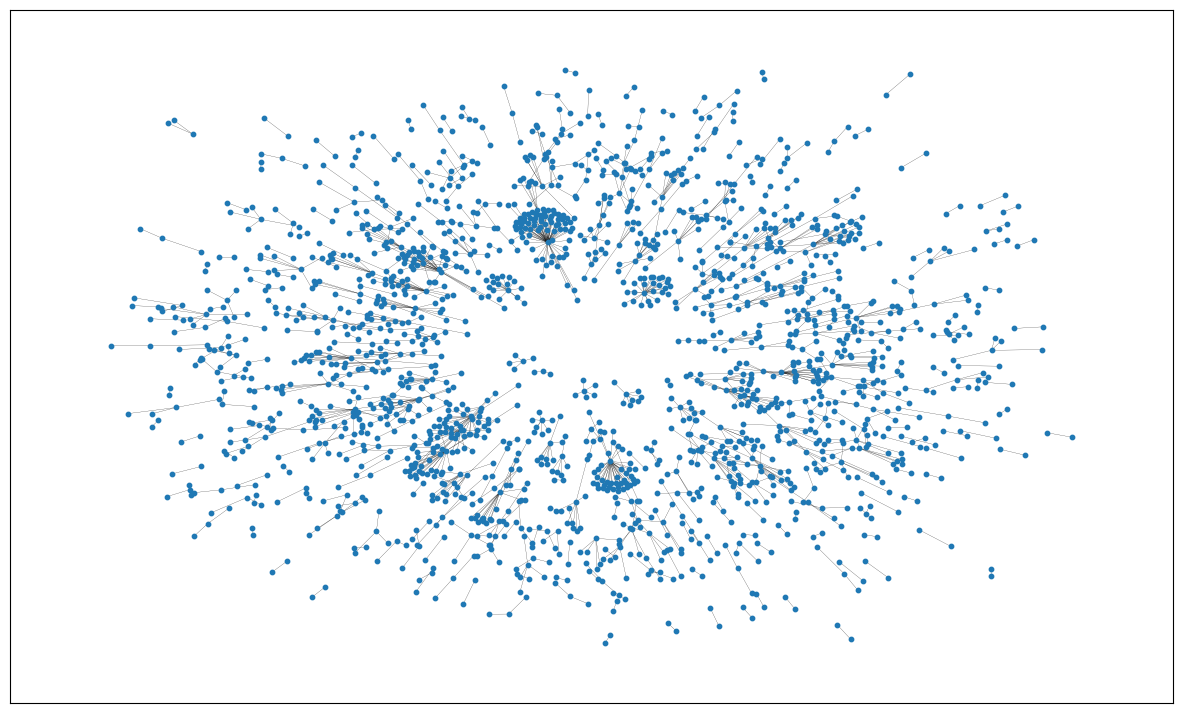
node_graph
-
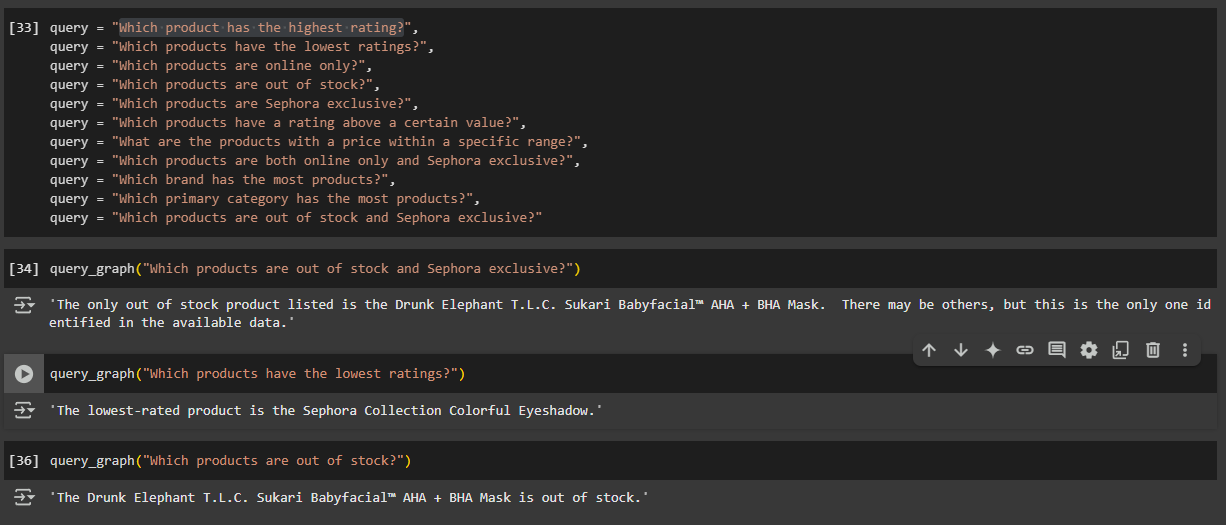
queries
-
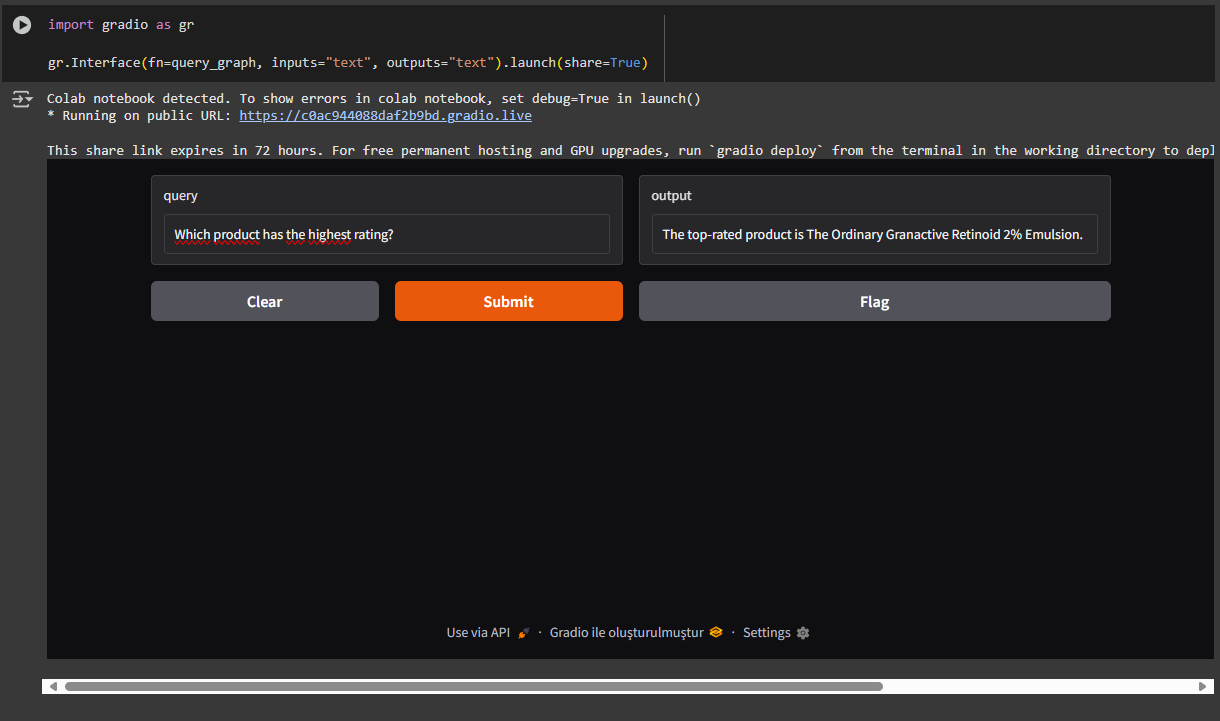
query interface
-
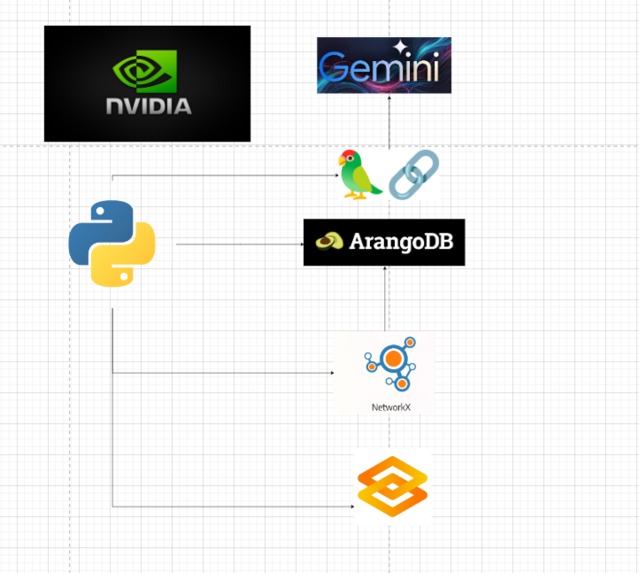
schema
Hellora-Product-Assistant-HPA
AI Agent
Inspiration
The inspiration behind this project stems from the growing complexity of managing and analyzing vast product catalogs in the retail and cosmetics industries. Brands and businesses often struggle to extract meaningful insights from thousands of customer reviews, product ratings, and feedback. Traditional methods of data analysis are time-consuming and inefficient, leading to missed opportunities for strategic decision-making and product development. We envisioned a solution that leverages cutting-edge technologies like graph databases, GPU-accelerated analytics, and natural language processing (NLP) to transform this process. By combining these technologies, we aimed to create a tool that not only simplifies data analysis but also empowers businesses to make smarter, faster decisions.
What It Does
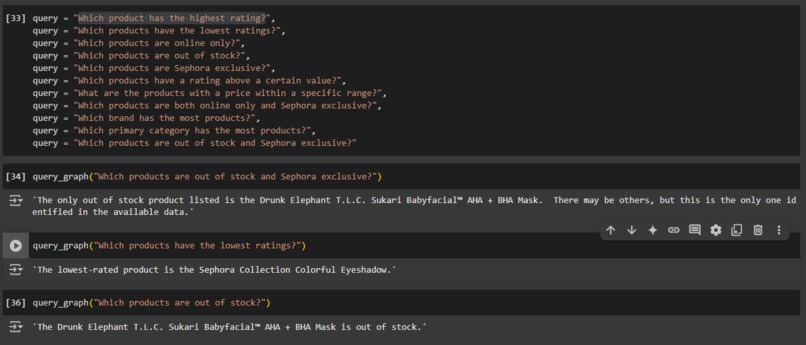
The Hellora Product Assistant (HPA) is an advanced AI-powered analytics platform designed to help businesses unlock the full potential of their product data. It allows users to ask complex questions in plain language, such as:
- "Which products have the highest customer satisfaction for dry skin?"
- "What are the most common complaints about our top-selling moisturizers?"
- "Which ingredients are trending in positive reviews?"
The platform processes these queries using graph-based analytics and GPU-accelerated algorithms, delivering actionable insights in seconds. It also provides interactive visualizations and personalized recommendations, enabling businesses to optimize their product strategies and improve customer satisfaction.
How We Built It
Data Preparation:
- We started by cleaning and organizing the dataset, which included product names, brands, prices, ratings, ingredients, and customer reviews.
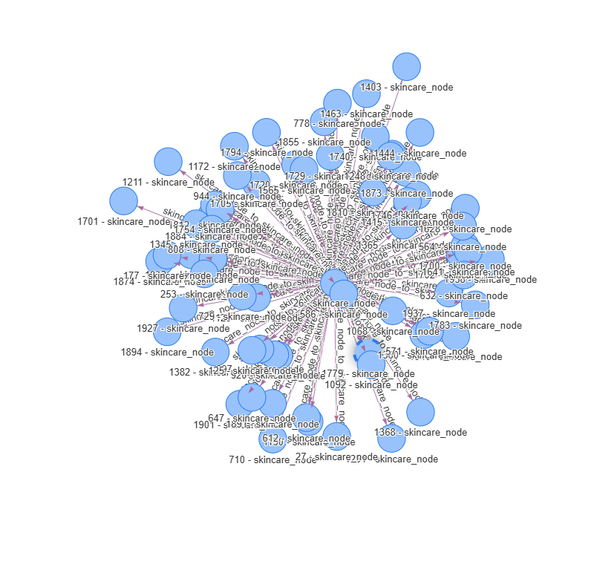
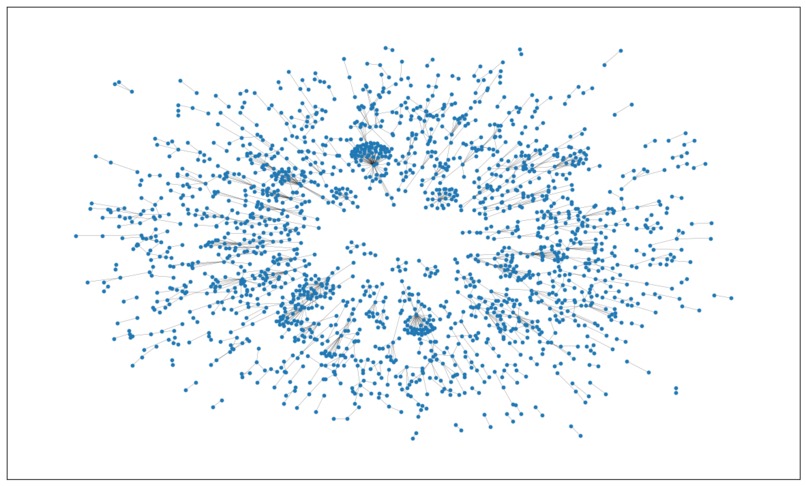
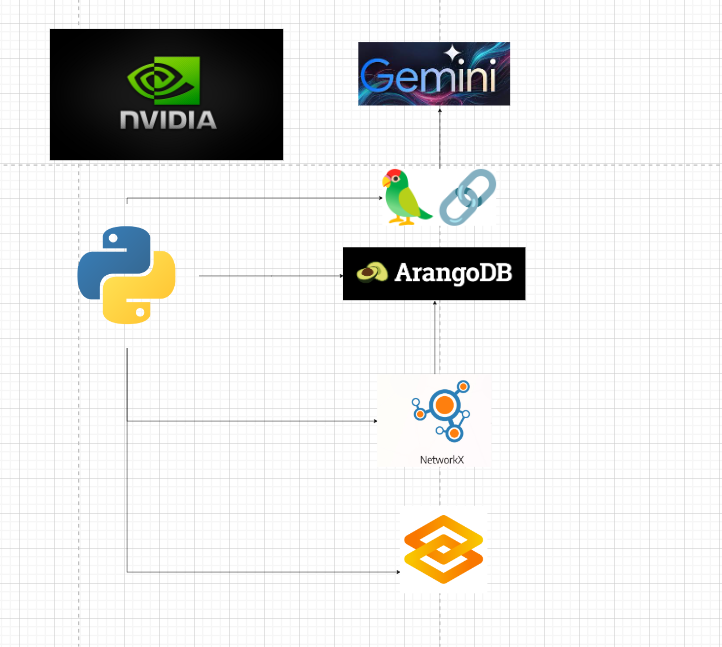
- The data was transformed into a graph structure using NetworkX and stored in ArangoDB for efficient querying.
Natural Language Query Processing:
- We used LangChain and Google Gemini API to process natural language queries and generate meaningful responses.
Graph-Based Analytics:
- For simple queries, we used ArangoDB AQL to fetch data directly from the graph database.
- For complex analyses, we leveraged NVIDIA cuGraph for GPU-accelerated graph analytics.
User Interface:
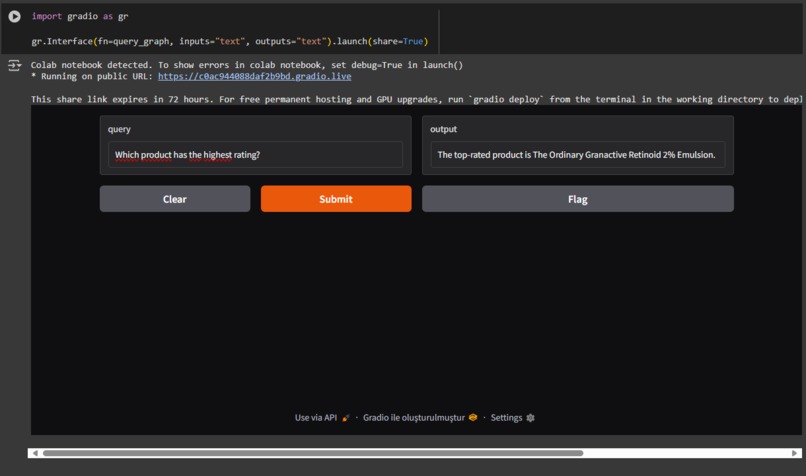
- We built an intuitive and interactive interface using Gradio, making the platform accessible to users without technical expertise.
Challenges We Ran Into
- Data Preparation: Finding and cleaning a comprehensive dataset was one of the most time-consuming parts of the project. The data we initially found was often incomplete or unstructured, requiring significant effort to prepare.
- Technology Integration: Combining multiple technologies, such as ArangoDB, NVIDIA cuGraph, and Google Gemini API, required careful planning and troubleshooting.
- Query Accuracy: Ensuring that the platform could accurately interpret and respond to a wide range of natural language queries was a complex task.
Accomplishments That We're Proud Of
- Successful Integration of Advanced Technologies: We combined graph databases, GPU-accelerated analytics, and AI-powered NLP to create a robust and efficient platform.
- Natural Language Query Capability: Users can ask complex questions in plain language and receive accurate, data-driven answers in seconds.
- Graph-Based Insights: We transformed raw product data into a graph structure, uncovering hidden relationships and trends.
- User-Friendly Interface: The Gradio interface makes the platform accessible to users without technical expertise.
- Scalable Solution: The platform is designed to handle large datasets, ensuring it can grow with the needs of businesses.
What We Learned
- The Importance of Data Preparation: Clean, well-structured data is the foundation of any successful analytics project.
- The Power of Graph Analytics: Graph-based approaches provide insights that traditional methods cannot match.
- The Value of AI and NLP: Integrating AI and NLP makes analytics tools more accessible and user-friendly.
- Training Our Agent with Different Libraries: We learned how to optimize our agent's performance using tools like NetworkX, Pandas, and Matplotlib.
- Collaboration is Key: Combining multiple technologies requires strong teamwork and problem-solving skills.
What's Next for Hellora Product Assistant (HPA)
- Expand the Dataset: Incorporate more diverse and comprehensive datasets to answer an even wider range of questions.
- Improve Query Accuracy: Refine our natural language processing models to enhance the accuracy and relevance of insights.
- Add Real-Time Analytics: Integrate real-time data streaming capabilities for up-to-the-minute insights.
- Develop a Mobile Application: Create a mobile version of the platform for on-the-go access.
- Explore New Industries: Adapt the platform for use in industries like fashion, electronics, and food and beverage.
This project is not just a tool—it's a transformative solution for businesses seeking to unlock the full potential of their data. By converting complex datasets into actionable, real-time insights, the Hellora Product Assistant (HPA) empowers organizations to make data-driven decisions with precision and speed. Whether it's identifying top-performing products, understanding customer sentiment, or uncovering emerging trends, HPA equips businesses with the tools they need to innovate, optimize, and stay ahead in a competitive market. It’s more than analytics—it’s a strategic advantage that redefines how businesses interact with their data and their customers.


Log in or sign up for Devpost to join the conversation.