-
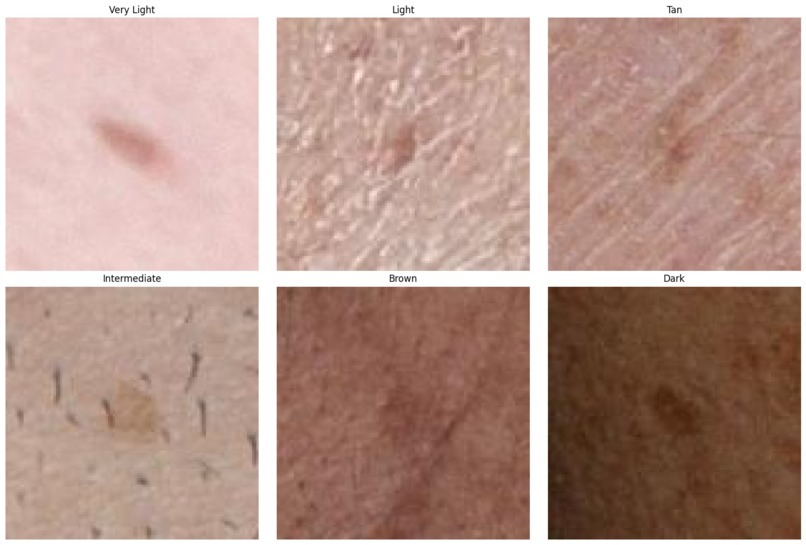
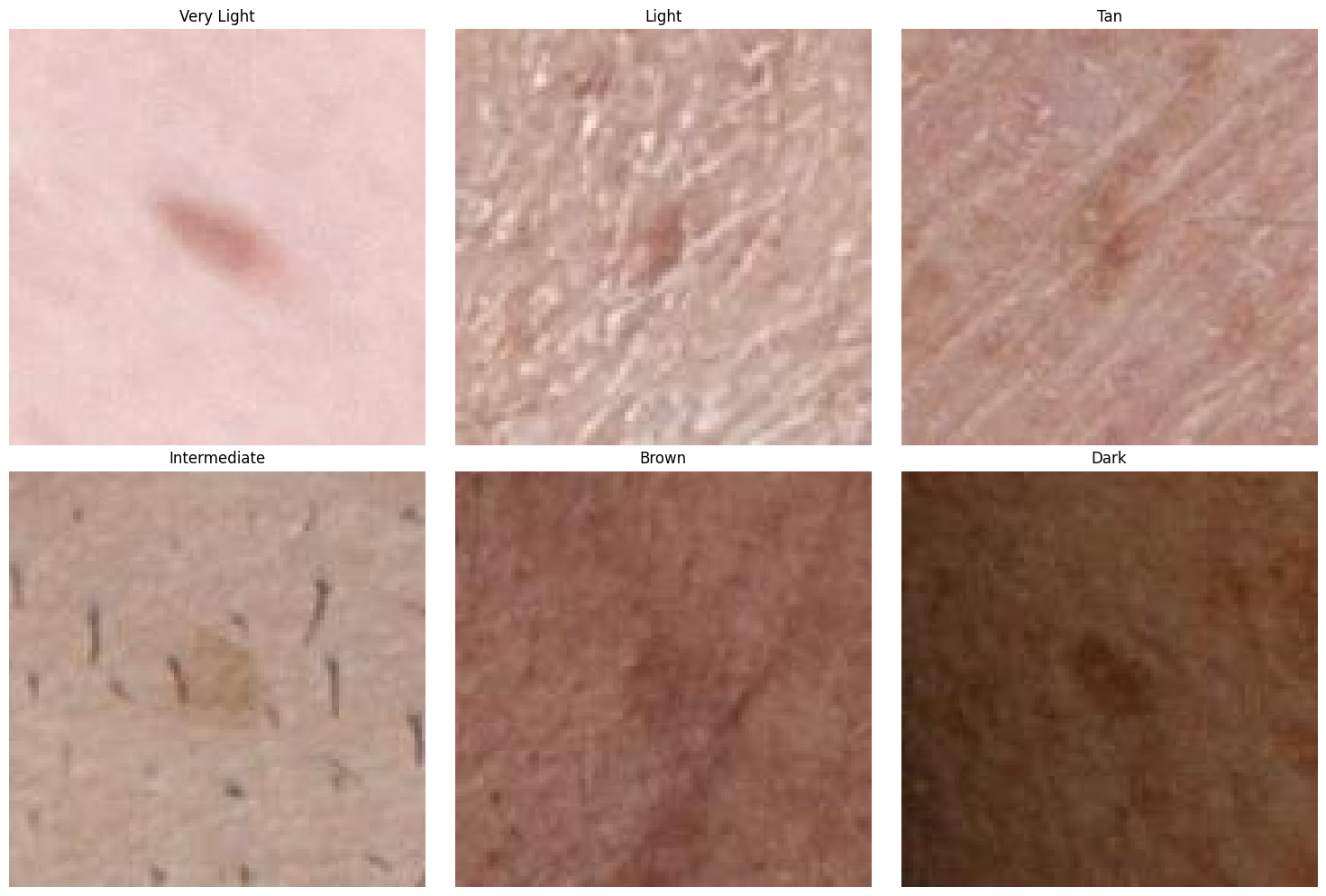
Skin Tone Categories
-
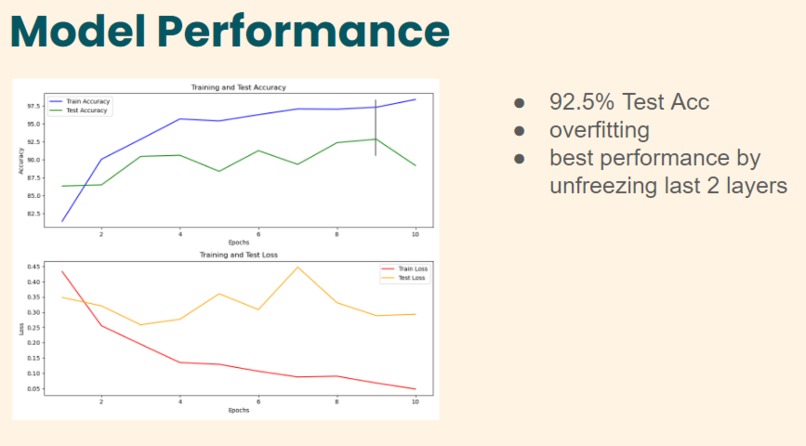
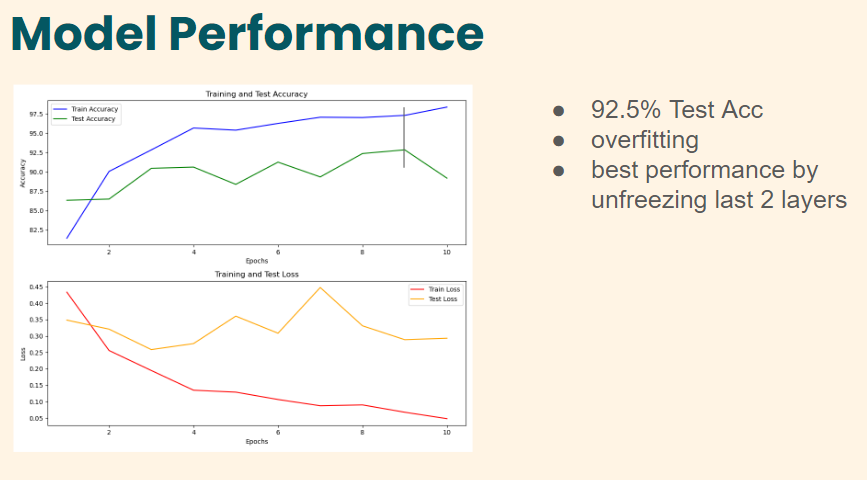
Model Performance
-
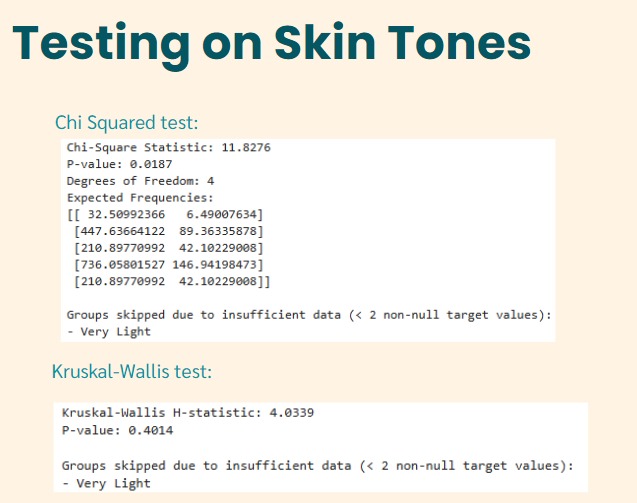
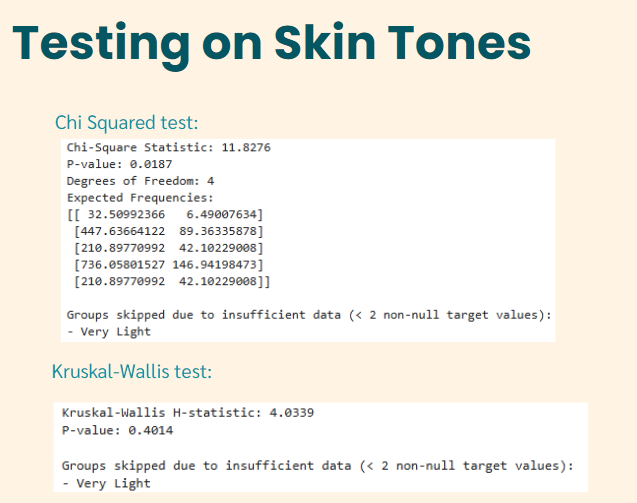
Statistical test on skin tones
-
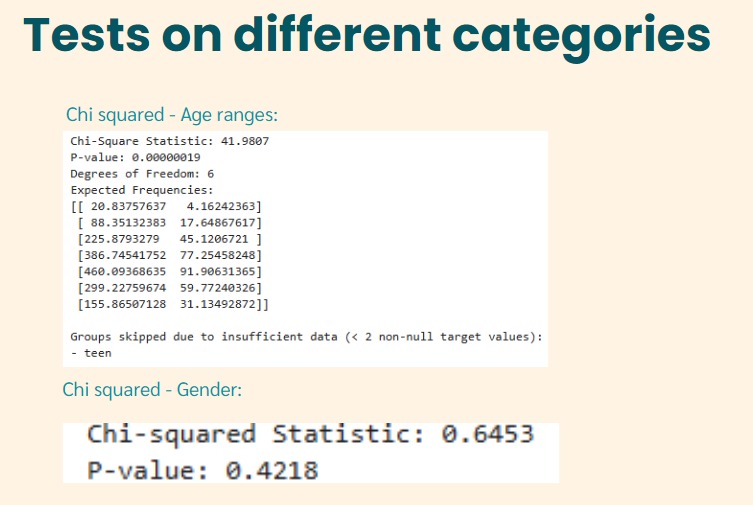
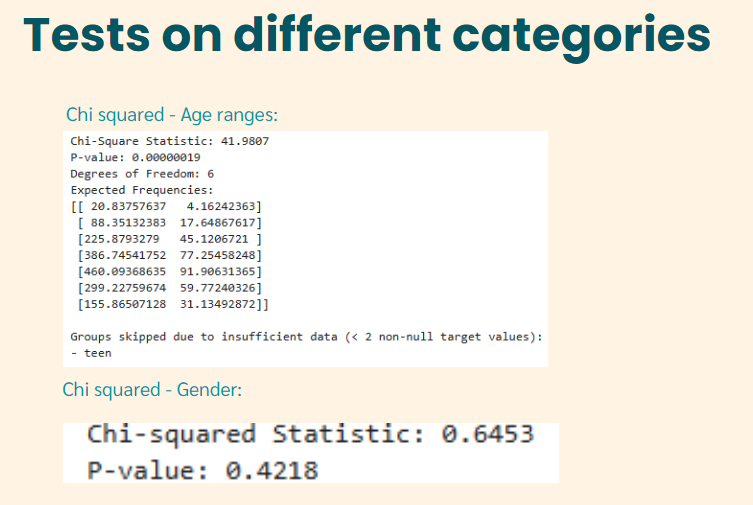
Statistical test on age and gender
Inspiration
Skin imaging databases have historically underrepresented darker skin tones, leading to bias in training accuracy and can have disastrous consequences like misdiagnosing.
What it does
Our project aims to implement a remodel that classifies malignant/benign lesions in the SLICE 3D Skin Lesion Dataset and observing its performance against different skin tones.
How we built it
We chose to implement EfficientNet, a smaller but slightly more advanced model of the industry standard ResNet, for the sake of time. We trained the model on a subsection of the provided dataset, to ensure an even distribution of benign/malignant skin lesions. We ran statistical analysis on the dataset and the model's error rate, to observe the patterns that arose post training.
Challenges we ran into
- Highly uneven class distribution in the dataset
- Underrepresentation of light skin tones
- Model Overfitting ## Accomplishments that we're proud of
- learned data augmentation to address uneven class distribution
- training a model to completion with real world applications and deriving interesting analysis from it ## What we learned
- How to categorize skin tones objectively on a continuous scale using ITA calculations
- There is evidence that our model has inherited racial bias
- The Importance of alleviating underlying biases
- Applied stats analysis for model performance ## What's next for Skin Cancer Detection and Color Bias
- Use weighted random sampling to address uneven skin tone distribution in the training dataset
- Or use weighted loss function to penalize the false classification of the underrepresented dataset
- Explore a different architecture, such as EfficientNetV2, ConvNeXt
- Use a more even dataset based on skin tone
Built With
- jupyter
- python

Log in or sign up for Devpost to join the conversation.