-
-
skinpath1.jpg
-
skinpath2.jpg
Inspiration
Inspiration
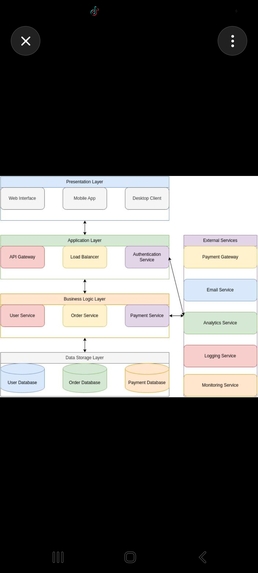
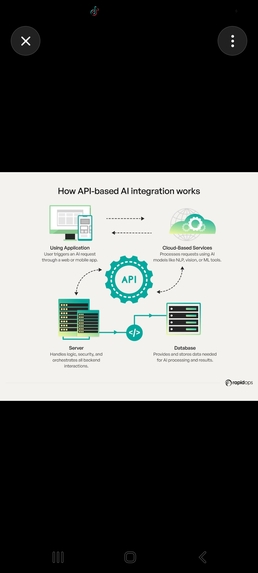
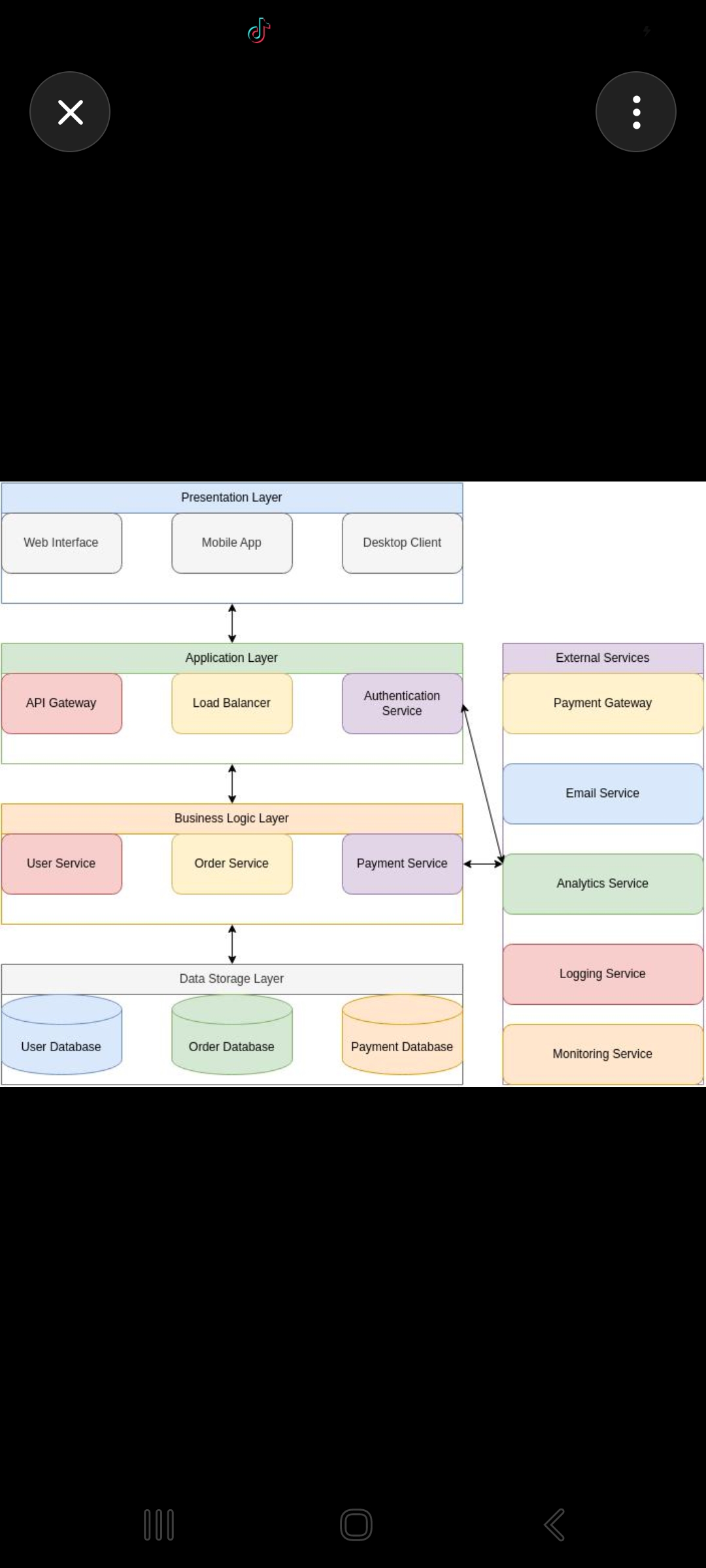
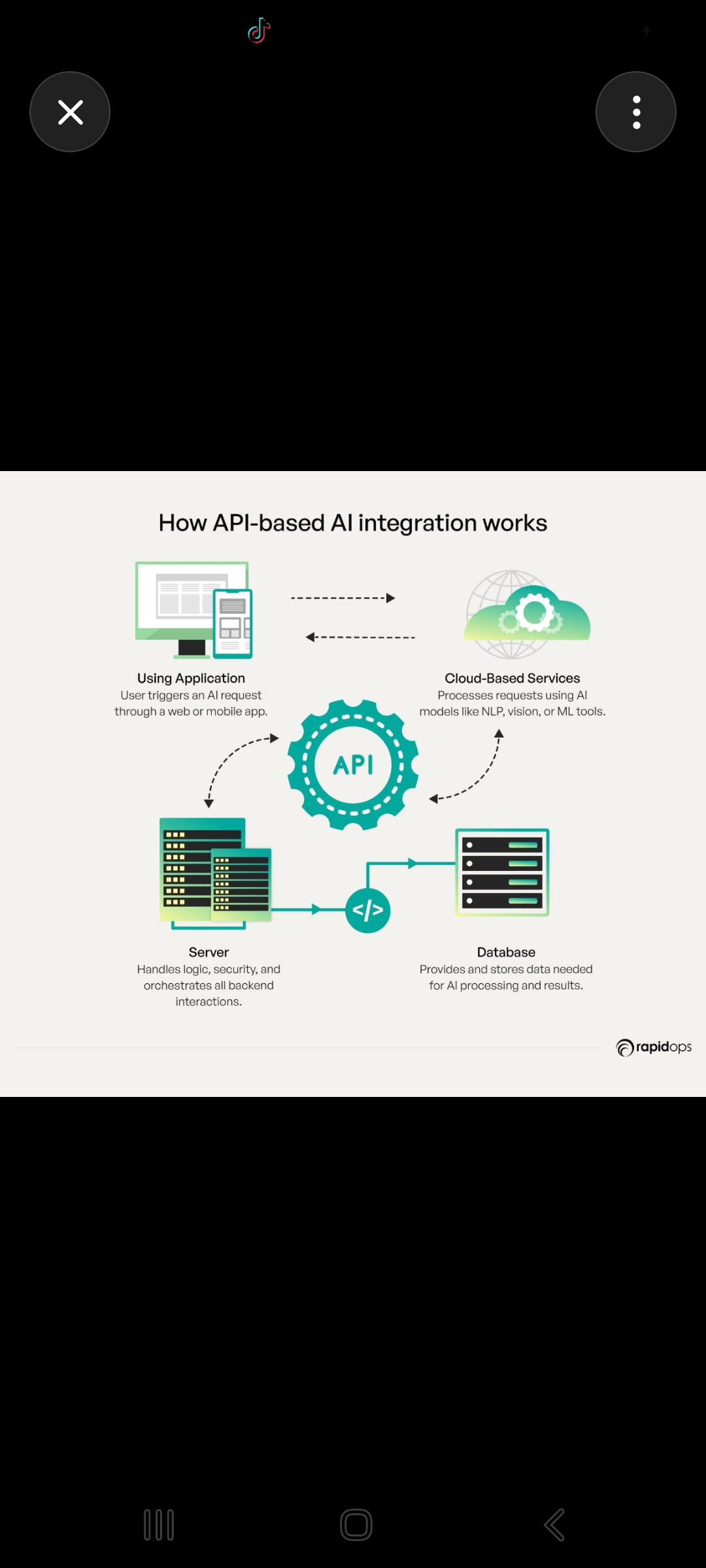
Skincare can be confusing. People often struggle to understand their skin concerns, choose suitable products, and build routines that fit their budgets. Many existing skincare experiences can feel overwhelming, especially for people who do not know where to start. I wanted to create a more accessible, personalized experience that helps people make informed skincare decisions. This inspired me to build SkinPath. What It Does SkinPath is an AI-powered skincare guidance companion that helps users turn their skincare goals into practical next steps. Users can: Select their skincare goals and describe how their skin feels. Share information about skin sensitivity and existing routines. Set a budget to receive more practical recommendations. Upload a skin image for optional AI-powered skin analysis through the YouCam API. Receive personalized skincare guidance and suggested next steps. SkinPath is designed to support informed skincare decisions, not replace professional dermatological advice or diagnose medical conditions. How We Built It We built SkinPath as a lightweight web application using Python and Streamlit. The application is organized into separate components: app.py: Provides the user interface and manages the application workflow. advisor.py: Processes user inputs and generates personalized skincare guidance. youcam_client.py: Handles communication with the YouCam Skin Analysis API. tests/: Contains tests for the skincare advisor logic. .env: Keeps API credentials outside the application code. We also used Git and GitHub for version control and project management. Challenges We Faced One of our biggest challenges was integrating the YouCam Skin Analysis API. Understanding the authentication process, image upload workflow, API endpoints, and task-response structure required careful debugging. We also worked to keep the application modular, protect API credentials, and distinguish between general skincare guidance and AI-generated skin analysis. The live YouCam integration was not fully verified during development, so we have not treated an API request as proof of a successful skin analysis. What We Learned Building SkinPath strengthened our understanding of Python application development, API integration, modular architecture, environment-variable security, testing, and version control. Most importantly, we learned that useful AI applications must do more than generate recommendations. They must be transparent about their capabilities, handle uncertainty responsibly, and help users make better-informed decisions. What's Next Our next steps include completing and validating the live YouCam API integration, improving the personalization engine, expanding skincare guidance, and developing a more comprehensive product recommendation experience. Our vision is to make skincare guidance more understandable, accessible, and practical for everyone. What it does
How we built it
Challenges we ran into
Accomplishments that we're proud of
What we learned
What's next for SkinPath AI-powered skincare guidance made personal.
Built With
- git
- github
- pytest
- python
- python-dotenv
- requests
- visual-studio

Log in or sign up for Devpost to join the conversation.