Inspiration
Due to the rise of AI-powered coding tools and vibe coding, building applications has become easier than ever. However, we've seen many students generate entire projects without understanding the code behind them. While AI makes development faster, it doesn’t necessarily help students develop the skills needed to build software independently.
This led us to create SkillSprint, a platform that combines the excitement of building real projects with the benefits of structured learning while working on your projects. We wanted students to turn their ideas into working applications while understanding the technologies they use. Our goal was simple and straightforward: make AI a tool that helps students become developers, not just generate code.
What it does
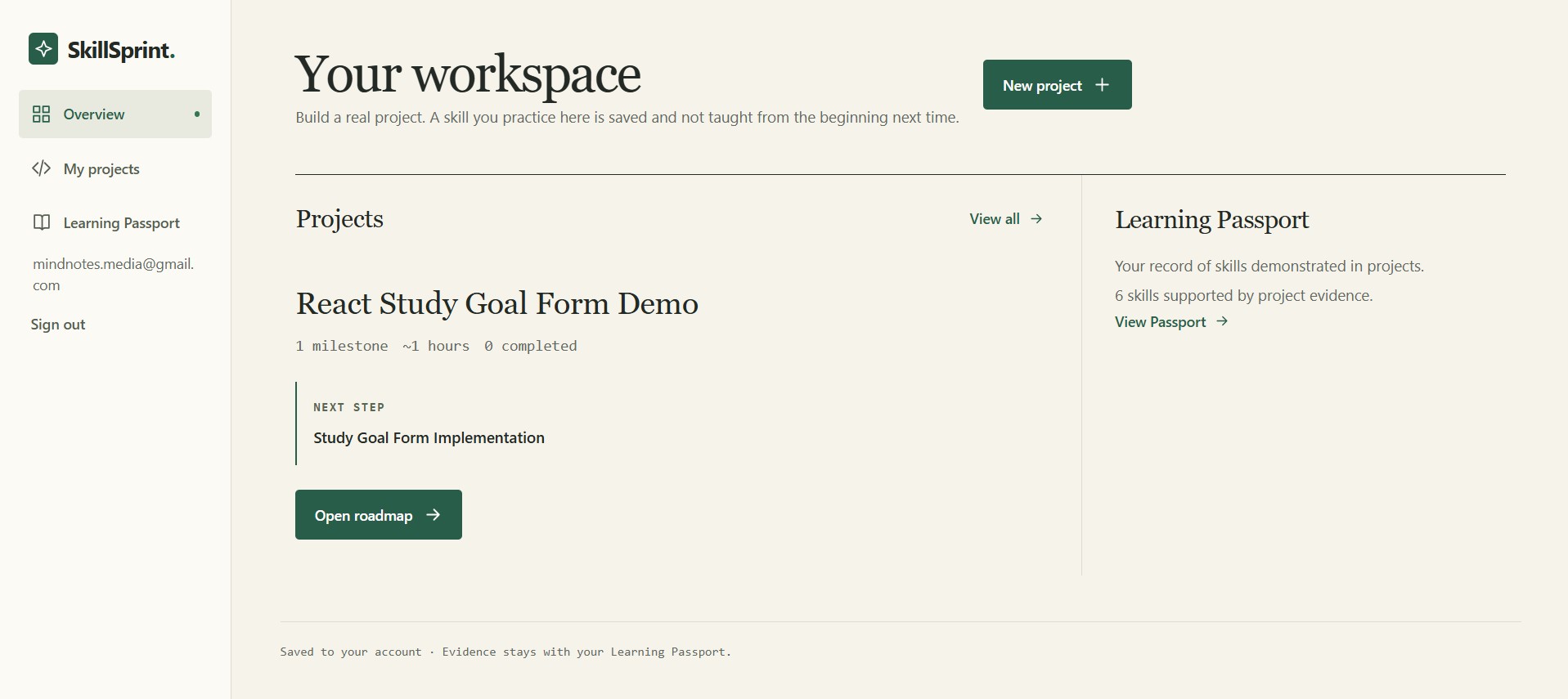
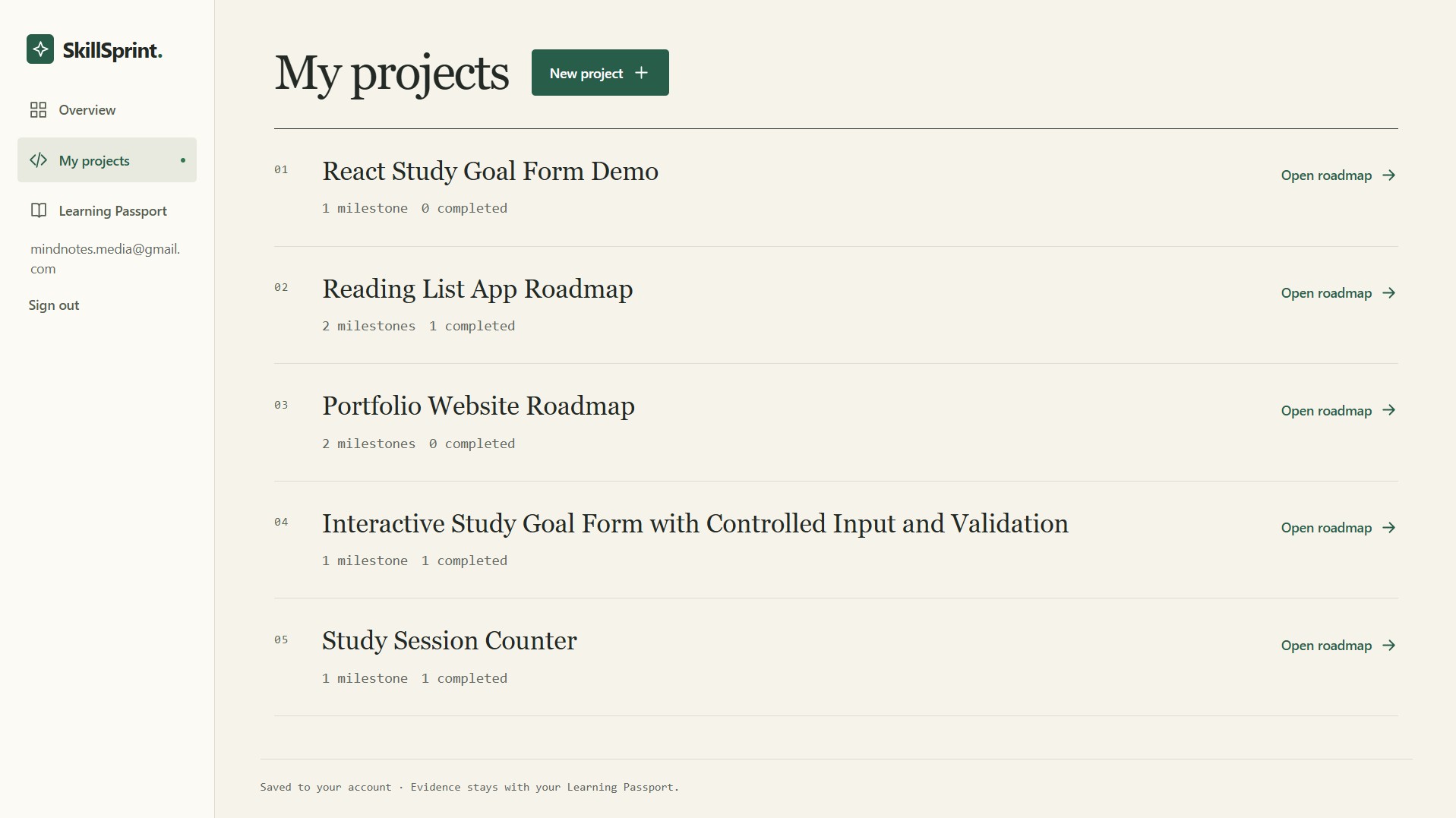
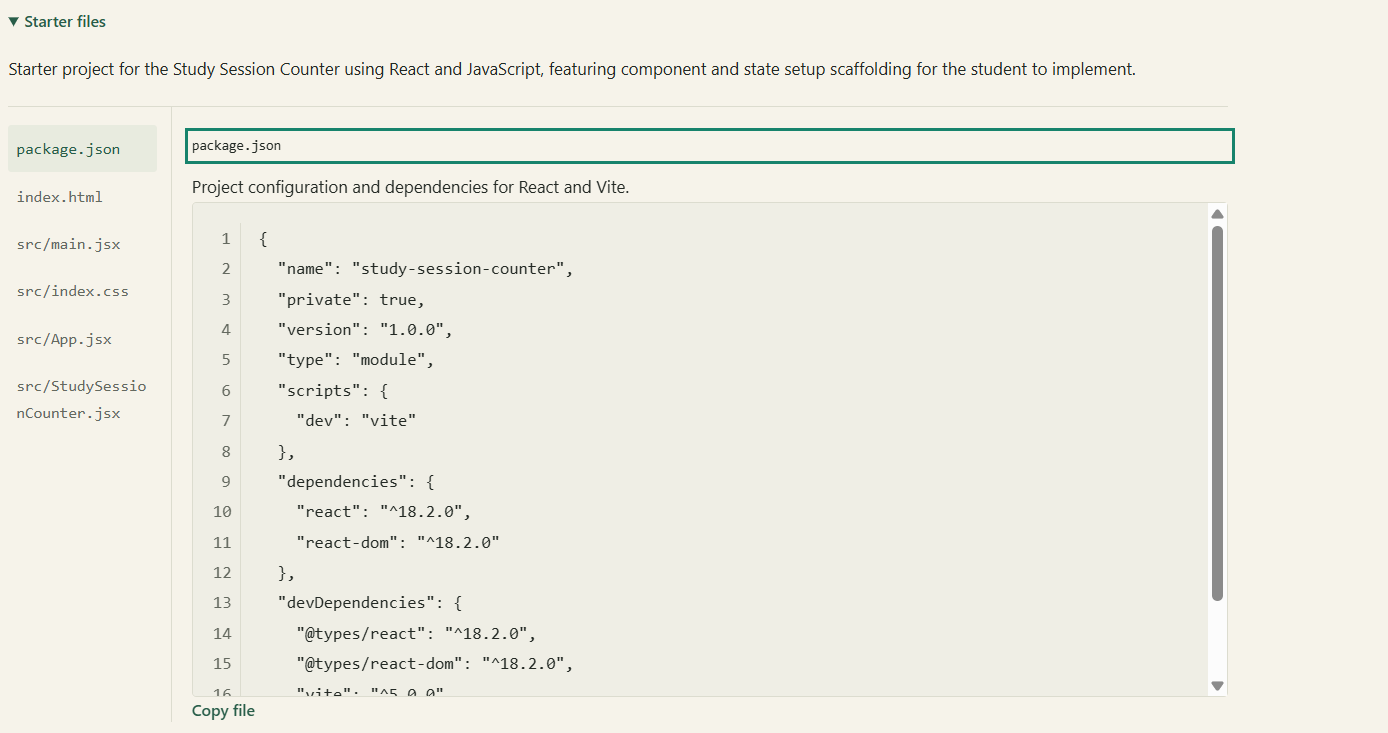
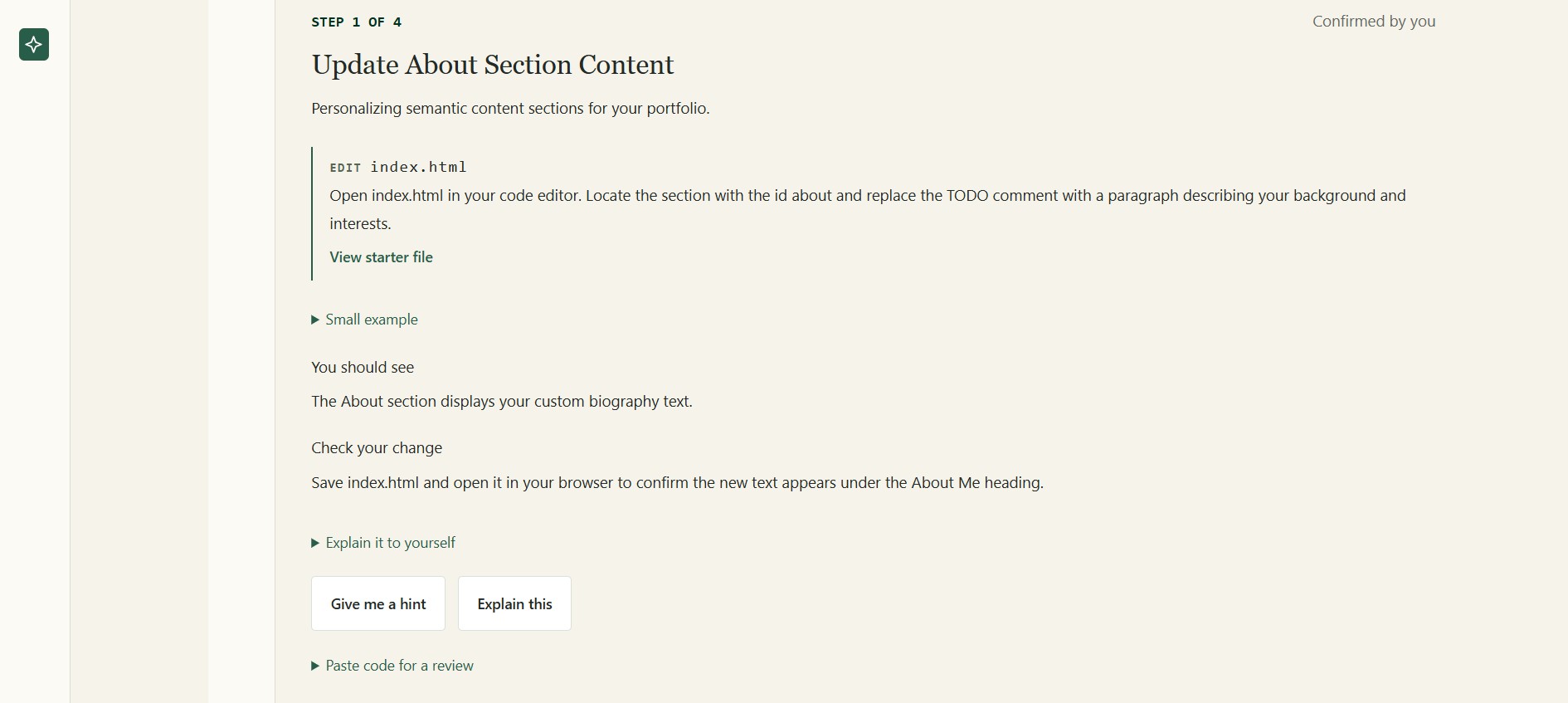
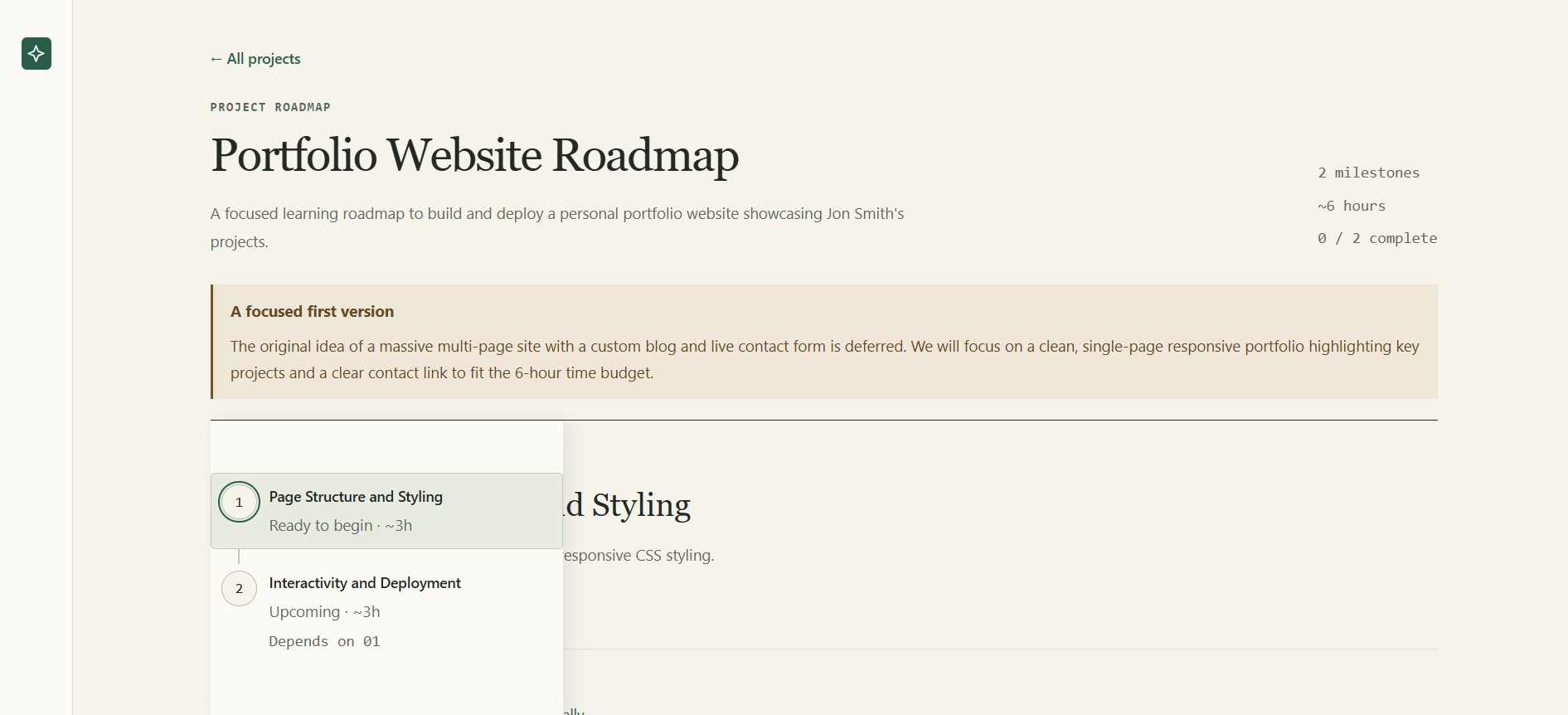
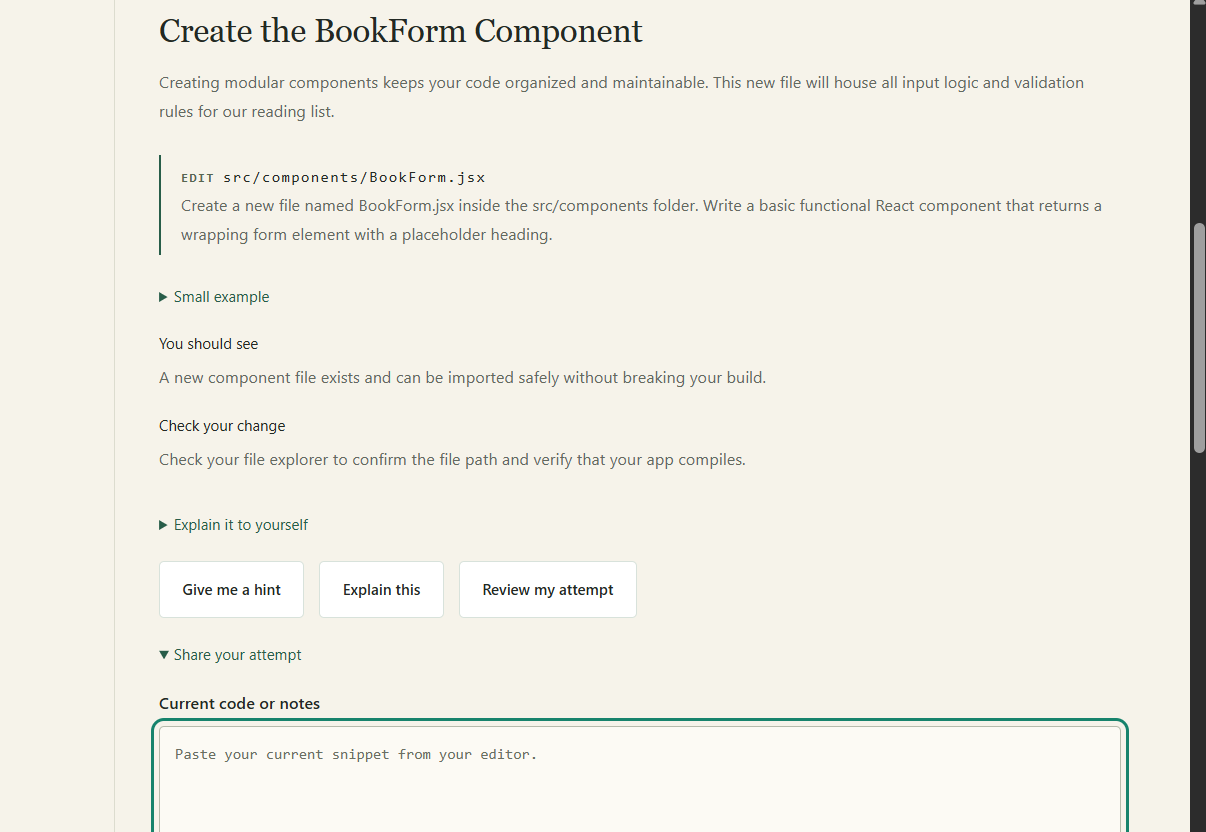
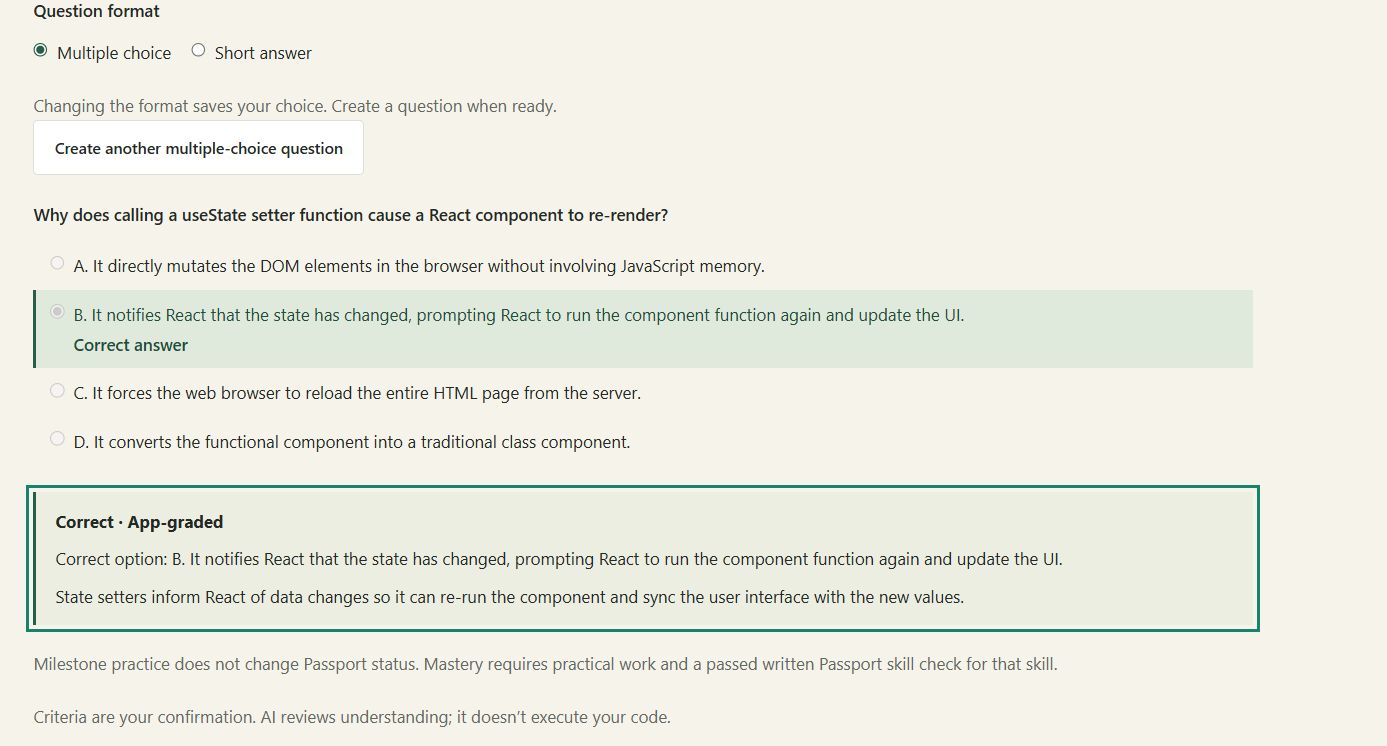
SkillSprint is an AI-powered learning platform that transforms a student’s project idea into a personalized, step-by-step development roadmap. Each milestone explains what needs to be built, which programming concepts are required, and provides learning resources, practical tasks, and AI-powered guidance. Students can learn concepts while immediately applying them to their own projects instead of following unrelated tutorials.
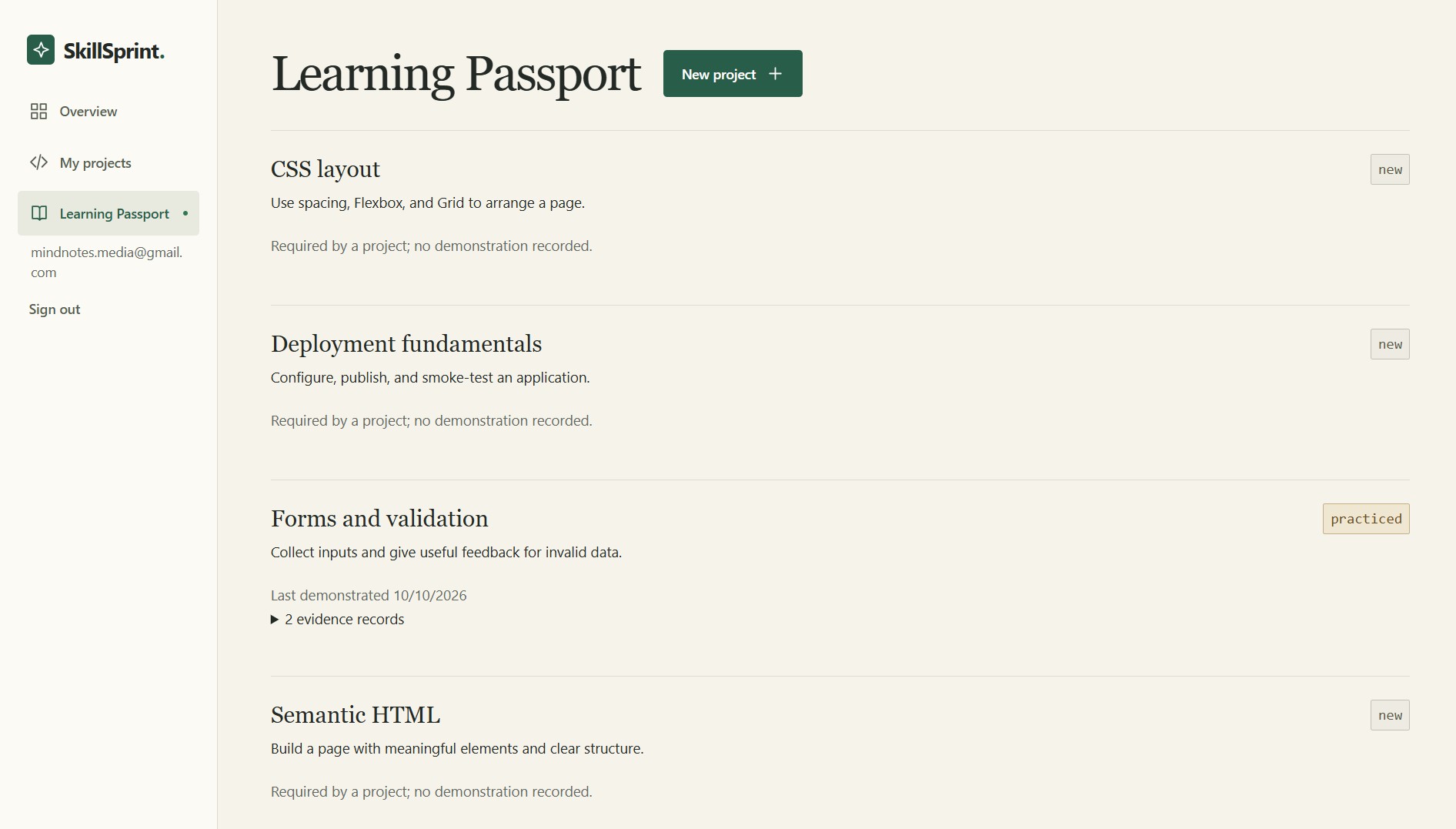
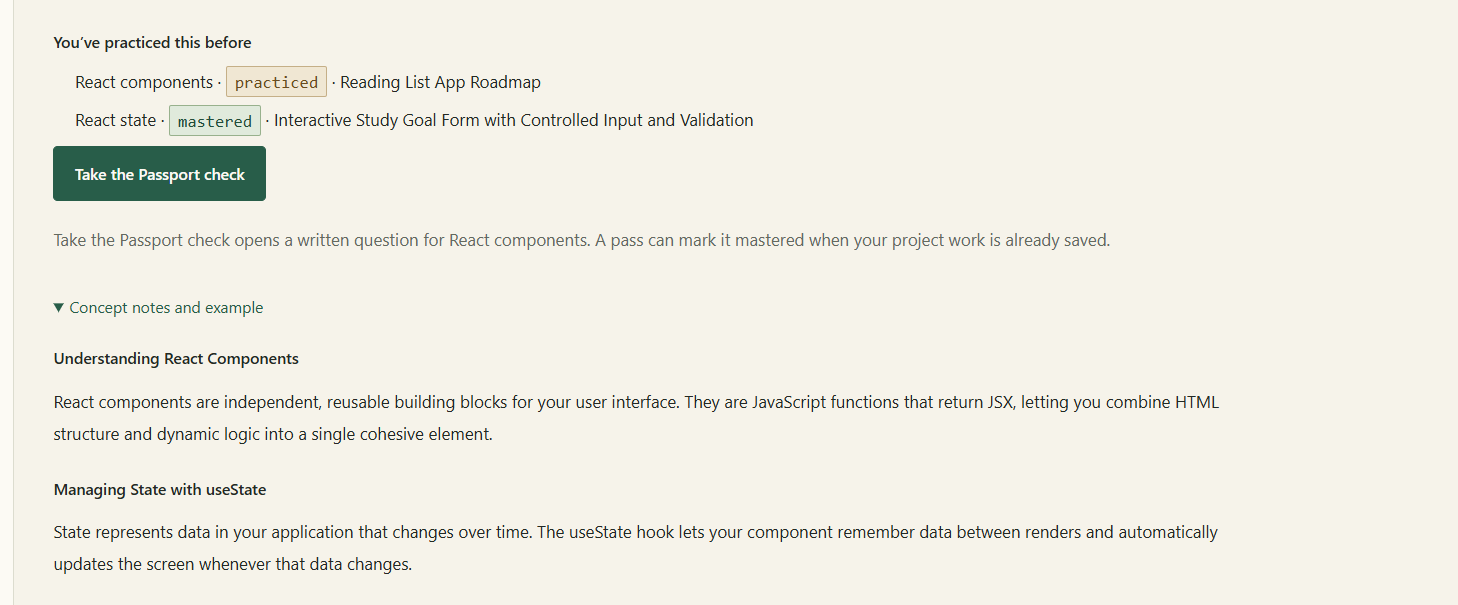
One of SkillSprint’s key features is its Learning Passport, which remembers the skills students have demonstrated across previous projects. When students start something new, the platform recognizes concepts they’ve already learned and allows them to skip introductory lessons, review topics, or take refresher assessments. Combined with a contextual AI coding mentor that explains errors and provides hints, SkillSprint creates a continuous learning experience that grows with every project.
How we built it
We designed SkillSprint as a full-stack web application using Next.js, TypeScript, and Tailwind CSS for the frontend. We integrated Google Gemini to generate personalized project roadmaps, explain programming concepts, provide contextual coding assistance, and support knowledge assessments. The AI transforms project ideas into structured milestones containing learning objectives, implementation tasks, and relevant resources.
For authentication, our architecture uses Auth0 to manage user accounts, while Tiger Data’s PostgreSQL database stores projects, learning progress, completed milestones, and previously demonstrated skills. We designed the Learning Passport around reusable skills records rather than individual project histories, allowing the system to recognize knowledge across multiple projects and personalize future learning paths.
Challenges we ran into
One of our biggest challenges was balancing helping students build applications with ensuring they actually learn. Traditional AI coding assistants often provide complete solutions immediately, which can discourage independent problem-solving. We addressed this in our design by developing a hint-first AI mentoring approach that prioritizes explanations, debugging guidance, and gradual assistance rather than automatically generating entire solutions.
Another major challenge was designing the cross-project learning memory. Simply saving completed lessons wasn't good enough because completing a lesson doesn't always mean understanding a concept. We needed a way to represent individual skills, track evidence of understanding, and recognize related concepts across different projects. Connecting this learning system with AI-generated roadmaps, authentication, and persistent database storage was an important technical challenge.
Accomplishments that we're proud of
We're especially proud of the concept behind our Learning Passport, which makes SkillSprint more than a typical AI roadmap generator. Instead of treating every project as a completely new learning experience, SkillSprint is designed to build on a student's existing knowledge. This creates a personalized journey where students can focus on developing new skills rather than repeatedly studying concepts they already understand.
Rather than using AI simply to automate software development, we focused on using it to improve how students learn. Our biggest accomplishment is creating a product centered on the idea that every project should make you a better developer than before.
What we learned
Building SkillSprint taught us that creating an effective AI application requires more than connecting a language model to a user interface. We learned the importance of structured AI outputs, thoughtful data modeling, and combining AI-generated guidance with reliable application logic. Designing a system that remembers previously learned skills showed us how persistent data can make AI experiences more personalized and useful.
We also learned that good educational technology needs to balance automation with active participation. Giving students immediate answers isn't always the best way to help them grow. Through SkillSprint, we explored how AI can act as a mentor by explaining concepts, encouraging problem-solving, and helping users gradually become more independent. The experience reinforced the importance of building technology around genuine user needs.
What's next for SkillSprint
The future goal of SkillSprint would be to make an even more interactive learning environment. We plan to introduce GitHub integration, allowing students to connect their repositories so the AI mentor can understand their actual code, provide project-specific feedback, and track implementation progress. We also want to add an integrated coding environment where students can write, run, and debug code directly within the platform.
In the longer term, we would also like to expand the Learning Passport with smarter skill assessments, personalized project recommendations, and spaced-repetition features to help students retain knowledge. We also envision supporting mobile development, machine learning, game development, and collaborative team projects. Ultimately, our vision is to make SkillSprint a platform where students don't just build applications with AI - they gain the knowledge and confidence to build independently.
Built With
- auth0
- gemini
- next.js
- react
- tailwindcss
- typescript

Log in or sign up for Devpost to join the conversation.