-
-
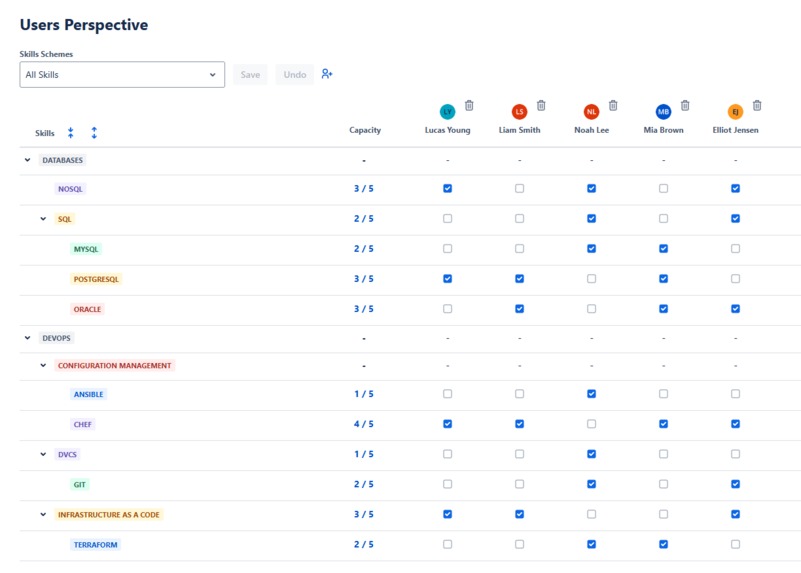
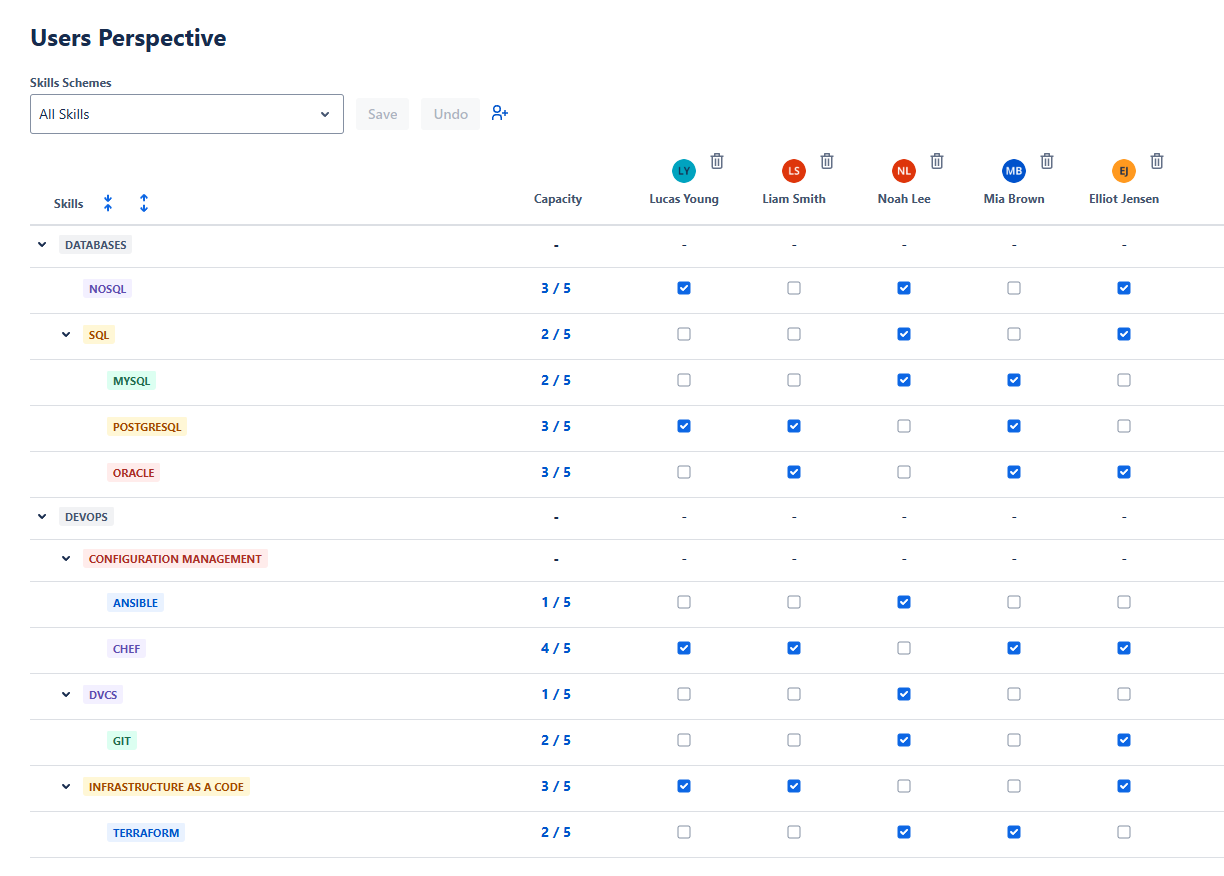
Users Perspective
-
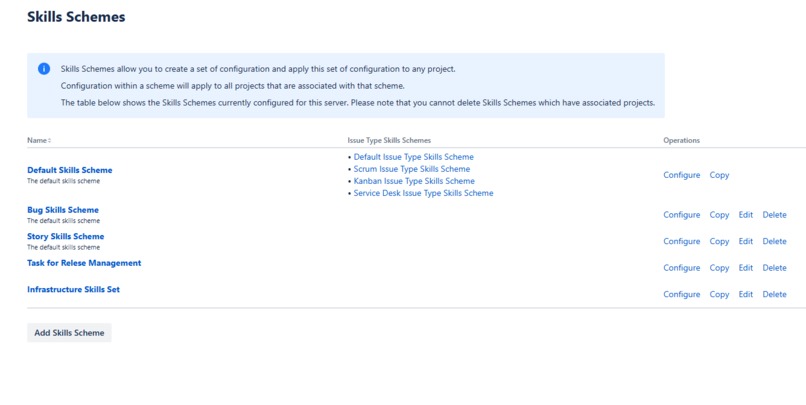
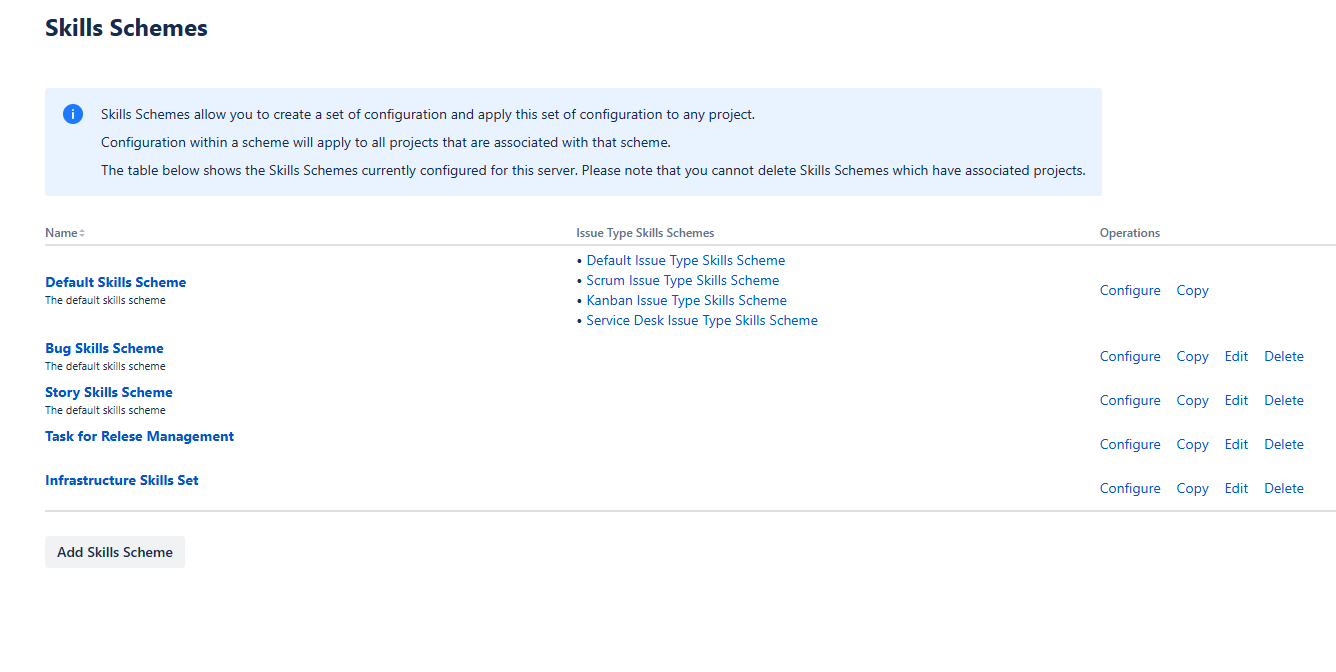
Skills Schemes
-
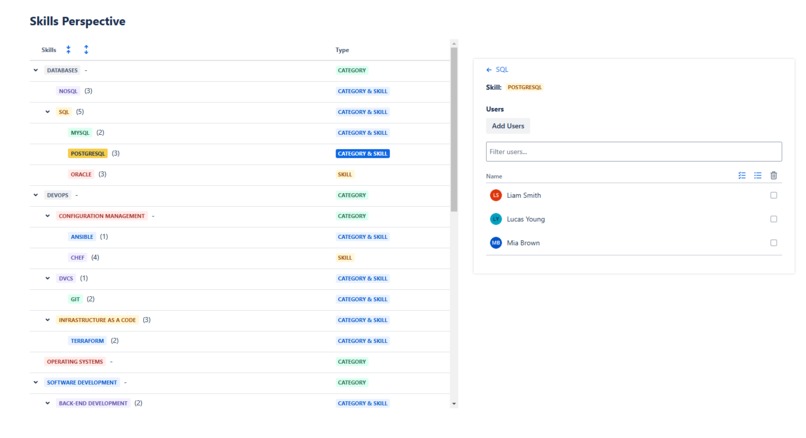
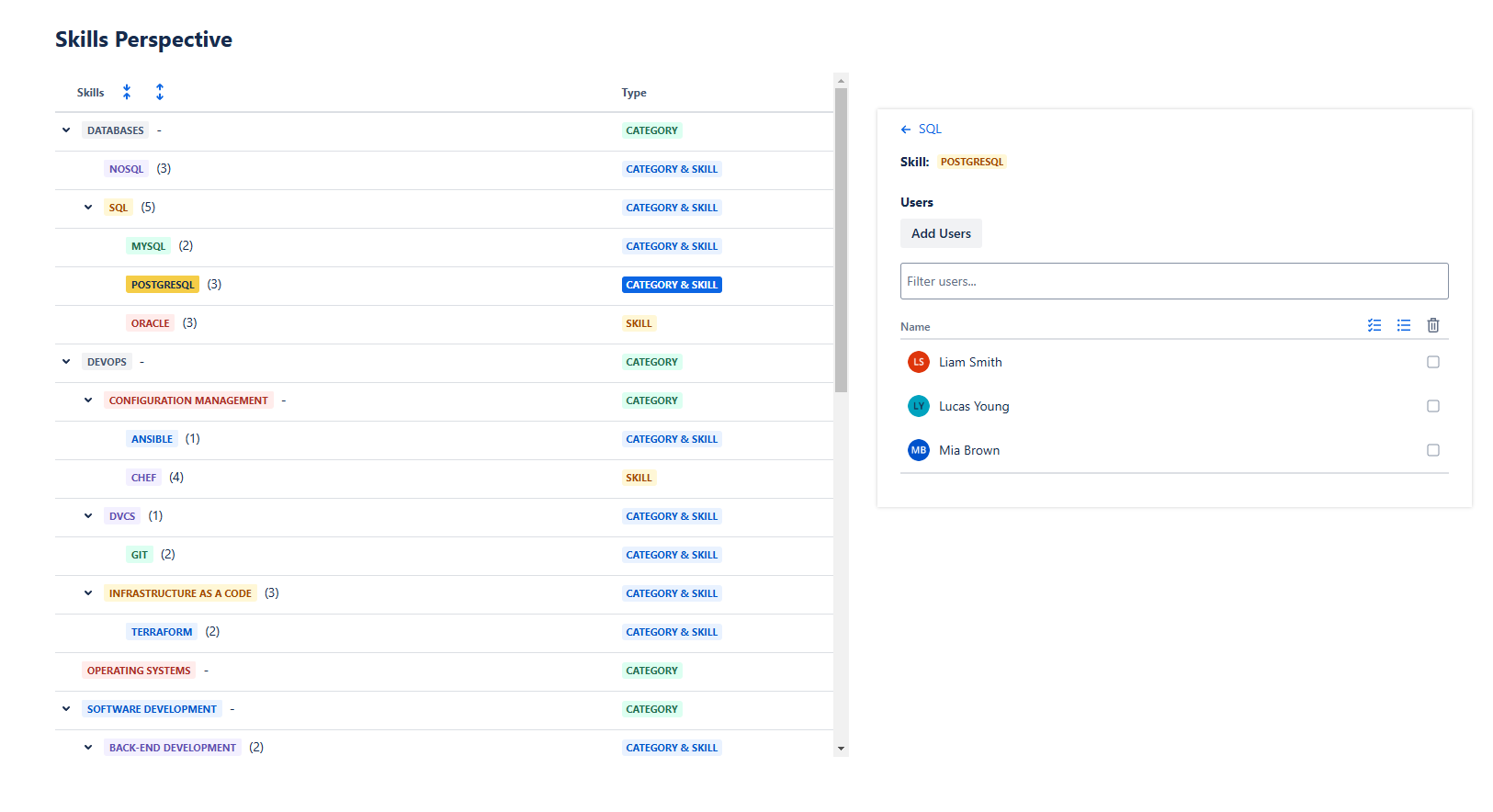
Skills Perspective
-
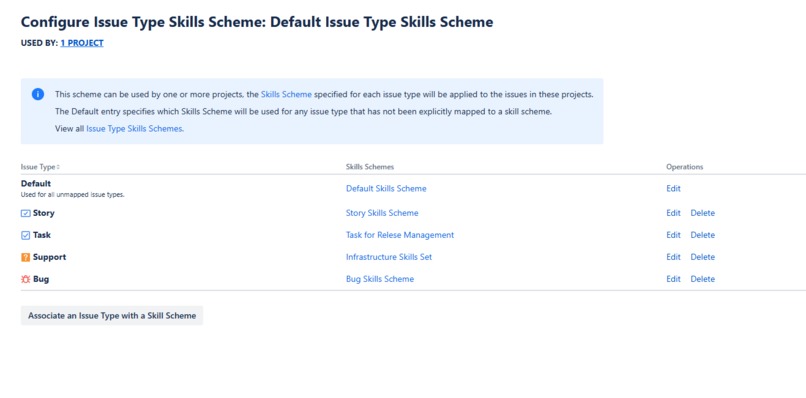
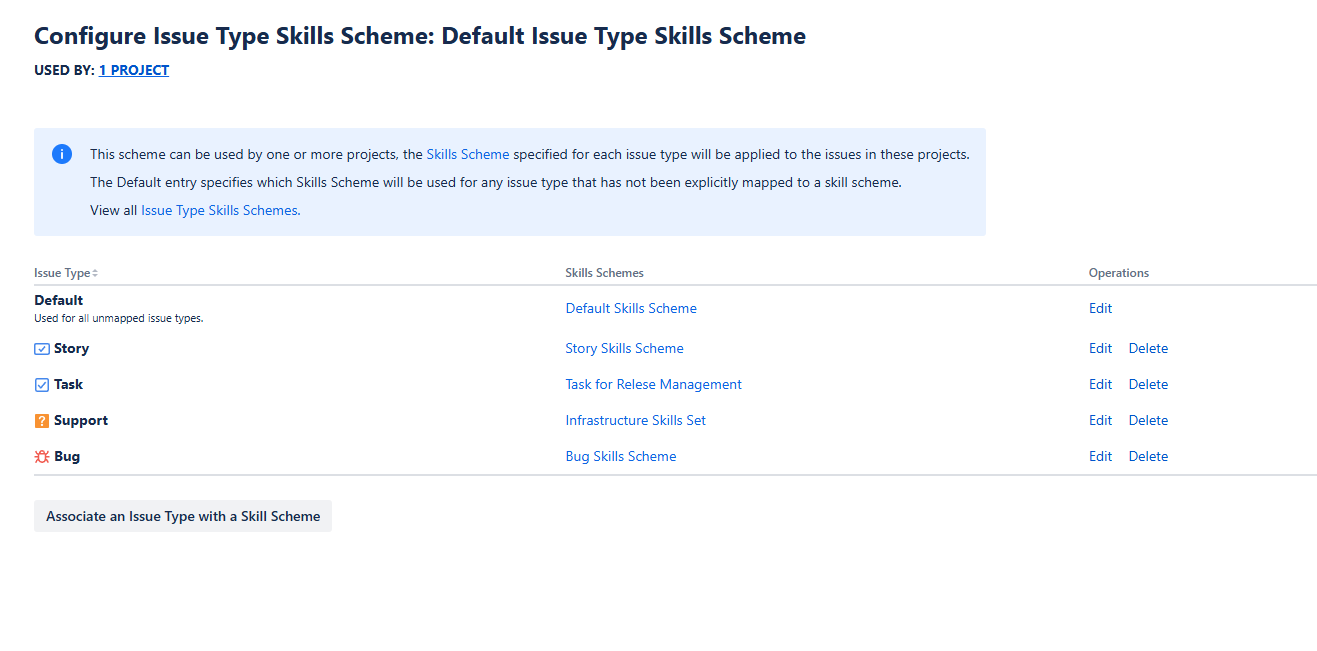
Configure Issue Type Skills Scheme
-
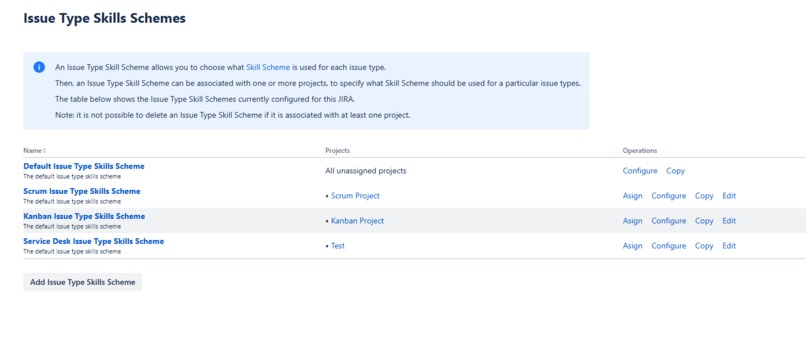
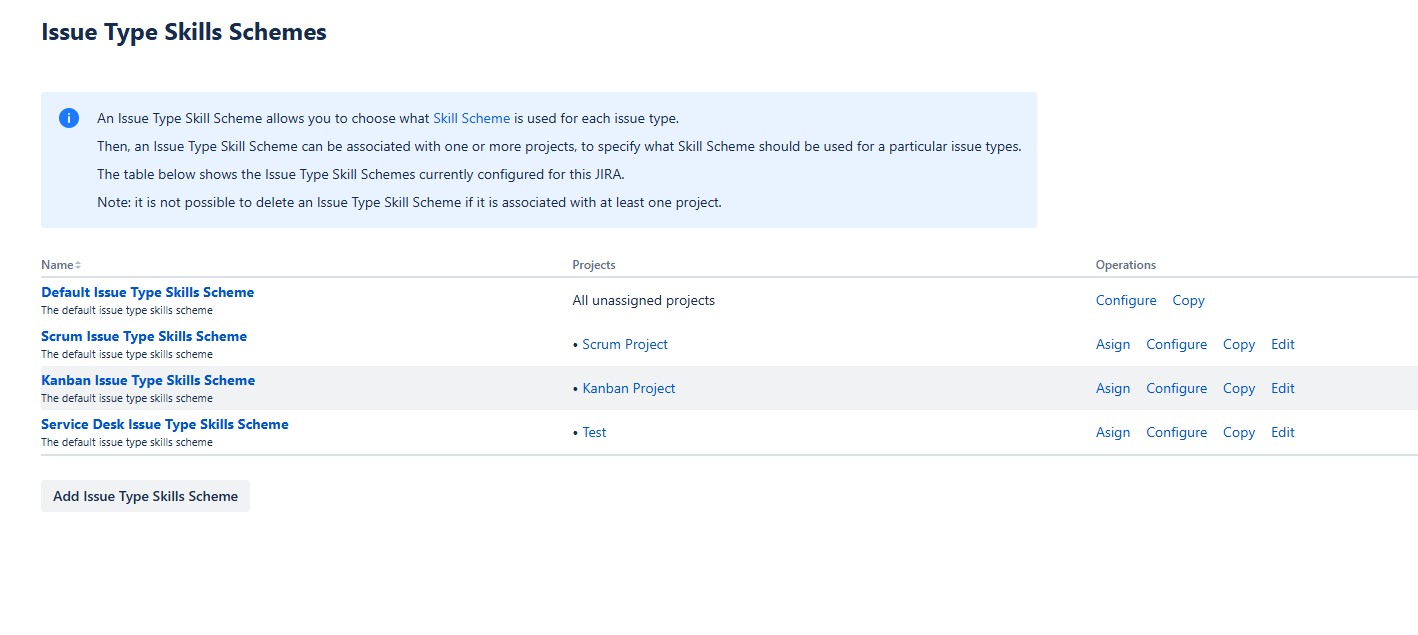
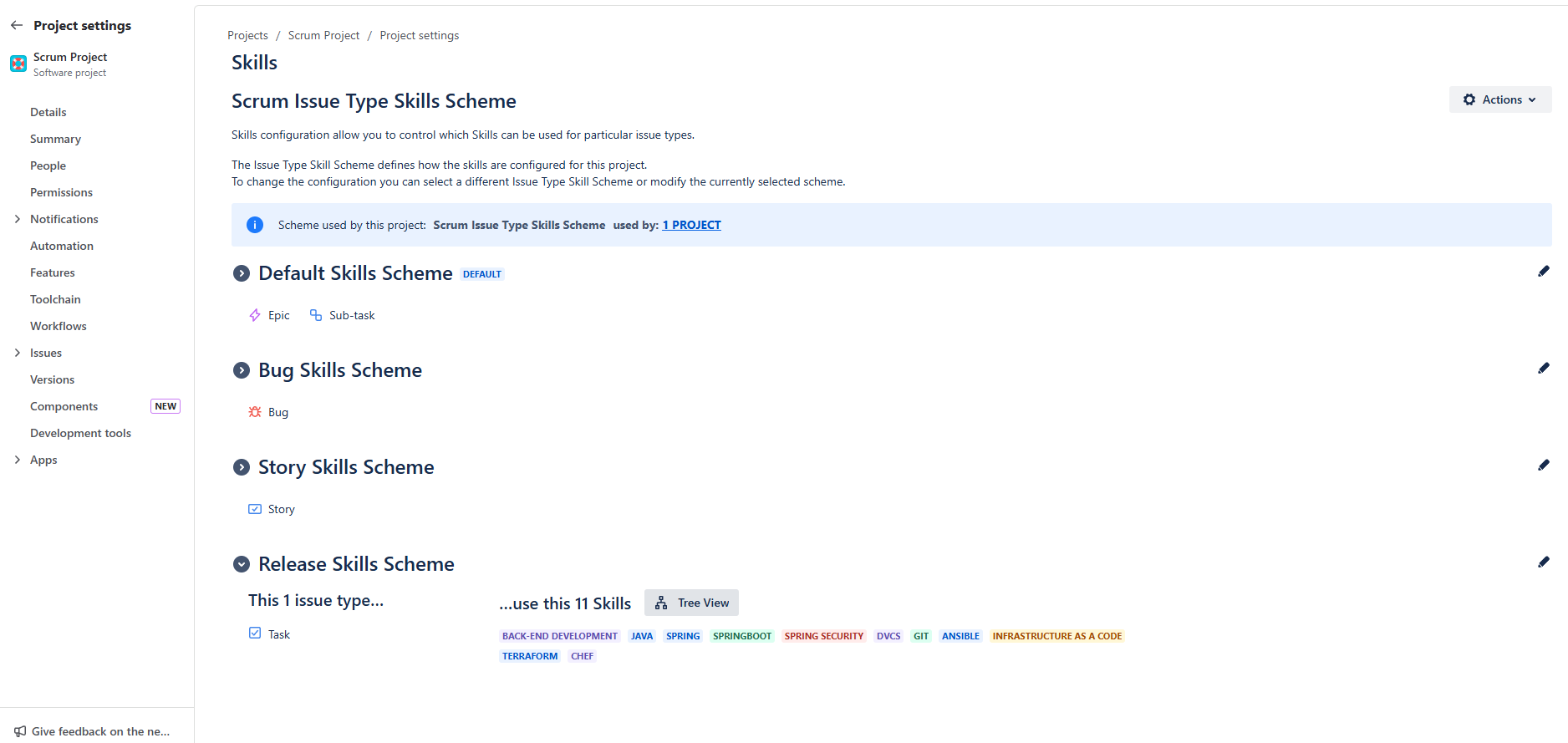
Issue Type Skills Scheme
-
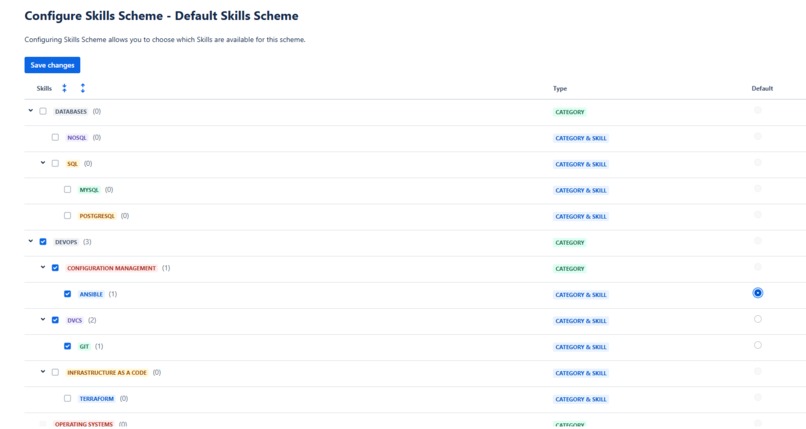
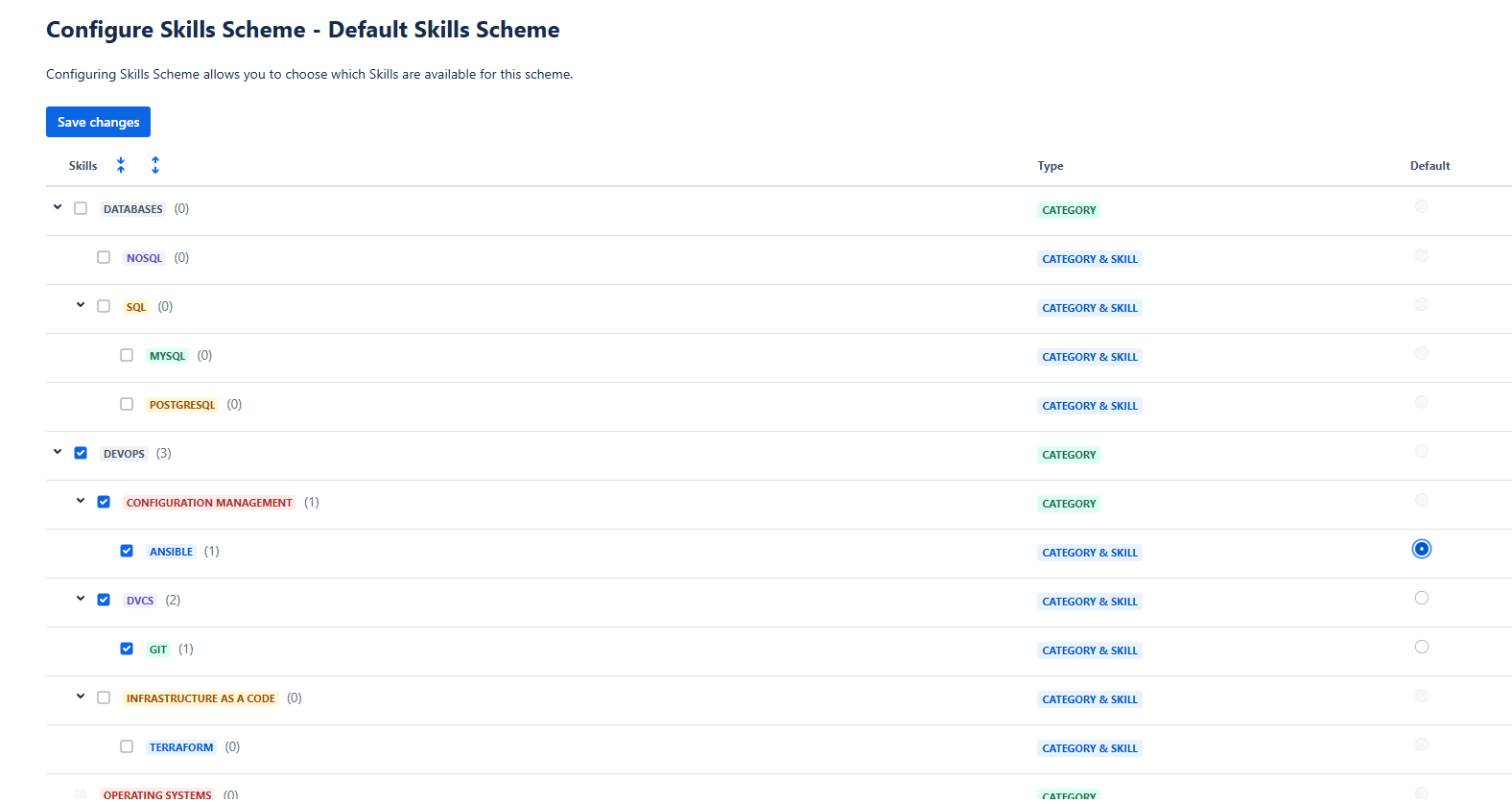
Configure Skills Scheme
-
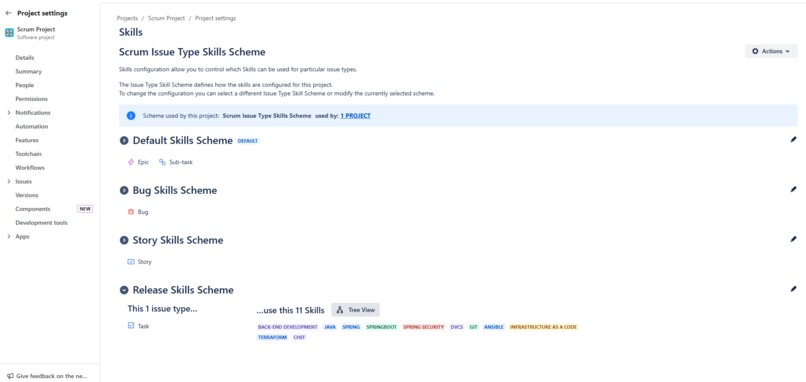
Project Setting
-
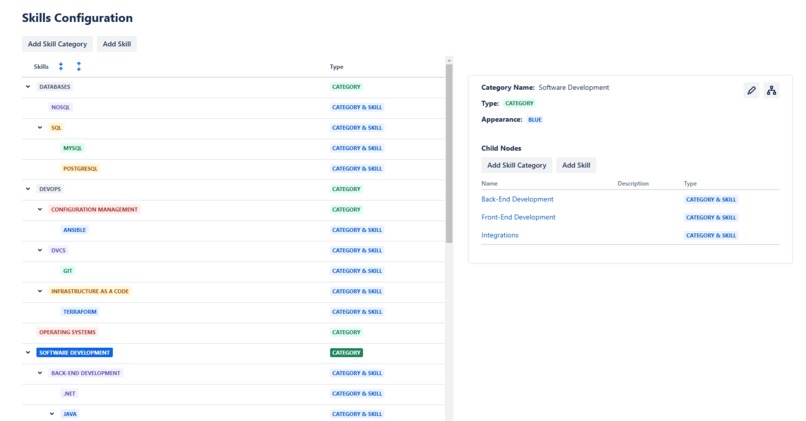
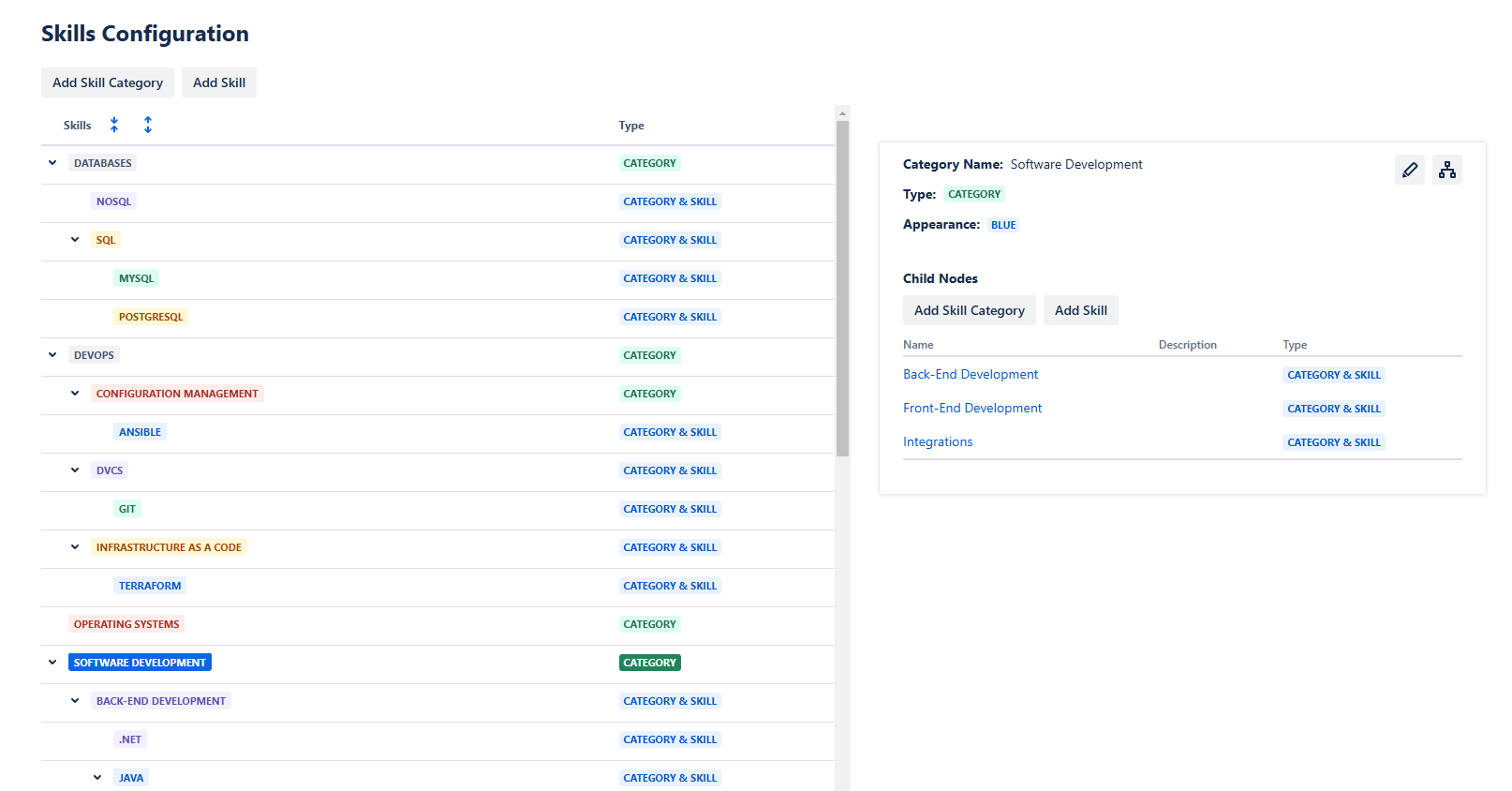
Skills Configuration
-
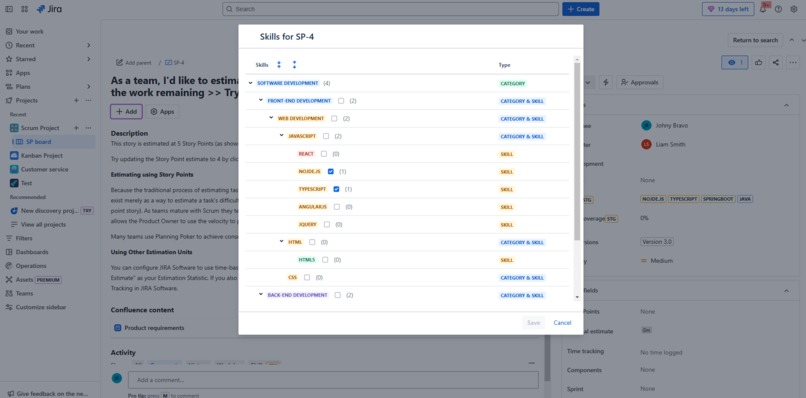
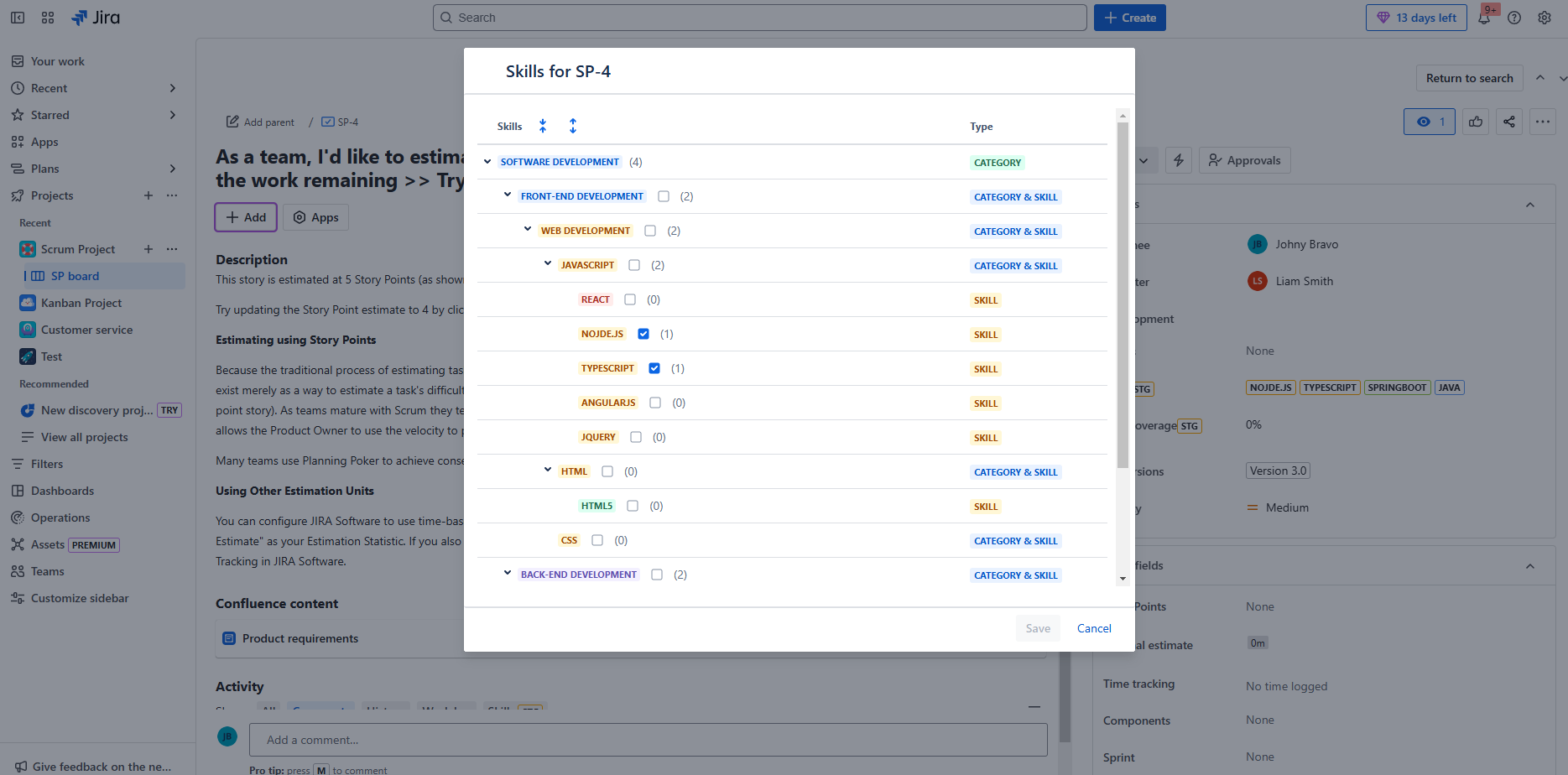
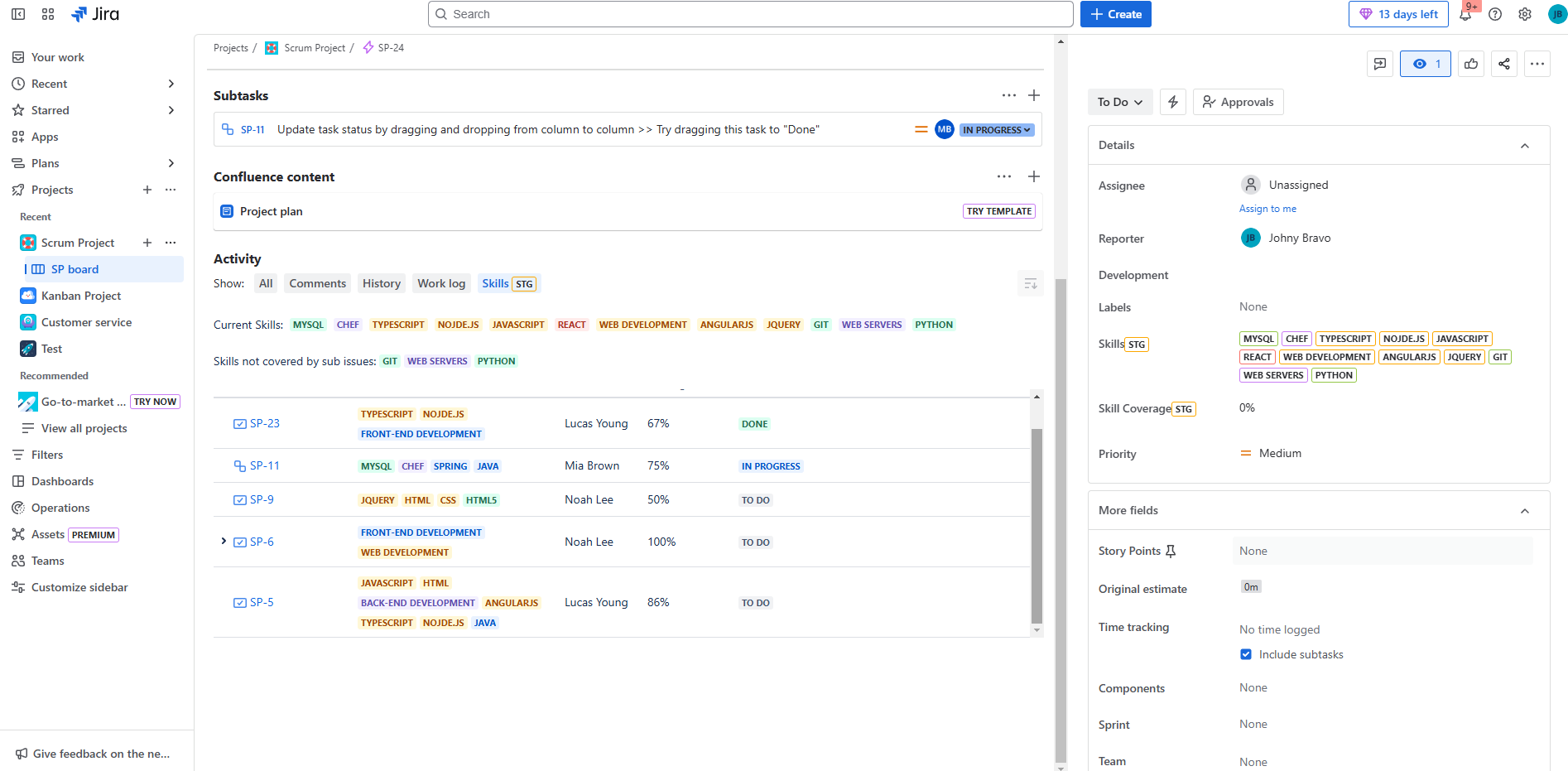
Set Skills in Issue
-
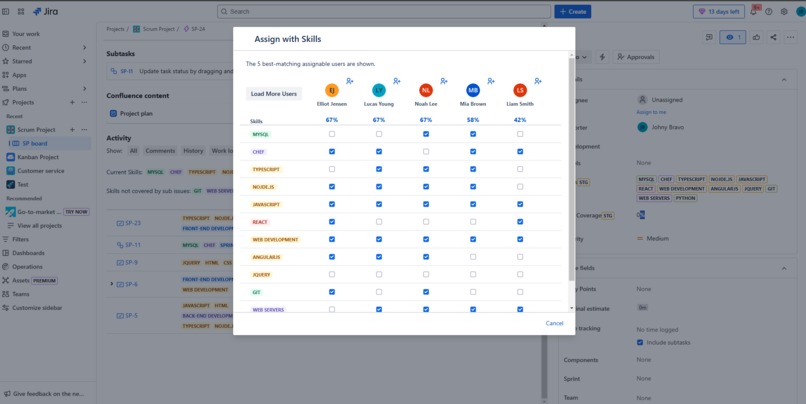
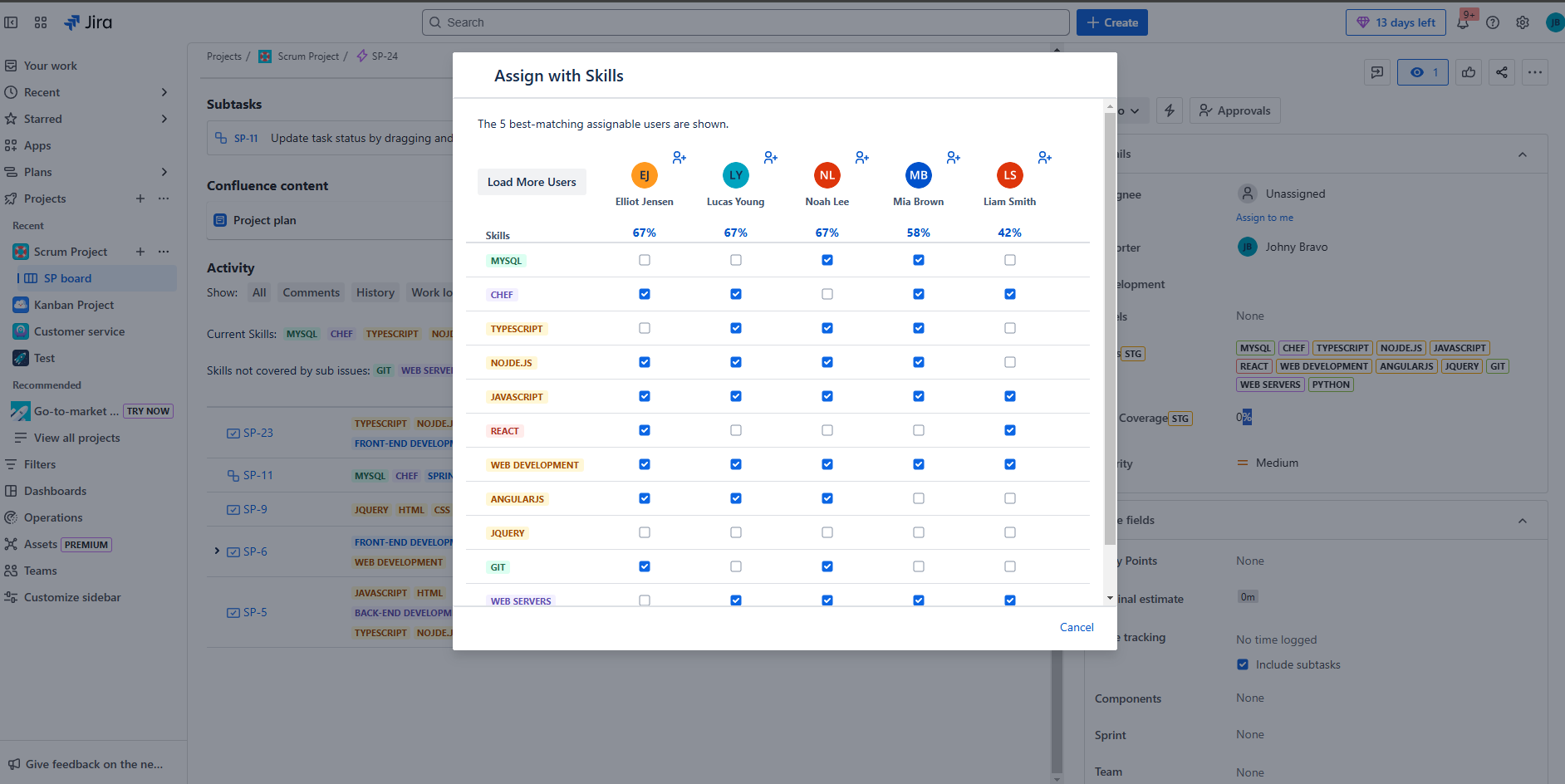
Assign with Skills
-
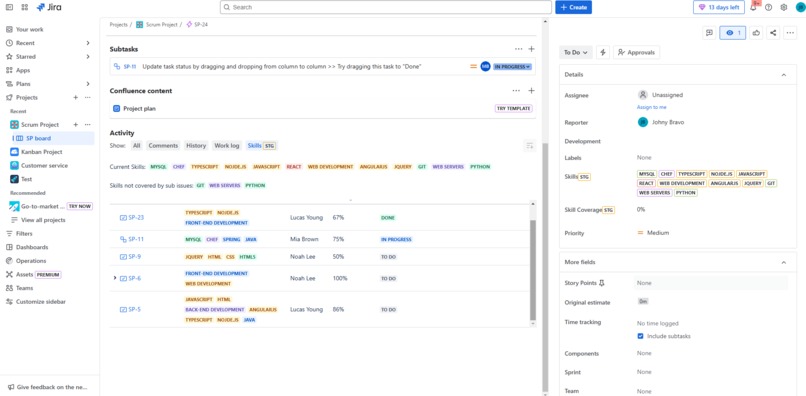
Epic Coverage
Inspiration
The inspiration for Skills Perspective for Jira came from the challenges organizations face in aligning their strategic goals with operational execution. We noticed a gap in effectively managing skills across teams while ensuring that high-level strategies translate into actionable tasks. This insight drove us to create a tool that bridges this gap with transparency and autonomy.
The time pressure on all teams, not just IT, is very high. By delivering our solution to customers, we aim to streamline communication between teams at different levels of the company. Our tool provides teams with a shared platform, enabling them to stay aligned and operate within the same context.
What it does
Skills Perspective for Jira is an app designed to enhance planning and implementation from strategic to operational levels. It provides a clear context of available skills within teams, enabling better task allocation and project management. By ensuring visibility at higher levels and supporting autonomy in day-to-day operations, it helps organizations stay agile and efficient.
Solution Setup
Global Configuration Start with building global skills tree for the whole organization.
Skills Schemes Then create as many schemes as you need where every scheme is any subset of skills from global configuration.
Issue Type Skills Schemes Create Issue Type Skills Scheme where you can assign any Skills Scheme to any Issue Type thus achieving the effect that each issue type will have a different set of skills.
Assign users to Skills Manage globally all Skills assigning the right people.
Assign users to Skills Manage Skills for every user or group.
Assinging Skills to Projects and Issues Assign Issue Type Skill Scheme to Project.
Set Skills at Issues Configure the right set of Skills for an Issue. Every Issue type in every project can have a different possible set of Skills to choose.
Assign Users to Skills Find Users with the best matching Skills to do the job.
Common Scenario
When the idea is created and initially designed at a high level, and the first decomposition into issues is completed, more general skills may suffice. As the project becomes more detailed and further decomposed, subsequent tasks can require skills from lower levels, more precisely defining the competencies needed to complete individual tasks. This approach allows the project to progress to the level of individual operational teams.
How we built it
We built Skills Perspective for Jira using a combination of React for the frontend and Node.js for the backend. We integrated Jira’s API to seamlessly sync project data. The system leverages a robust data model that tracks skills, assignments, and progress in real-time. Our design prioritizes intuitive UI/UX, ensuring a smooth user experience.
Challenges we ran into
One major challenge was designing a scalable data structure that could adapt to diverse organizational setups. Implementing a solution that is functional, reliable, and fast enough to fulfill our primary goal of flexibility was not easy. We had to carefully balance performance with scalability while ensuring a seamless user experience.
Additionally, the biggest technical challenge we faced was dealing with Atlassian Forge platform limitations. More than 40% of the feature ideas we initially conceptualized had to be changed because certain functionalities were not possible to achieve as planned. For example, restricted API permissions and storage constraints required us to rethink our implementation strategy. We had to adjust our technical design, find creative workarounds, and re-prioritize features to align with platform capabilities while maintaining our core product vision.
Accomplishments that we're proud of
We are proud of successfully creating an app that provides real value to users. Having the opportunity to improve customer workflows with skills at scale gives us great satisfaction. However, we believe this is only the beginning of our journey. We’ve just started this project, and we promise that even greater things are yet to come. We’re just warming up our engines.
What we learned
Throughout this journey, we learned the importance of balancing technical complexity with user-centric design. We also gained deeper insight into how organizations manage skills and tasks in dynamic environments. Collaboration within our team was key, especially since we joined forces shortly before this project started.
What's next for Skills Perspective for Jira
This is just the beginning. We have many ideas we want to implement. We look forward to adding more features to manage skills at higher levels and with larger volumes of issues, provide detailed reports, and expand integration capabilities with other tools. Our goal is to incorporate AI-driven recommendations for skill development and task assignment. Additionally, we plan to enhance analytics features, offering predictive insights for better resource planning and decision-making.
Built With
- atlaskit
- forge
- javascript
- jira-rest-api
- react.js


Log in or sign up for Devpost to join the conversation.