-
-
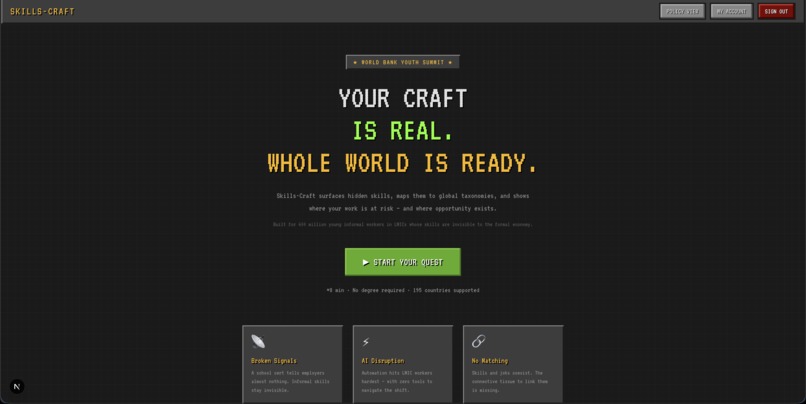
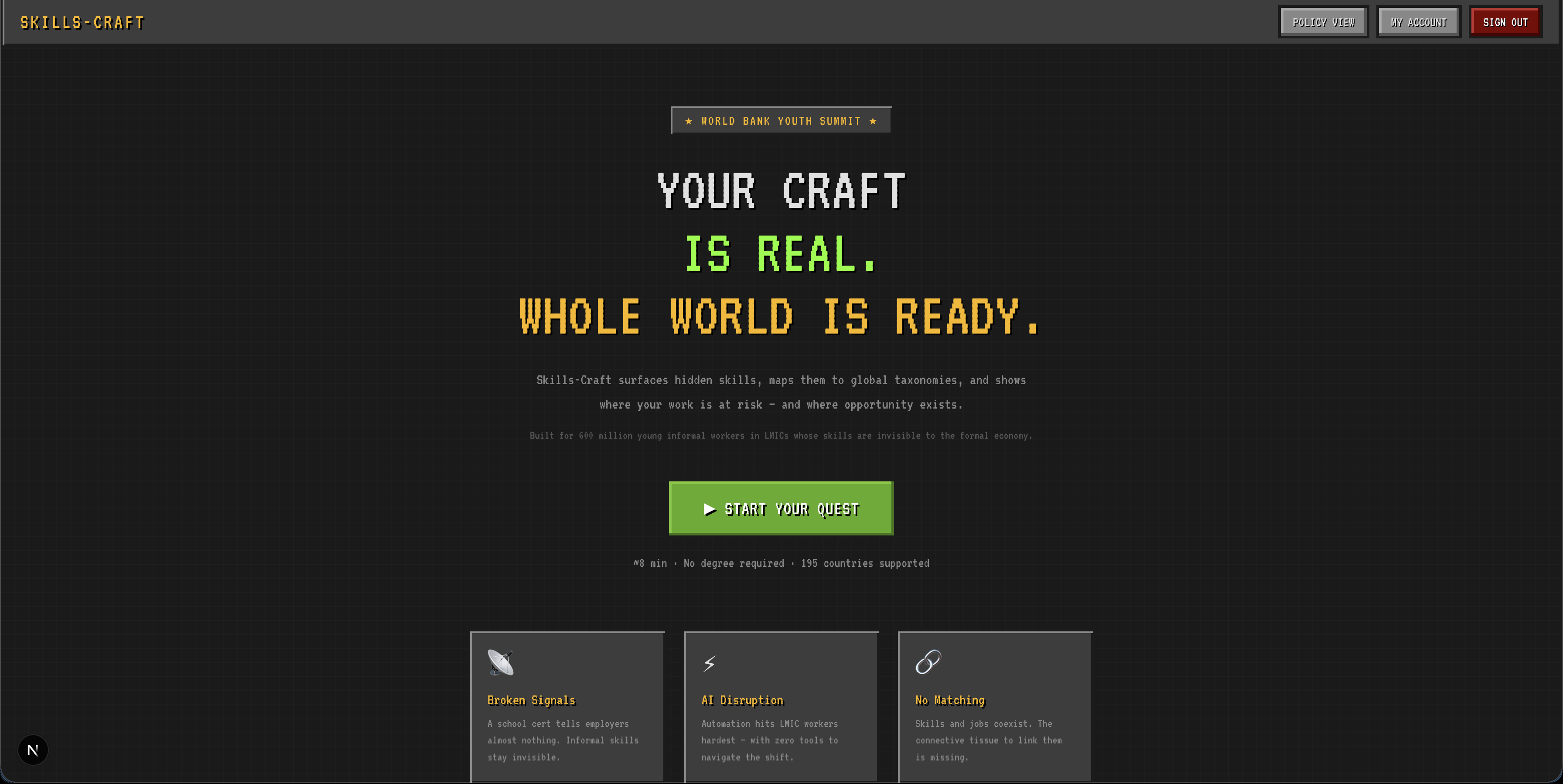
this is home page of our solution where you find the purpose and steps how to operate.
-
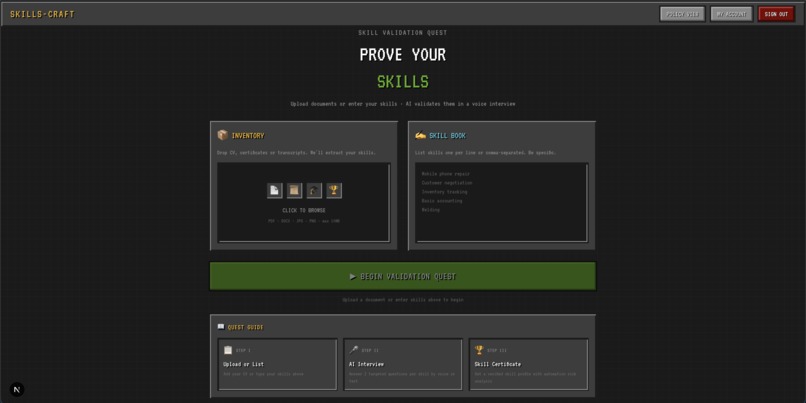
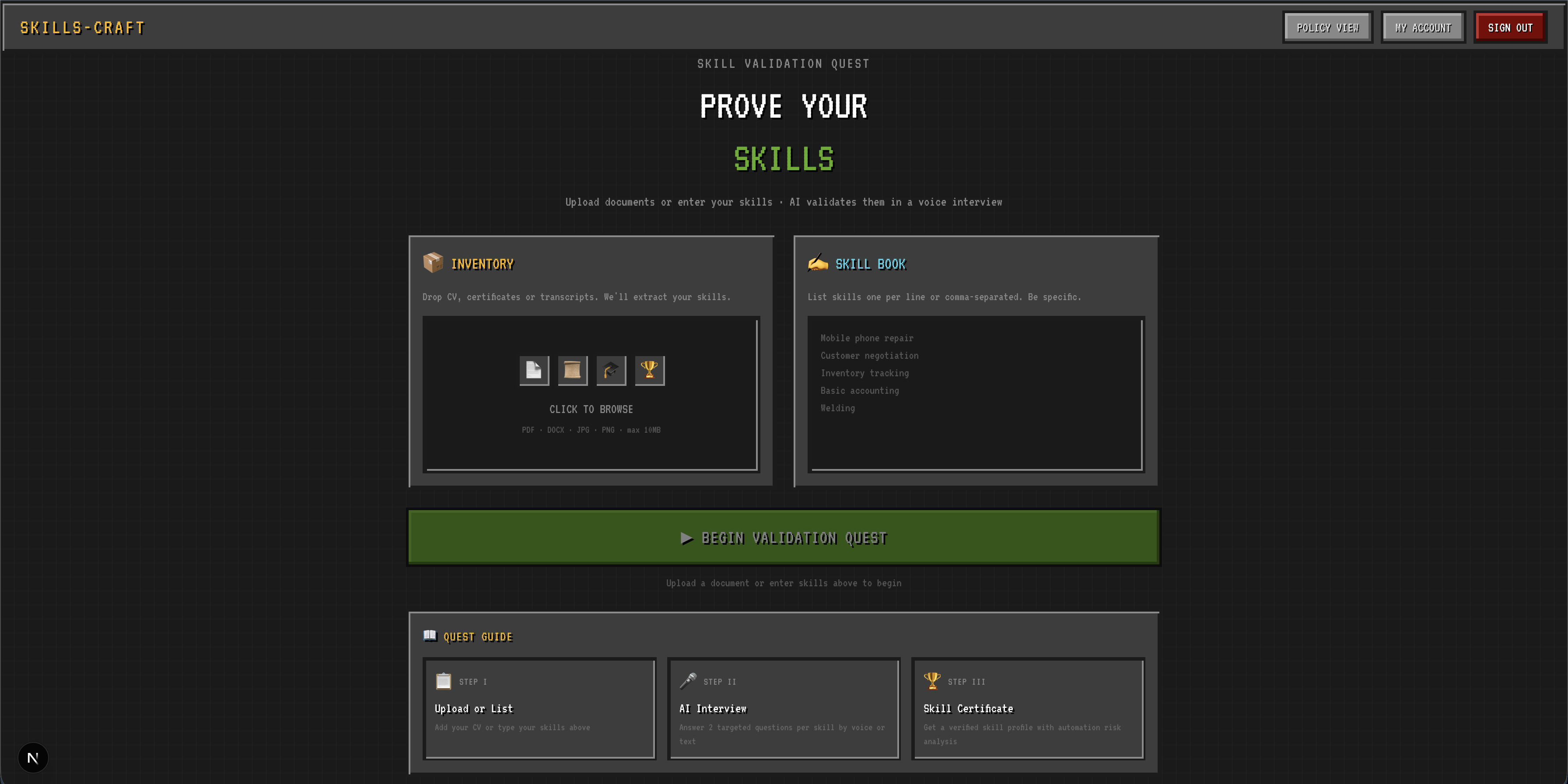
This part taking input of you skills of document you have that you claim that you know you have option either you can upload write or both.
-
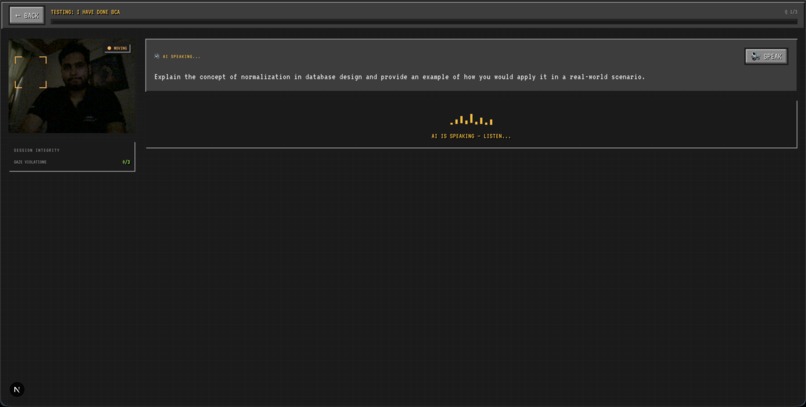
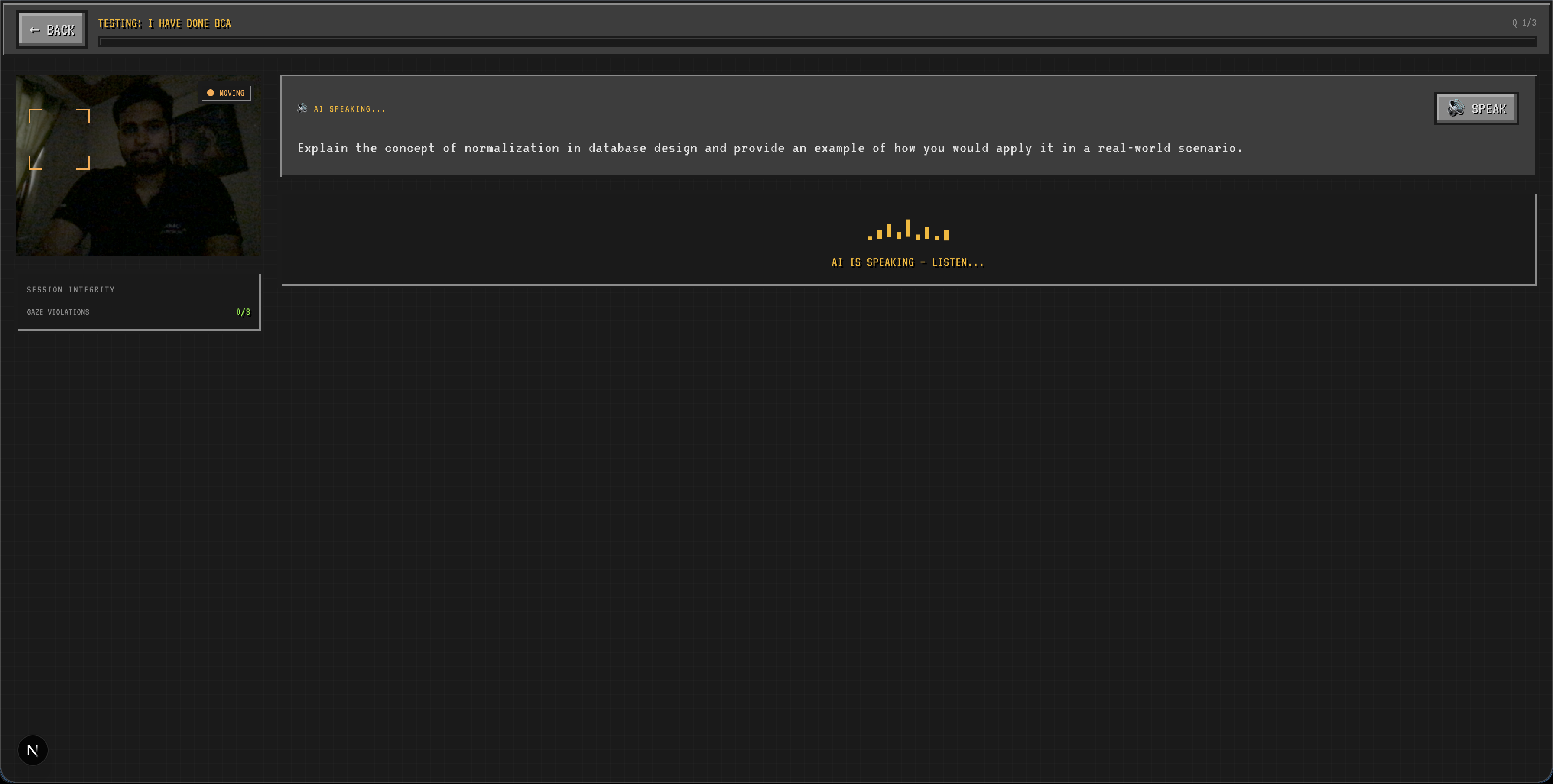
according to the user input ai will test your skills and we have implemented the proctor for securing the right candidate .
-
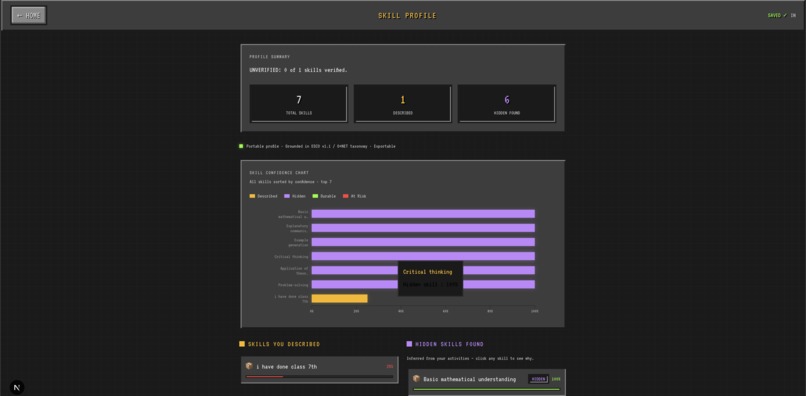
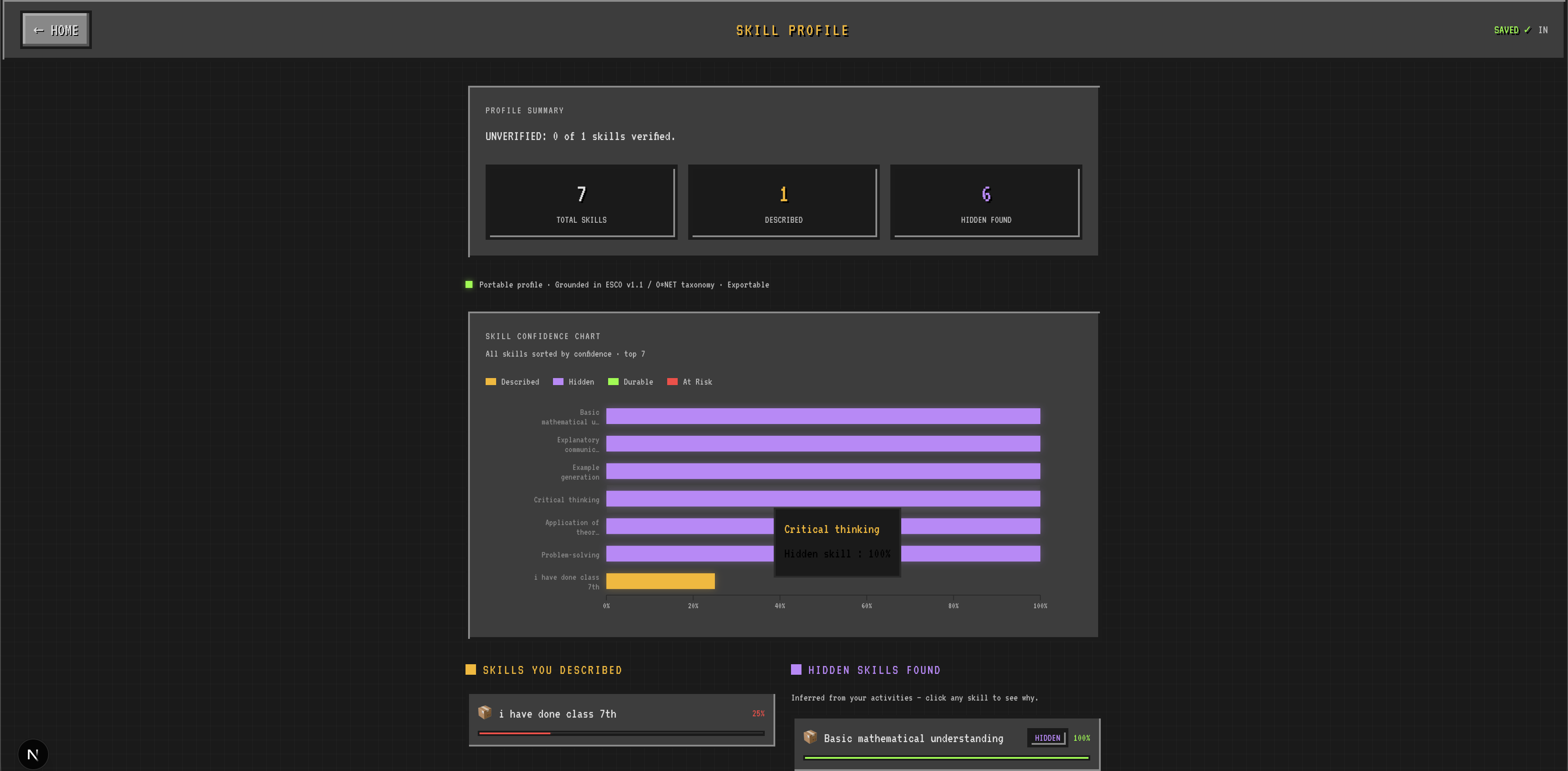
after your test ai system gives your result and according to your tone and answer it find your hidden skills you don know .
-
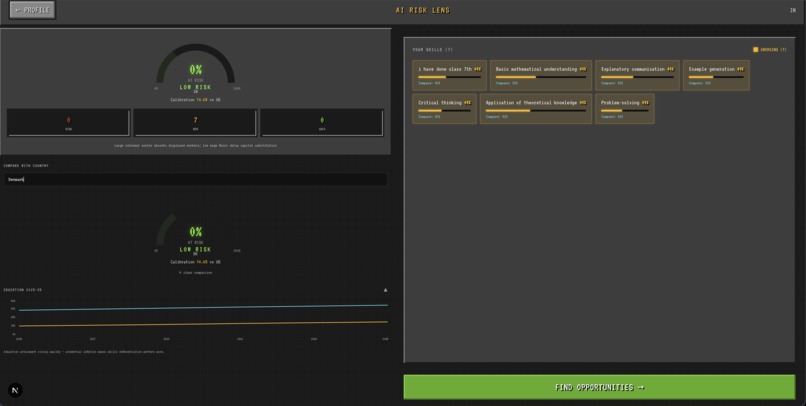
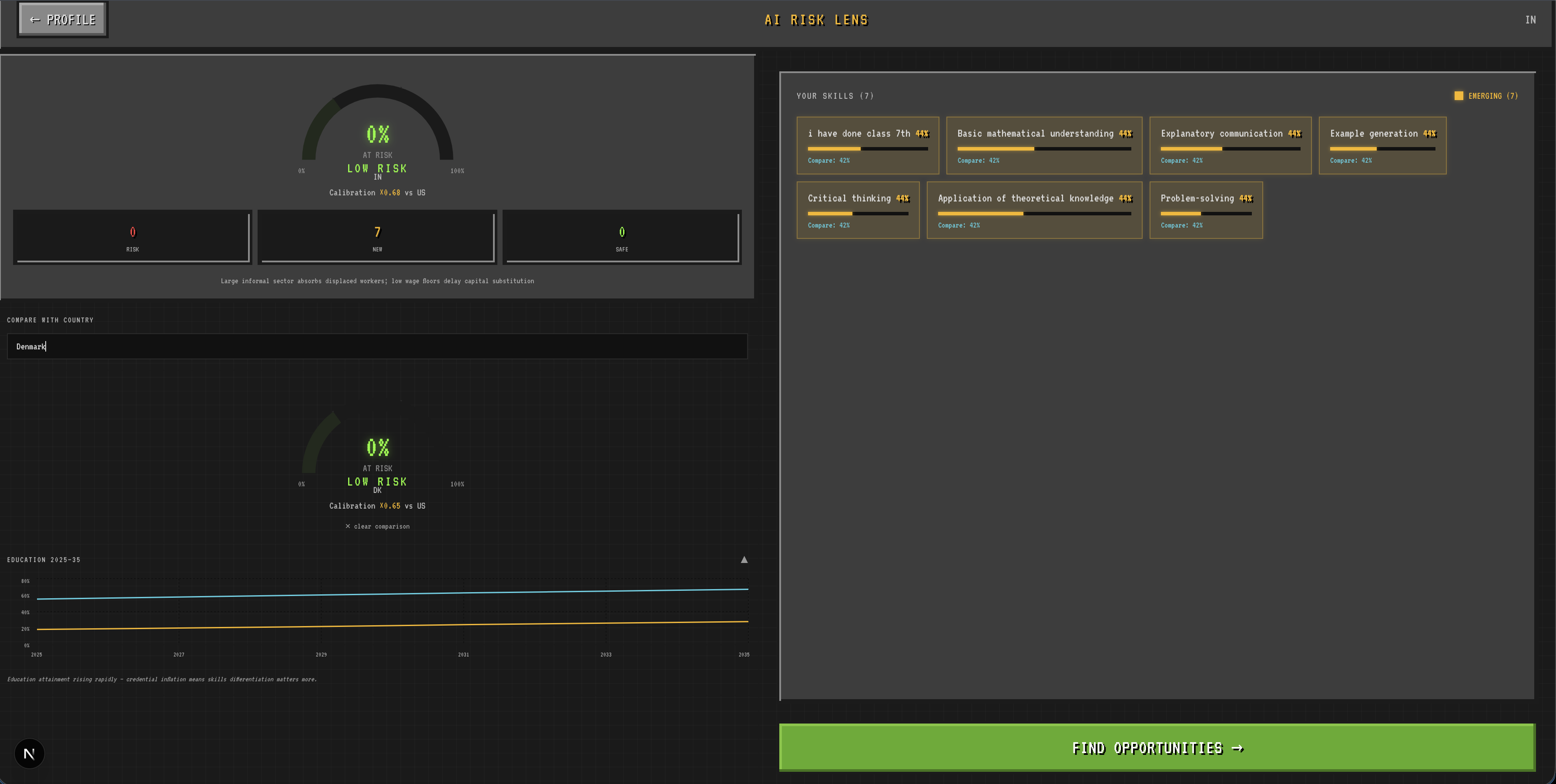
the skills you are learned what is the compatablity of with other countries to know your actuall skill worth .
-
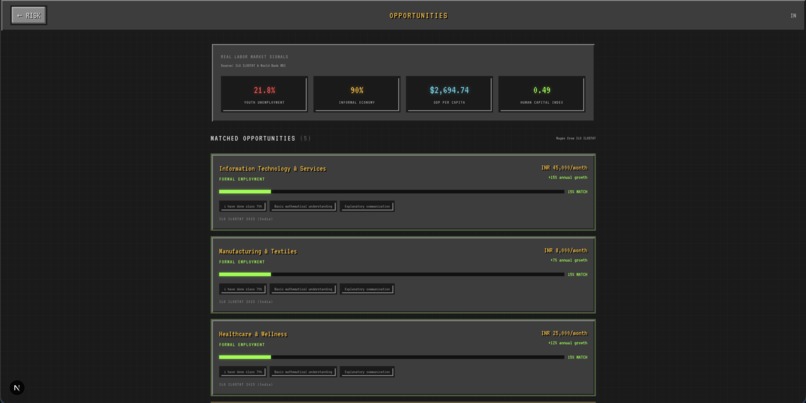
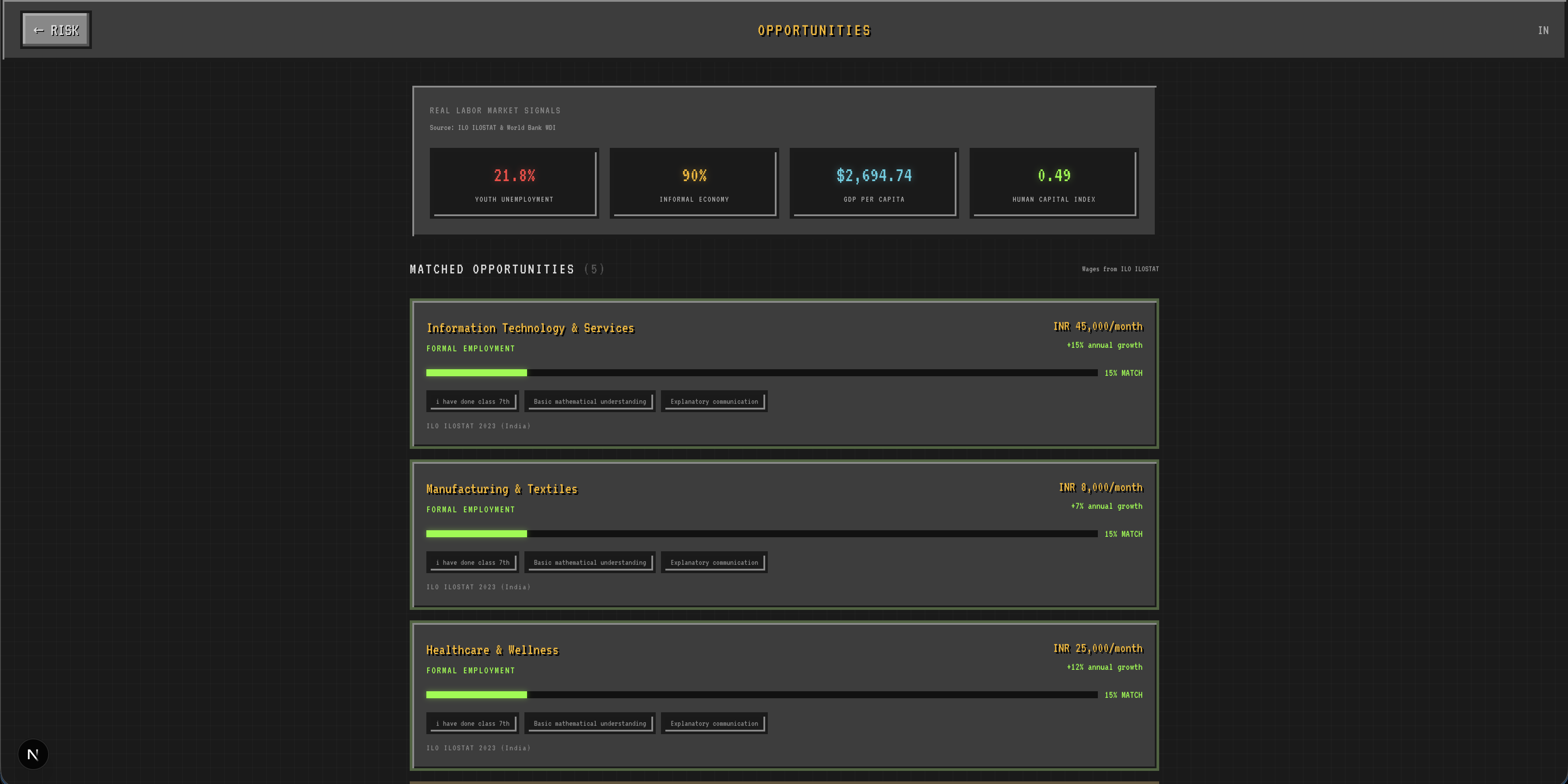
This section helps you to which jobs you are allinged and whats the growth per year of that job .
Inspiration
Over 600 million young people in low- and middle-income countries (LMICs) possess real-world vocational skills but remain "economically invisible." While working as a developer apprentice, I realized that global recruitment is heavily biased toward paper credentials rather than actual competence. We built Skills-Craft to treat skills as a liquid asset—verifiable, portable, and visible to the global market.
What it does
Skills-Craft is an infrastructure layer that "maps the unmapped." It uses a conversational AI voice interview to extract informal skills, maps them to the ESCO v1.1 taxonomy, and provides an AI Risk Lens to help users navigate automation threats. It provides a portable "Skill Certificate" backed by real-world data from the World Bank and ILO.
How we built it
We engineered a modular full-stack AI solution:
- Backend: Python and FastAPI for high-concurrency async processing.
- AI Intelligence: Amazon Bedrock (Claude 3) for adaptive interviewing and skill extraction.
- Frontend: Next.js 14 and Tailwind CSS for a high-utility, responsive dashboard.
- Data: PostgreSQL with pgvector for semantic similarity matching. To ensure competence, we developed a custom Confidence Score $S_c$:
$$S_c = \frac{\sum_{i=1}^{n} (W_i \cdot V_i)}{Q_t}$$
(Where $W_i$ is question weight, $V_i$ is validation accuracy, and $Q_t$ is total questions).
Challenges we ran into
The primary hurdle was Voice-to-Logic Latency. To make the AI interview feel natural, we optimized inference pipelines between FastAPI and Amazon Bedrock. We also faced challenges in calibrating the AI Risk Lens using World Bank and ILO datasets to ensure automation probabilities were accurate for local informal economies.
Accomplishments that we're proud of
We successfully built a system that is country-agnostic by design, currently optimized for regions like Ghana and India using YAML configurations. We are proud of creating a tool that gives a technical "voice" to manual expertise without requiring a formal degree.
What we learned
We learned that the "invisible" workforce doesn't need more training—they need validation. We also gained deep insights into using vector embeddings for semantic skill matching and the power of managed foundation models via Amazon Bedrock.
What's next for Skills-Craft
Next, we plan to integrate more localized language support (Hindi, Swahili, etc.) to increase accessibility. We also aim to partner with local NGOs to deploy the Opportunity Matching module directly into community-driven job markets.
Built With
- amazon-bedrock-(claude-3)
- fastapi
- next.js
- openai-whisper
- pgvector
- postgresql
- python
- tailwind-css
- typescript

Log in or sign up for Devpost to join the conversation.