-
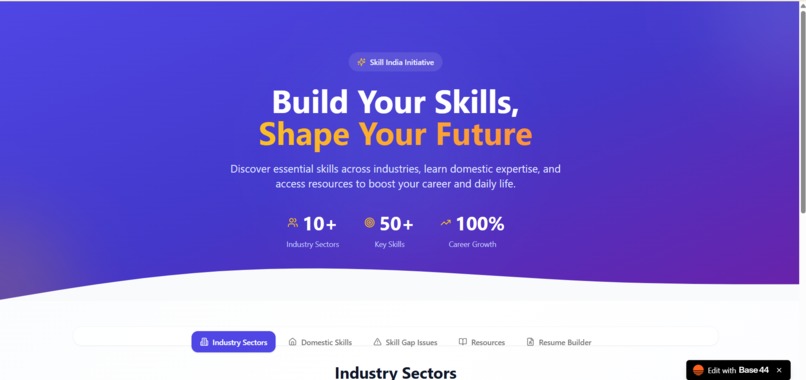
skill india
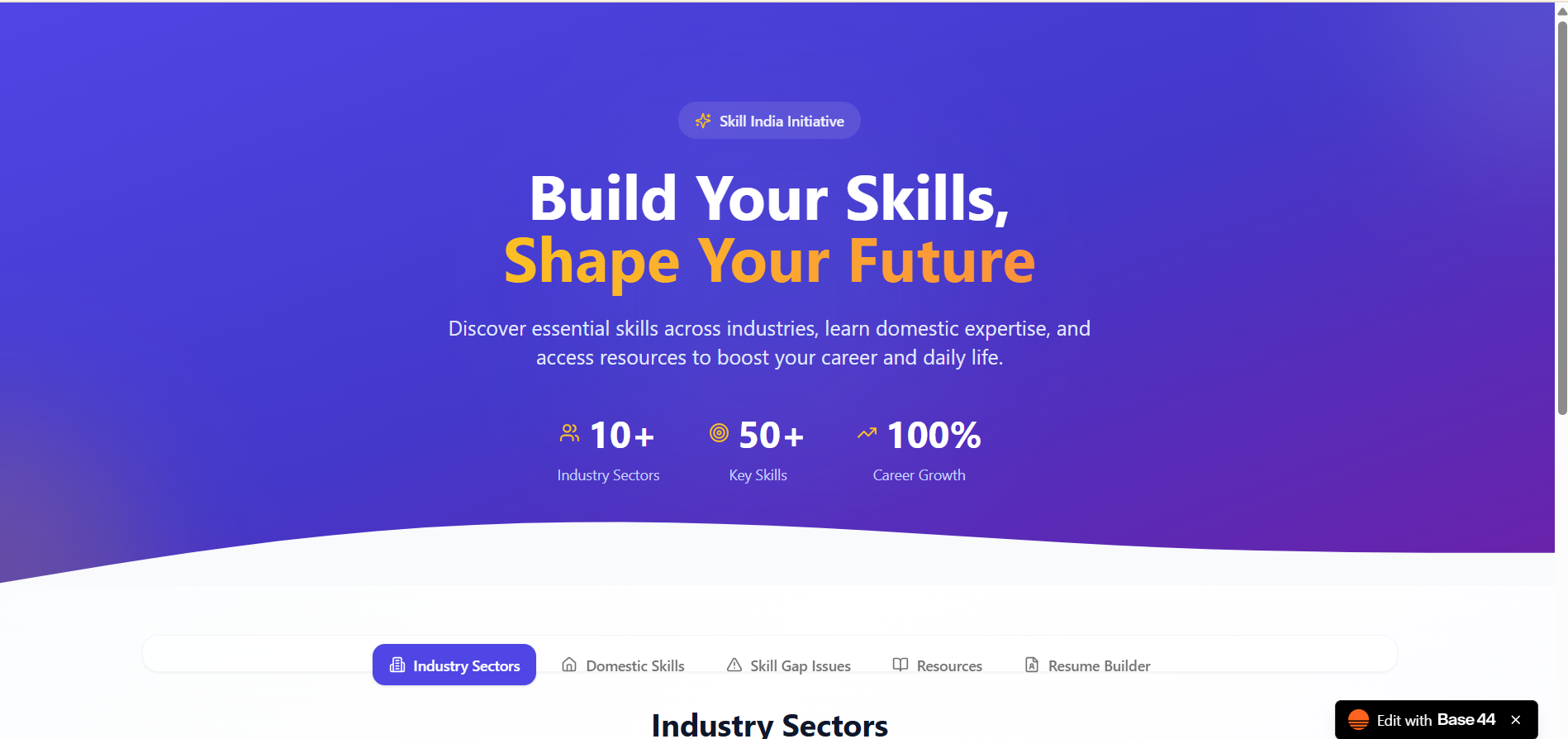
THE REASON BEHIND THE IDEA
There is no exact, up-to-date figure for the number of unemployed people in India between 18 and 45. However, data from the Periodic Labour Force Survey (PLFS) indicates high youth unemployment in the 15-29 age group, with the overall urban youth unemployment rate at 18.8% as of October 2025. For the broader 18-45 age group, a more precise number is not available, but official data sources and analyses can provide insights into the trend, which remains a major concern.
Key trends and statistics
Overall Youth Unemployment: The Periodic Labour Force Survey (PLFS) reported that the overall youth unemployment rate (ages 15-29) rose to 18.8% in October 2025.
Urban Youth Unemployment: The urban youth unemployment rate reached 18.8% in October 2025.
Female Youth Unemployment: Female youth unemployment is significantly higher, with the rate surging to 25.8% in urban areas.
Male Youth Unemployment: The male youth unemployment rate was 16.6%.
Female Unemployment: The unemployment rate for urban women was 8.7% in April-June 2025.
The number of unemployed people in India is not a fixed figure but can be estimated from the latest data. For the year 2023-24, the unemployment rate was 3.2% based on the "usual status" survey, with a total of roughly 20-25 million people being unemployed. Monthly data from August 2025 shows a 5.1% unemployment rate, and this figure can vary depending on the survey's methodology and reference period.
The number of unemployed people in India can be estimated from recent data, but there is no single, consistently reported figure for every year from 2000 to 2025. Recent data shows an unemployment rate of approximately 4.9% in March 2025, which, when applied to the estimated labor force of around 610 million people in 2025, would translate to about 30 million unemployed individuals. Older data is available but uses different methodologies, making direct comparisons difficult.
Current Estimate (2025): With an estimated labor force of 610 million and a reported unemployment rate of 4.9% in March 2025, there were approximately 30 million unemployed people.
Older Data (e.g., 2011-12): The Ministry of Statistics and Programme Implementation (MoSPI) reported 9.8 million unemployed people in 2011-12 under a "usual status" methodology, while older data using different methods like "current daily status" (CDS) showed different figures.
Methodology Matters: Comparing older data to the most recent figures is challenging because the methods for counting unemployment have changed over time, making a direct year-by-year comparison difficult.
Recent Trends: The unemployment rate has seen fluctuations, with a recent high of 20.8% in June 2020 during the pandemic, followed by a decline.
Data Availability: The Indian government is shifting to monthly unemployment data releases, which will provide more frequent and detailed information in the future.
No of jobs created by skill india.
with a total of roughly 20-25 million people being unemployed.
25% of 25 million:
25,000,000×0.25=6,250,000 25 , 000 , 000 × 0 .
25
6 , 250 , 000
Advanteges
Making India's workforce skilled across all sectors leads to economic growth, increased competitiveness, and higher employability for citizens. A skilled workforce boosts GDP, reduces unemployment, attracts foreign investment, and encourages entrepreneurship. This also allows for a smoother transition of labor from sectors like agriculture to more productive manufacturing and service sectors.
Economic benefits
Boosts GDP: A more productive workforce increases the efficiency of production processes, leading to a higher Gross Domestic Product.
Increases competitiveness: A highly skilled workforce makes Indian businesses more competitive on a global scale, leading to higher exports and better trade balance, as seen in the Make in India initiative.
Attracts investment: A skilled workforce is a major draw for Foreign Direct Investment (FDI), as companies are more likely to invest in countries with a readily available pool of talent.
Fosters entrepreneurship: By providing the skills and guidance needed, programs can help budding entrepreneurs start their own businesses, creating new jobs and opportunities.
Employment and social benefits
Reduces unemployment: Skill development directly addresses the gap between the skills demanded by employers and the skills possessed by job seekers, leading to higher employability and lower unemployment rates.
Creates better jobs: A skilled workforce can lead to more high-paying, higher-standard of living jobs, particularly in sectors like IT and manufacturing.
Improves living standards: Increased employment and higher wages contribute to a better overall quality of life for individuals and society.
Supports sector transition: It helps individuals transition from traditional jobs, such as in agriculture, to more modern and productive sectors like manufacturing and services.
Other advantages
Encourages innovation and adaptability: A culture of lifelong learning and skill development makes the workforce more adaptable to new technologies and market demands.
Promotes equality and inclusion: Skill development can be directed toward marginalized communities, ensuring equal growth and opportunities across different segments of society.
Boosts domestic manufacturing: A skilled workforce is essential for the success of domestic manufacturing initiatives, leading to greater self-reliance and reduced dependence on imports.
Fincial profit
Money collected by each person 30000 to 40000 thousand
The turnover of the company in one year 2000 crores
Stock market 2800 crores
Land give by government free
Infrastructure by government free
Employment to 21000 skilled trainers 10000 maintaince staff
MARKETING STRAGEY
. Build a Strong Digital Presence
a) Create a simple website
Show your mission, courses, training centers, fees, and success stories.
Add registration form + WhatsApp contact.
b) Make Instagram, YouTube, and Facebook pages
Upload short videos of:
Skill demos (mobile repair, tailoring, computing, etc.)
Student success stories
Free tips & tutorials
Use trending reels to reach lakhs of people.
c) WhatsApp Business
Create course brochures
Share updates
Add quick reply messages
Use WhatsApp channels
✅ 2. Partner with Schools & Colleges
Conduct free workshops on “Skill Development & Career Paths”.
Give free certificates for participation.
Keep a registration desk to collect leads.
Talk to principals for long-term partnerships.
✅ 3. Tie-up with Government Schemes
Many government programs focus on skill development:
NSDC (National Skill Development Corporation)
PMKVY (Pradhan Mantri Kaushal Vikas Yojana)
DDU-GKY
Skill India Mission
You can:
Become a certified training partner
Apply for funding
Promote your brand through government channels
✅ 4. Community Outreach
a) Village-level camps
Organize skill camps in rural areas
Show small demos (electronics, computer skills, tailoring)
Use speakers, banners, and pamphlets
b) Work with NGOs
NGOs already have community networks
Collaborate for training centers
✅ 5. Corporate Collaborations
Approach companies for CSR funding
Offer skill training for jobs in the company
Provide job-ready candidates to employers
(This builds trust + placements)
✅ 6. Franchise Model
Built With
- chat

Log in or sign up for Devpost to join the conversation.