-
-
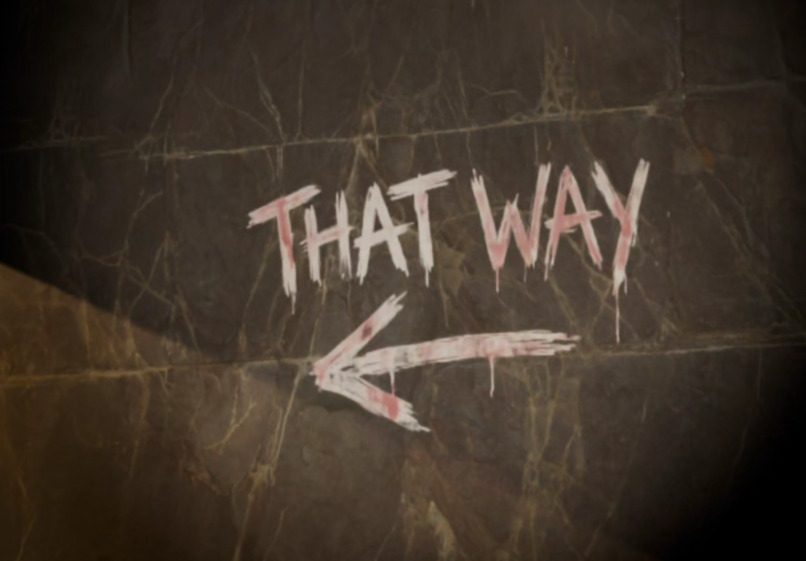
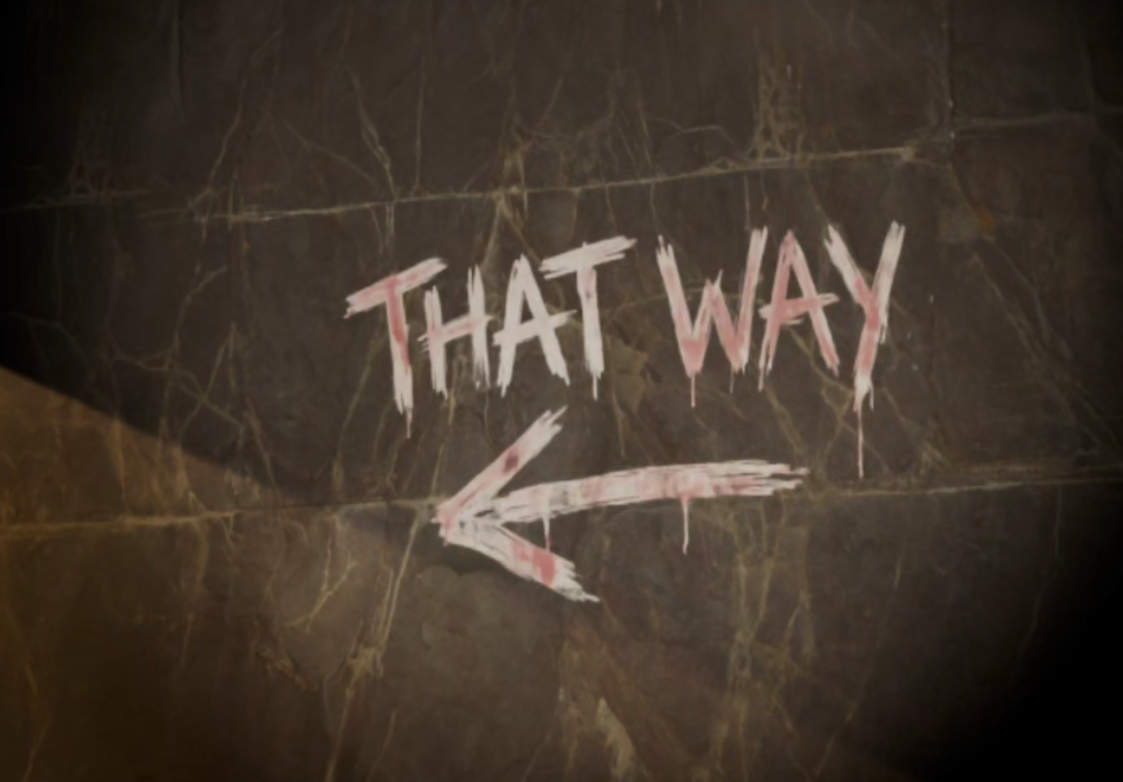
You can enable hints
-
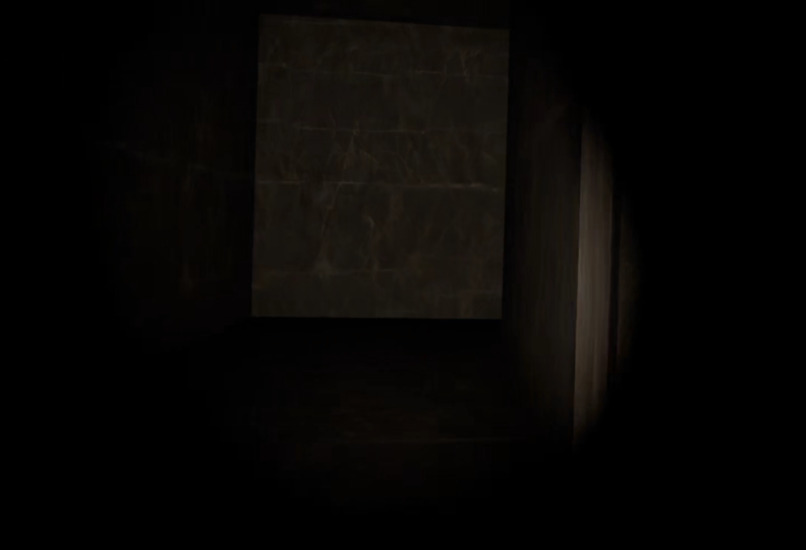
The dark corridors
-
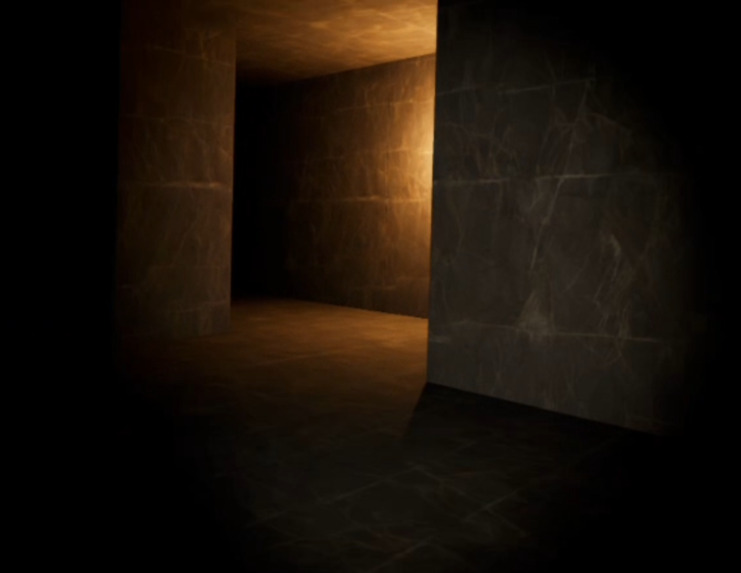
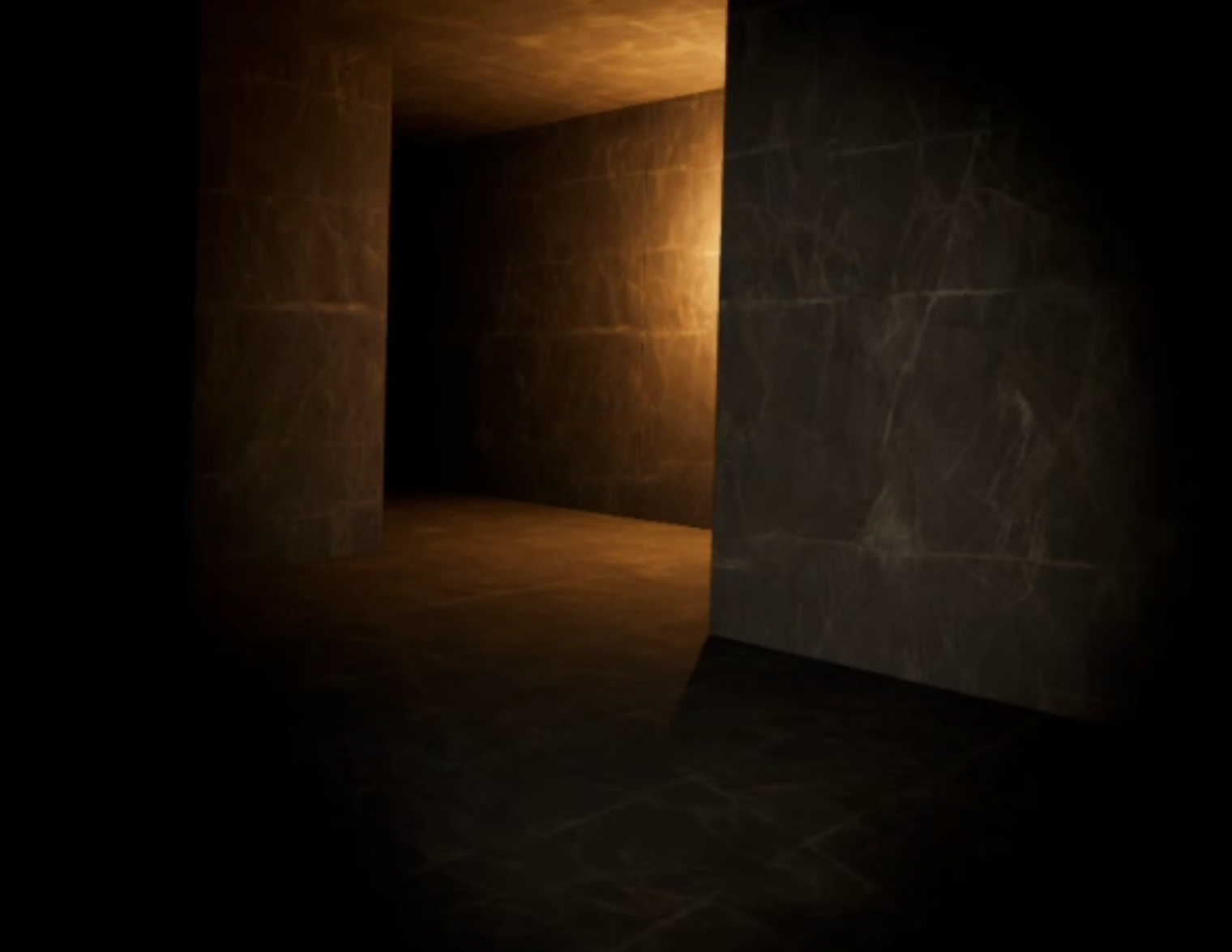
Sometimes you find lights
-
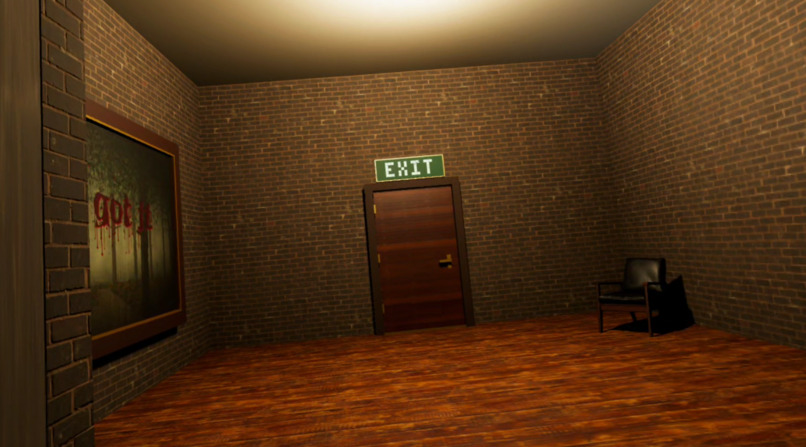
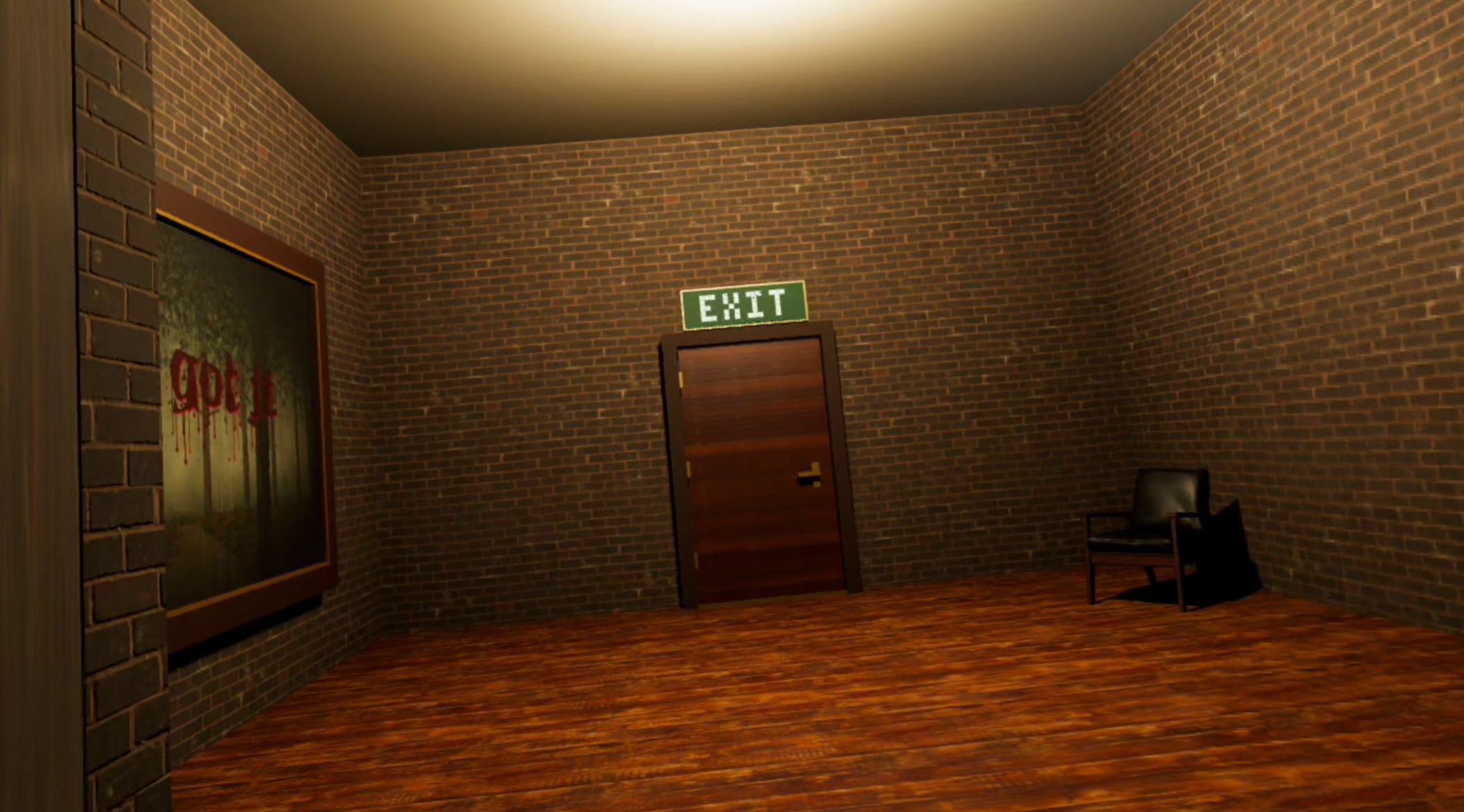
The end of the maze
-
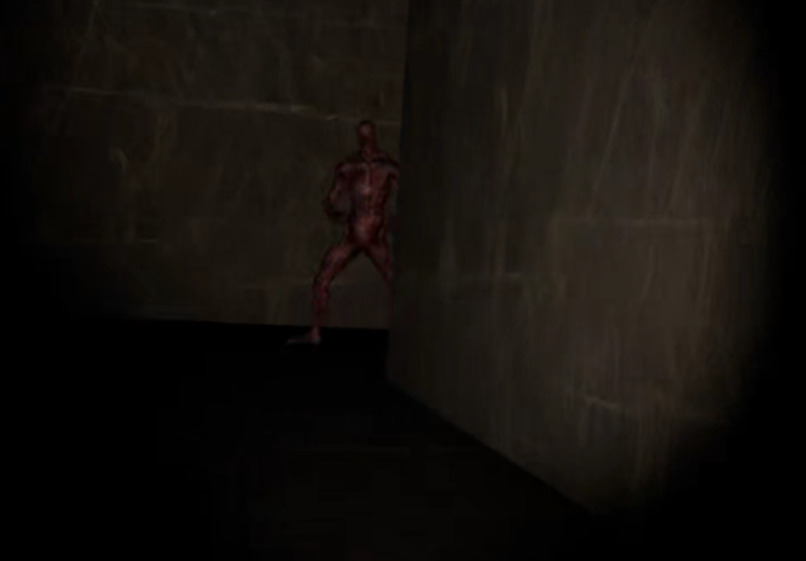
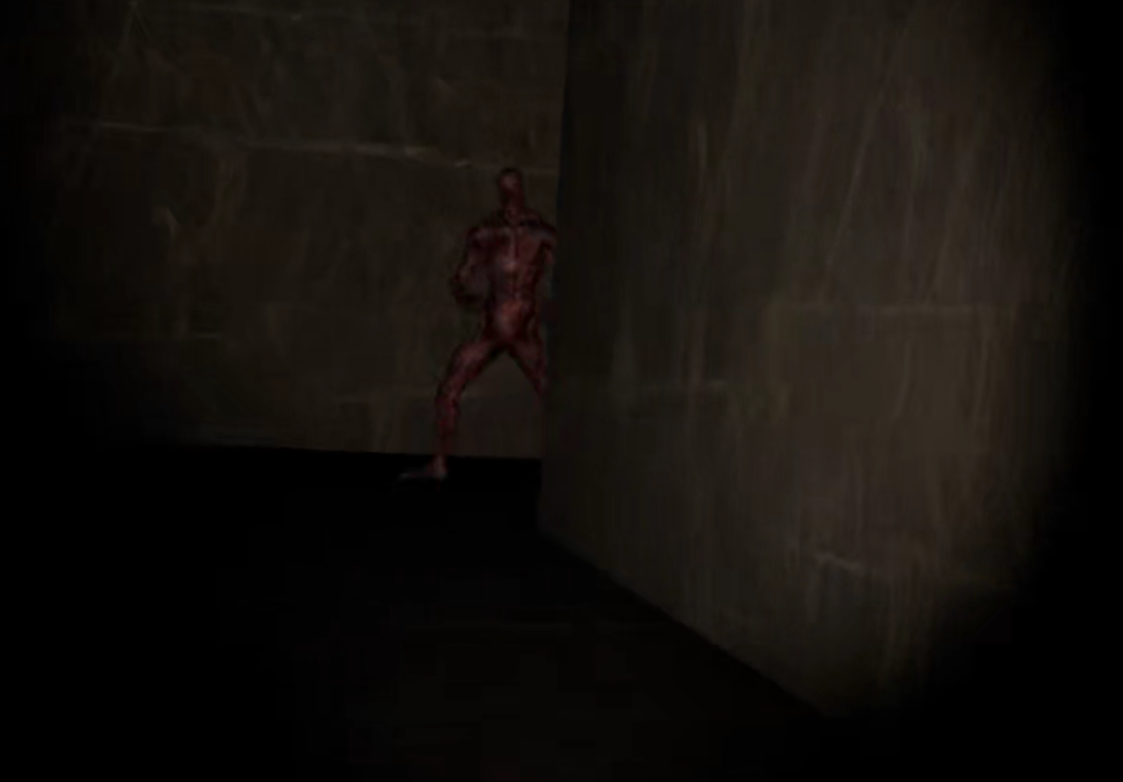
meeting a creature
Out of the Dark
Inspiration
I started with a classic maze game and took away the one thing that makes it manageable: being able to see. A narrow flashlight beam makes even an empty corner worth checking twice. I also wanted each escape to feel unfamiliar, so the labyrinth is generated anew every time you start the game. You can't memorize the way out—you have to find it all over again.
What it does
You explore a dark, randomly generated labyrinth, mark your route with spray paint, and try to reach the exit before the zombies catch you. Play standing with controllers or hand tracking, seated without creatures, or on desktop.
How I built it
I used IWSDK, TypeScript, and Vite. IWSDK's integrated agentic AI tools and MCP (Model Context Protocol) services helped me build and inspect the scene, iterate on interactions, and work through gameplay logic.
Challenges I ran into
Lighting was the hardest part: keeping the corridors dark without making the game unreadable, then getting shadows to work within the headset's rendering limits. Reliable hand gestures and walk-in-place movement also took plenty of iteration.
Accomplishments I'm proud of
Sweeping the flashlight around a corner feels right. Having the light in one hand and spray paint in the other gives both hands a purpose, while walking in place lets you keep looking over your shoulder.
What I learned
IWSDK was new to me. Its built-in MCP services made AI-assisted development much more useful than code generation alone: I could inspect what was actually happening in the running app. I also learned how much small changes to lighting and input thresholds affect the experience.
What's next for Out of the Dark
The pursuers are already in. Next is making encounters less predictable, improving textures and environmental detail, and tuning movement and performance through more headset playtesting.
Built With
- intellij-idea
- iwsdk
- opencode
- typescript


