-
-
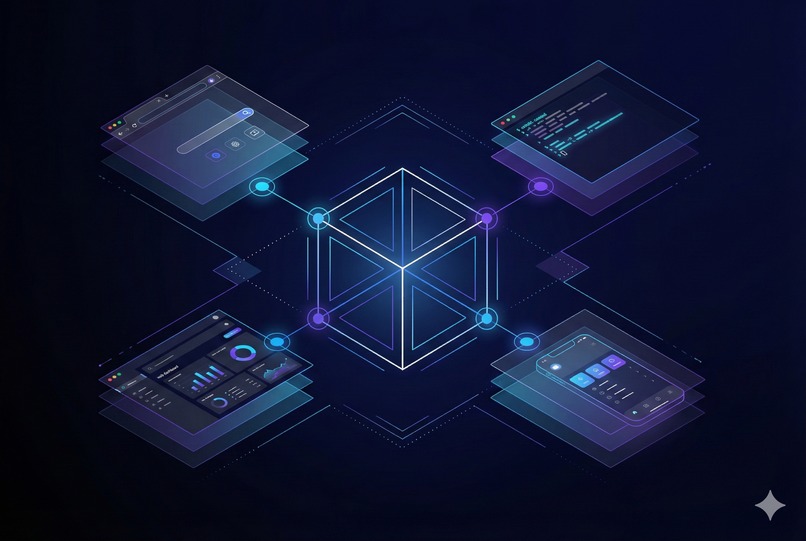
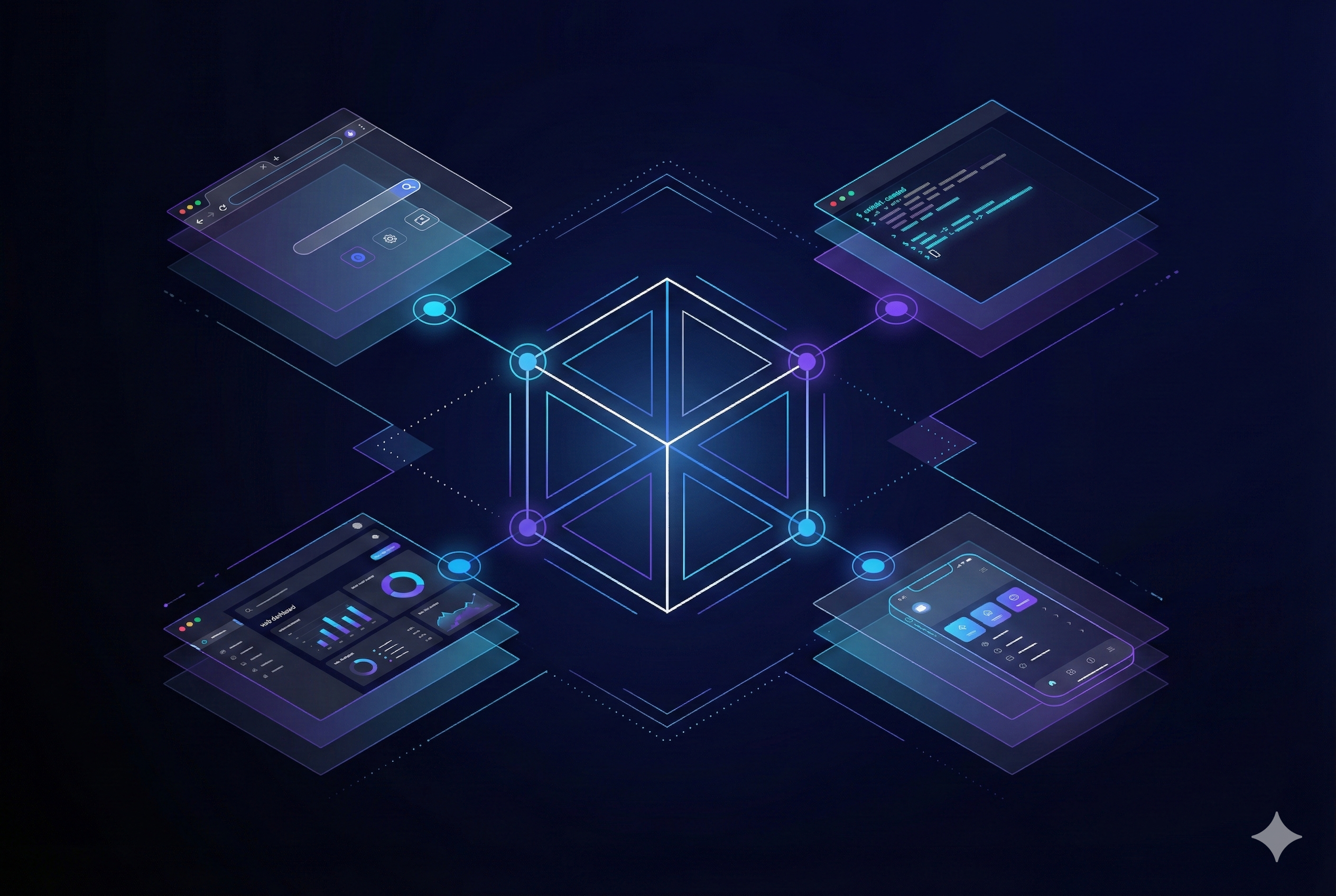
Skeleton Crew Runtime: Same core, different applications
Inspiration
Modern frameworks force you to adopt their entire stack. Skeleton Crew provides minimal structure - screens, actions, events, plugins - without UI constraints. Just enough to be useful, nothing more.
What It Does
A minimal, plugin-based runtime with four subsystems: Plugin Registry, Screen Registry, Action Engine, and Event Bus. Completely UI-agnostic - works with any framework, CLI, browser extensions, or no UI at all.
Two demos: Dev Tool Launcher (Command Palette) and CollabHub (real-time collaboration). Same runtime, different purposes.
How We Built It
Spec-driven development in four phases:
- Core runtime with four subsystems
- Terminal example app to validate the API
- Two real-world demos (tab manager, docs engine)
- Documentation and hardening
Stack: TypeScript 5.x, Vitest, ESM modules, React (demos only), Vite, Chrome APIs.
Challenges We Ran Into
TypeScript ESM module resolution (.js extensions required), plugin lifecycle management (registration, cleanup, error handling), maintaining UI-agnostic architecture, and browser extension context isolation.
Accomplishments That We're Proud Of
Under 500 lines of TypeScript core. Two radically different applications using the same runtime. Production-ready with 90%+ test coverage. Intuitive, type-safe plugin API. Complete documentation with tutorials and migration guides.
What We Learned
Specs are essential for complex projects. Steering docs create consistency. Minimal cores enable maximum flexibility. Plugin architectures scale without touching the core.
What's Next for Skeleton Crew Runtime
Published to npm. Building more demos (CLI tools, workflow engines, admin dashboards). Creating plugin ecosystem (storage, analytics, auth, UI adapters). Developer tools (generator CLI, inspector, profiler). Advanced features (plugin dependencies, hot reload, sandboxing).
Built With
- esm
- kiro
- typescript

Log in or sign up for Devpost to join the conversation.