-
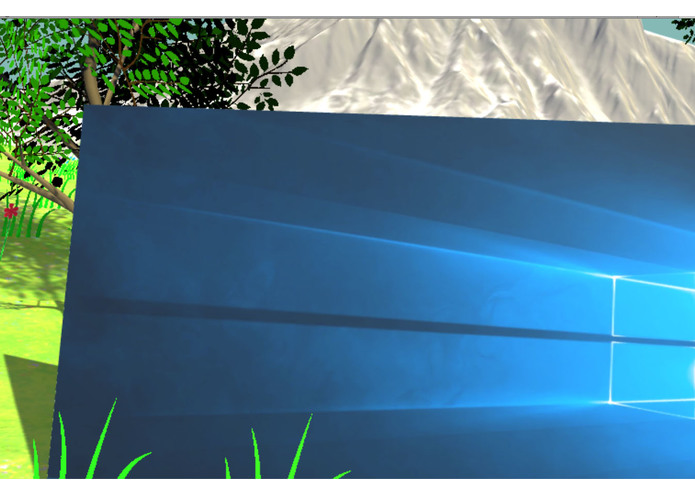
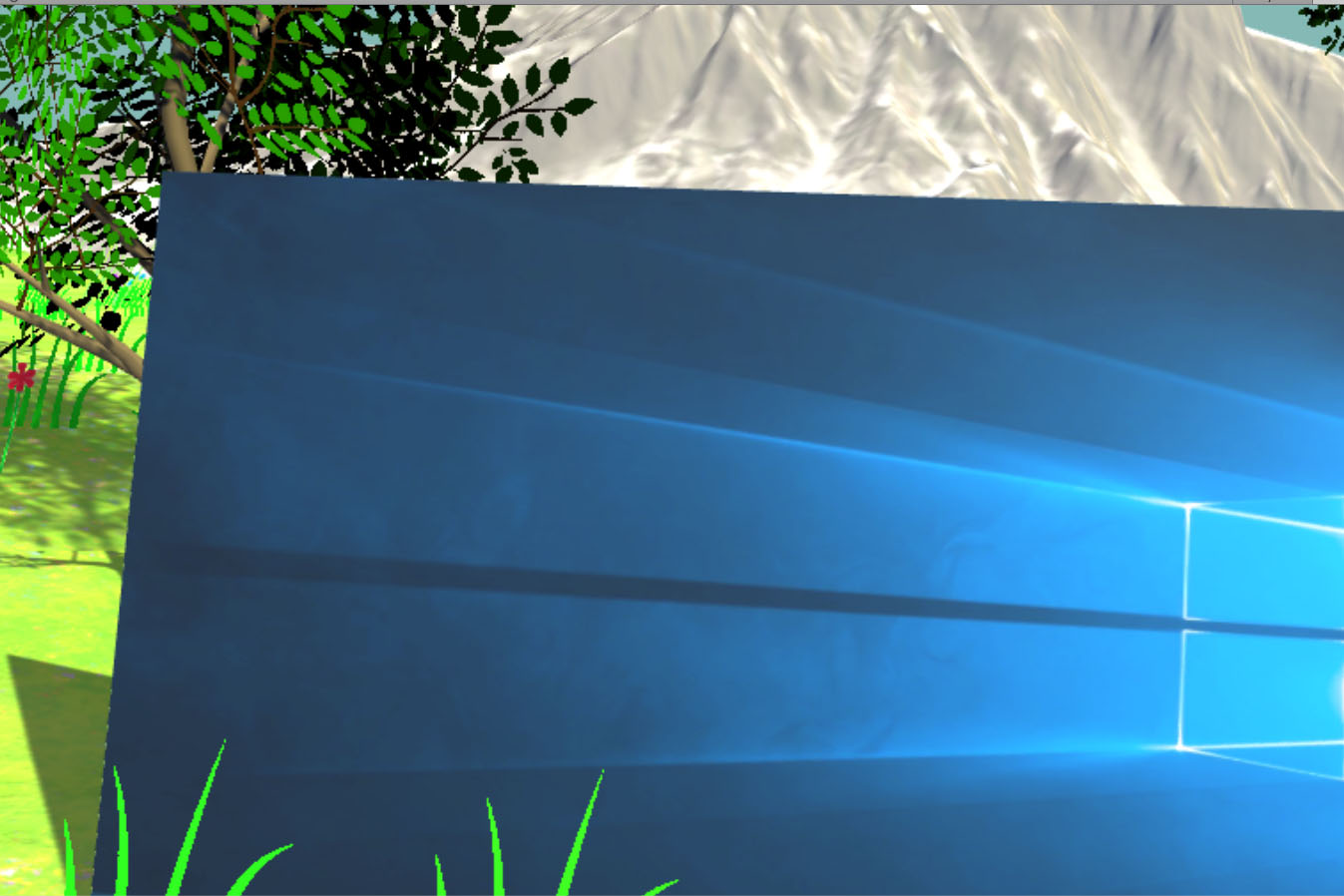
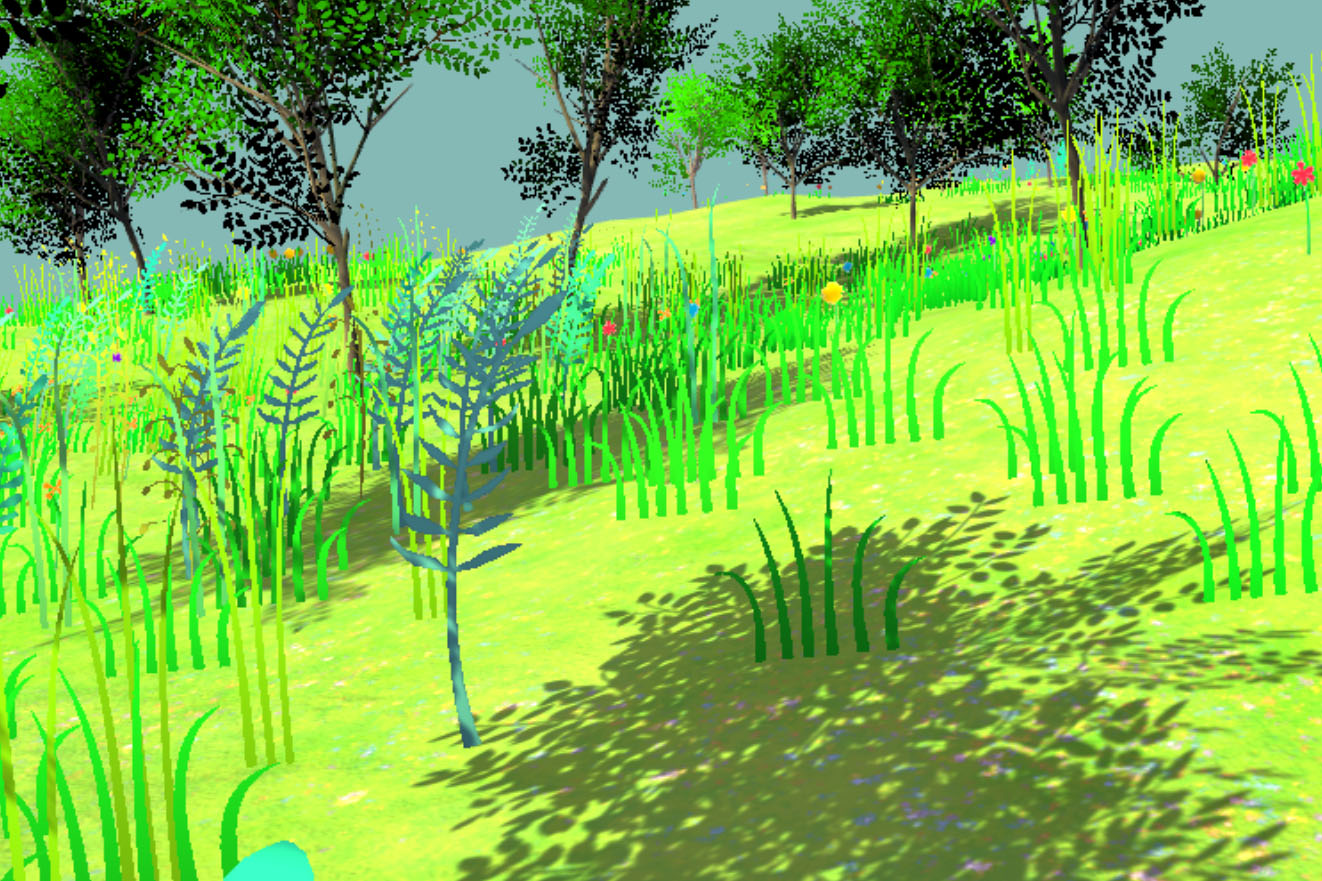
Screen in Day Forest
-
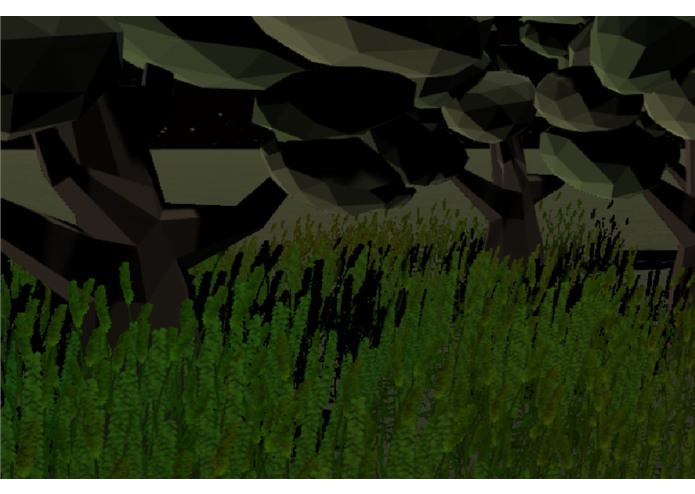
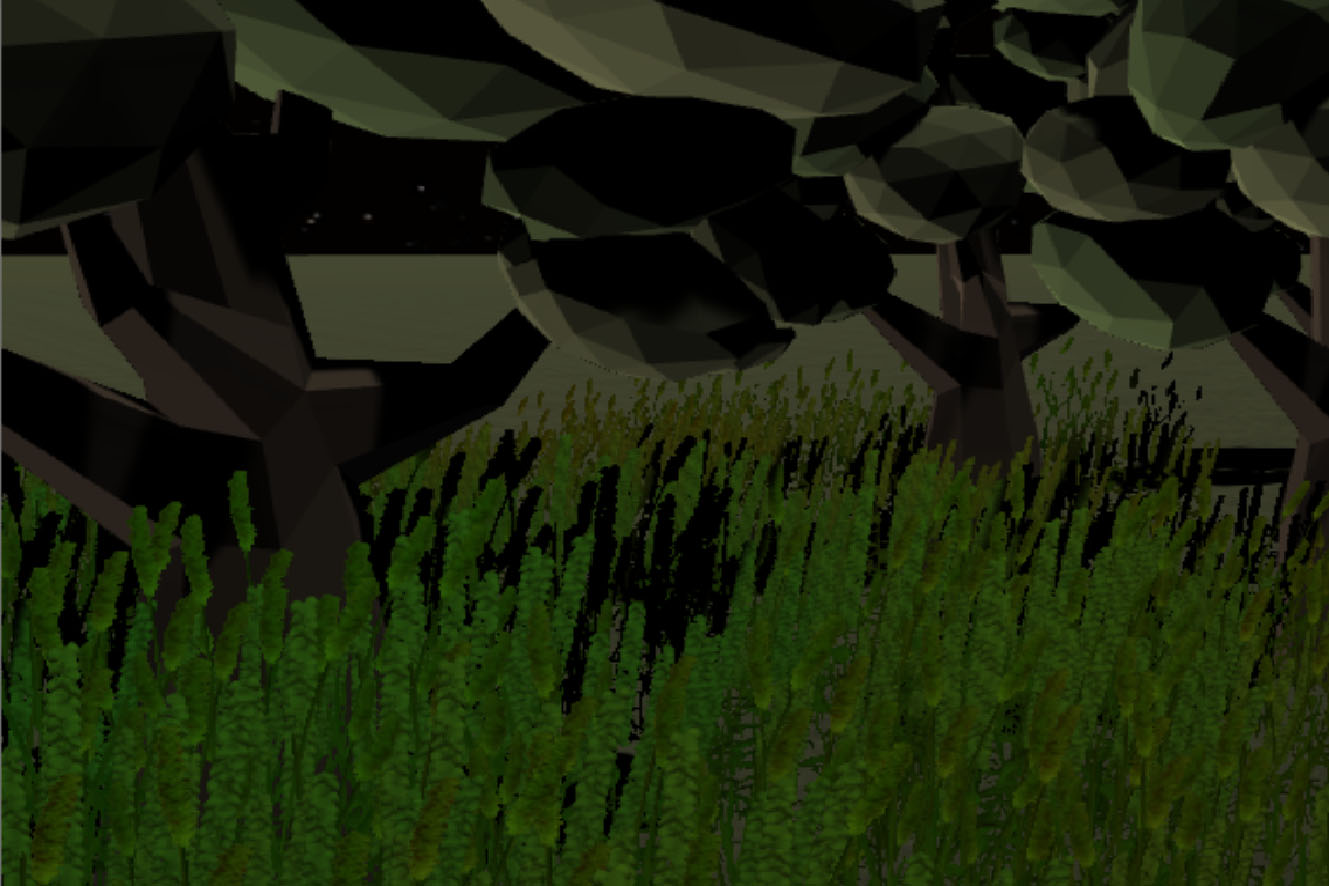
Night Forest
-
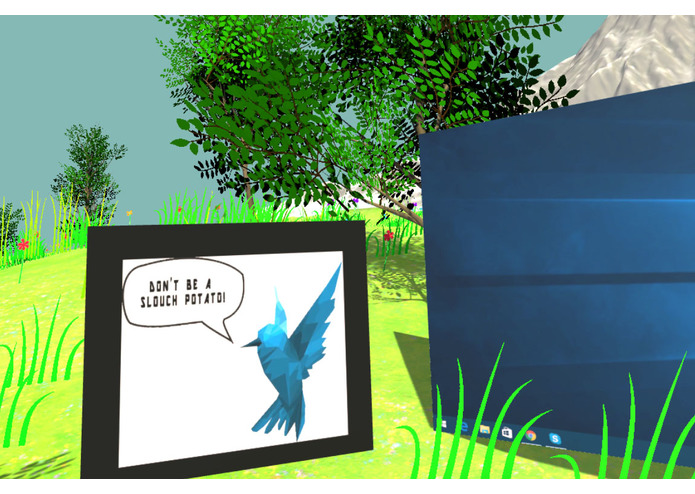
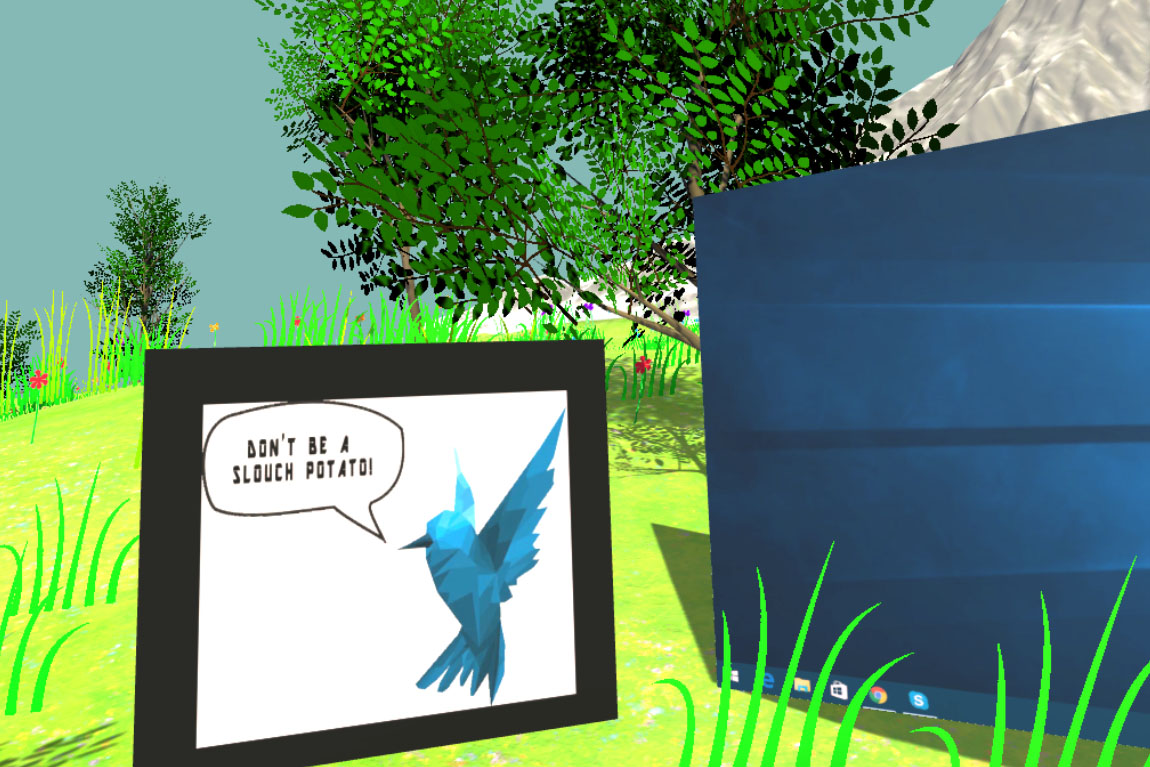
Pop-up Reminder
-
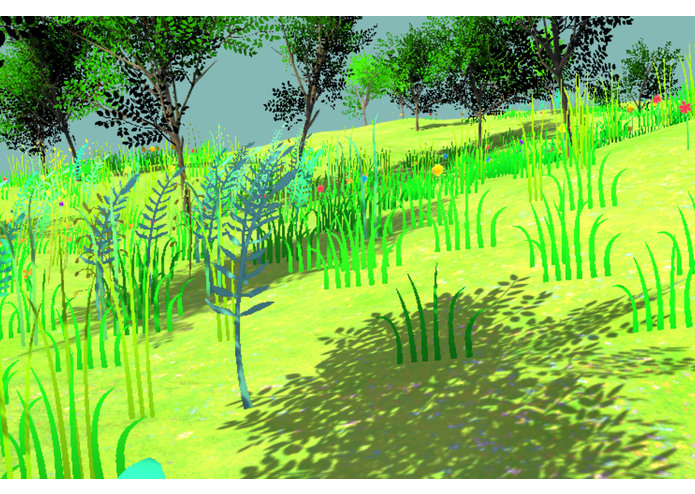
Day Forest Animated Plants
-
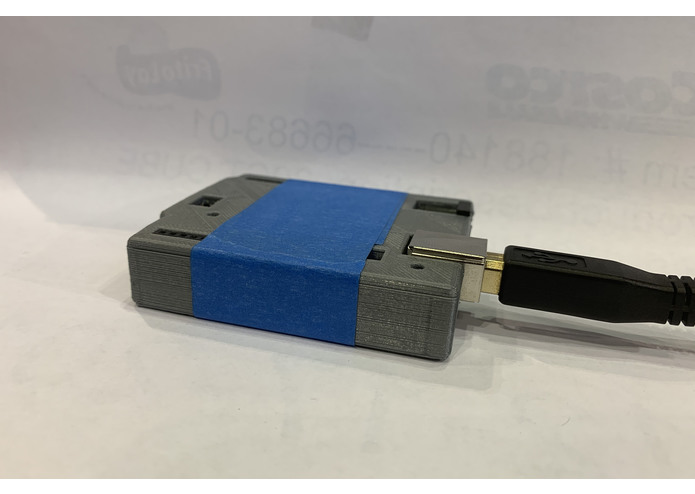
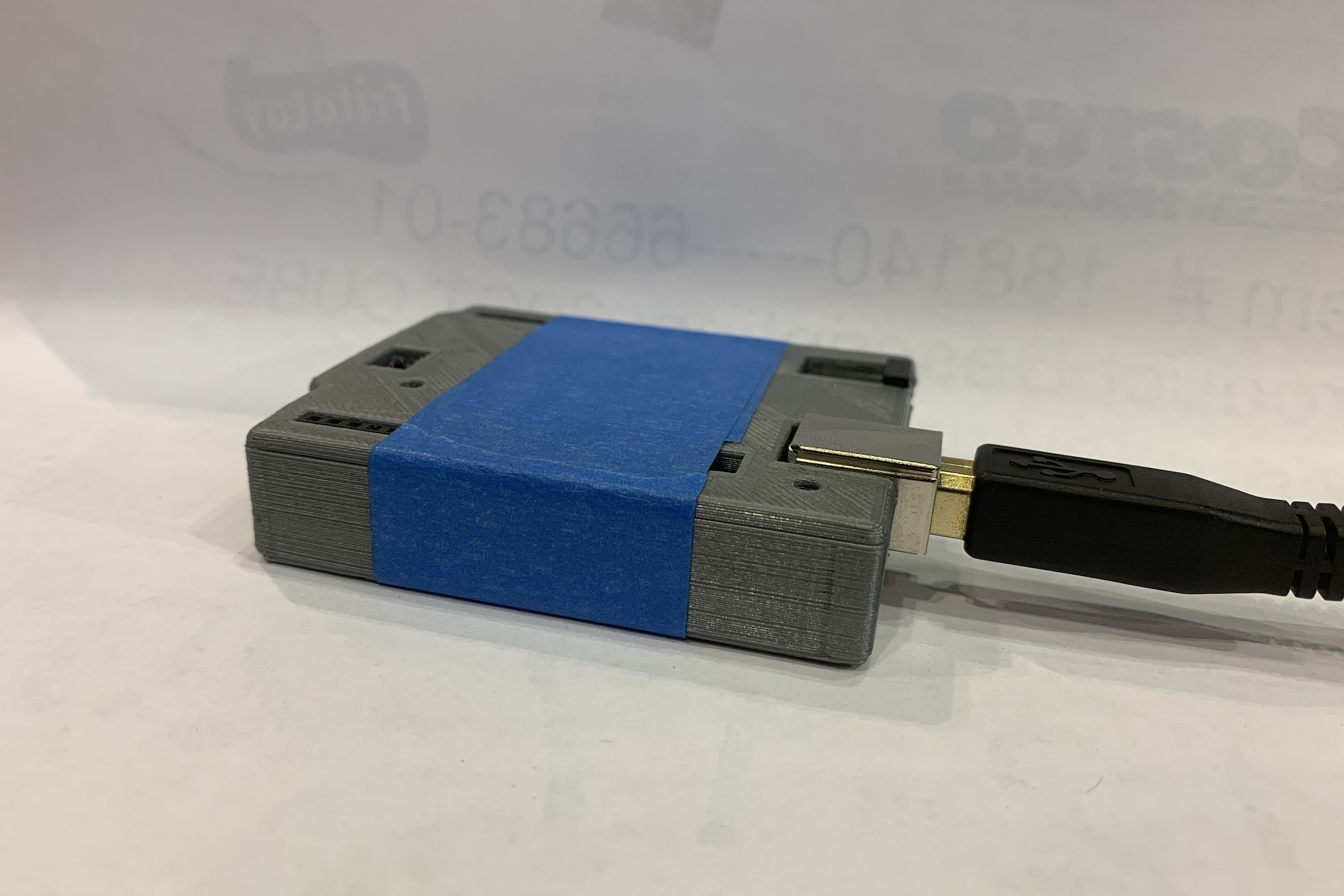
Arduino 101 - Hardware
Inspiration
As we competed in this year's hackathon for the past 36 hours, we observe as the exhausted competitors around us slowly slouch towards the screen of their computers. It is an issue we all face in our daily lives in this technical age, and we would like to help individuals who spend countless hours in front of a screen be engaged in their work while bringing awareness towards their postures.
What it does
We have designed an accelerometer to measure the angle in which the user is slouching which then notifies the user to sit up straight. The device will be able to be worn at the base of the user's neck (back and/or front). Users wear an Oculus Rift headset in which will transport them into aesthetic environments such as the forest at day/night. Along with the beautiful 360 landscape, users may also enjoy ambient sounds of the nature around them as they work. A desktop mirrored into the environment will allow users to code/draw/work in a breathtaking and more enjoyable manner.
How we built it
We software engineered the accelerometer that communicates over Serial with a two-way handshake to ensure connection reliability. We used Unity to build the virtual worlds in which the user will be interacting with. Blender and Photoshop were also used in the process of designing the landscapes and small details that make up our project.
Challenges we ran into
A major challenge we faced was securing a quality mirrored desktop within the 3D world. Given the limited amount of time and being our first time working with virtual reality, it was especially difficult to safely convert datatypes between the programming languages c++ and c#. Halfway through the competition, we had to switch from Unreal Engine to Unity due to the confusion and uncertainties. In fact, we had to scrap our ideas 4 times through the hackathon before finally settling on Skape.
Accomplishments that we're proud of
We are proud of having worked as a team for 36 hours straight even though half our team is sick. To have approached working with Virtual Reality with no prior experience, we are very proud to have not only constructed our own environments but also integrated outside/real-world sensors to maximize the virtual experience.
What we learned
We all learned how to manipulate the 3D world in Unity. From spawning characters to setting up connections between two devices, we learned a variety of skills through trial and error. Rather than giving up, we pushed through with new ideas each time we had to scrap a previous idea. Consequently, we learned to approach the open-ended tracks from multitude points of perspectives to solve real-world problems. We even attempted to work with developing a phone app that we have never done before.
What's next for Skape
There are endless possibilities for Skape. We would like a mirrored desktop to work appropriately in the environment, and new features may be added to the positional tracking utilizing a 9 axis gyroscope, accelerometer, and magnetometer combined sensor array. Touch controllers may also be incorporated to allow users to interact more with the environment. Likewise, more backgrounds may be created with various themes and ambient sounds. A settings/menu could be incorporated to allow more granular customizations of their environment.

Log in or sign up for Devpost to join the conversation.