-
-
Logo
-
-
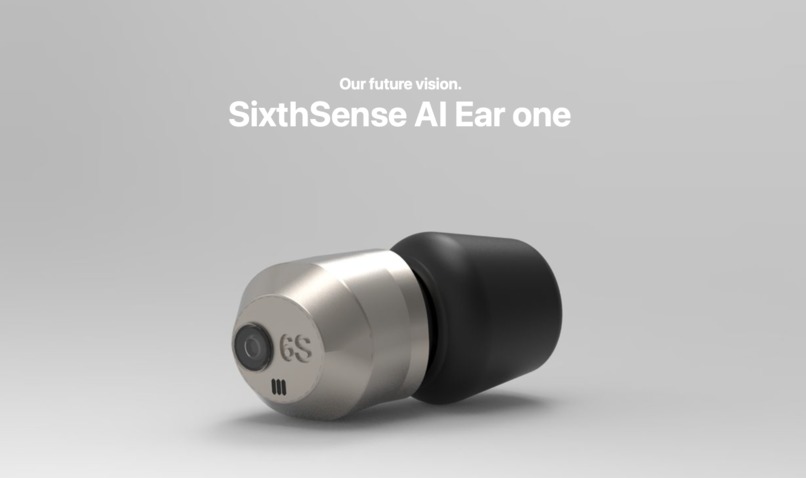

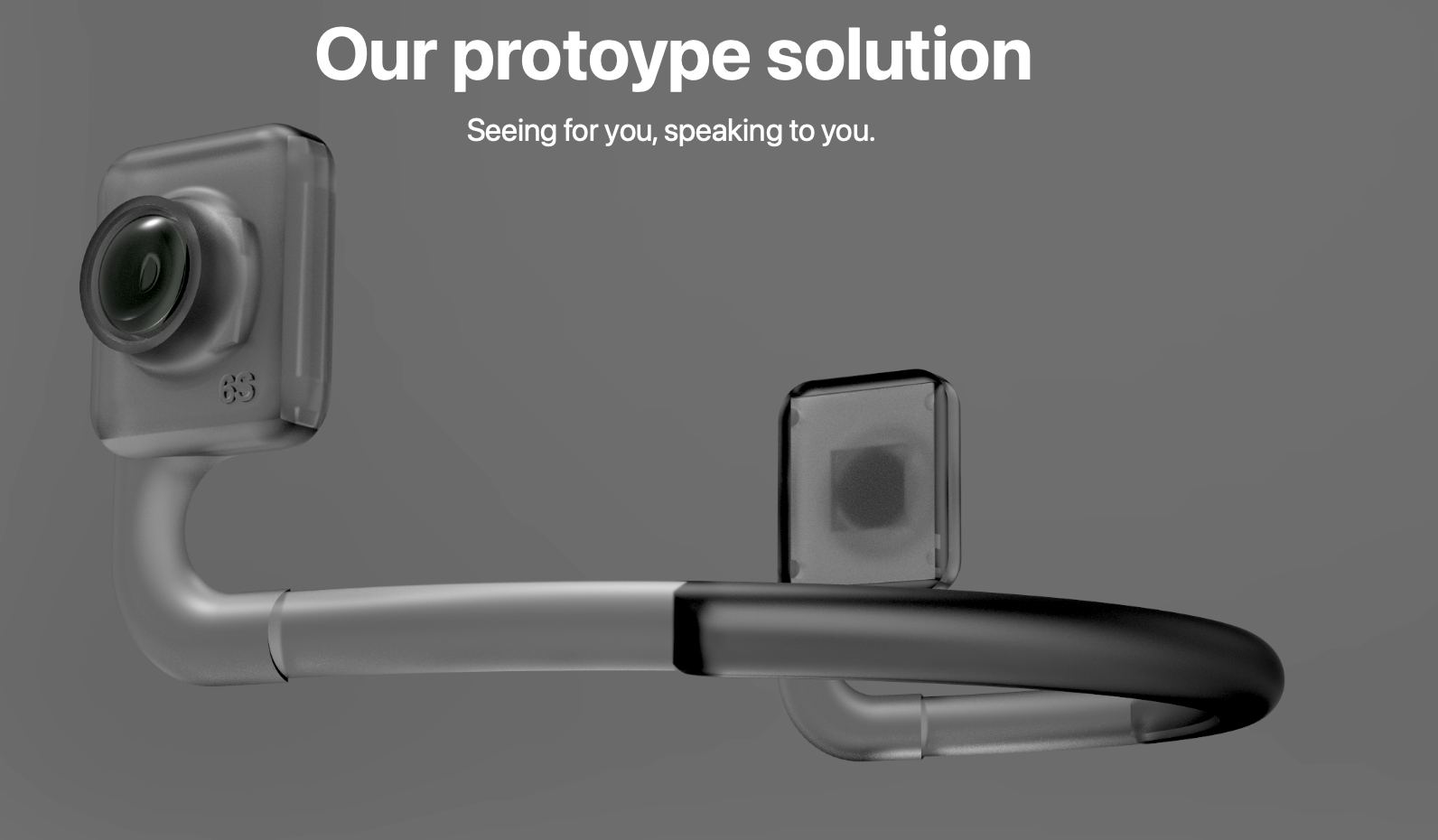
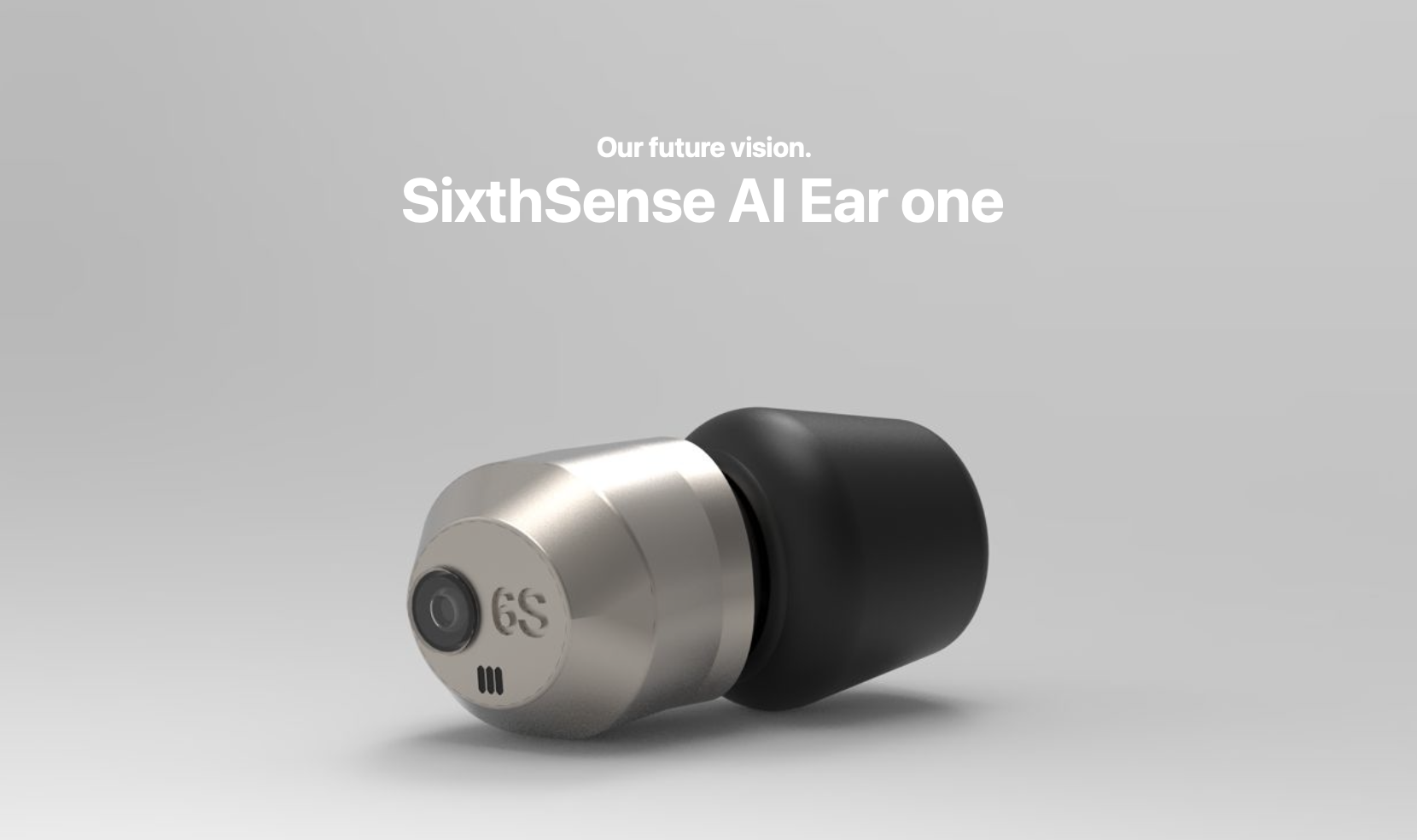
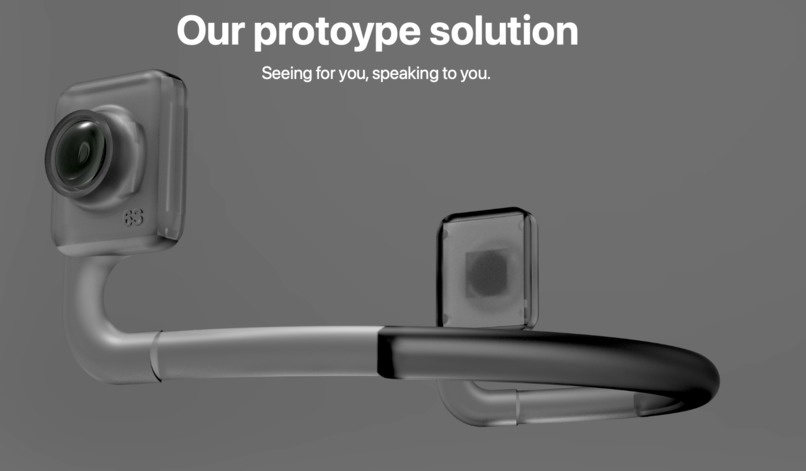
Sixthsense: Enhancing Voice Assistance with Visual Context
Inspiration
The inspiration for this project came from observing two critical limitations of current voice assistants. First, while they can process voice commands and provide responses, they lack true contextual awareness of the user's environment - something that's crucial for natural human interaction. Second, their voice output tends to be noticeably robotic and fails to capture the richness and nuance of human speech. This mechanical delivery often makes it difficult to convey complex information effectively, lacking the natural intonation, emphasis, and emotional qualities that make human communication so effective. We were particularly moved by the potential impact a more natural and contextually aware system could have on people with visual impairments, those with cognitive challenges like dementia, and anyone who needs hands-free assistance in their daily activities. By combining true environmental awareness with more natural voice interaction, we believed we could create a more intuitive and helpful assistant that better serves users' needs.
What it does
- Our solution combines real-time video processing with voice interaction to create a more comprehensive assistive experience:
- Processes live video feed to understand the user's environment
- Uses advanced action recognition to interpret what's happening around the user
- Provides real-time audio feedback through natural voice communication
- Offers contextual awareness for various situations like navigation, safety alerts, and crowd management
- Features memory replay capabilities to help users recall important information
How we built it
The system architecture consists of several key components:
- Video Processing Pipeline
- Real-time video capture and processing
- Action recognition algorithms
- Scene understanding modules
- Voice Interface
- Natural language processing
- Context-aware response generation
- Human-like voice synthesis
- Integration Layer
- Combining visual and audio processing
- Real-time synchronization
- User preference management
Challenges we ran into
Throughout development, we encountered several significant challenges:
Real-time Performance
- Balancing processing speed with accuracy
- Optimizing video analysis for mobile devices
- Reducing latency in voice responses Context Integration
- Video parsing across dual cameras
- Creating meaningful connections between visual and audio data
- Determining which information is most relevant to communicate
- Handling multiple simultaneous events
Accomplishments that we're proud of
- Developed software for and designed/built a hardware based project in 1 day
- Create voices with human like tonality and voices
- Implementing a novel algorithm for real time video recognition
What we learned
We learnt unique voice can help with familarity and
What's next for SixthSense
Future development plans include:
- Expanding the action recognition capabilities
- Implementing more sophisticated memory systems
- Improving personalization features
- Adding support for multiple languages
- Developing more specialized modules for specific use cases (dementia care, workplace safety, etc.)

Log in or sign up for Devpost to join the conversation.