-
-
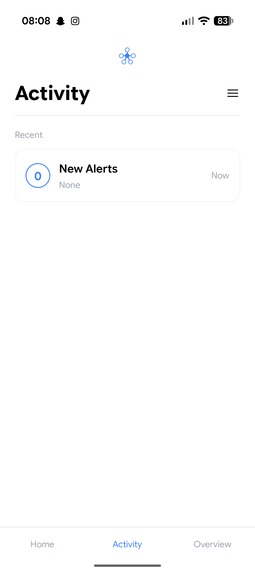
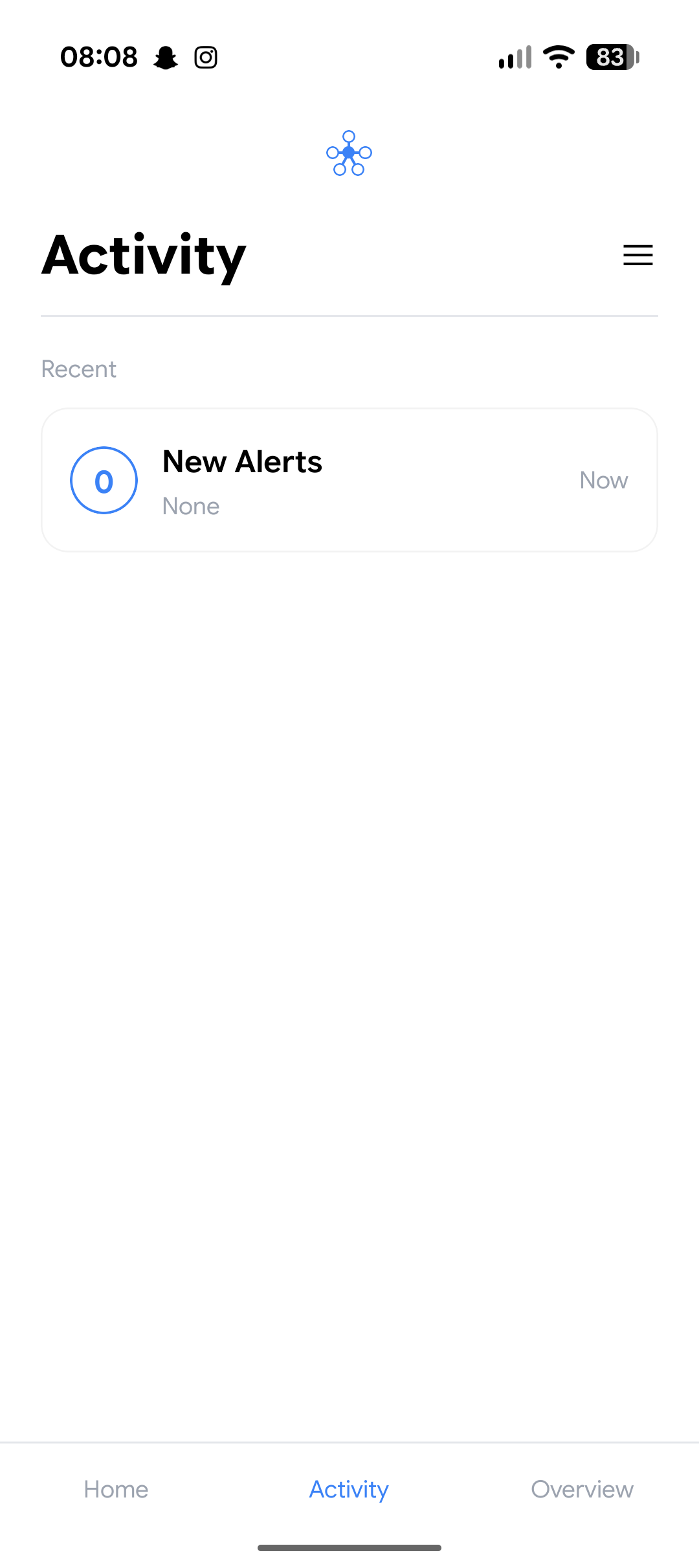
Activity (App)
-
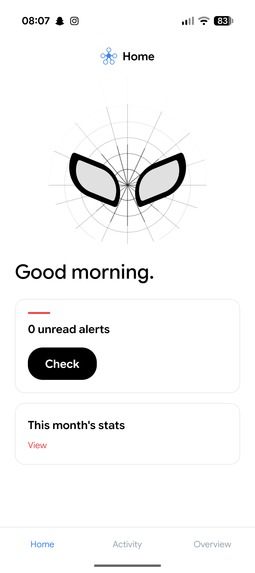
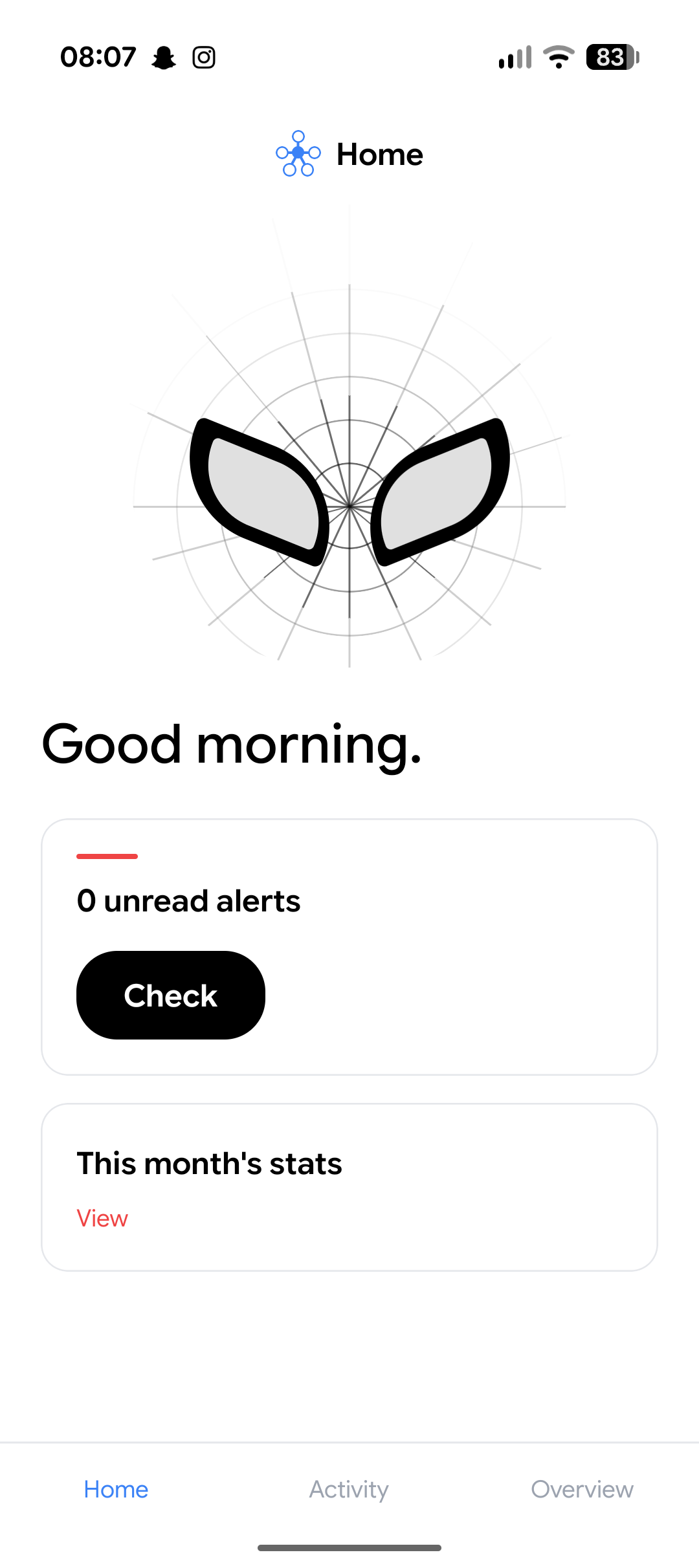
Home (App)
-
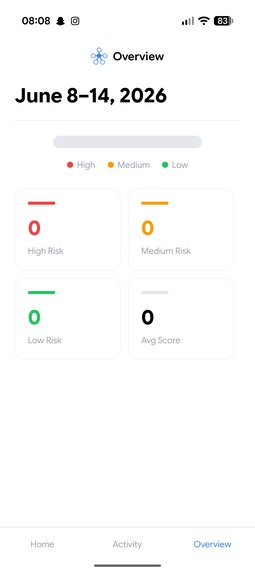
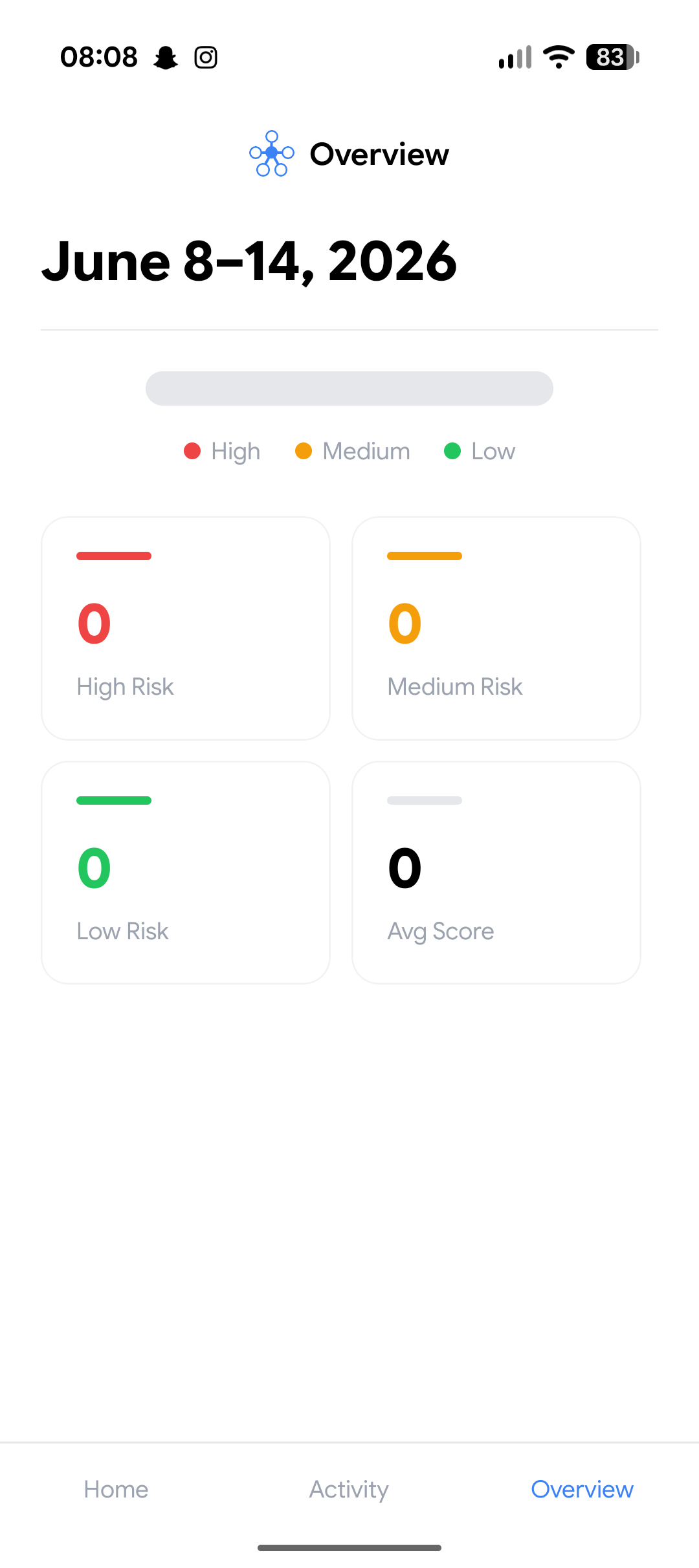
Overview (App)
-
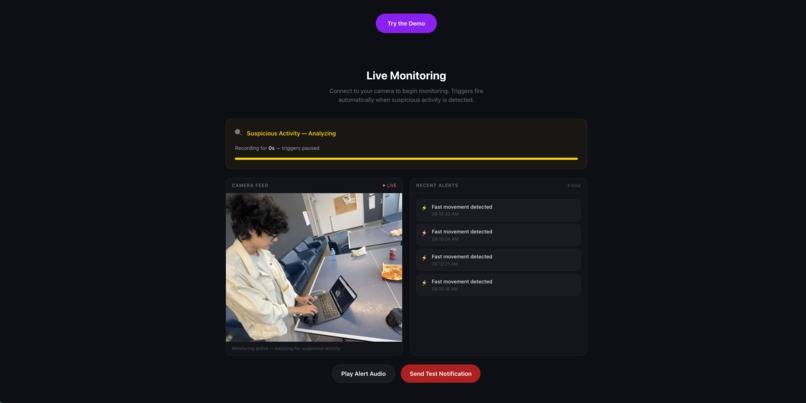
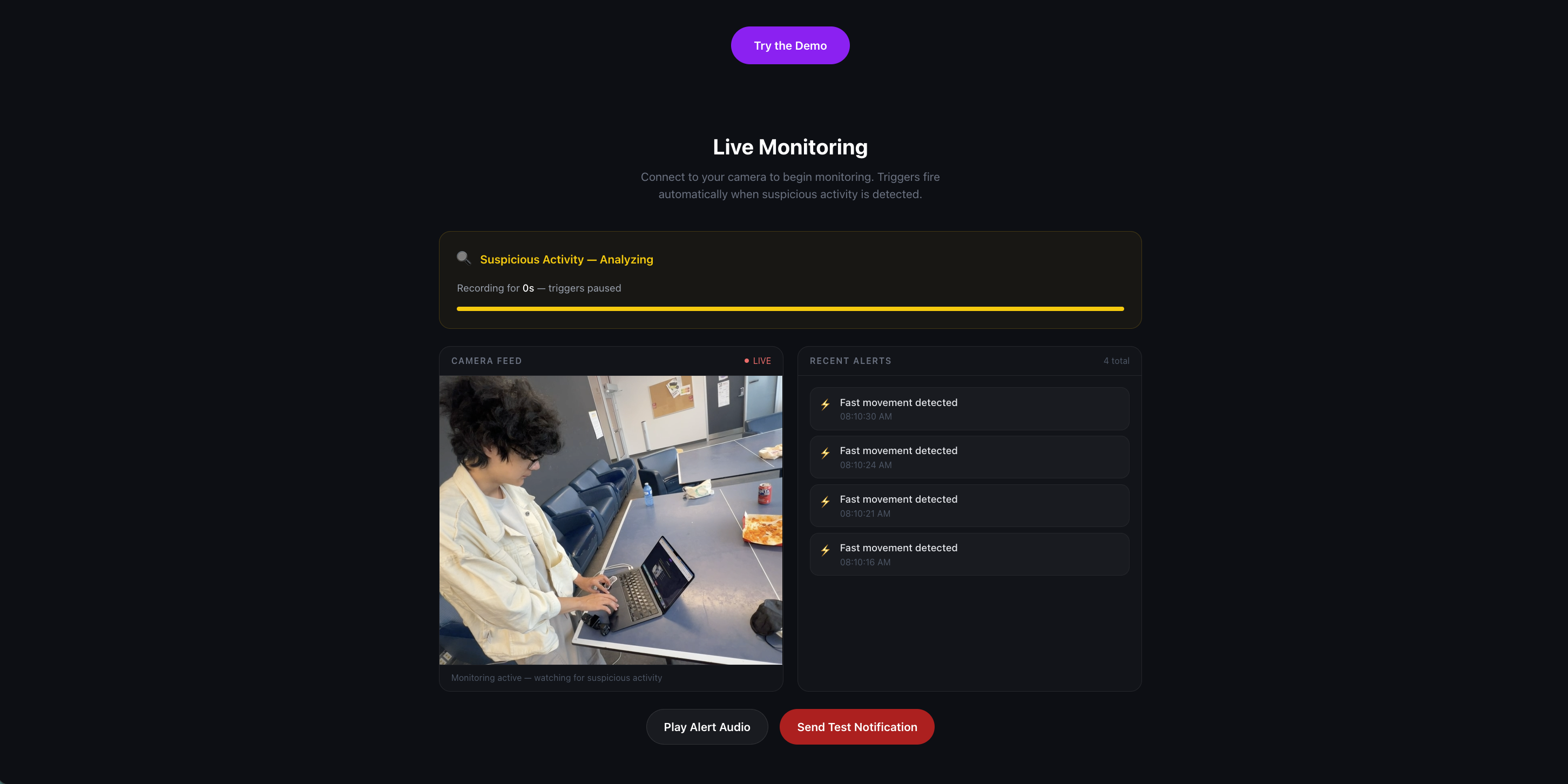
AI Video Analysis (Backend)
Inspiration
How can you be at home when you are not actually home?
That question inspired Sixth Sense. We wanted to solve a problem that almost every family understands: you want to know if something dangerous is happening at home, but nobody wants to feel watched 24/7.
Traditional home cameras force people into an uncomfortable tradeoff between safety and privacy. Parents, children, roommates, and elderly family members may want protection, but they do not want someone constantly checking a live camera feed.
So we built Sixth Sense: a privacy-first home safety copilot that notices emergencies when humans are not there to see them.
What it does
Sixth Sense uses AI video analysis to detect dangerous situations inside a household and notify the user immediately.
It can recognize crisis situations such as heated arguments, domestic abuse, choking, falls, break-ins, fires, or other moments where someone may not be able to call for help themselves.
The key idea is privacy. The user cannot open the camera whenever they want. Our company cannot access the footage either. Under normal conditions, only the AI analyzes what is happening. If the AI detects a serious emergency, it sends an alert to the user’s phone. Only then can the user open the live stream, view the situation, and decide what to do next.
This makes Sixth Sense different from a normal security camera. It is not constant surveillance. It is emergency-based awareness.
How we built it
We built Sixth Sense using a trigger-based detection system. Instead of analyzing everything at full intensity all the time, the system first watches for warning signs like loud noises, yelling, sudden movement, falls, camera shake, or physical struggle.
When a trigger is detected, Sixth Sense enters suspicious mode and analyzes a longer video window to decide whether the situation is normal, suspicious, or dangerous. For our prototype, we used Gemini video analysis to understand the scene and decide whether an alert should be sent.
In an ideal real-world version, this AI would run locally on a private home server instead of relying on a cloud model. That way, all camera footage and processing stay inside the home, and only emergency alerts leave the house.
Challenges we ran into
One major challenge was balancing privacy and safety. A product like this only matters if people trust it. We had to design the system so that it could still detect emergencies without becoming a tool for constant surveillance.
Another challenge was false positives. Homes are messy, loud, and unpredictable. People yell, laugh, drop things, play fight, and move quickly. We did not want Sixth Sense to panic every time something dramatic happened. That is why we focused on context, not just motion detection.
We also had to simplify the technical scope for a hackathon. Our ideal version would use a decentralized model running on a private server inside the user’s home, so video data never leaves the house. For the hackathon prototype, we used Gemini to prove the concept quickly and effectively.
Finally, we had to design a live demo that was impressive but still safe and realistic. We wanted the demo to show both sides of the product: knowing when not to alert, and knowing when to act immediately.
Accomplishments that we're proud of
This was our first time participating in a three-day hackathon, and we are proud of how much we were able to build in such a short amount of time.
We created a full safety system that brought together many moving parts, including multiple APIs, OpenCV, AI video analysis, external camera hardware, backend detection logic, a mobile app, push notifications, live streaming, and real-time alerts. The biggest accomplishment was making all of these separate pieces work together as one seamless tool.
We are also proud that we stayed true to our original purpose: building a product that protects people without making them feel watched. From the beginning, Sixth Sense was not meant to be just another surveillance app. It was meant to be a privacy-first safety layer that only acts when something truly matters.
What we learned
We learned that building AI safety tools is not just about making a model detect things. It is about designing the entire human experience around trust, privacy, and urgency.
Claude Code is overrated.
Gemini Flash Lite 2.5 is underrated.
Too much salt can ruin a dish: Too many features can weaken a product. Adding too many ideas can overpower the main purpose. We had to keep returning to the core problem: helping people notice emergencies without turning their home into constant surveillance.
Finally, we learned how valuable it is to talk to mentors, organizers, and other hackers early. Their feedback helped us narrow our idea, improve our demo, and make our project more realistic.
What's next for Sixth Sense
Next, we want to make Sixth Sense more private, more accurate, and more useful in real homes.
Our long-term vision is to run the AI model locally on a server inside the user’s home, so video footage and processing never leave the house. We also want users to customize what the AI watches for, such as falls, choking, fires, break-ins, or domestic abuse.
We also want to add an AI voice system that can speak during emergencies. For example, if someone is choking, Sixth Sense could notify the caregiver, call emergency services if the user has enabled that setting, and guide someone nearby through the next steps.
Our goal is simple: when life is normal, your home stays private. But when something goes wrong, Sixth Sense makes sure the crisis does not go unnoticed.
Built With
- camo
- elevenlabs
- expo.io
- gemini
- javascript
- node.js
- opencv
- python
- react
- react-native
- sox
- tailwind
- vite
- vosk
- websockets


Log in or sign up for Devpost to join the conversation.