Inspiration
The proble that we decided to tackle is the scarcity of publicly available EV chargers. Sixt should foster the existance of new EV chargers without them paying for those new EV chargers.
What it does
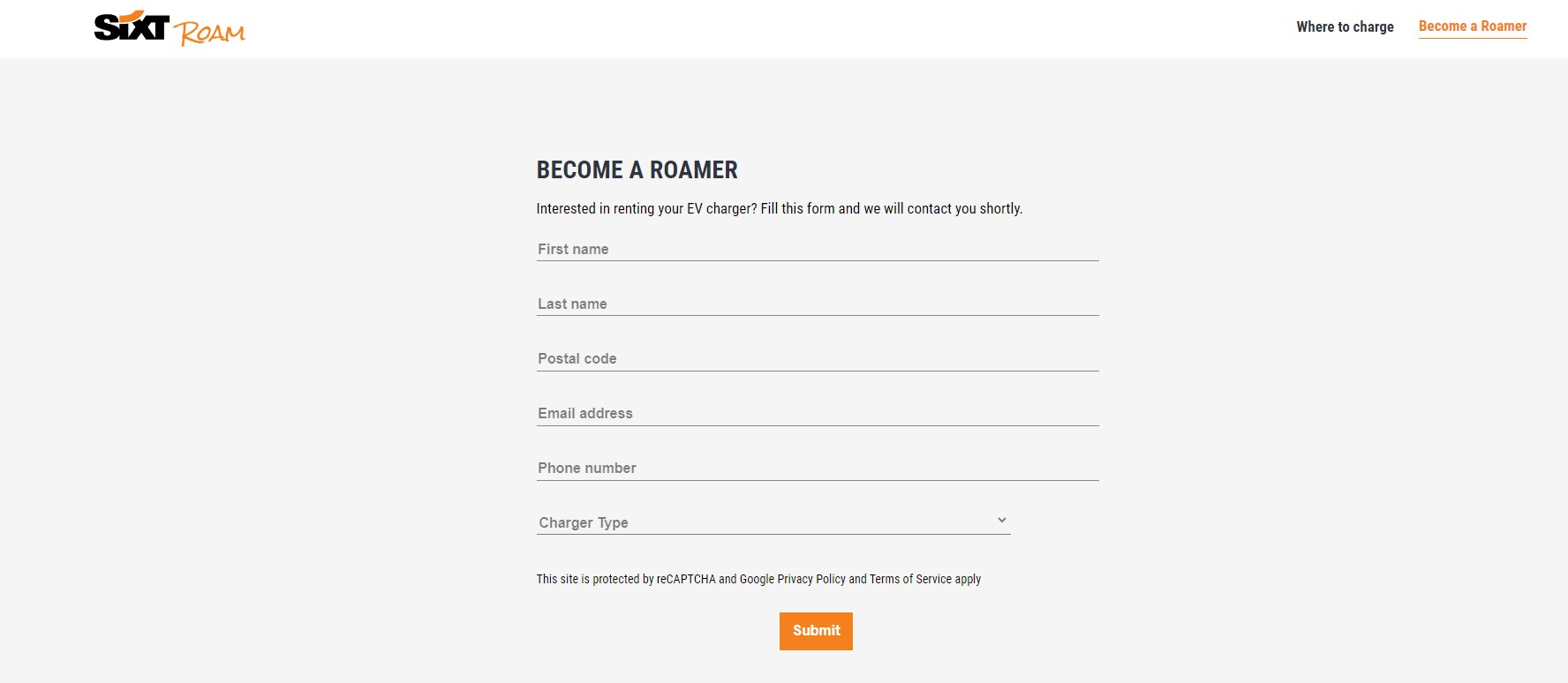
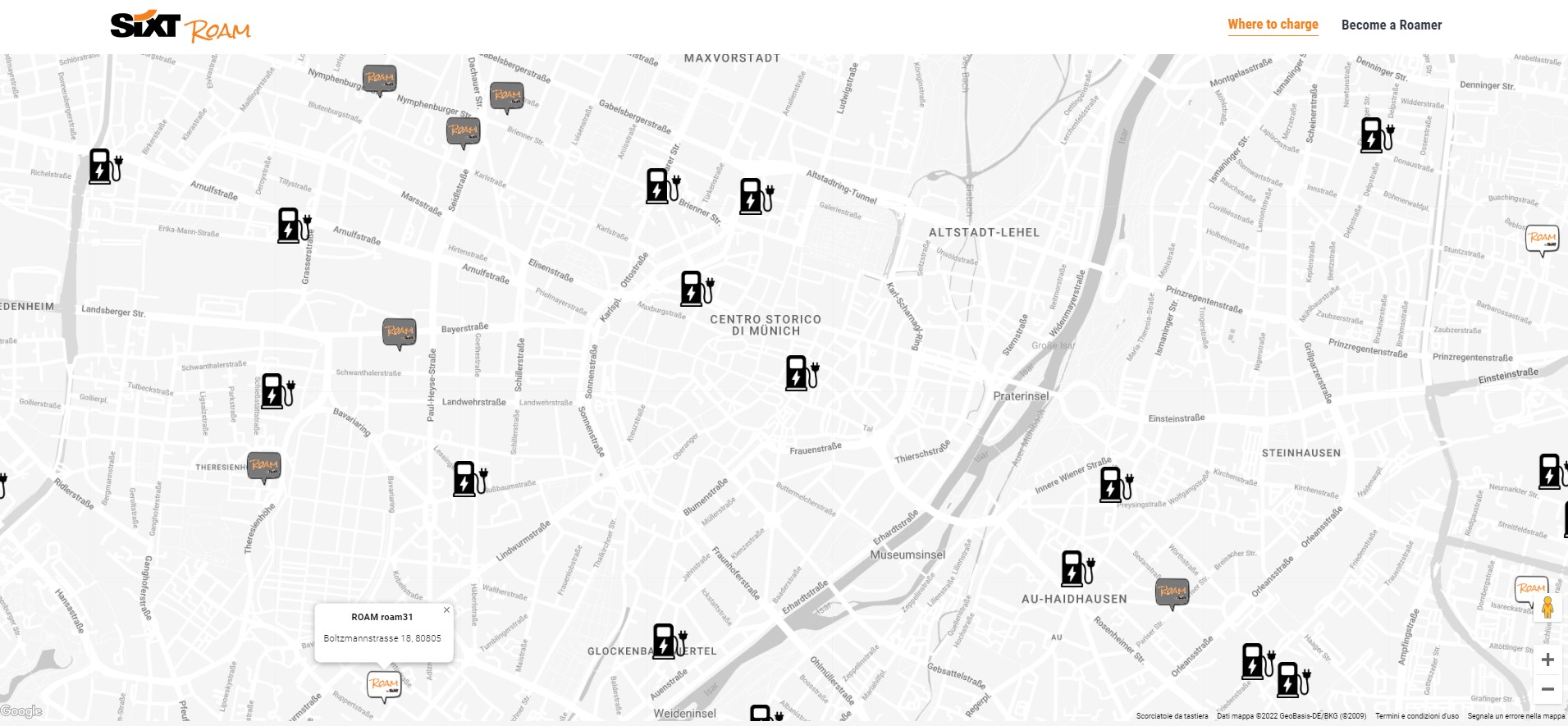
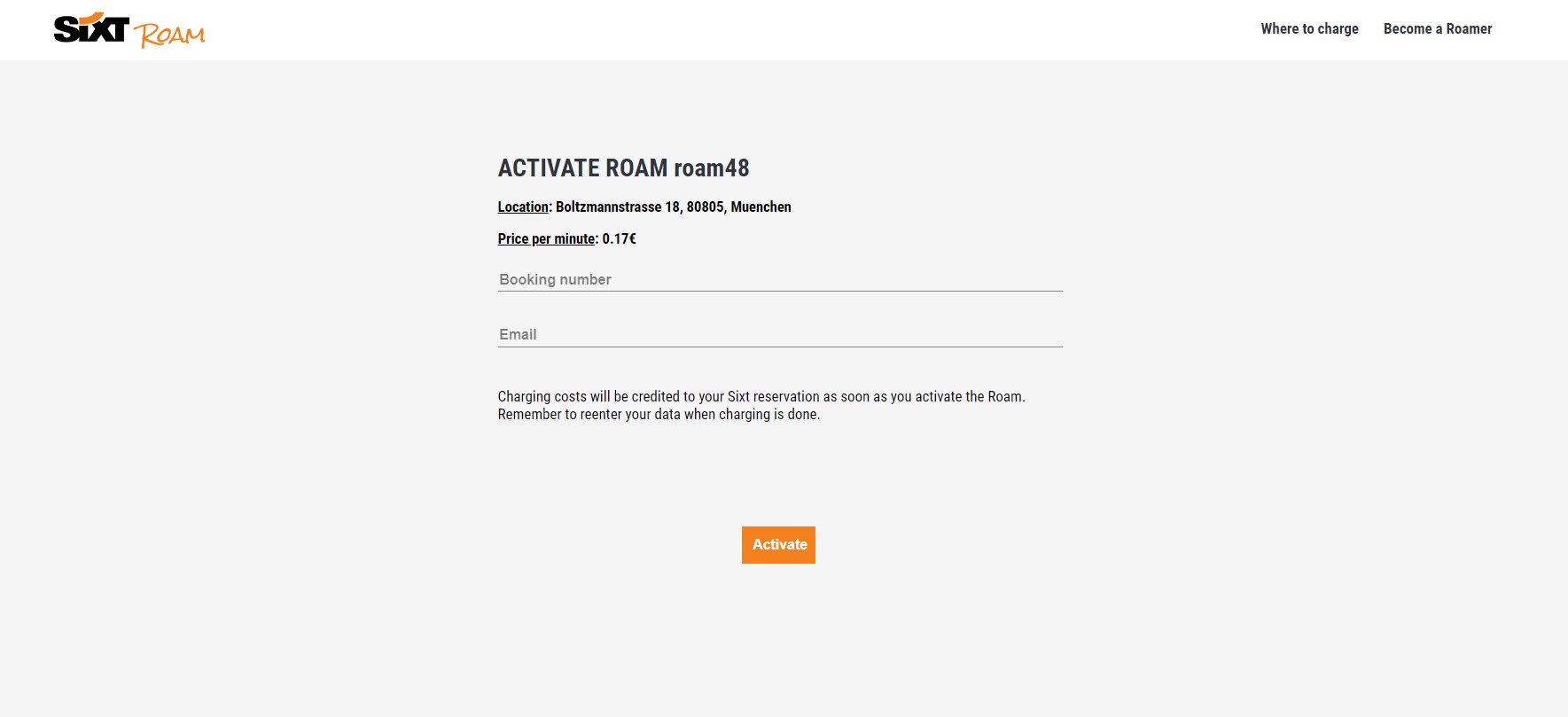
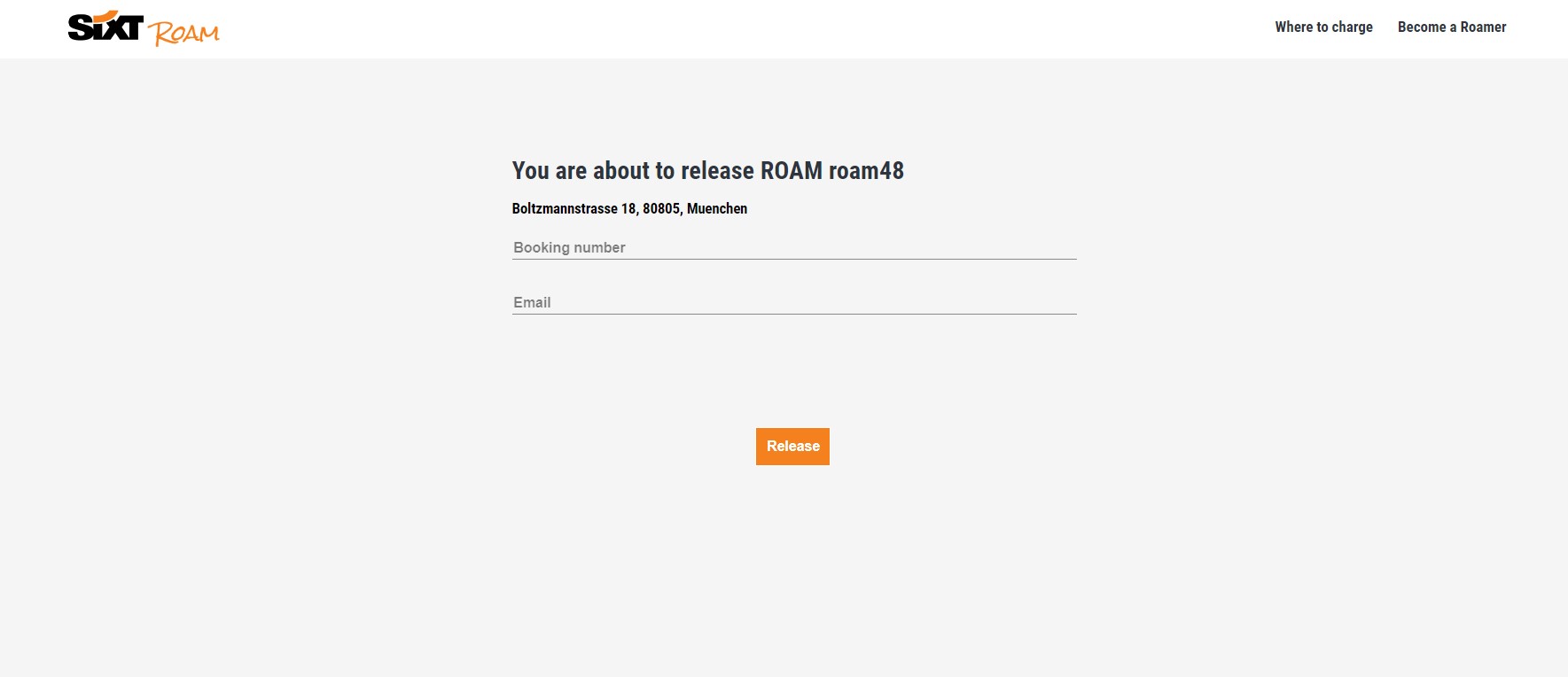
Sixt Roam is a platform that allows private owners of EV chargers to enter a network of publicly-offered charging stations, as a source of passive income. Sixt clients who rent a car may choose to charge their cars in these select locations. In each Sixt Roam charging station, there is a QR code that allows the client to start and finish a charging session. The operating costs of the charging station are charged to the client's final invoice, to be paid at the end of the rental agreement.
TL;DR: private owners offer their idle chargers to Sixt's clients, in exchange for a monetary retribution.
How we built it
We used Flask as a backend, React as a frontend and PostgreSQL in the persistance layer. The frontend communicates with the backend via a RESTful API.
Challenges we ran into
The scope of the original problem was too big so we had to trim our first brainstormed ideas.
Accomplishments that we're proud of
Integrating Google Maps API and not dying while trying. We believed that we successfully mimiqued Sixt's UI design. We are proud to say that we could deploy a functional MVP.
What we learned
Club Mate is definitely not better than Argentinian mate 🧉.
What's next for SIXT Roam
Designing the pipeline of payments and automatizing payments to the owner of the charger. Designing a system that prevents clients from abusing the unguarded charging stations.

Log in or sign up for Devpost to join the conversation.