-
-
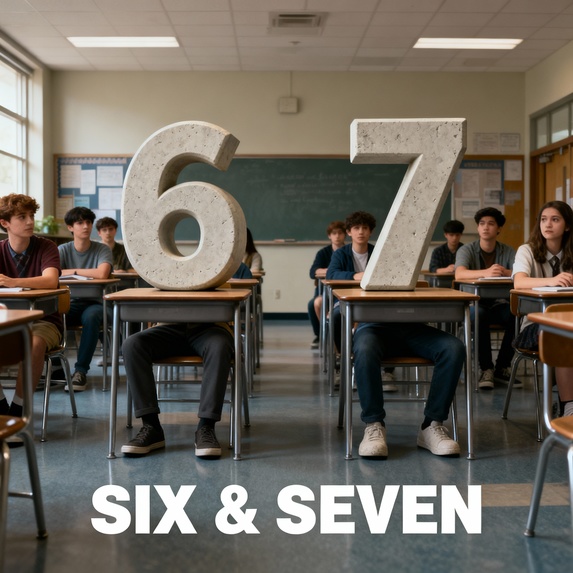
Six & Seven
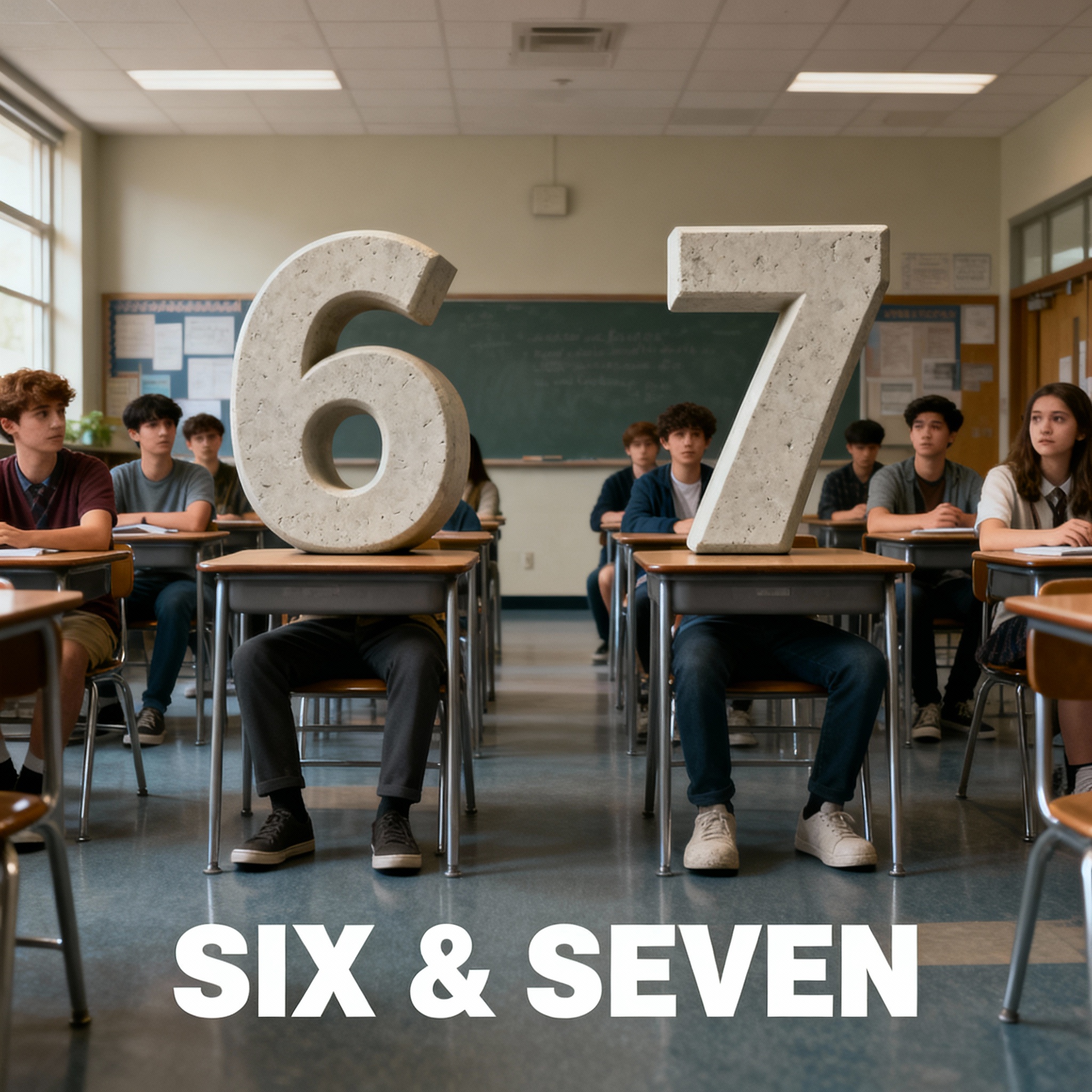
The Spark
I've always been fascinated by deadpan comedy—the kind where everyone plays it completely straight while the world around them is utterly bonkers. Shows like The Office, films by Yorgos Lanthimos, the dry absurdism of Atlanta. There's something deeply human about finding humor not in the joke itself, but in the refusal to acknowledge the joke exists.
One night I had this ridiculous thought: What if numbers were just... people? Not cute animated characters, not metaphors—literal photorealistic three-dimensional numerals born to human parents, going to school, getting jobs, falling in love. And what if we treated that premise with complete documentary neutrality, as if a serious filmmaker was capturing something bizarre with journalistic precision?
That contrast—the impossible rendered with hyper-realistic detail against mundane everyday life—felt like comedic gold.
The Build
I started with a simple 15-second trailer concept: birth (doctor shouting "It's a Six!" then "Seven!"), rapid montage through childhood, landing in a boring classroom. Clean. Simple. Absurd.
But as I built it in Twizl, something unexpected happened. The characters started feeling real to me. Six and Seven weren't just visual gags—they were siblings growing up together. What would their lives actually look like? What choices would they make? Could I push this premise beyond comedy into genuine drama?
So I expanded: • Childhood innocence: Birthday parties, toddler steps, the warmth of early years • Adolescent cruelty: A devastating bullying scene where kids mock Seven for being "odd" • Divergent paths: Six becomes a track star, valedictorian, eventually a cop. Seven turns to crime—car theft, then bank robbery • Tragic confrontation: The moment Six discovers Seven's surveillance photo. The chase. The gun aimed at his own brother
I used Twizl's photorealistic 3D rendering to make Six and Seven feel like actual physical objects with weight, texture, surface imperfections. Documentary-style camera work—handheld, natural lighting, grounded cinematography. The humans around them react to nothing because this is just how the world works.
What I Learned
Absurdism needs stakes. Comedy is great, but when you add genuine emotional weight—sibling bonds, moral choices, consequences—the absurdity becomes more powerful, not less. The fact that these are literal numbers somehow makes their tragedy hit harder because it's so visually bizarre yet emotionally authentic.
Sound design is everything. Those crowd chants of "Seven! Seven! Seven!"—building mythic status around a criminal numeral—create atmosphere that pure visuals can't achieve. The shift from playful childhood ambience to tense crime thriller scoring tells the story as much as the images.
Constraints breed creativity. Working within Twizl's tools forced me to think cinematically—how do I show character development through shot composition, lighting, pacing? How do I create drama without traditional facial expressions? It made me a better visual storyteller.
The Challenges
Balancing tone was brutal. Too comedic and the drama feels hollow. Too serious and you lose the deadpan absurdity. I had to constantly calibrate—keeping the documentary realism while allowing genuine emotion to breathe.
Making numbers feel human without giving them faces, expressions, or traditional body language. I leaned into posture, movement, scale, lighting—a slumped Six sitting alone conveys depression; Seven's aggressive running motion shows desperation.
Pacing the emotional arc. Going from "It's a Six!" to a brother aiming a gun at his brother in under 90 seconds? That's a LOT of story compression. Every shot had to earn its place.
What It Became
Six & Seven started as a comedy about the mundane absurdity of impossible existence. It became a tragedy about two brothers—one who follows the rules, one who breaks them—and the moment their paths collide with devastating consequences.
It's about identity, belonging, systemic pressure, moral choices, and family bonds. It just happens to star photorealistic three-dimensional numerals.
And honestly? I think that's the most human story I've ever told.
Built With
- elevenlabs
- twizl

Log in or sign up for Devpost to join the conversation.