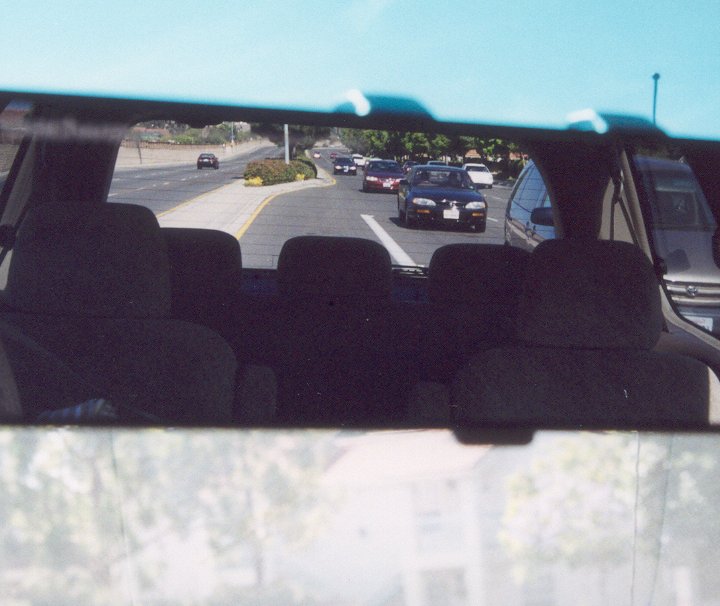
Vehicle-to-Vehicle (V2V) and Vehicle-to-Infrastructure (V2I) tecnology use the advanced open-source wireless technology called Dedicated Short-Range Communications (DSRC), which allows vehicles to communicate with each other, with stationary roadside equipment, and with mobile devices. We suggest that there is a need to develop the Situational Awareness system for drivers. We suggest using cameras, vision devices and radar to create an effective Situational Awareness system. To implement this, human factors issues need to be considered carefully before system design can begin. System design in the early stages is vital. Lab tests, data collection, small-scale road test, and large-scale road tests are needed to finalize the system design. New driver training, elderly driver training, involvement of universities and automobile related societies is also needed. Adoption time will be shorter if the design of human factors issues is well thought out from the inception. The following explores the possibility of incorporating optical devices such as mirrors into the DSRC-based system design to improve transportation safety: Introduction Mirrors have the advantage of helping drivers pay more attention to road conditions, increasing road safety. Perhaps a new approach of using the properties of mirrors in the DSRC-based transportation system design can indeed enhance vehicle safety. The following is an assessment of the properties of mirrors for use in transportation systems. Application Type of mirror and anti-glare ability are the two main factors when considering the use of mirrors in transportation. There are three types of mirrors: flat, convex and concave. The first two are the most commonly used types of mirror in transportation today. A flat mirror shows an image of the actual distance of objects. A convex mirror provides a wider field of view but the objects appear farther than they actually are. The anti-glare ability of a mirror is especially useful at night because reflected glare can cause discomfort to the driver. Some mirror manufacturers have made significant technological advances in overcoming this difficulty. For example, a prominent automobile device manufacturer has developed what is called an anti-dazzling mirror that has been successful in cutting-out dazzling lights, as well as harmful ultra-violet rays. This technology was important in the advancement of mirrors used in transportation. The advantages of using mirrors in transportation are relatively low cost and easy of installation. The disadvantage is the time it takes for the driver to become accustomed to the mirror. Social Benefits The use of this technology has economical advantages and the disadvantages can be overcome. It can help the driver remain focused on road conditions, allowing him to make better informed driving decisions. The benefits to society are the following: decreased number of accidents, saved lives, smoother traffic flow, less traffic congestion, reduced air pollution and reduced property damage. It is therefore worthwhile to incorporate this concept into DSRC-based system design for Intelligent Transportation Systems.
Situational Awareness -- Simplify Transportation
Updates

Leave feedback in the comments!
Log in or sign up for Devpost to join the conversation.