-
-
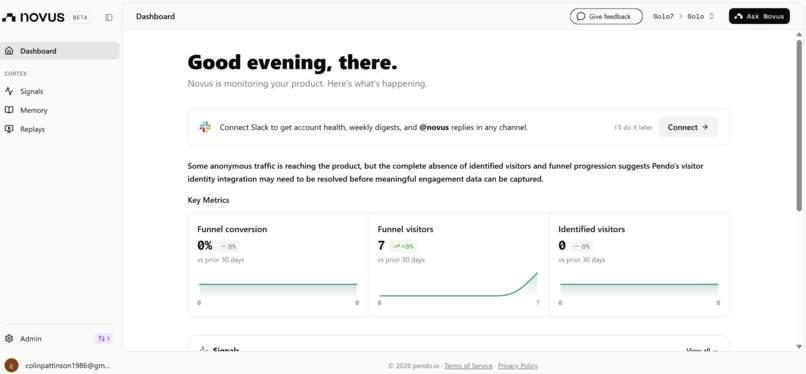
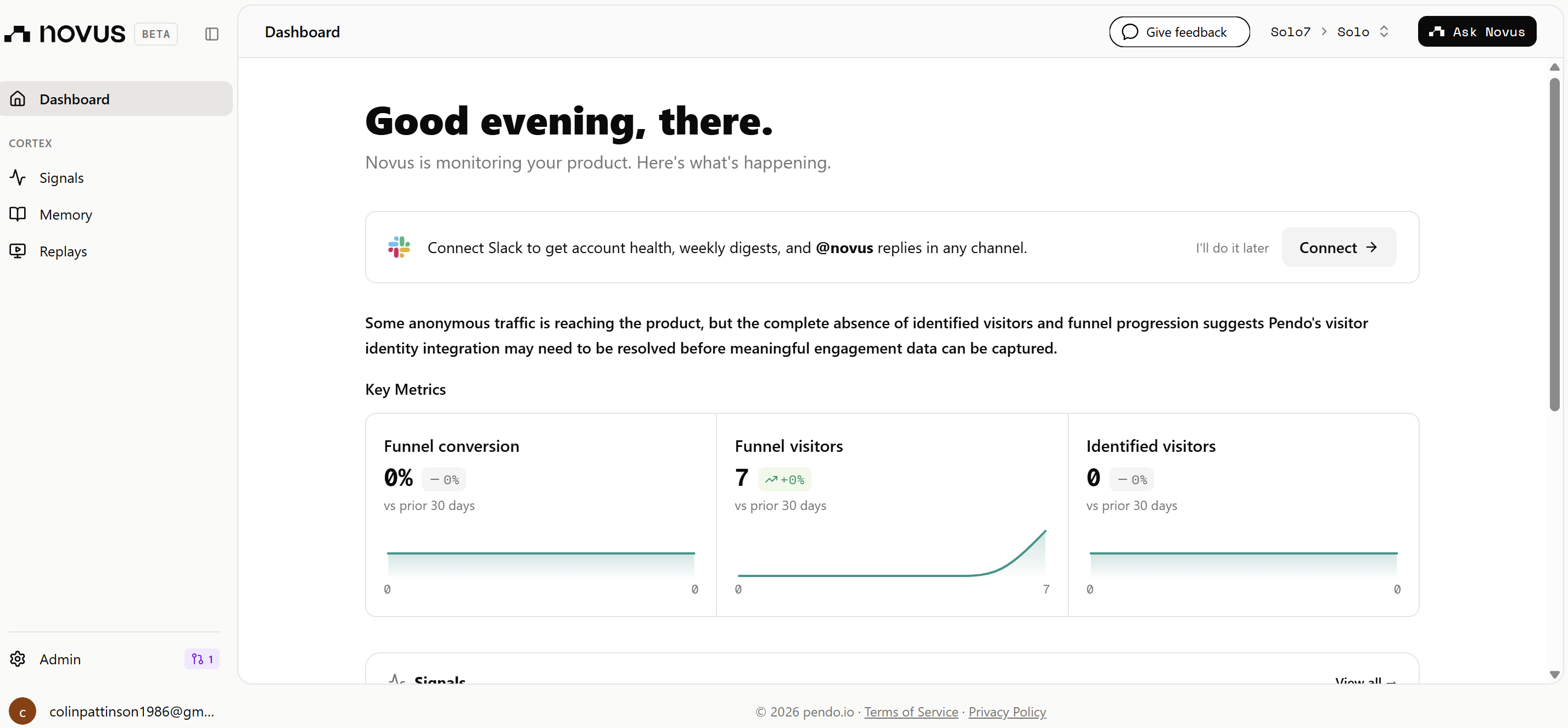
Novus dashboard
Inspiration
I used to work with many small teams that often lack dedicated digital expertise within the public sector. When they needed to rework an existing service or commission a new service, they rarely had the time, budget, or knowledge to properly audit what they have created. Things like accessibility, security, reading age & alignment with the existing UK Service Standard means services can easily fall through the cracks - not through negligence, but simply because nobody on the team knows where to look or what "good" looks like.
As AI tools make it cheaper and faster than ever to spin up websites and digital services, that gap is only going to grow. I wanted to build something that puts the knowledge of a seasoned digital reviewer into a tool that anyone can use, regardless of their technical background. It emulates what the UK aims to do to assess digital services that get released to the public but with less of the bureaucracy and expense of x3 digital professionals reviewing the work of a team in a meeting (which is what traditionally happens).
What It Does
Site Audit takes a URL and runs it against a comprehensive set of standards relevant to UK public sector and government digital services (the standards teams are assessed by). It produces a single 0–100 score - similar in spirit to Google Lighthouse - alongside a plain-English explanation of that score.
The report covers alignment with the UK Service Standard, WCAG 2.2 accessibility guidelines, SEO, security and privacy, reading age & environmental sustainability. It also benchmarks the site against the top 50 visited GOV.UK pages, so teams can see where they stand relative to best-in-class public sector delivery. Every report closes with the top five prioritised recommendations, each with practical guidance on how to actually fix the issues identified.
How I Built It
The tool was built using an AI-assisted analysis approach, drawing on published standards from GOV.UK, the GDS Design System, Google Lighthouse scoring methodology, and WCAG guidelines. The scoring framework was designed to weight criteria in a way that reflects what matters most to public sector teams - accessibility and service standard compliance carry the most weight, with additional signals from SEO, performance & sustainability.
I am using Github Pages, I've used Claude Sonnet 4.6 to help me develop the service, Docker and n8n to help create my agent and AI flow, Gemini 2.5 flash is used and I utilise the Google PageSpeed API for the agent to use in its audit.
Challenges I Ran Into
Translating qualitative standards - like the UK Service Standard - into a quantifiable score without oversimplifying them is genuinely difficult. Some of the standards are also hard to know... e.g. did a multidisciplinary team create it. Likewise trying to make sure it is understandable to the right users is a balance. Many of the suggests are quite technical and trying to give someone a practical suggestion but they might know understand what it is or what to do with that information remains a bit of challenge. In my opinion it's perhaps better to know the things that can be improved (and inspire more curiosity to go research it) then not know it at all.
Accomplishments That I'm Proud Of
From a personal point of view it's been amazing to learn how to to glue a few services together and have my agent reason over competing information thrown at it. It's genuinely awesome that an activity that would take multiple people weeks of effort to audit a site/service could now be done in minutes. There are people that are literally employed to manage the assurance of services so if this could help anyone cut down the time that takes and makes it more efficient then I'd be very proud.
What I Learned
I knew many good standards already existed. The challenge is not creating new ones, but making existing ones legible and actionable for the people who most need them. From experience I know many teams are not failing because they are careless (and I've been on the panel to assure services so have seen these teams up close and personal) - they are failing because the bar has never been clearly shown to them.
I've talked to some folk already as a form of guerrilla research to get feedback on the service and I think the framing does need more work. Emotionally it might be disheartening to see a 52/100 score and I need to think of better ways of how to get someone more help on how to fix the issues that have been identified.
What's Next for Site Audit
For the actual tool it would be building out automated crawling so the tool can assess full user journeys, not just a single page. Beyond that, it would be great to introduce monitoring so teams can track their score over time and measure the impact of improvements.
In terms of the service then I do think it needs to give more practical what next for those that perform an audit. In theory if I wanted to monetise the service that might mean I use it as lead generation for providers that can come in and help small teams to fix the issues identified. Or if it remained in the hands of government/public sector then it could become entwined with broader governance and assurance. Where services released to the public are automatically scored and it helps raise the bar of services that millions of people need to interact with every day.


Log in or sign up for Devpost to join the conversation.