-
-
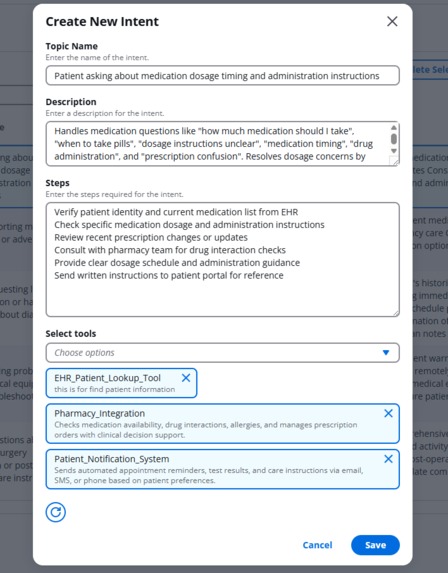
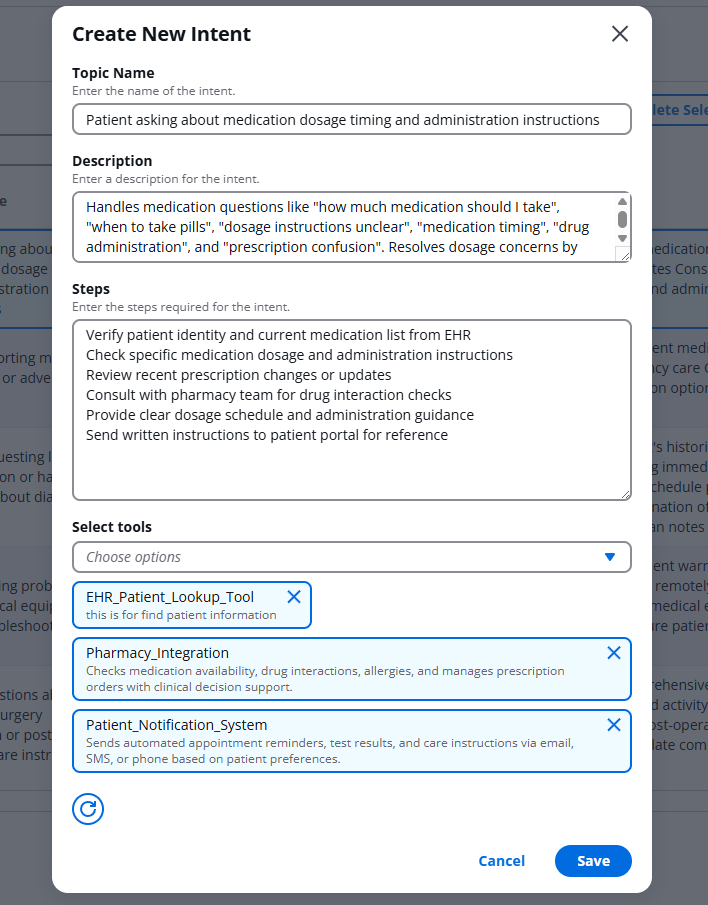
intents
-
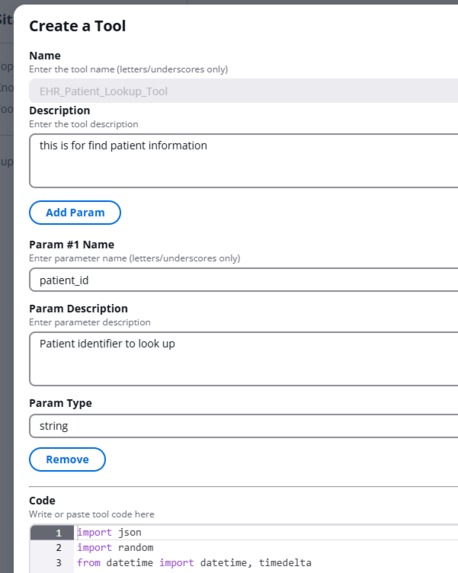
tools
-
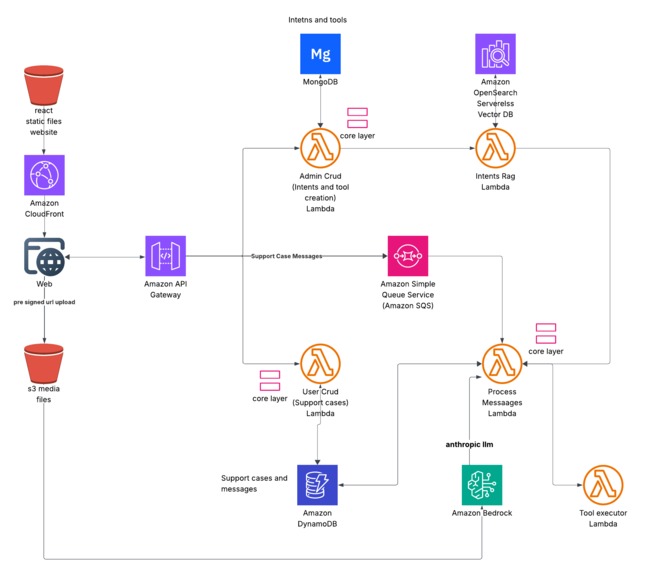
architecture
🧠 Sitaara – Hackathon Project Story
🚀 Inspiration
After completing my AWS Solutions Architect Certification, I was eager to apply serverless best practices in a real-world setting. I’ve always been fascinated by how customer support could be automated using AI, and that’s what sparked Sitaara — an AI-powered platform that automates issue resolution using intent recognition and tool execution.
My goal was to build something truly modular and scalable — and Sitaara reflects that vision.
💡 What it does
Sitaara is an AI-first customer support platform that:
- Understands customer issues through natural language
- Identifies the correct intent using vector search (OpenSearch) and LLM
- Follows a predefined workflow of steps to resolve issues
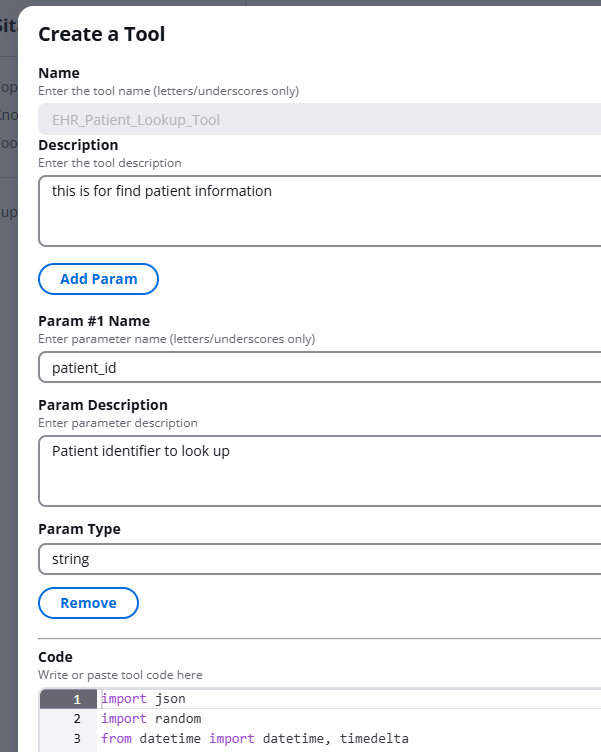
- Dynamically executes tools (actions) to automate actions like data lookups, notifications, or validations
- Provides an AI-driven chat interface built with AWS Cloudscape
- Stores all interactions for later auditing, insights, and learning
🛠️ How we built it
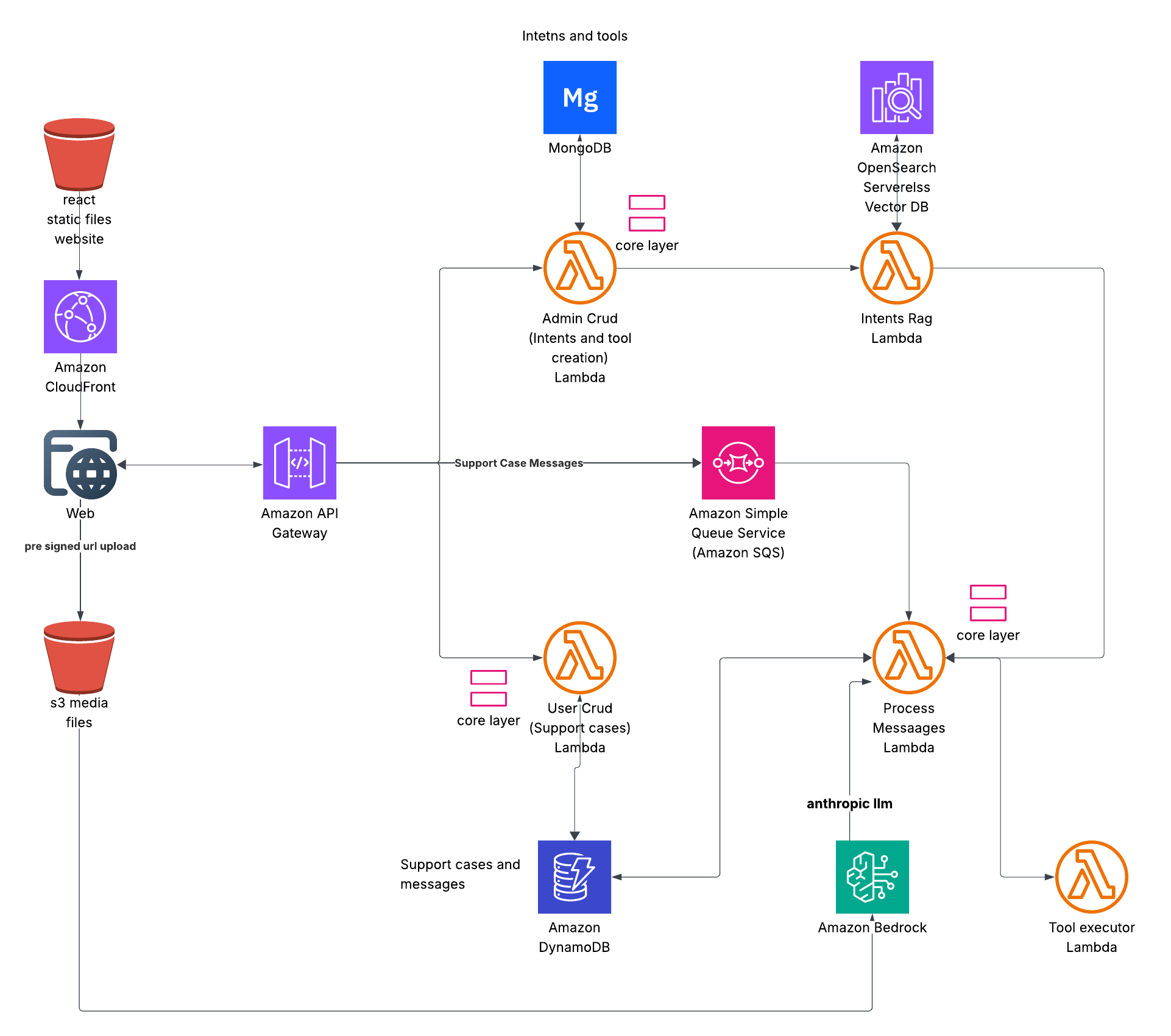
We used a completely serverless architecture on AWS:
Backend (All Serverless):
- Lambda Functions handle all logic: CRUD, AI processing, intent recognition, tool execution
- API Gateway for HTTP endpoints
- SQS Queues for decoupled message orchestration
- OpenSearch Serverless for intent vector matching
- Bedrock (Anthropic Claude) for AI conversations
- DynamoDB and MongoDB Atlas for persistence
Frontend:
- Built in React using AWS Cloudscape Design System
- Hosted on S3, served globally via CloudFront
- Uses presigned S3 URLs for secure media uploads
- Live demo site
Architecture reference: See Architecture
🧱 Challenges we ran into
CORS Issues: Spent hours debugging why frontend couldn’t talk to API Gateway. Later realized I didn’t enable Lambda Proxy Integration, which caused events to be misformatted and headers to fail.
Voice + WebSocket Challenge:
I built a voice assistant using Twilio, Transcribe, and Polly for real-time AI support. Initially tried using API Gateway WebSockets, thinking Lambda maintained persistent connections, but learned it only handles discrete events. This led me to shift from chat/live support to structured support workflows — better suited for automating repetitive, high-volume support cases.Presigned S3 Uploads: Generating correct policies and matching content types with upload flow took tuning.
Intent Routing: Mapping user queries to intents using vector embeddings was tricky — needed to tune confidence thresholds and fallback logic.
🎉 Accomplishments that we're proud of
- Designed a production-grade serverless architecture with real-time AI integration
- Seamlessly integrated Cloudscape UI to match AWS native UX
- Created a working dynamic tool execution engine with custom scripts and parameter passing
- Ran realistic healthcare test cases with ambiguity handling, and escalation paths
📚 What we learned
Deepened understanding of AWS Lambda, especially integration with:
- SQS
- API Gateway
- OpenSearch Serverless
- Bedrock and presigned S3 uploads
Realized the value of event-driven design and the flexibility it brings in building complex workflows
Learned the hard way about the importance of CORS and event formatting when integrating frontend and Lambda through API Gateway
Learned the importance of observability in event-driven serverless architectures using CloudWatch logs, metrics, and structured tracing to debug and monitor distributed flows.
🔮 What's next for Sitaara
- Add authentication via Cognito or Firebase
- Enable human escalation workflows for unresolved intents
- Improve case analytics dashboard for admin review
- Add multi-language support and broader industry use-cases
- Explore cost-based optimization with Lambda Power Tuning and Cold Start improvements

Log in or sign up for Devpost to join the conversation.